
Australians will face more frequent security checks and will be forced to hand over firearms above a certain limit in sweeping gun reforms expected to pass as parliament returns early to respond to the Bondi terror attack.
The government was forced to split its sweeping omnibus bill — encompassing gun laws, hate crimes and migration changes — and abandoned racial vilification provisions on Saturday, after it became clear neither the Coalition nor the Greens supported the changes.
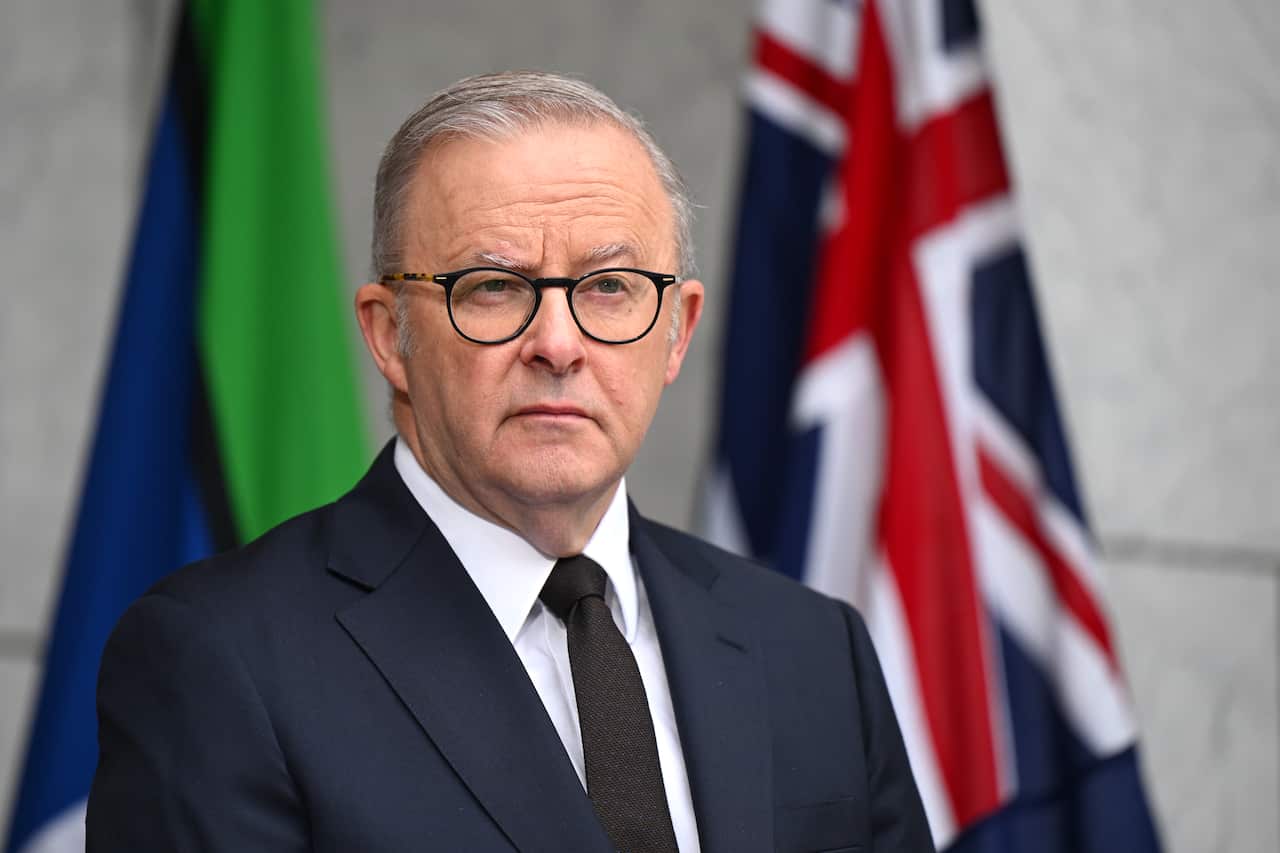
However, Prime Minister Anthony Albanese did secure the support of the Greens for its gun control measures, which will be introduced in the upper house on Tuesday.
Firearm safety advocate Stephen Bendle is pushing for the bill to pass with bipartisan support, urging the Coalition demonstrate it's "serious" about "the right people having access to the right firearms".
News that makes sense
Your trusted source for staying up-to-date with the world around you. Get free daily news updates and analysis, straight to your inbox.
The government is also facing pushback from states, with the Queensland government joining Northern Territory and Tasmania in rejecting the proposed 50-50 split payment, which will see the "biggest gun buyback scheme" since the 1996 Port Arthur massacre.
"We say to jurisdictions that they've got to listen to the Australian population, the cry has been loud and constant since the Bondi tragedy," Bendle, serving as the convener of the Australian Gun Safety Alliance, told reporters on Monday.
"Australians have been rightfully proud of our gun laws for the last 30 years, but unfortunately, blissfully unaware of the growth in the number of firearms, the types of firearms and the availability of firearms."
Measures still to be debated when the bill is introduced include strengthening penalties against people who threaten violence against protected groups, proscribing hate groups, and giving the home affairs minister more powers to cancel or refuse visas.
Critics highlight that firearms owners will lose millions from the gun buyback and expressed concerns that new checks fail to give people who lose their licence an option for recourse.
What will gun buyback mean for gun owners?
The bill establishes the grounds for states and territories to work alongside the Commonwealth to limit the number of firearms during a two-year buy-back period, review licensing requirements and examine the use of criminal intelligence in the process.
The Nationals have criticised punishing "everyday Australians" for the actions of two men, who killed 15 people when they opened fire near a Hanukkah event.
Following a National Cabinet meeting in December, states agreed to limitations on firearms. It led the NSW government to limit individuals to four firearms, with commercial users and farmers limited to 10.
Several owners have pointed out that they have firearms with sentimental value — passed down through generations — that should not be counted under the limit.
James Glissan, a former police officer and police prosecutor, said the Howard-era gun buyback scheme, where roughly 650,000 firearms were handed over, happened in "very different economic circumstances".
"One of the big issues with the buyback scheme is that there is no clear justification on the price of the firearm," he told SBS News.
Glissan says someone who has spent $20,000 on multiple firearms could get back $5,000.
"Now it doesn't matter how old those firearms are or what the actual retail value or market value is of the firearm, the owners aren't necessarily going to get that money back," he added.
Shooting Industry Foundation Australia (SIFA) estimates an average claim of $6,000 per firearm would cost the government $12 billion for the scheme.
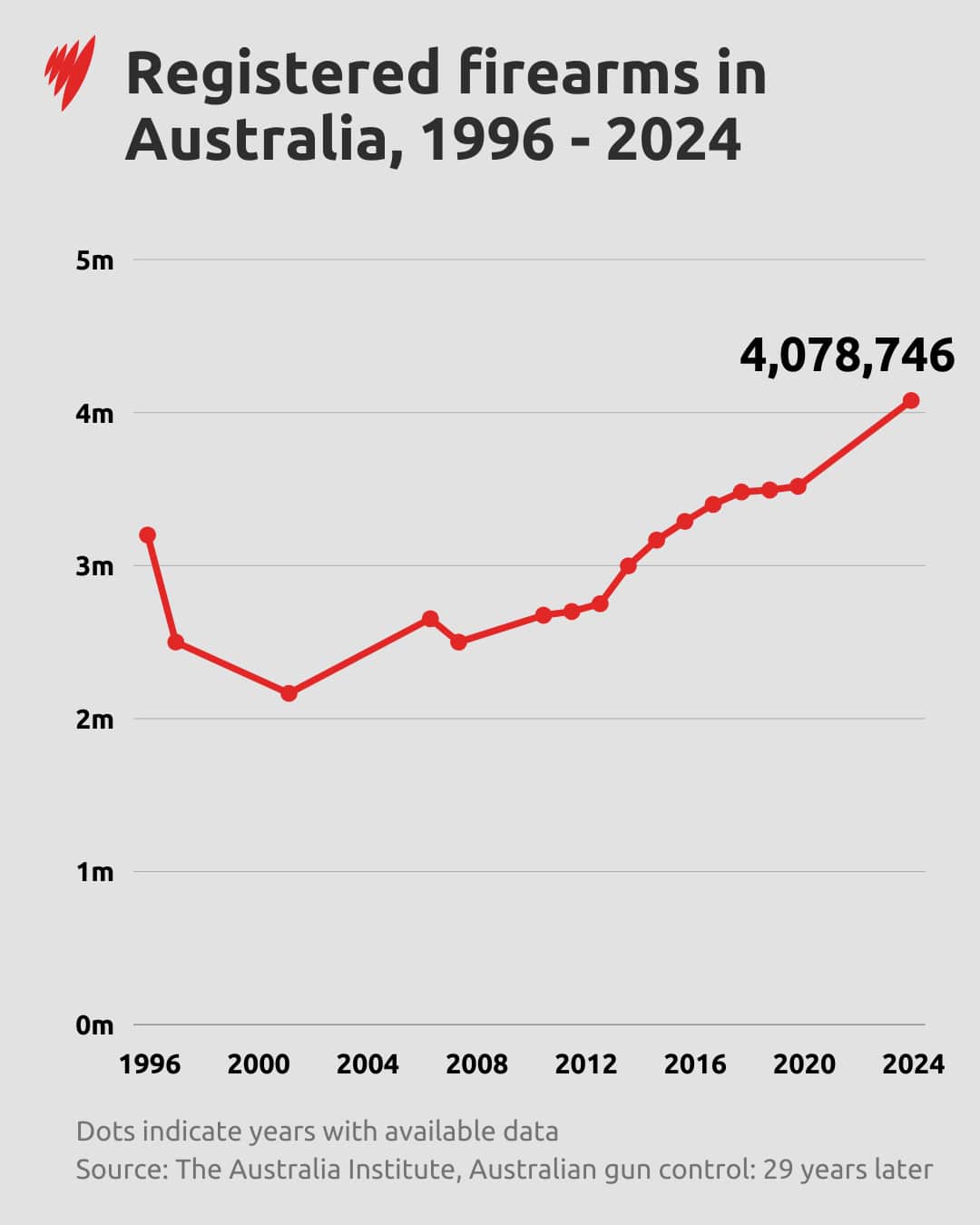
The scheme aims to target newly-banned, high-capacity, and rapid-fire weapons, with SIFA estimating 50 per cent of gun owners will be affected by the new measures.
Zareh Ghazarian, associate professor of politics and international relations at Monash University, says it's important to make "certain types of gun ownership more difficult".
"For many people, it may provide them with a sense of comfort that certain weapons will not be available to others, but at the same time, it does raise questions about policing, controlling and managing law and order," he said.
The legislation will also see strengthened guardrails around importing firearms.
Concerns over 'stricter' firearm checks
There will be an additional layer of security checks under the AusCheck system when approving firearms licences and reviewing current holders.
Glissan anticipates "stricter and small detail-oriented checks" will become the strongest issue, with checks increased from every five to two years.
He said as police go back through firearms owners' histories, people who had a mental health incident a decade ago, but have been a law-abiding citizen since, may now have their licence revoked, which, once complete, will not have a mechanism for review under the new reforms.
"If the commissioner makes the decision to revoke a firearms licence, that's it. There's no ability for independent review," he said.
Glissan warns about leaving discretion over the laws to "top-down pressure" from commissioners, suggesting reverting back to the NSW Civil and Administrative Tribunal or a similar administrative body, which was the practice before December's attack.
"You've got this combined issue with how the discretion is going to operate in practice, plus the inability to review the decision from an independent body. And I think that is a recipe for disaster," he said.
Where necessary, states and territories will have access to classified intelligence from federal agencies, including ASIO and the Australian Criminal Intelligence Commission.
It will also allow AusCheck to facilitate citizenship verification checks, in limited circumstances.
Criticisms over the government's approach
The government has faced criticism over the lack of public consultation on all aspects of the bill, including gun reforms, which only had a 48-hour window for feedback.
Glissan says it is "unfortunately, really common when we're dealing with reform after tragedy".
"It's very fast reform with very little public education as to what the law was and no real explanation as to what the flow-on effects are going to be once the law is passed," he said.
Ghazarian agreed that communicating the decisions and the reason behind them is key.
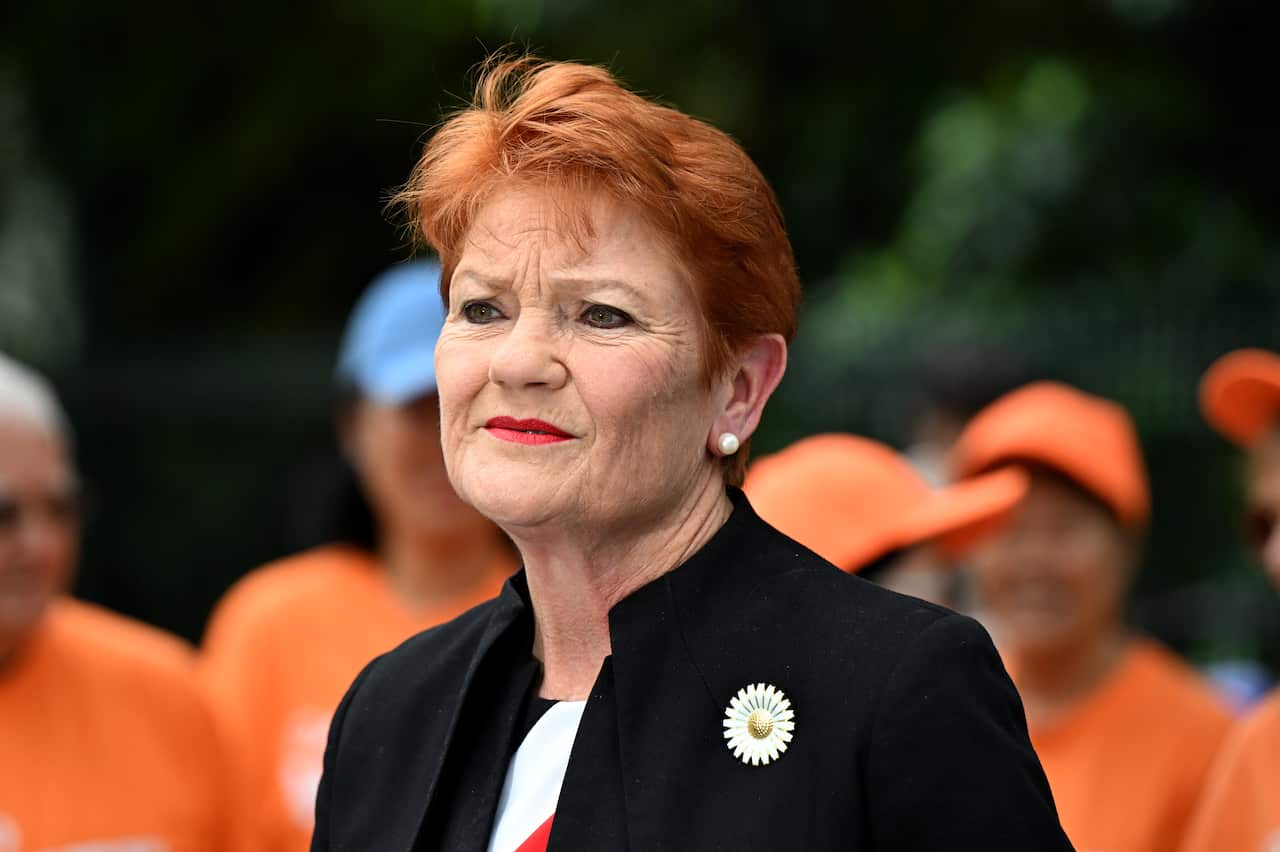
He pointed to the rise of One Nation, with the latest Newspoll seeing the right-wing party leap to 22 per cent — ahead of Coalition support at 21 per cent — as evidence that voters may be tempted to vote for alternatives.
"I think we've already started to see some jurisdictions be very sceptical and potentially not very supportive of the proposed laws," he said.
"So, for the government to have an effective political outcome here, it needs to be able to convince these stakeholders that what they are proposing is the right thing to do."
For the latest from SBS News, download our app and subscribe to our newsletter.







