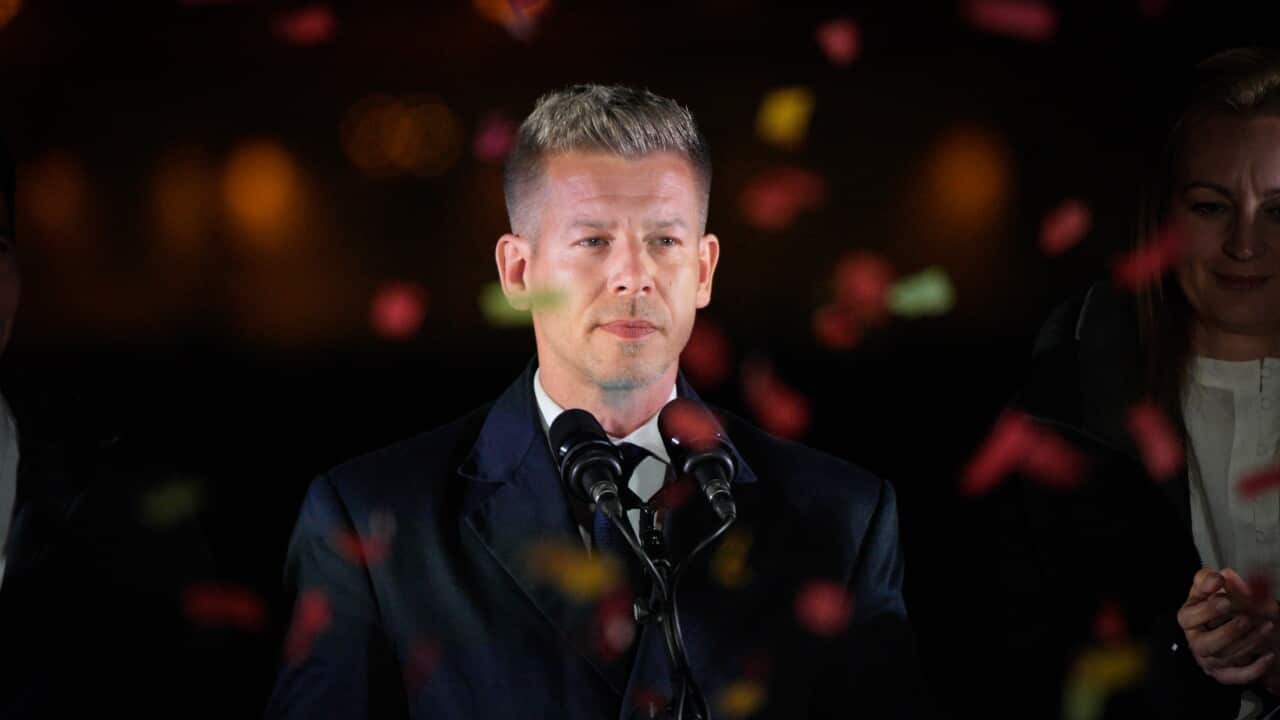
When Péter Magyar was a child, he taped a photo of Viktor Orbán, then an anti-Communist firebrand, on his bedroom wall, thrilled by Hungary's first democratic elections in 1990.
Just a few years ago, Magyar applauded Orbán's speeches from a front-row seat before emerging as the nationalist leader's most serious challenger in his 16 years in power.
On Monday, he ended Orbán's rule as prime minister in an election that brought a record-high turnout, expected to rattle Russia and send shock waves through right-wing circles across the West, including United States President Donald Trump's White House.
Partial results showed Magyar's party Tisza — a portmanteau for respect and freedom — would win 137 seats, or a two-thirds majority, in the 199-seat Hungarian parliament.
News that makes sense
Your trusted source for staying up-to-date with the world around you. Get free daily news updates and analysis, straight to your inbox.
Hungarian by name
Born into a family of prominent conservatives, Magyar, whose family name literally means "Hungarian", was fascinated with politics from an early age.
Only nine years old when communism collapsed, Magyar said he had decorated his walls with photos of leading political figures in his Budapest family home.
Orbán, at the time still a young lawyer, had become a hero of Hungary's pro-democracy movement when he publicly demanded in 1989 that Soviet troops leave the country.
"There was a surge of energy around the regime change that swept me up as a child," Magyar told the Fokuszcsoport podcast last year.
During his university years, he befriended Gergely Gulyas — Orbán's now-outgoing chief of staff — and met Judit Varga, whom he married in 2006 and who later became justice minister under Orbán.
After a stint in Brussels, where Magyar served as a diplomat dealing with EU matters, the family moved back to Hungary in 2018.
Magyar then headed the state's student loan provider and sat on the board of multiple other state companies.
Largely unknown to the public, Magyar shot to prominence when a scandal over the pardoning of a convicted child abuser's accomplice shook the government in early 2024, leading to the resignation of the president, as well as Varga's retirement from politics.
Although Magyar brushed off a question about his political aspirations back then as a "bad (idea), even as a joke", weeks later he organised his first rally, attracting tens of thousands.
Magyar quickly became seen as "courageous, action-orientated and willing to take personal risks," Veronika Kovesdi, media expert at Budapest-based ELTE university, told Agence France-Presse.
His social media messaging "emotionally resonated" with his followers, granting him an "unparalleled organic reach", said Kovesdi, adding many supporters see him as a "hero, tirelessly fighting for them".
The former insider took over the previously unknown Tisza so he could legally run in the 2024 European elections, leading it to second place behind the ruling coalition.
As his popularity has skyrocketed, Magyar has faced a "tsunami of hatred and lies" as he put it, ridiculing some claims and denying others, including domestic abuse accusations from Varga.
These attacks "helped further legitimise him as a leader who is truly capable of bringing about change" according to Kovesdi.
Occasionally, Magyar has had heated arguments with the media, lambasting outlets for "misplacing" their focus. People who know Magyar personally say he is a perfectionist with a short temper but who will apologise for his shortcomings.
Asked in December how he had changed since entering politics, Magyar alluded to media reports describing him as short-tempered, saying, "Now I count to 10."
Magyar as leader
Orbán's defeat has significant implications not only for Hungary but for Europe and its populist far right.
Orbán had sought to create what he called an "illiberal democracy" since 2010, curbing media freedoms and NGO activities, and weakening the independence of the judiciary.
He forged solid relations with Russian President Vladimir Putin and also with Trump, but clashed repeatedly with the EU, which suspended billions of euros in funding due to concerns over Hungary's democratic standards.
By contrast, Magyar has pledged to rebuild Hungary's western orientation and end its dependence on Russian energy by 2035 while striving for "pragmatic relations" with Russia.
He has also promised to unlock the frozen EU funds, which would help revive Hungary's stagnant economy.
A skilful communicator — on social media but also on the campaign trail — the 45-year-old conservative has promised change, vowing to dismantle "brick by brick" Orbán's whole political system — one he had deep ties to until very recently.
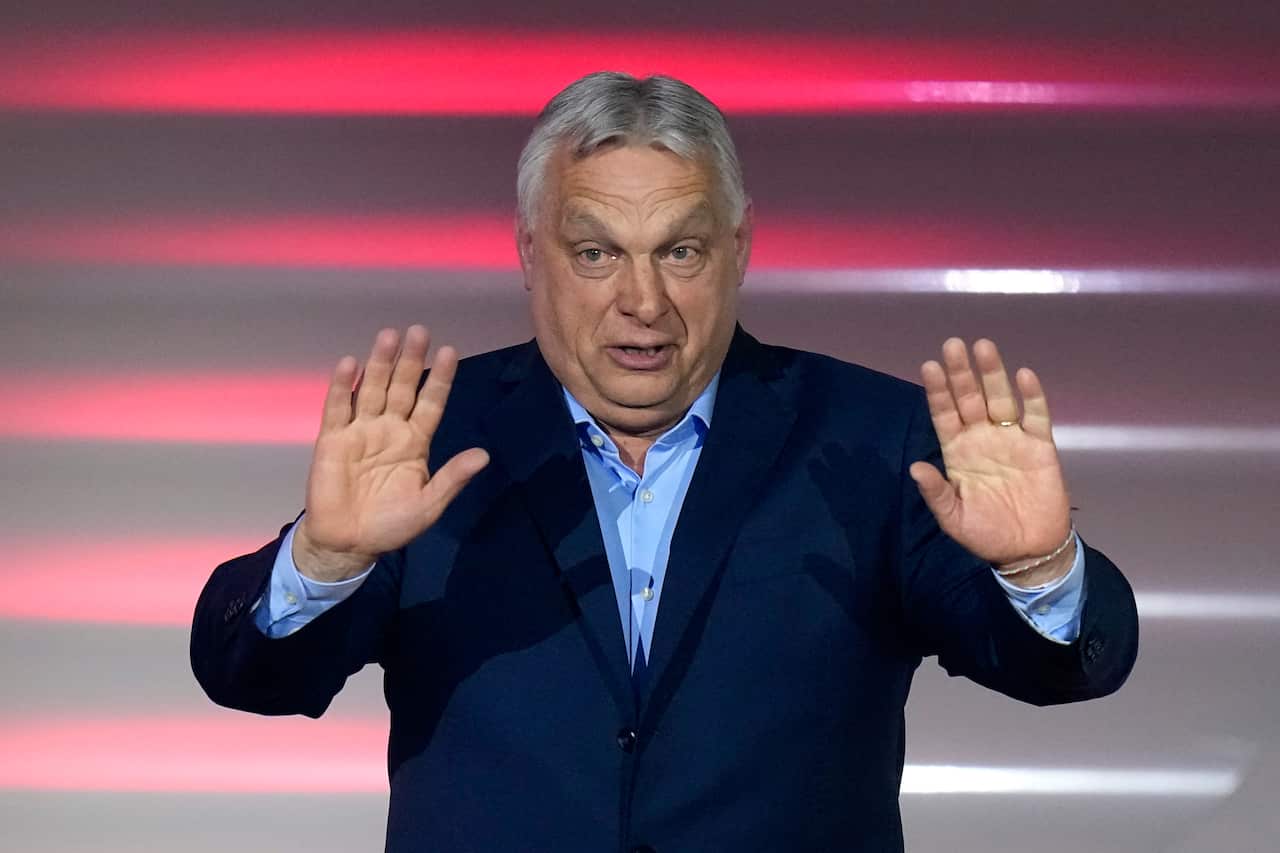
"On the first day we need to pass anti-corruption measures and we need to submit our application to join the European Prosecutor's Office," Magyar said on Sunday morning after casting his vote.
But he has trodden carefully during the election campaign, keen not to scare away more conservative voters.
Magyar's policies
On foreign policy, he has vowed to make the country a reliable NATO ally and EU member, while being critical of Russia, with which Orbán sought close ties despite its invasion of Ukraine.
Like Orbán, however, Magyar also rejects sending arms to Ukraine and opposes the country's quick EU integration, though he does not share Orbán's hostile rhetoric towards Ukraine. Analysts say tensions between Hungary and the EU — further aggravated by Orbán's veto of a 90 billion euro ($149 billion) aid package for Kyiv — could ease under Tisza.
He has even stricter anti-immigration views than Orbán, pledging to end the government's guest worker program.
Magyar's stance on LGBTQ rights is vague, but he emphasises he backs equality before the law.
Magyar drew from Orbán's playbook in this election, waging a grassroots campaign that took him into Fidesz's rural heartlands.
His rallies always featured lots of national flags, in an Orbán-style appeal to Hungarian voters' patriotism.
His consistent and clear messages, and skilful use of social media have all contributed to his rapid rise, said Gabor Toka, senior research fellow at the Vera and Donald Blinken Open Society Archives.
"Many people are also reassured by the story of someone who has irrevocably come into conflict with the system, and has no way back," he said, referring to Magyar's break with Orbán.
"As he was socialised in Fidesz, there are also doubts whether he can provide a genuine rupture with Orbán's rule," said Andrzej Sadecki, lead analyst at the Warsaw-based Centre for Eastern Studies (OSW).
"Left-wing voters might not be fully happy with his agenda, but they still support him, because he represents the biggest chance for change," he added.
— With additional reporting by Agence-France Presse.
For the latest from SBS News, download our app and subscribe to our newsletter.







