
5 min read
This article is more than 8 years old
Explainer
Why is Australia getting involved in the UK-Russia spy fallout?
Australia has joined the UK, the US and more than 20 other countries in expelling Russian diplomats to punish Moscow over the poisoning of a former Russian spy in Britain earlier this month.
Russia still denies it was involved in the incident where a former Russian double agent and his daughter were allegedly poisoned with a nerve agent.
But the coordinated response has proved a victory for British diplomacy and added significant weight to its punishment of Russia.
With more than 100 Russian diplomats expelled across all the countries involved (including a surprising 60 from the US), UK Prime Minister Theresa May was able to say it was “the largest collective expulsion of Russian intelligence officers in history”.
Why is Australia getting involved?
The nerve agent poisoning is a big deal, and not just for the Brits. It was, as Prime Minister Malcolm Turnbull said on Tuesday, “the first offensive use of chemical weapons in Europe since World War II”.
Innocent civilians were exposed to a chemical weapon attack, in a country Russia is not at war with. Novichok, the weapon type British investigators say was used, is only owned by the Russians and is banned by an arms control treaty that 192 nations, including the Russians, are part of.
“It is such an egregious act that it will be quite hard to see how this can very easily be set aside,” Professor Mark Edele, an author and Russia historian from the University of Melbourne told SBS News. “[Relations] will get worse before they get better.”
Associate Professor Barbara Keys, an international relations historian from the University of Melbourne, said Australia’s involvement is a signal of its support for upholding western values and international norms amid the challenges posed by authoritarian powers in Moscow and Beijing.
“I think in order to show solidarity, Australia had to do something,” she told SBS News.
“Countries with much larger Russian diplomatic and intelligence presences like Germany and Poland expelled just four people. So our response actually was - relative to those countries - quite significant.”
What is the Australia-Russia relationship like?
“Chilly,” Professor Edele said. Australia’s diplomatic relations with Russia have deteriorated rapidly since 2014, when Russian forces annexed Crimea in the Ukraine, and later in the year Russian-backed separatists in the Eastern Ukraine shot down the MH17 passenger plane killing, among others, 38 Australian passengers.
Australia was very critical of these Russian actions and joined in sanctions over its actions in Ukraine in 2014, which still continue.
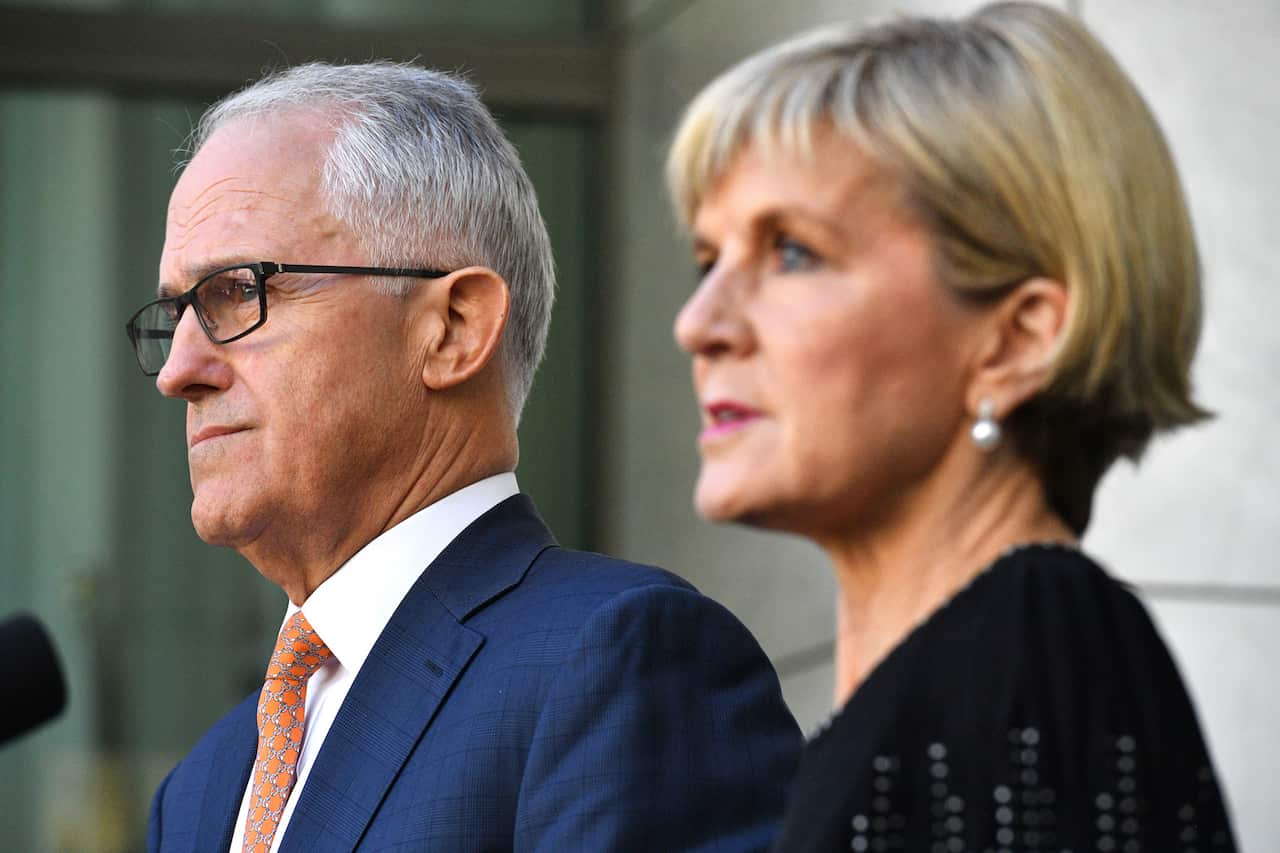
And the Australians are not offering any olive branches. The PM and foreign minister on Tuesday called the attack “part of a pattern of reckless and deliberate conduct by the Russian state that constitutes a growing threat to international security.”
Who are the two diplomats Australia is kicking out?
According to Mr Turnbull and Foreign Minister Julie Bishop, they are “Russian diplomats identified as undeclared intelligence officers”.
That means they are Russians working in Australia as diplomats whom the Australian government believes in fact to be spies.
They have both been given seven days to leave the country, and Ms Bishop said she expected Moscow to expel two Australian diplomats in retaliation.
What does expelling diplomats do?
It sounds merely symbolic, but in the world of diplomacy it is a highly significant move that actually has important and practical consequences.
Expelling more than 100 Russian diplomats is a significant international slap down to Moscow that also affects its intelligence gathering capacity in the relevant countries. The diplomat-spies are people with expertise and language skills who are not simply interchangeable with others, Associate Professor Keys said.
“It’s certainly going to make things more difficult for Russian intelligence operations in the short term,” she said.
The UK could have reacted far more strongly by imposing more sanctions, but apparently held back because it could hurt its own economy.
“Britain has very close economic and financial ties to Russia,” Associate Professor Keys said.
“It’s weighing the price it wants to pay. It does want to react strongly, it doesn’t want this sort of attack happening on its soil but it also doesn't want to pay a very high price [against its own financial interests].”
What will Russia do now?
Moscow is not backing down. The Russian ambassador to Australia, Grigory Logvinov, told SBS News on Tuesday the coordinated action was "deplorable [and] highly disappointing".
"What's going on has nothing to do with international law and civilised, normal international behaviour," he said. "Britain has still not provided any party with any kind of evidence."
Russia is expected to expel diplomats in proportionate numbers in a tit-for-tat retaliation, perhaps further hardening the divide between Russia and the West. But some believe the western response may actually have the desired effect.
“I think Putin would think twice before doing something again that endangers ordinary people around the attack,” Associate Professor Keys said.
Professor Edele said the impact of the coordinated diplomat expulsion on Russia’s international behaviour was “anybody’s guess”.
"Predicting President Putin’s tactics is pretty much impossible,” he said. But "because the general sense [Moscow had] was ‘Europe is divided, the West is divided, there’s a weak president in the White House who doesn't care about Europe or NATO, the Europeans will not do anything about Britain because of Brexit’, I do think that they are a little surprised by the unified response.”







