
Health experts are concerned about the rise of measles in Australia, with 22 cases already reported this year, mirroring a global increase in the spread of the viral disease.
Across Australia, Queensland accounts for eight of those cases, while seven are in NSW, five in Victoria and one each in Western Australia and South Australia, according to Australian Centre for Disease Control (ACDC) data as of 6 February.
Health authorities in Victoria noted in early February that a recent increase in measles cases was linked to overseas travel, warning outbreaks of the highly contagious disease had been reported in popular Australian travel destinations, including Indonesia, Thailand and India.
Indonesia, which became Australia's favourite international travel destination in 2023, had the highest number of cases between June and November 2025, according to the World Health Organization (WHO).
Two experts SBS News spoke to said increased international travel following the end of COVID-19 restrictions was partly behind rising measles infection rates in Australia.
News that makes sense
Your trusted source for staying up-to-date with the world around you. Get free daily news updates and analysis, straight to your inbox.
They also cited vaccine scepticism and an underestimation of how serious and contagious measles can be as factors.
Measles can spread through air conditioning
Infectious disease physician and clinical microbiologist Paul Griffin said some Australians underestimate the danger measles can pose to health.
"About one in 1,000 to one in 10,000 cases will lead to severe complications. And that could be a nasty pneumonia, for example, or could be brain inflammation and swelling that can lead to death or permanent disability," he said.
He also highlighted the extreme contagiousness of the disease.
"It's so infectious that you can be in an exposure site after someone with measles was there, even up to a few hours afterwards, and still get infected.
"It's one of these infections that can travel through air conditioning circuits, and we can see people be infected in other rooms if they're on the same circuit ... So it's spread very easily via the airborne route."
Chair of child and young person's health at the Royal Australian College of General Practitioners Dr Tim Jones agreed, telling SBS News: "It spreads like wildfire. It's orders of magnitude more contagious than COVID was."
Up to nine out of 10 people who don't have immunity will become infected after exposure to an infected person, according to the ACDC.
Vaccine hesitancy and misinformation
The ACDC also advises that two measles vaccinations are 99 per cent effective at preventing measles infection.
However, Australian vaccination rates, particularly among children, have decreased in recent years.
According to recent Department of Health data, around 93 per cent of five-year-olds have had all vaccines recommended for their age, while around 89.5 per cent of two-year-olds are fully vaccinated.
The department warned that, over the last three years, the nation's vaccination rate has dropped below its aspirational target of 95 per cent, which it says is needed to reach the "herd immunity" required to stop the spread of vaccine-preventable diseases such as measles.
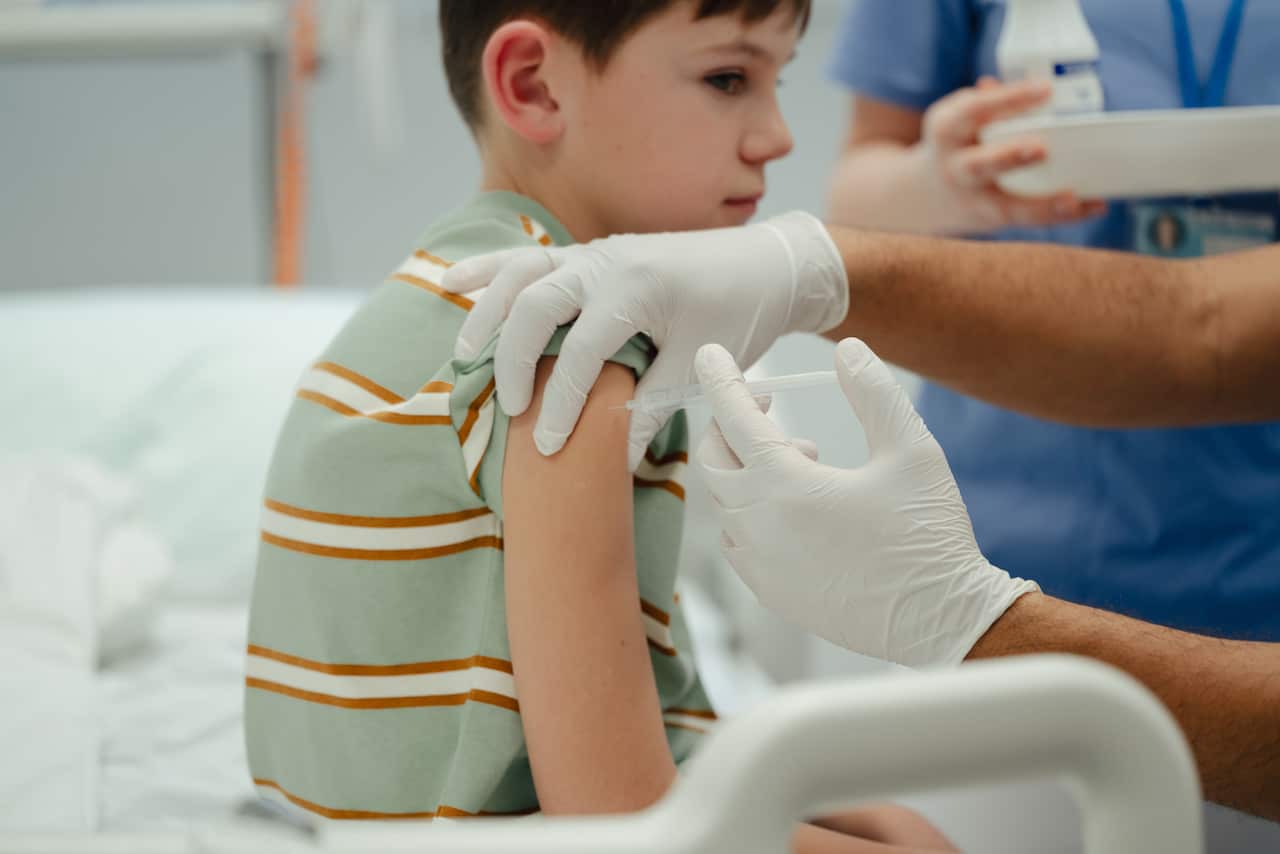
Both experts interviewed by SBS News pointed to vaccine hesitation as driving the increased spread of measles, with Griffin saying it was "getting harder to convince people to make the right decision and get the vaccine".
Jones said years of COVID-19 restrictions and mandates had induced a hesitation about vaccination in some Australians.
"Families are just burnt out after COVID. They were tired of the constantly changing advice that was given on vaccination. So they're sceptical about whether the [measles] vaccination truly is as important as we say it is."
Jones said that, in his experience as a doctor, sitting down with families and discussing the risks associated with the disease changed most people's minds.
"What I find I need to do as a clinician for those families is to put what was happening in COVID in context — that things were changing very, very quickly — versus something like measles, where it's a disease that's been around for a very long time."
"We know it very well, and the vaccinations that we've been using have also been around for a long time, and we know what they are," he said.
Major outbreak to elimination to a tripling of cases
In 1994, Australia faced a major measles outbreak with 4,794 confirmed cases. It was that year that the two-dose vaccination schedule was introduced for children aged between 10 and 16 years old.
At first, vaccination rates were low, but by 2000 they were sufficient to reduce the circulation of the virus, according to the Communicable Diseases Network Australia.
The two-dose vaccine offers 99 per cent protection against illness and serious complications, according to the ACDC
Measles often comes with flu-like symptoms — such as a fever and runny nose — but it's important to also look out for a rash, cough and conjunctivitis, which are tell-tale signs of measles.
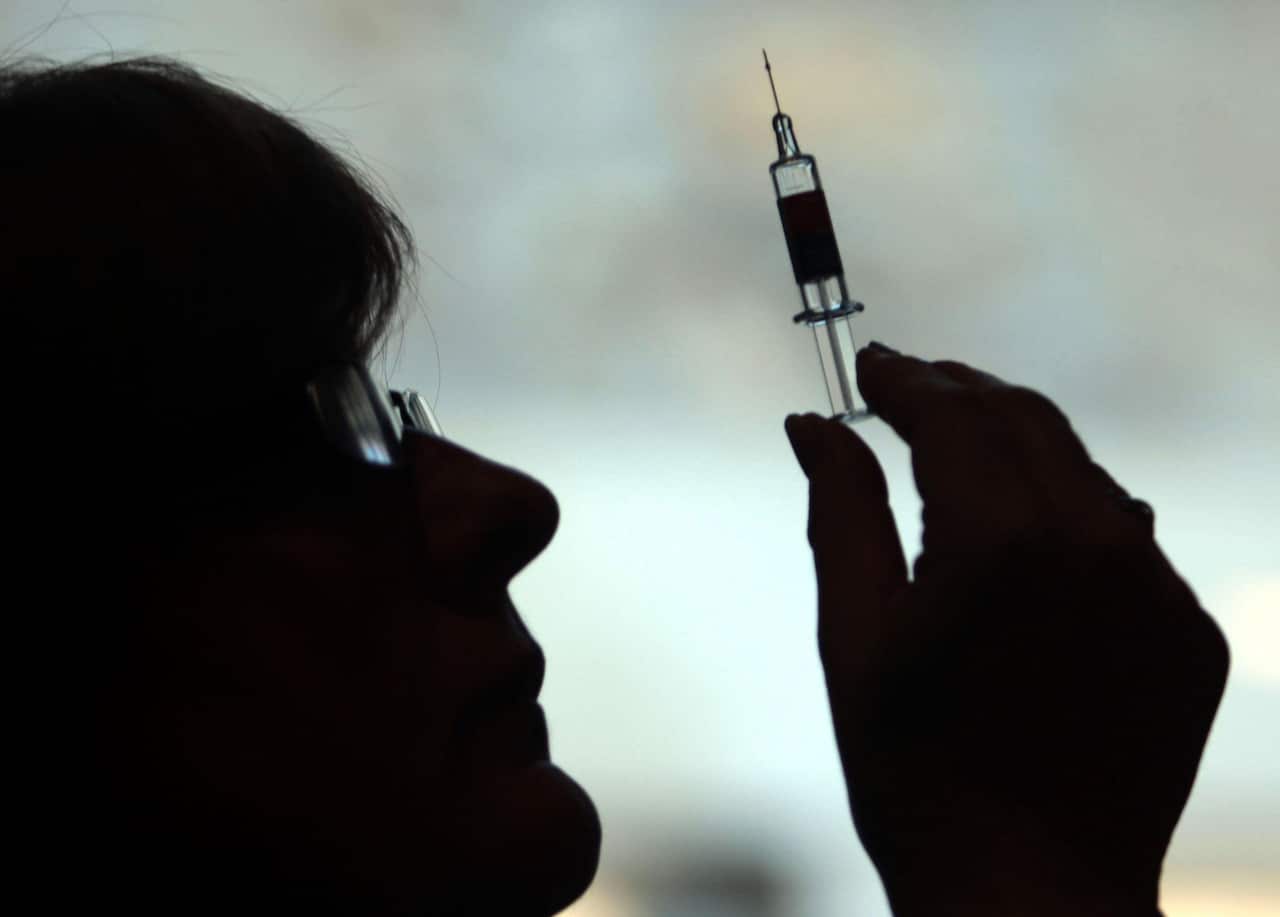
Since 1994, most Australians have received their vaccination as part of the National Immunisation Program.
In 2014, measles was declared eliminated in Australia by WHO due to the endemic measle strain not circulating for several years — thanks to the effectiveness of the vaccine.
However, cases continue to occur in Australia, mostly in those who have travelled overseas.
"What we need to recognise is that what's kept those numbers down is consistently keeping the measles vaccination rate in Australia over 95 per cent of our population. And that's a number that's been steadily slipping over the last few years," Jones said.
"We've seen a tripling of measles cases in Australia over the last year ... I do think there needs to be some, at least a mild degree of, concern about what's going on."
For the latest from SBS News, download our app and subscribe to our newsletter.







