
Last summer, Paris Brooke watched in horror as a bushfire blazed through the national park across the lake from her township of Mallacoota in north-east Victoria.
The town wasn't directly at risk, but she knew what the impact would be.
"The camp park emptied out overnight, leaving businesses that depend on summer tourism stuck with unused supplies and staff, but no more tourists," Brooke tells SBS News.
The exodus was reminiscent of the summer of 2019-20, when Australia's Black Summer bushfires swept through and devastated the beachside town.
Mallacoota was among the hardest-hit areas. Apocalyptic-looking scenes of residents and holidaymakers sheltering in boats off the coast, under a red sky thick with smoke, were broadcast around the world.
News that makes sense
Your trusted source for staying up-to-date with the world around you. Get free daily news updates and analysis, straight to your inbox.
While Brooke hasn't necessarily seen a slowdown in holidaymakers to the town since, she believes stays are shortening and worries the increased likelihood of extreme weather will hit summer trade long-term.
It's why she set up the Wilderness Collective, a community not-for-profit aimed at helping locals build new skills and businesses to reduce reliance on summer tourism.
"People are much more aware of natural disasters such as bushfires or droughts," she says.
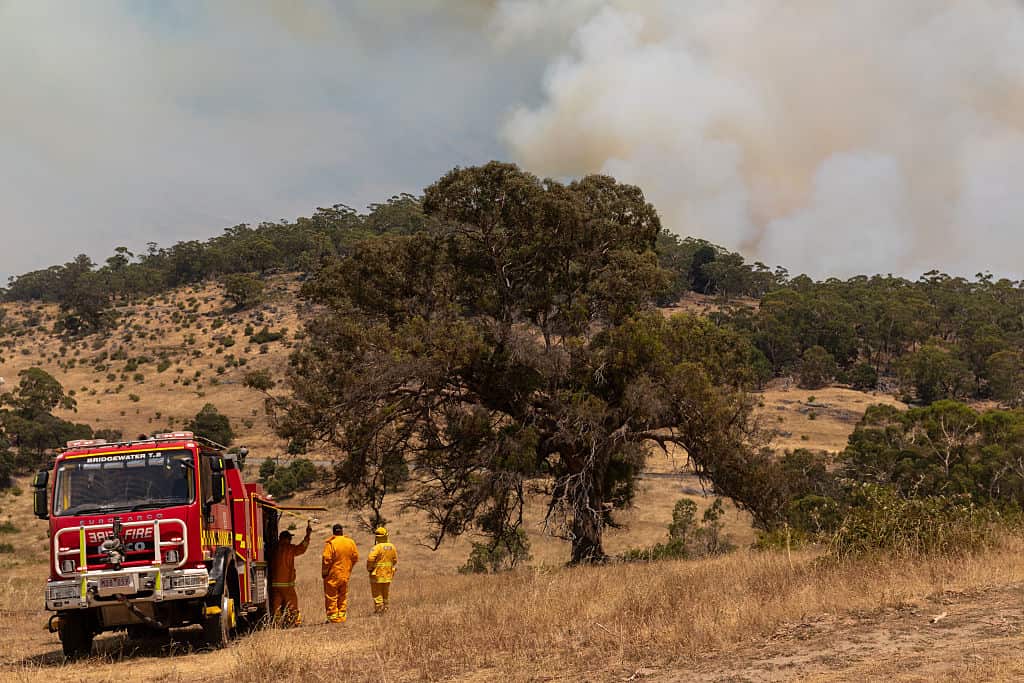
On the same day last summer, climate scientist Linden Ashcroft was on the beach in Mallacoota. She recalls her kids playing in the water as embers and burnt leaves fell around them.
"It was pretty heartbreaking and terrifying. Everyone was really creeped out, and the town was covered in smoke," she says.
It left her with a lasting sense of cognitive dissonance — this is not how summer is supposed to feel.
That feeling is now rippling around the country, reaching far beyond places like Mallacoota that are historically prone to bushfires.
"Black Summer 2019–2020 was a real step change; it made people face the reality that summer can't just be carefree anymore," Ashcroft says.
You could call it the end of summer as we know it — or an evolution.
Climate Council director and academic Lesley Hughes says the changing climate is reshaping Australians' notion of summer: instead of looking forward to it, people increasingly feel apprehensive.
"They dread the heatwaves, the bushfires, not being able to do the things they used to. Climate change is stealing the part of the year Australians looked forward to most."
With higher temperatures and more extreme weather events becoming a fixture of the holiday season in parts of the country, could this signal the end of 'great Aussie summer'?
How our summers are changing
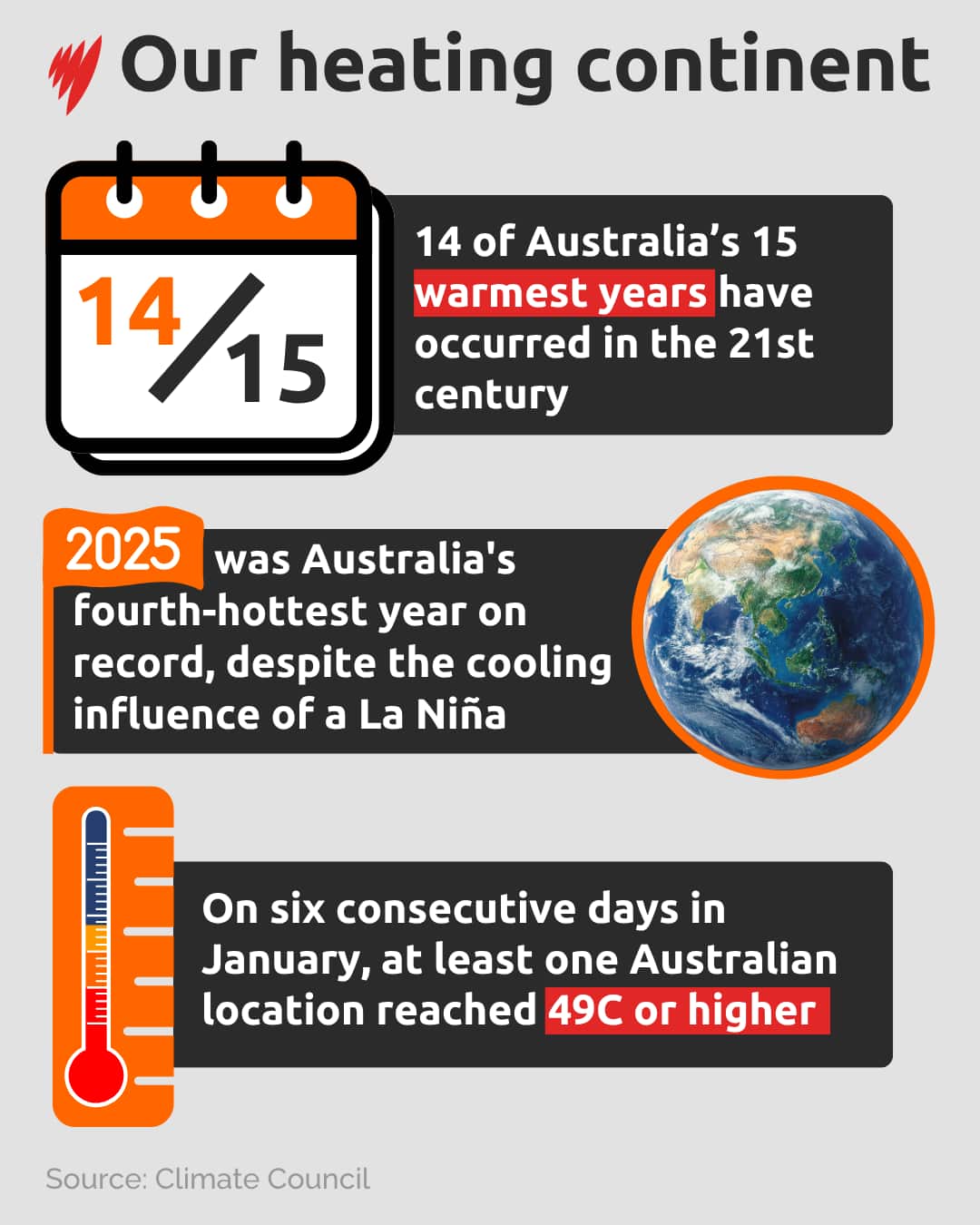
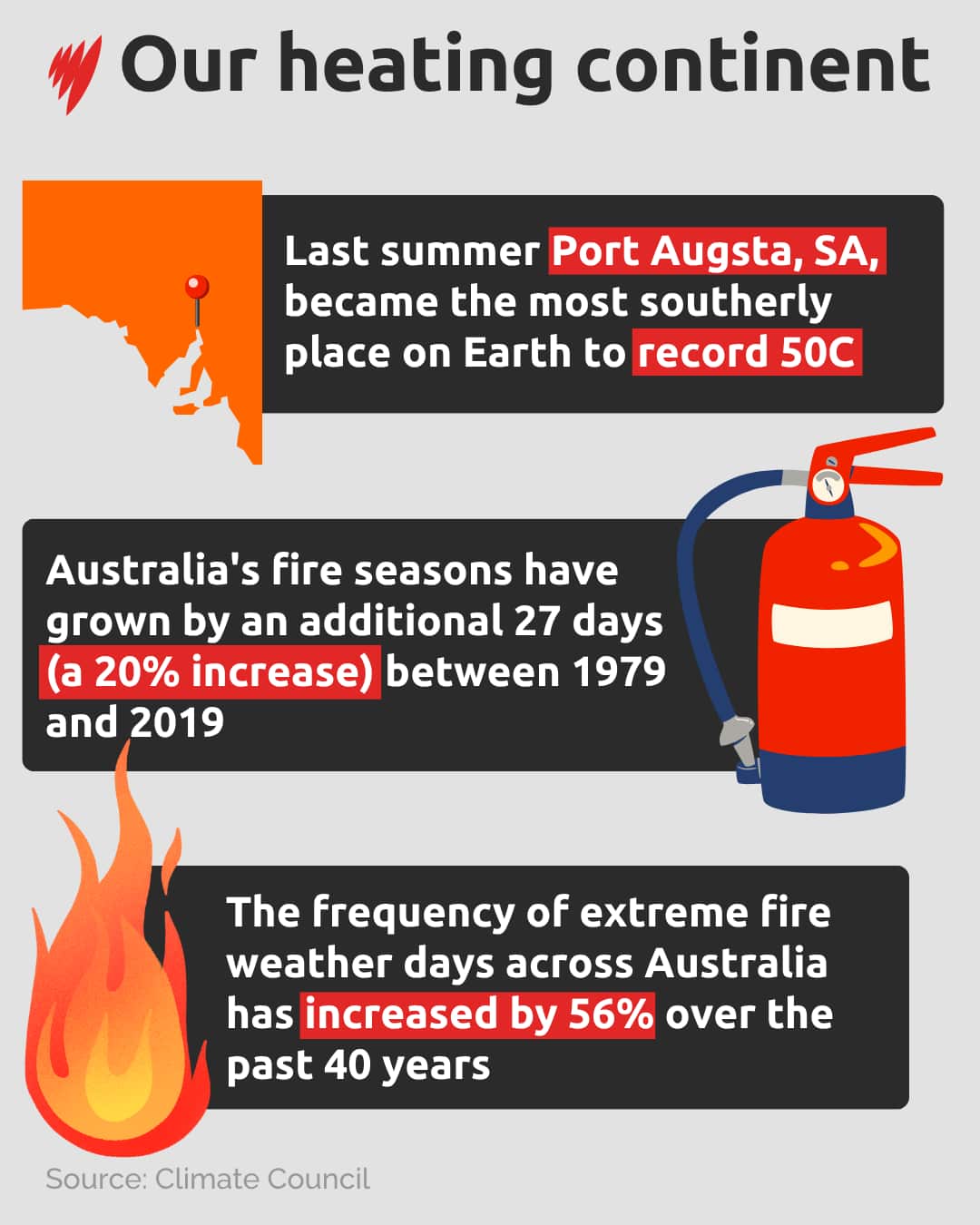
Australia is now 1.5C warmer on average than it was a century ago, according to the National Climate Risk Assessment. It's driving more extreme heatwaves and dangerous fire weather.
Monash climate scientist Andrew Watkins, former head of the Bureau of Meteorology's long-range forecast team, says the expected shifts will likely be dramatic.
"Heatwaves will cover larger areas, happen more frequently and grow more intense, with longer fire seasons stretching into autumn and spring. Rainfall will be less frequent but more intense, raising flash flood risk. Tropical cyclones may become less frequent but more severe," he tells SBS News.
Rising humidity is also driving up "wet-bulb temperature" — a combined heat-and-humidity measure that determines how well sweat can cool the body. Watkins says high readings — when sweat stops evaporating because the humidity is too high — put children and the elderly at particular risk.
"The temperature might only be 35, but if the wet-bulb is up to 25, you're going to put your body under a huge amount of stress."
Looking ahead to this summer, the Bureau of Meteorology has forecast a strong El Niño — generally meaning hotter, drier conditions — which it expects will mainly affect parts of Australia's east and south-east, raising the risk of drought and bushfires.
As extreme heat becomes more commonplace in Australia, other countries face similar conditions. Los Angeles was hit by raging wildfires last January, and Europe endured one of its worst summers on record for fire and heat this year.
It's a trend that is unlikely to shift without major and rapid structural changes, shifting global energy use to renewables and divesting from fossil fuels to limit further global warming.
New data published this week by the UN Environment Programme showed the world has lost the fight to limit warming to 1.5C. Even the most optimistic projections now point to warming of at least 1.8C — locking in more extreme weather, ecosystem loss and sea-level rise.
Reorganising the year
As projections worsen, experts are turning their attention to health risks.
Hughes at the Climate Council says the impacts of excess heat on the body can creep up slowly, and are especially dangerous for the elderly, the young, and those with heart or respiratory conditions.
She suggests more public awareness of the risks associated with heat stress is needed, but she's also calling for something more radical: reframing the calendar year to keep more of us inside during the country's hottest months.
Maybe a lot of summer would be better spent indoors, in air-conditioning, working, and leisure time moved to spring and autumn.
"Maybe our biggest school holidays shouldn't be in January," she says, adding "that would be an enormous social change for Australia".
Not everyone can escape the heat during their workday either. Professions such as tradies, farmhands, park rangers, delivery riders and some hospitality and event workers, for example, have no choice but to endure it.
A Spanish study published in 2023 offers another perspective, instead proposing to shift the country's national holidays to align with its hottest weeks to boost productivity and reduce industrial electricity consumption. Researchers found moving Spain's traditional holiday period from August to late July — the point of peak heat damage — would cut heat-driven electricity demand by 3 per cent, lost work hours by 25 per cent, and ozone pollution by 4 per cent.
Whether holidaying or working over summer, the general advice is to find ways to stay cool, and limit outdoor time to early mornings or evenings.
Although now, some Australians are reconsidering how they spend the season altogether.
The rise of the 'coolcation'
Research suggests people are already adapting to climate change without realising it, as evidenced by the rise in 'coolcations' — holidays to cool-climate destinations.
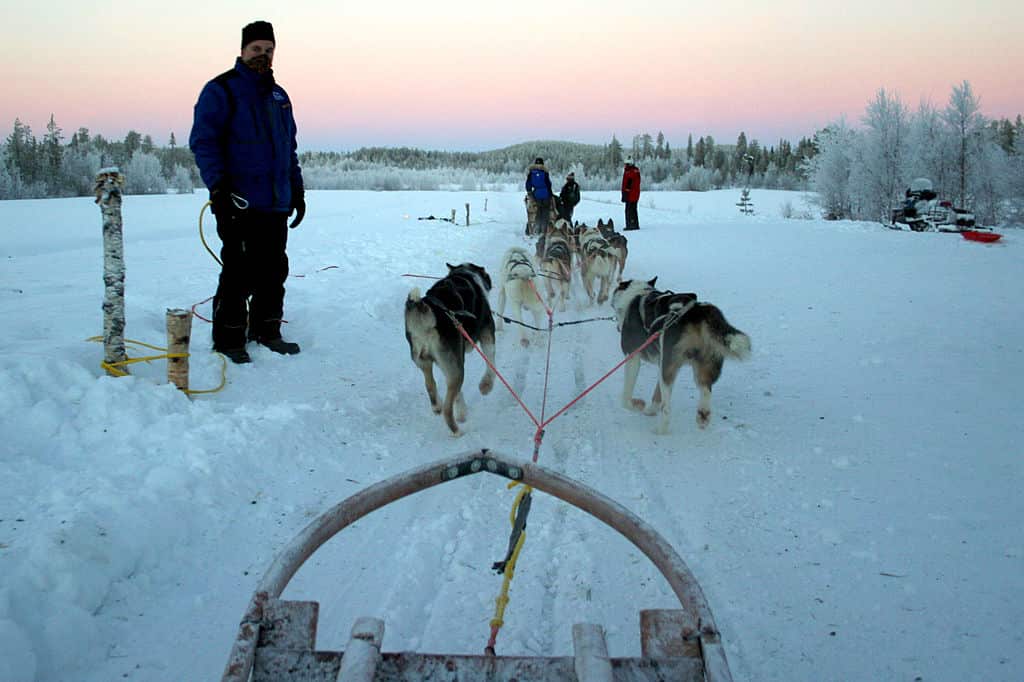
For Australians, this might include escapes to parts of northern Europe instead of southern Europe; visiting the tropics in winter instead of summer; venturing south to New Zealand or Tasmania for a mid-summer break; or snowy escapes to the Arctic, Antarctica or Alpine villages.
Trip.com data shows a 74 per cent year-on-year jump in searches for cooler destinations since the start of 2026, spiking 237 per cent across the June–August northern hemisphere summer. Searches for flights to Iceland rose 85 per cent, as travellers favoured northern Europe over traditionally popular Mediterranean spots. In Asia, cooler destinations such as Inner Mongolia, Yunnan in China and Sapporo in Japan saw similar gains.
Holidaygoers are also increasingly considering extreme weather events when making travel plans. Booking.com's 2026 Travel & Sustainability Report found 74 per cent of travellers now factor extreme weather into where and when they travel, and 31 per cent have cancelled a trip because of it.
In Australia, the Climate Council found 61 per cent of people are concerned about extreme weather disrupting summer holidays and are adapting — shifting from inland bush locations to the coast or travelling in cooler months.
Climate scientist Watkins is a coolcationer and spends his summers camping in Victoria's cooler high country.
"[It's about] beach holidays in spring, camping in autumn, taking more advantage of Easter. Getting up into cooler places over summer is a joy."
Travelling in cooler months isn't just about comfort, of course; it often also means fewer crowds and protecting destinations from over-tourism in mid-summer.
If you're holidaying in summer
However, travelling to far-flung places to access cooler weather may not be viable for some people. Distance and cost can be prohibitive, even for domestic travel.
Simply avoiding regional or bushfire-prone areas isn't necessarily a silver bullet either.
Ashcroft warns that heat risk in major cities can be just as dangerous.
"Urban areas get hotter due to the heat-island effect, so vulnerable people may not be better off in cities."
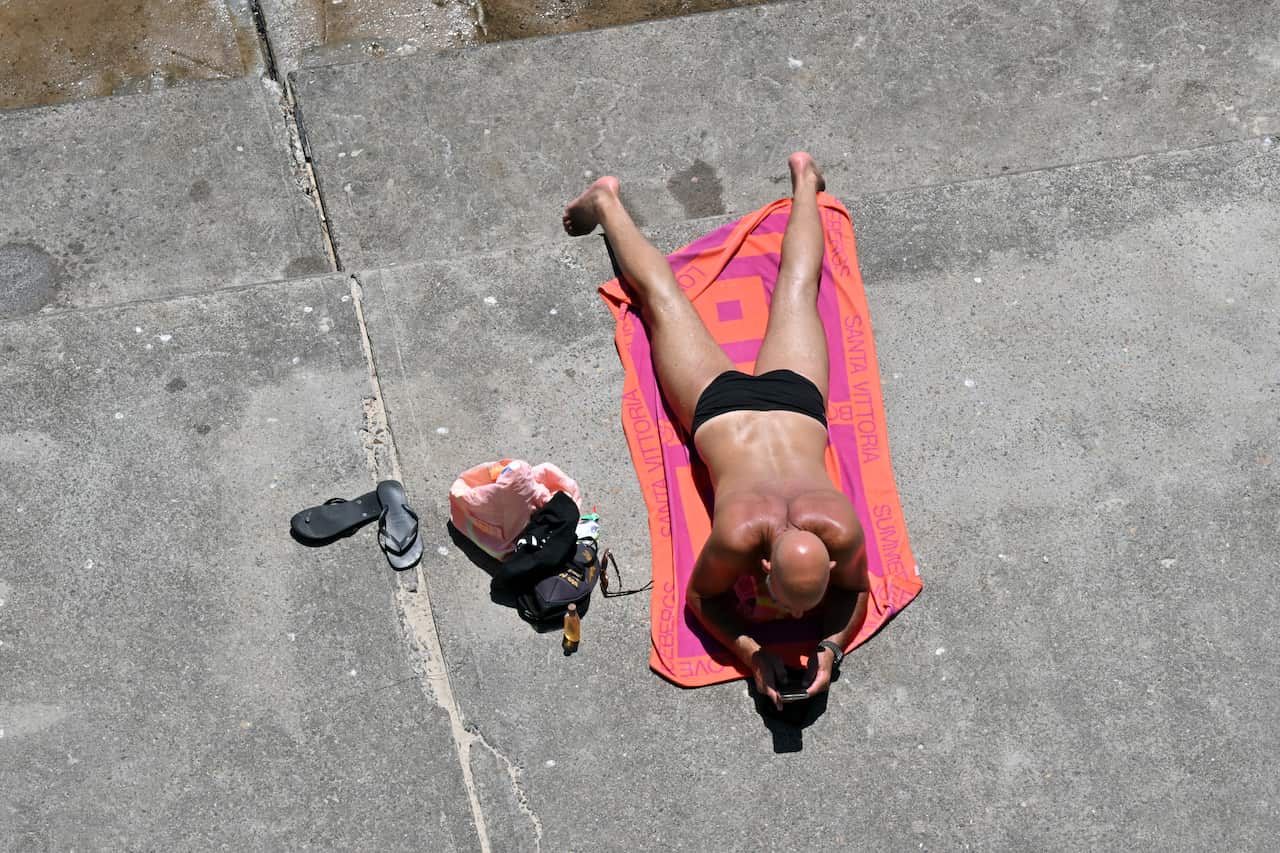
No matter where you spend the summer months, the advice is familiar by now: watch the forecasts, have a fire or heat plan, know when to leave early if conditions turn catastrophic, and avoid driving through floodwaters or bushfire smoke, which can be as thick as fog. Sometimes that means a detour, or staying put overnight until the danger passes.
Ashcroft thinks the language around summer should change altogether to help people prepare and understand the risks.
"Seasons are baked into how we talk about our year, but they're changing, so the way we talk about them has to change too. The Bureau's new term 'severe weather season' is more honest," she says.
"Being real helps us plan and prepare."
Rethinking summer sport
As our summers become more brutal, outdoor events such as music festivals and sport events may also become more challenging.
Ashcroft questions whether it still makes sense to push elite athletes to compete in extreme heat, conditions that are "not healthy and not safe".
Joanne Bowen is CEO of Cricket for Climate, a player-led movement that aims to build resilience for community clubs and the game. She calls cricket "the canary in the coal mine" for how climate change is disrupting outdoor activities.
Grassroots clubs are already cancelling junior games on hot days, with many lacking the infrastructure and budgets to adequately light night matches.
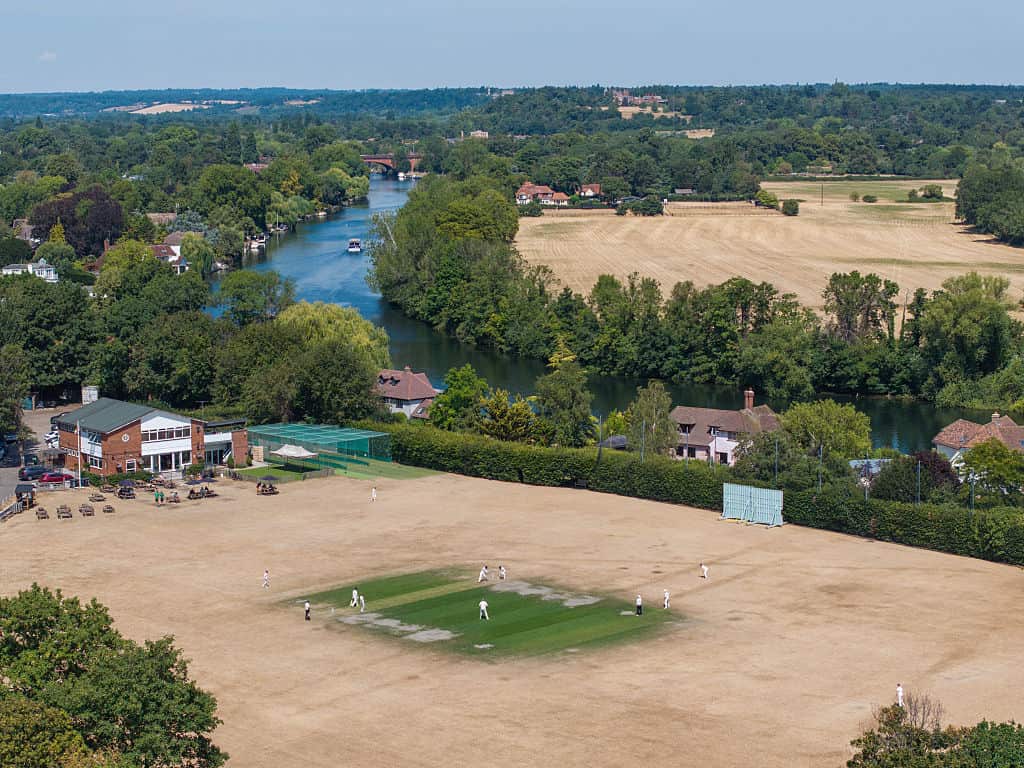
At the elite level, players have also struggled to perform in the heat, adds Bowen.
"But it's not just about the players; fans in concrete stadiums are exposed as well."
Increasing rainfall during summer is a growing problem too, she adds.
"If there's rain, you simply can't play, and there are commercial consequences for partners and fans."
She expects more games to move to nighttime and says shifting the cricket season to winter or spring is possible, though it would clash with other codes.
Another staple of Australian summer is the Australian Open.
Tennis Australia declined to discuss the long-term viability of tennis as a summer sport or moving the Australian Open from its midsummer slot, but a spokesperson said in a statement the organisation "continues to introduce strategies to protect the safety of players in hot conditions".
These include shading, misting fans, science-based heat guidelines with real-time monitoring, and heat acclimatisation education for players arriving from overseas.
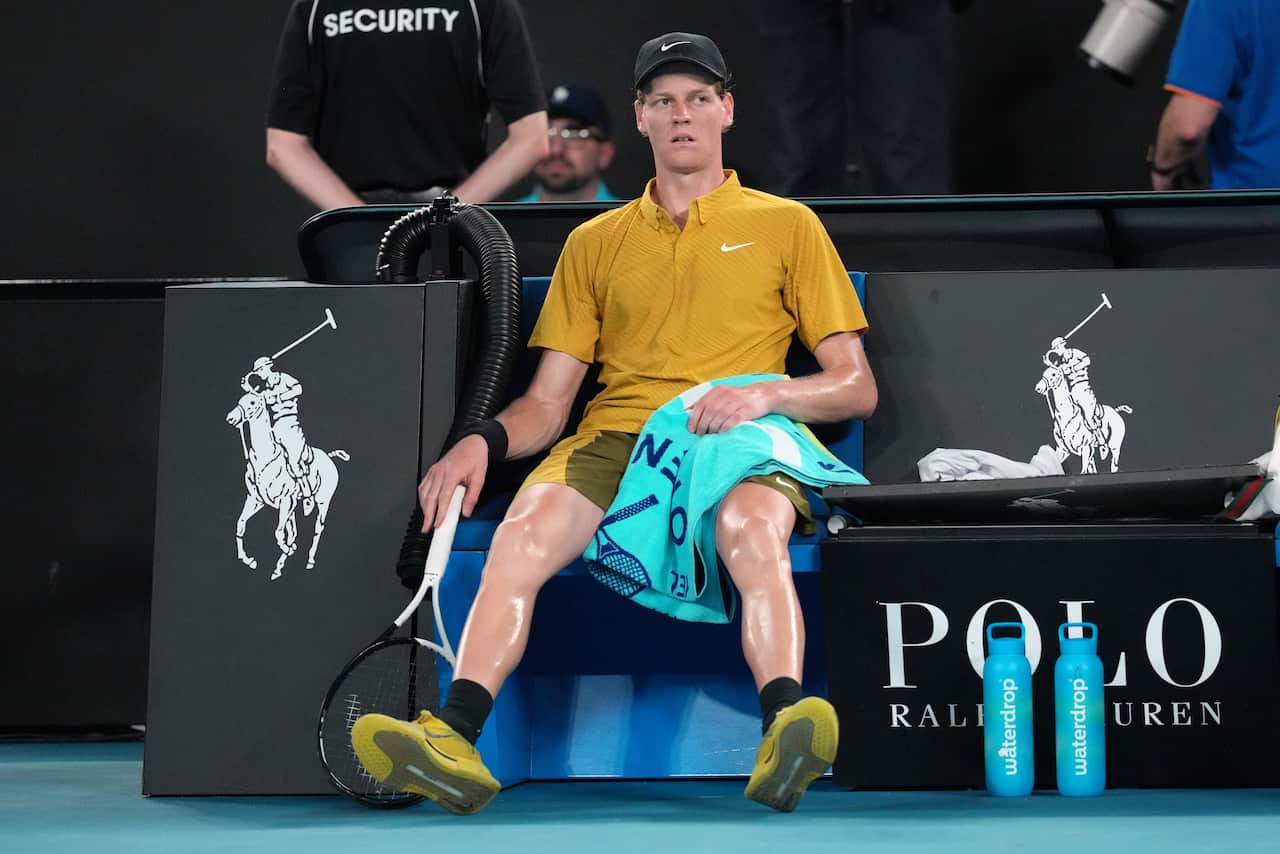
The organisation's response to heat also appears to be shifting. Back in 2014, tournament director Craig Tiley defended playing through 40C conditions, saying "we are, at the end of the day, an outdoor event", even as players required medical attention.
By contrast, this year organisers suspended play after defending champion Jannik Sinner cramped mid-match under 40C conditions, with play resuming under a closed roof.
Planning for future summers
Beyond the challenge of adjusting our summer holiday plans to increasingly extreme weather, a deeper issue persists: how to curb climate change.
The best way to protect Australian summers, experts say, is to stop burning fossil fuels.
"We have to address the root cause of the problem, and Australia has a big responsibility to do that," says the Climate Council's Hughes.
Experts say adaptation can't wait: retrofitting homes with renewable energy, better resourcing emergency services and warning systems, investing in coastal protection, and upgrading infrastructure — from power grids to more public cooling and green spaces — all matter now more than ever.
Climate scientist Watkins wants to see more rigorous climate risk assessments underpin a genuine national adaptation plan, backed by coordination across all levels of government.
"The most important thing is coordinated efforts — talking with communities, business sectors, and the public to find out locally what adaptation is possible," he says.
I think we'll still have fun [in summer]. We'll just need to do things a little differently.
Back in Mallacoota, Brooke’s Wilderness Collective is helping locals to build off-season opportunities.
"We're working hard to broaden the economy, so visitors come throughout the year. Winter is actually the best time to visit; it's less crowded and the weather's beautiful," she says.
"We're starting to see visitors spread across the year, which is great, but we need more of it."
Even as Australians adapt to the new realities of summer, a trade-off is occurring.
For Watkins, adapting also means facing loss.
"There's a kind of grief that doesn't get talked about enough — grief for a place," he says.
"Many of us return to the same spots every summer, hoping our kids will see them the way we first did. But those places are changing. The National Climate Risk Assessment confirms it: huge numbers of plant and animal species are already shifting, with more change ahead.
"That sense of loss is real, and it deserves to be taken seriously."
For the latest from SBS News, download our app and subscribe to our newsletter.







