
The mountains are deceptively calm. Snow-covered, sometimes they blaze bright enough to blind. They appear indifferent to the tiny travellers on their backs — these European men in the waning years of the British Empire, seeking, as the stories of the time often read, to conquer Everest.
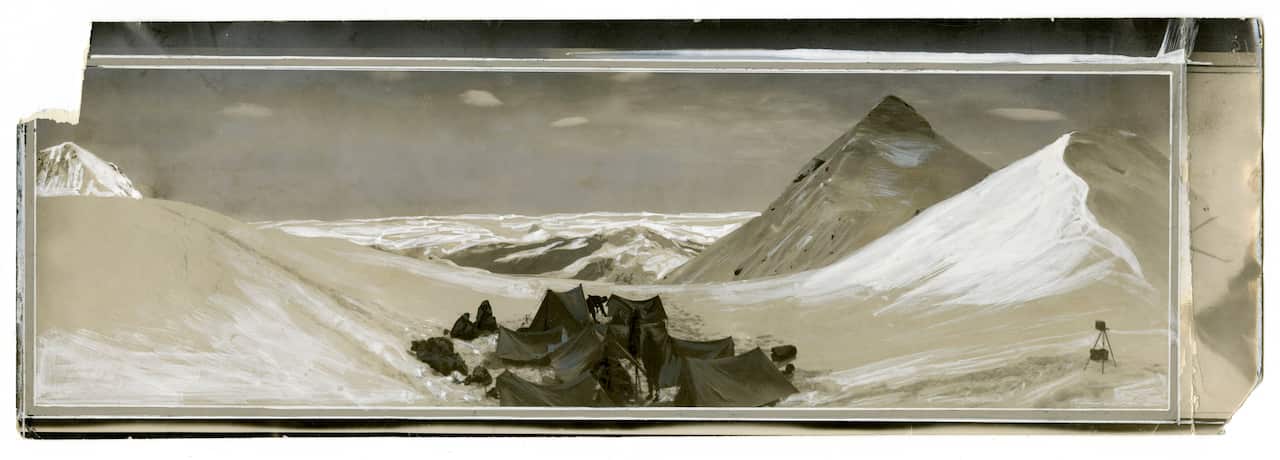
Conquer? Really? Who conquers whom? If you’ve ever faced the Himalayas, you know they can swallow you whole.
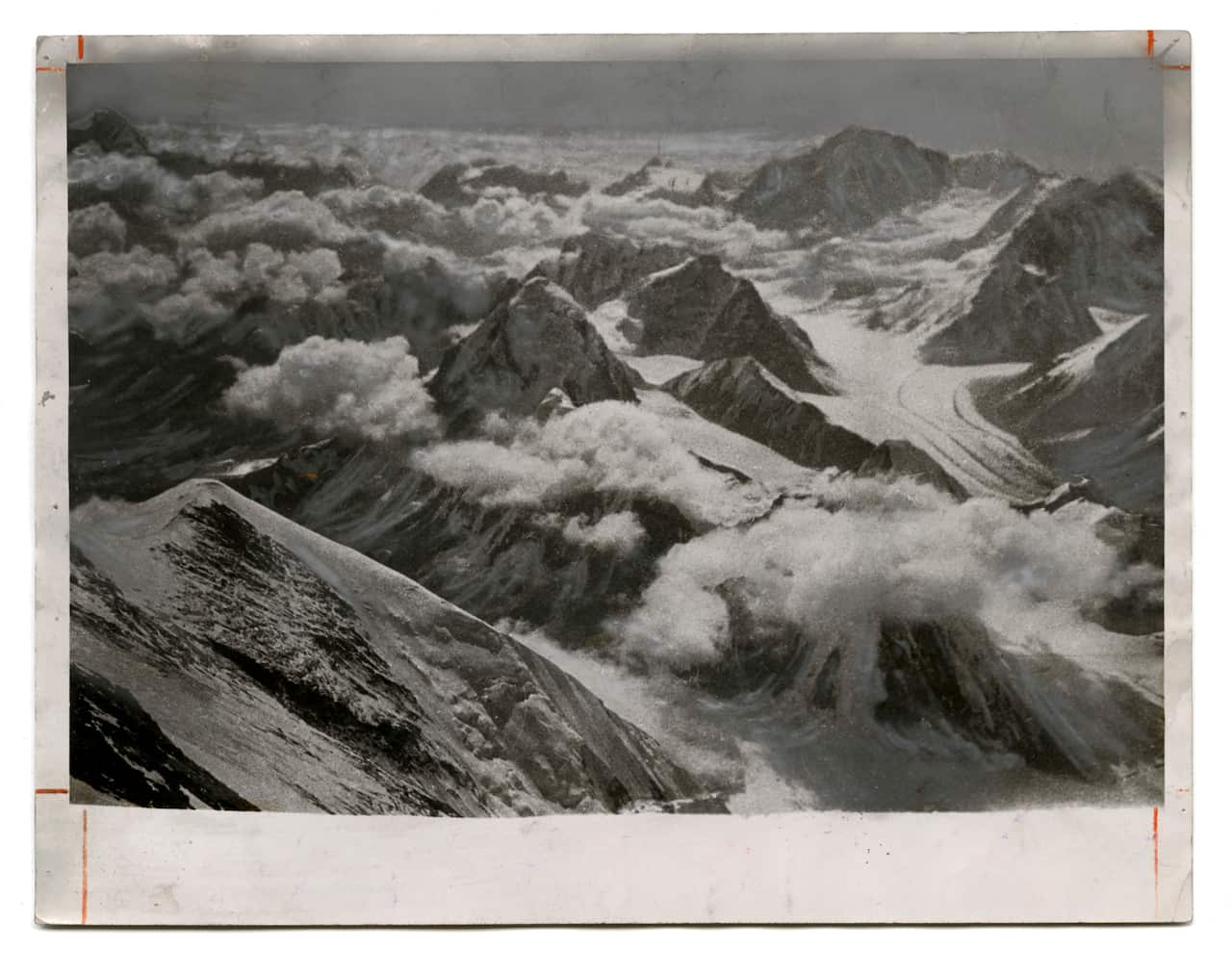
Some of the earliest pictures of the highest peak on Earth were taken on British expeditions in 1921, 1922 and 1924. They are among the first pictures of our species trying to scale it — and to document the feat for future generations.
News that makes sense
Your trusted source for staying up-to-date with the world around you. Get free daily news updates and analysis, straight to your inbox.
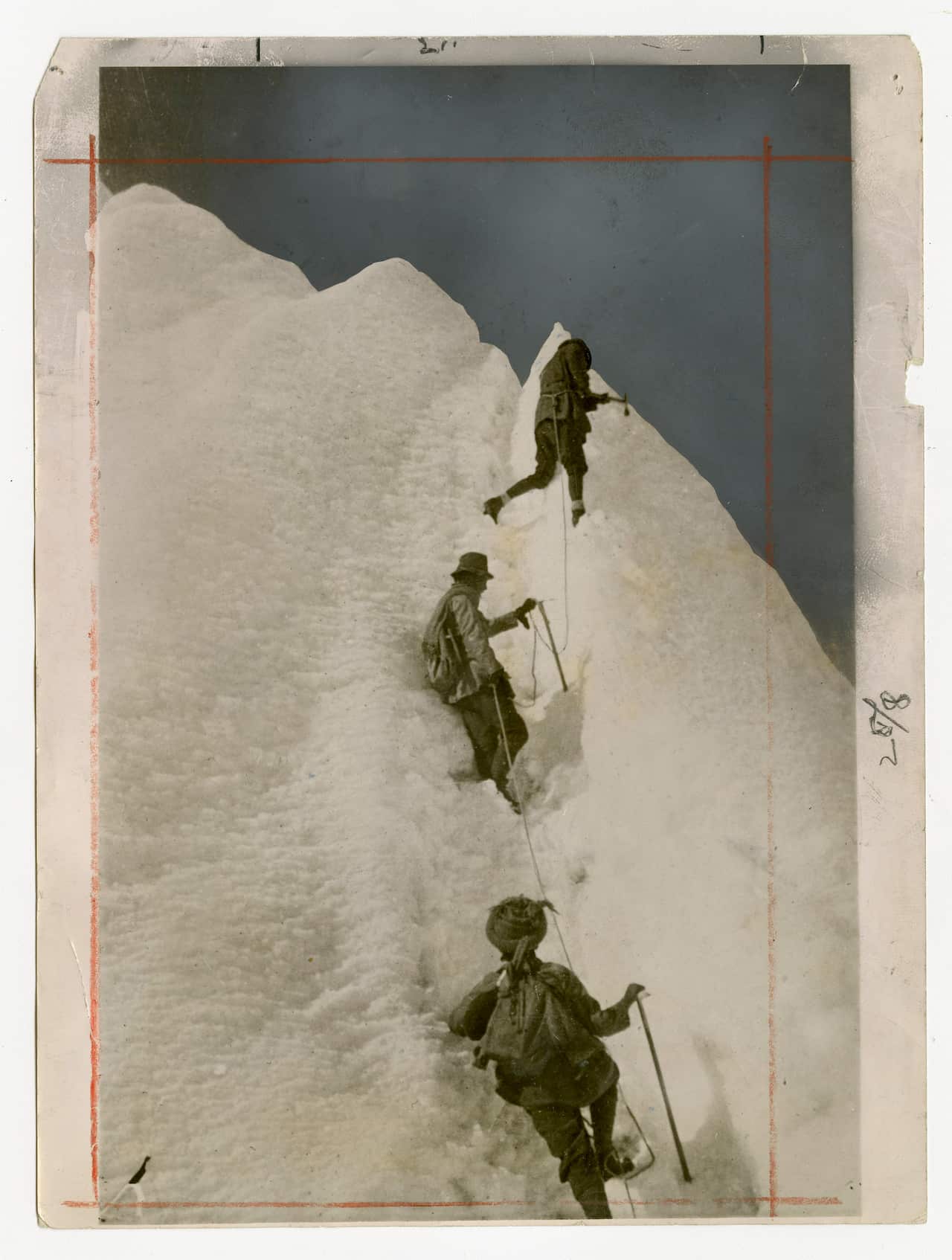
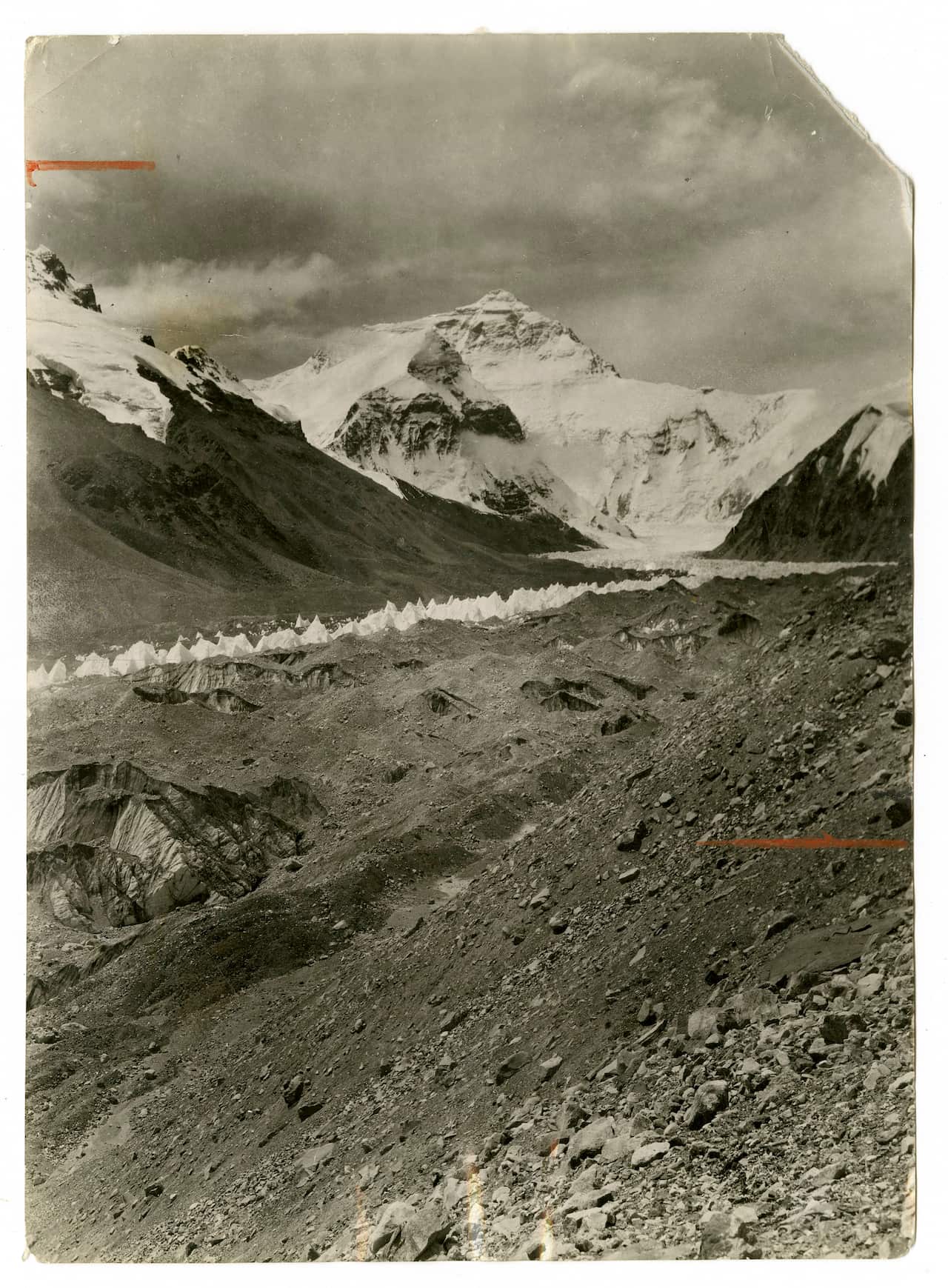
Look at those tiny creatures — that’s us! — walking in a row against the dazzling white wall of ice. See, they are hacking at the mountain to dig steps in which to place their feet. By 1922, a British expedition team got within hundreds of feet of the summit.
What these pictures don’t fully tell you is that the mountains are not calm at all. They growl when stones tumble. The wind whistles as you climb. The altitude drains your breath. They tell you how puny you are, how frail really, which is why you try to supplicate them, as the Buddhists who are from those mountains do, by stacking one stone on top of another in prayer.
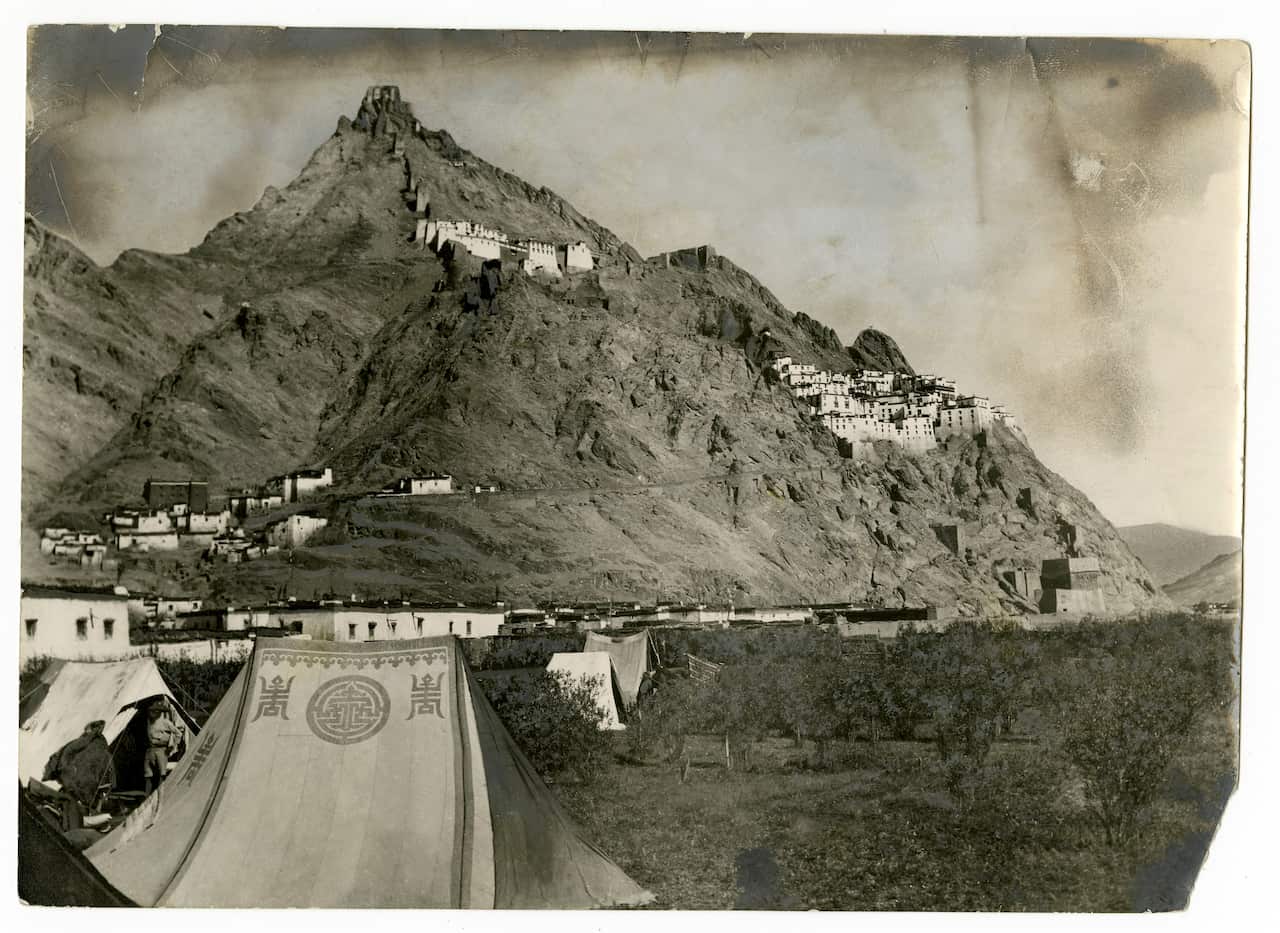
Everest, the peak, is named after a bureaucrat of the British Empire, a choice that itself foregrounds man over nature. The people of the Himalayas often refer to it as a goddess or a mother. In the pictures, they peek out from between the white men’s shoulders. In the captions, they are often unnamed, referred to as “sturdy native porters.” Their humanity had already apparently been conquered.
The pictures are a glimpse into our collective capacity for adventure and courage. But looking at them now, they are also a glimpse into our capacity for self-destruction, our ability to squander what we love.
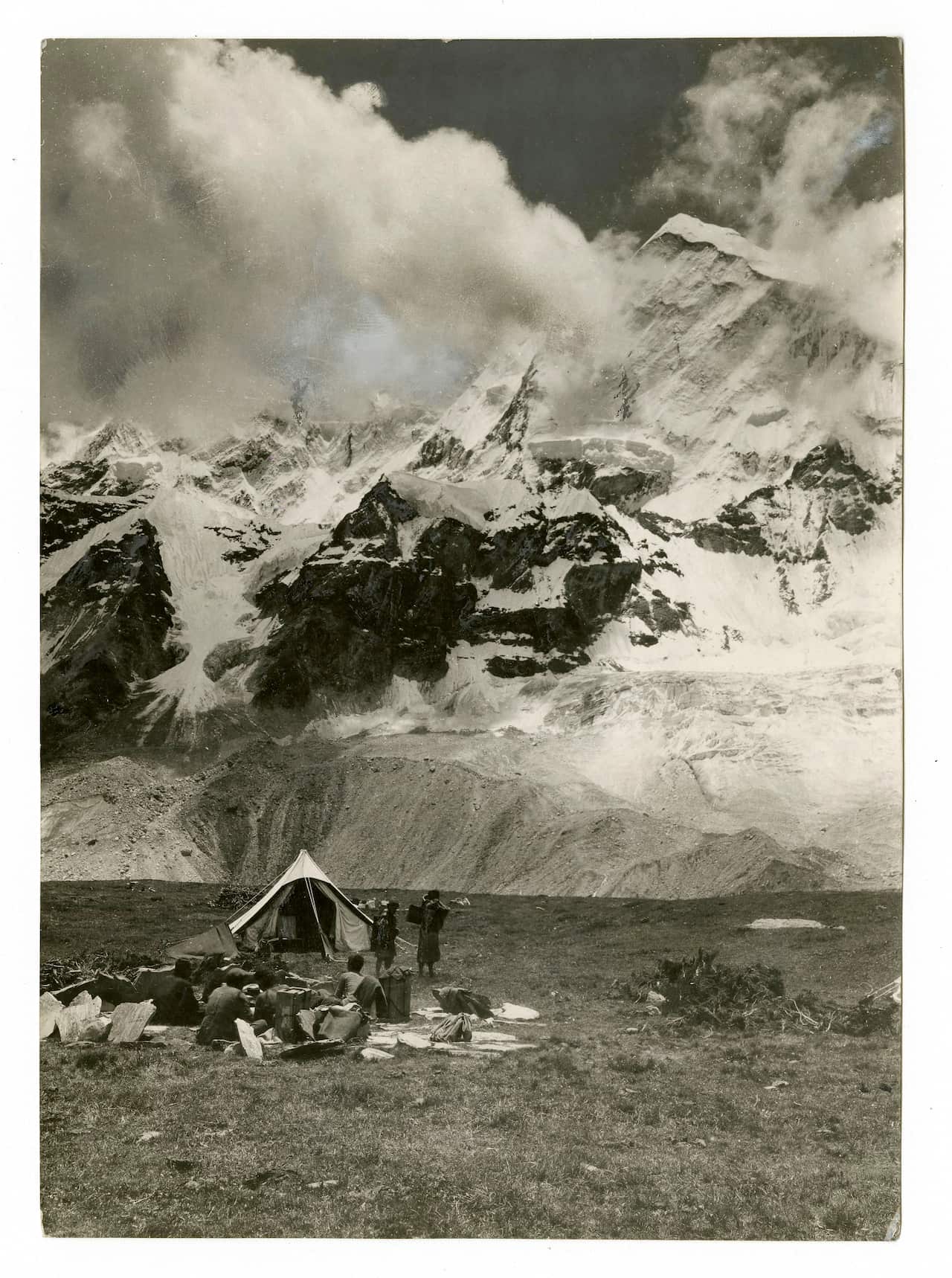
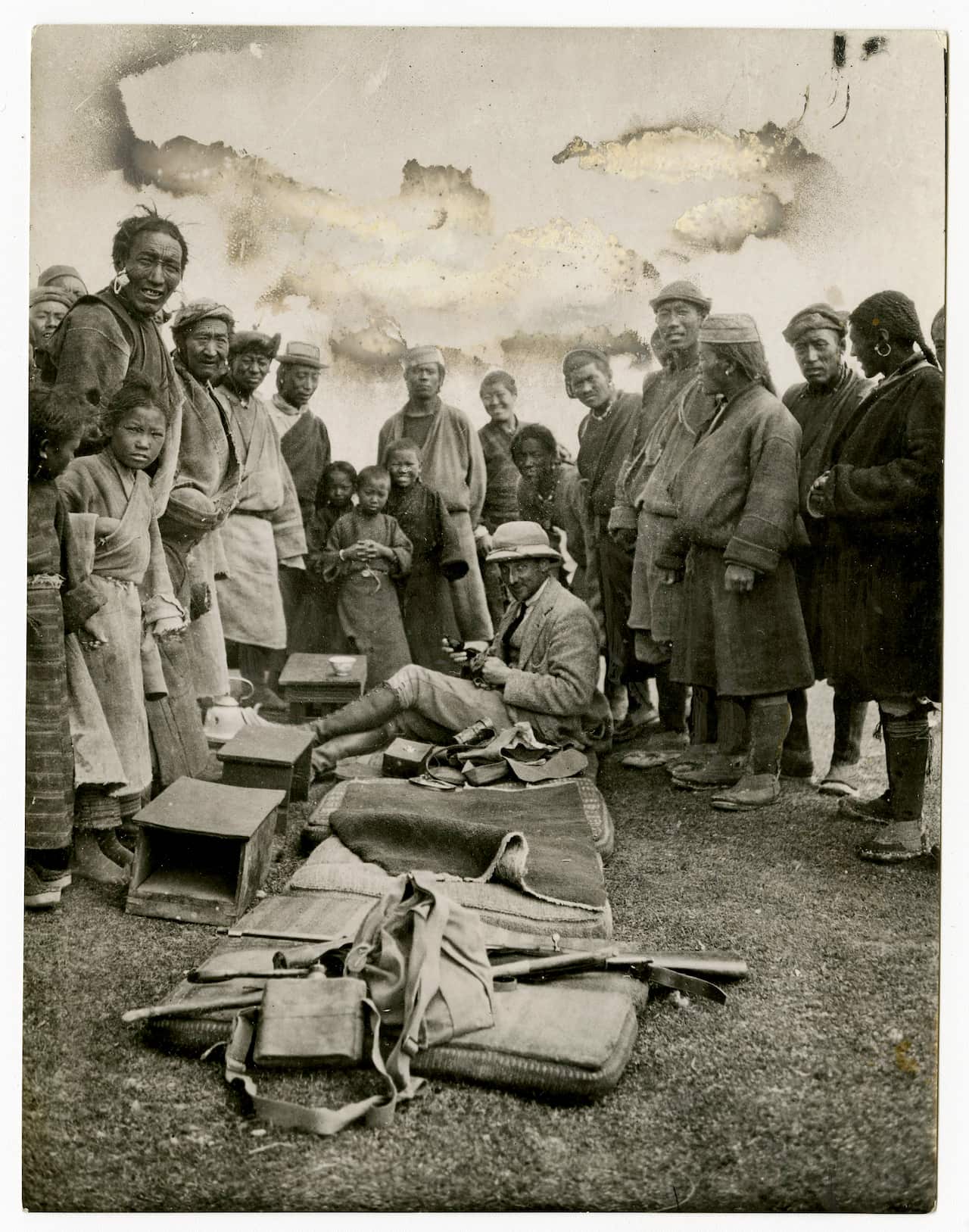
What we know now is that by the time of these expeditions — as industrialism was enthusiastically conquering nature — we were already beginning to alter the Himalayas forever. The powerful among us, in Europe and the United States mainly, enlarged our economies as fast as we could by burning as much fossil fuel as we could.
The greenhouse gases we injected into the atmosphere have already warmed the planet measurably. They continue to, at an accelerating rate. As a result, the ice is melting in the Himalayas. At the current pace, scientists forecast that at least a third of the ice in the Himalayas and the neighbouring Hindu Kush range will thaw by the end of this century.
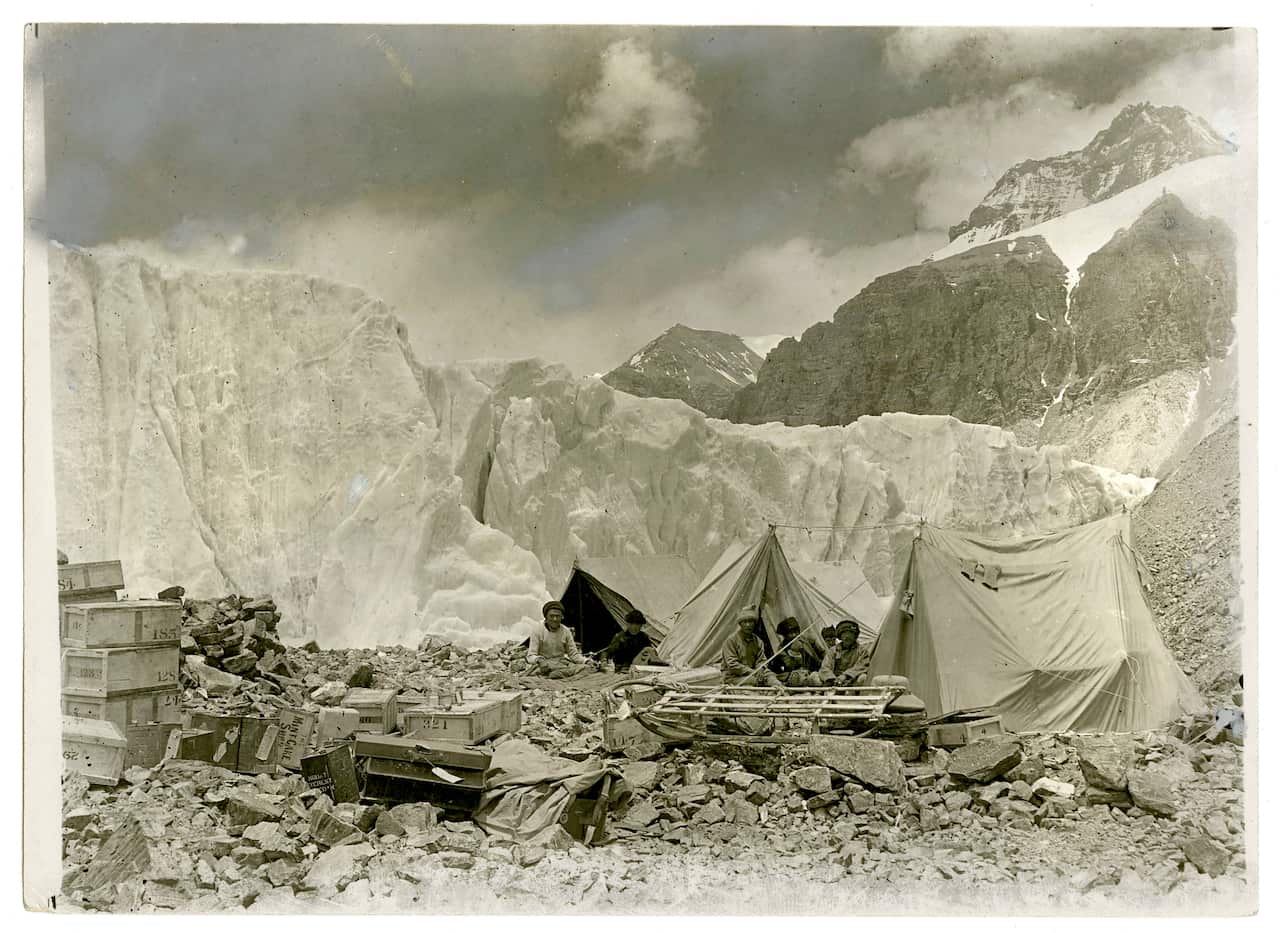
Why should that matter? These mountains are the water towers of Asia. When the ice is gone, the water is gone too, affecting more than a billion people who live downstream. Then there is nothing left to conquer. No ascent of man.
The mountain is indifferent, as nature almost always is to those of us who think we are somehow something other than just a part of nature.
Pictures are meant to be the repository of our collective memory. The Himalayas hold our memories too. As the ice thaws, it releases the bodies they swallowed long ago.

Dateline is an award-winning Australian, international documentary series airing for over 40 years. Each week Dateline scours the globe to bring you a world of daring stories. Read more about Dateline

Have a story or comment? Contact Us







