Promo above: As more US states move to ban abortion whilst others push for laxer laws, Dateline investigates the battle over women’s bodies. Watch America's War on Abortion On Demand.
I remember when I first saw a commercial for The Handmaid’s Tale. It was 2017, months before the series was set to debut, and I was sitting having lunch with my Mum. As I watched the series, set in a dystopian future where women were treated as property and all rights were taken away, I knew that could never happen in the United Sates. There would be an uprising.
Now, two years later, the show feels like a warning for what was to come.
In May, my home state of Alabama passed a bill that will outlaw all abortions in the state, making no exceptions for rape or incest. The day this bill was passed by our governor Kay Ivey, I cried tears of anger knowing I had lost my last civil rights.
However, the proposed changes have been years in the making.
News that makes sense
Your trusted source for staying up-to-date with the world around you. Get free daily news updates and analysis, straight to your inbox.
Growing up in Alabama, in the heartland of America’s ‘Bible Belt’, where religion is widely practiced and incorporated into everyday life, the topic of reproductive health and sex are kept away from children and rarely mentioned.
My earliest memory of sex education was a lesson where our grade six class was split into groups of boys and girls. Students, a year or two older than us who had moved onto high school, returned to teach our class about sex.
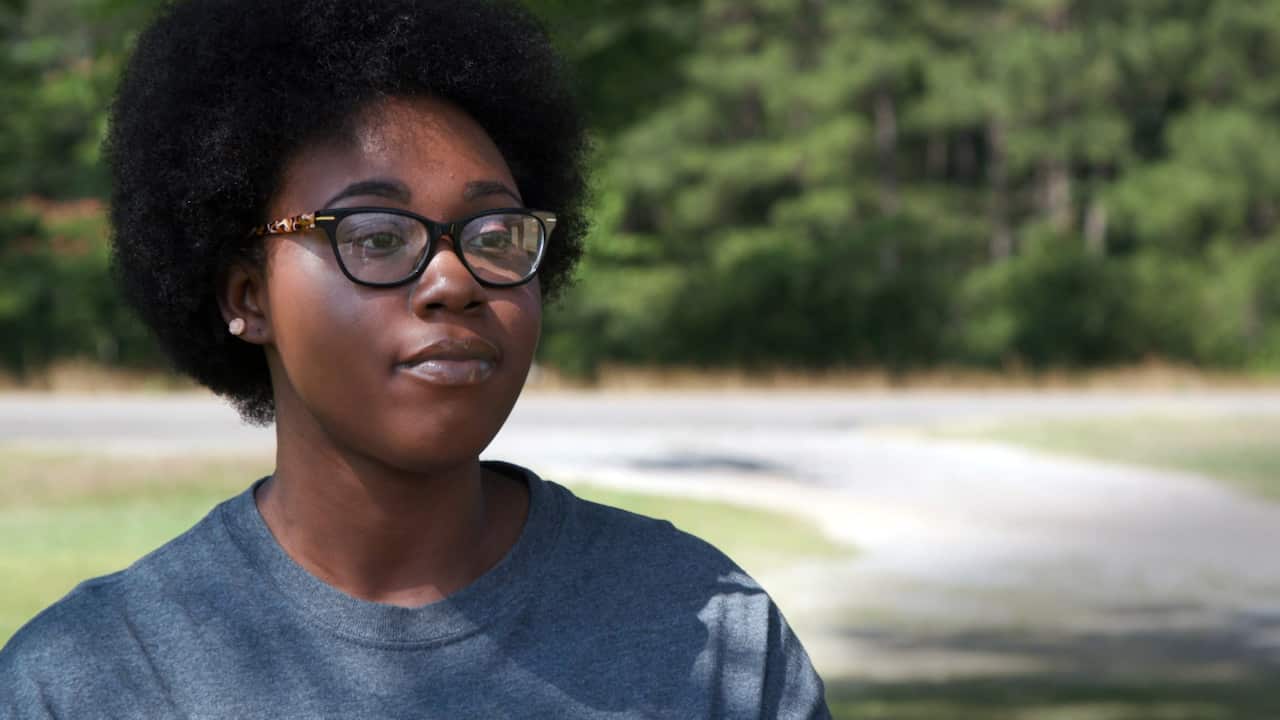
The overall message of these lessons was to inform us that: we had genitals; sex is an adult thing; wait to have sex; having sex could ruin all chances of having a relationship and if you don’t wait to have sex you are filthy and no-one will ever want you.
There were no mentions of contraceptives, sexually transmitted infections or even menstruation.
As I grew older, I learned reproductive talk was ‘forbidden’, and any girl who dared to lose her virginity or get on ‘The Pill’ was deemed easy. But I also learned there is no middle ground. Any woman who committed herself to wait was deemed prudish by her peers.
Inside this culture many young women are left to educate themselves. There was no discussion in my household that I would one day grow breasts or what the purpose of a menstruation is. My mother did tell me I would have a menstrual cycle, but she did not tell me all the symptoms I would experience. When they appeared, I was slightly unprepared, to say the least.
In adulthood, I learned the worst thing that could happen in Alabama was to be young, pregnant and in high school. Many women in the Bible Belt are never told of their options and those that are, are often persuaded into keeping their child for fear of public judgement.
Many mothers who have daughters that become pregnant at an early age forbid them from aborting the fetus or even considering adoption.
Women in Alabama are raised with a pro-life view, unknowingly advocating against their own rights because their mothers have taught them that no matter what, you keep your child.
The stigma surrounding abortion in my home state is so huge that no-one takes the time to learn about the procedure.
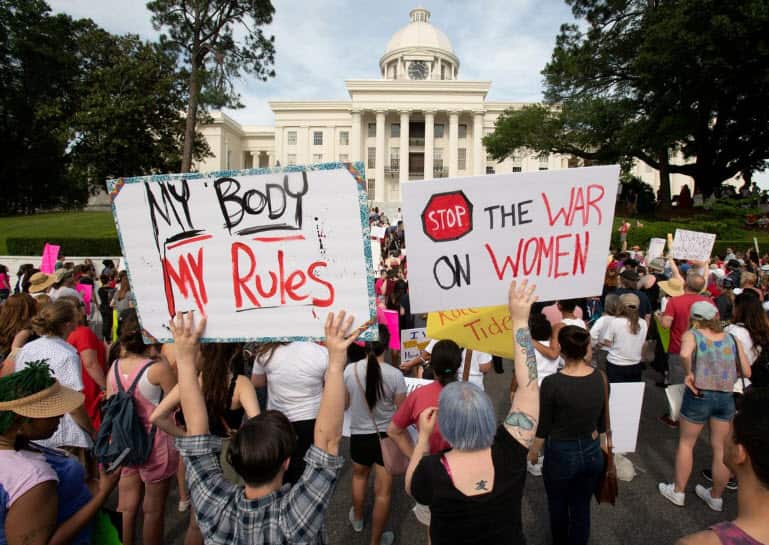
Many assume women, mostly African-American, have abortions because they don’t want the child. This is false. Many women have an abortion because they cannot afford to have children at their current state in life, or the pregnancy may be a threat to the women's health.
My mother had a tubal ligation after the birth of my younger sister. Years later after she was diagnosed with an ectopic pregnancy, she had an abortion. Many people in Alabama would see my mother as cold for not risking her life for an unborn child, but she knew that she wanted to live for the children she had.
From what I have absorbed from the men in Alabama who support the ban, they feel women are promiscuous and abortion is an easy way out. They feel men should have a say in the pregnancy. This bill has allowed women’s bodies to become public domain.
Abortion is a civil right. The freedom to decide reproductive health was women’s last right that was not dominated by men or business.
As someone with experience in social work, I know the repercussions that an early and unprepared pregnancy can cause. I feel the bill will enlarge the foster-care system.
Women in the Bible Belt need to educate themselves and their children. They need to become more open about reproductive health and sex. We need women to form their own opinions.
If we don’t, we’re one step closer to the Handmaid’s Tale becoming a reality.

Dateline is an award-winning Australian, international documentary series airing for over 40 years. Each week Dateline scours the globe to bring you a world of daring stories. Read more about Dateline

Have a story or comment? Contact Us







