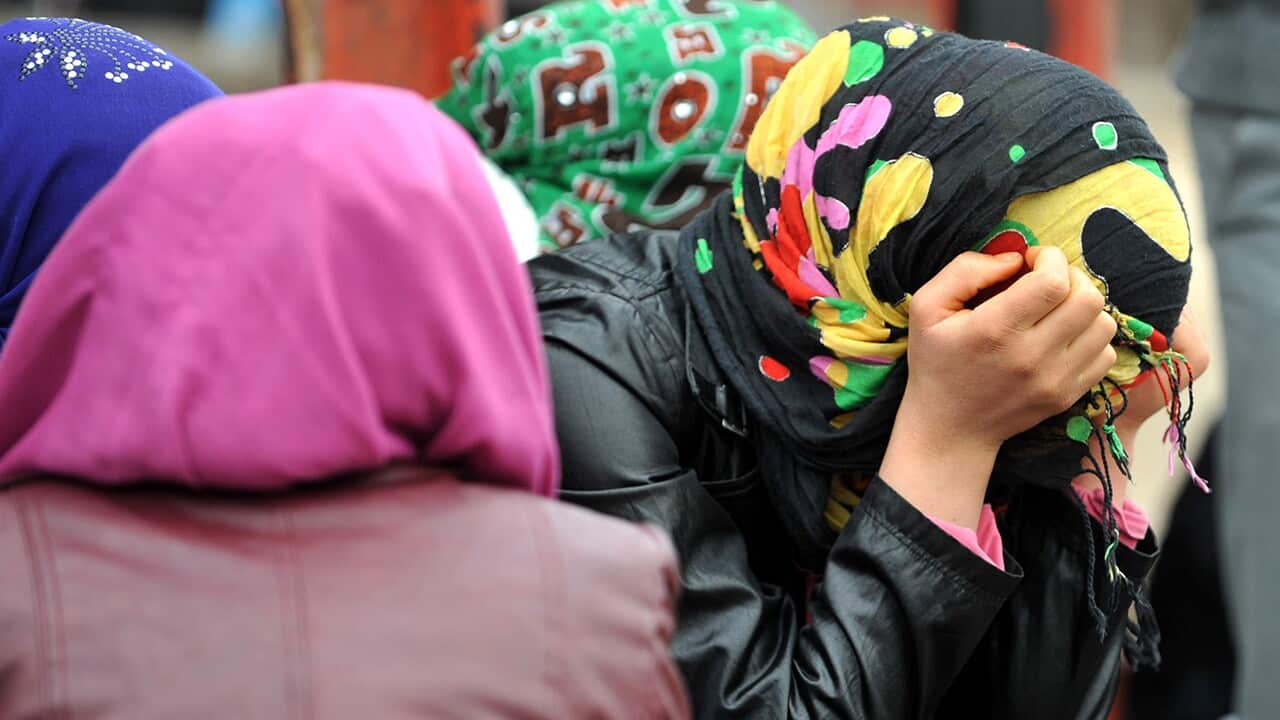
I first saw her and two little children sitting on the pavement across from our hotel. She had found a small nook where two walls joined, and each night she sat there, talking quietly to the children, cuddling them, or stopping their games from straying onto the road.
Always sitting. I never saw her move or stand up. She was young, with a long robe and head scarf. A beautiful face with high cheek bones. Who was this woman and why did she appear only at night?
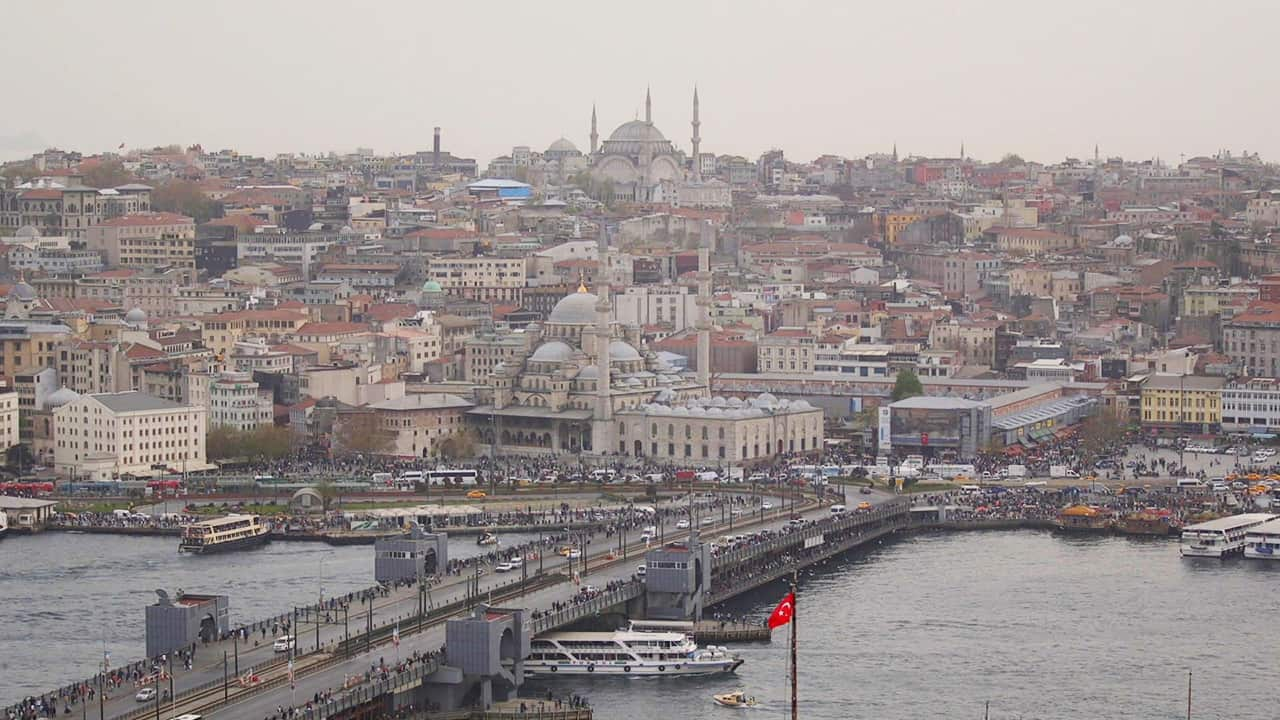
It was cold when we arrived in Istanbul to film for Dateline and as we returned to our hotel late each night she was always there, sitting, watchful. Watching us come and go.
I never saw her begging, or heard her say the word “Sooria”, that plaintive cry from the Syrian refugee beggars now found on every street corner.
News that makes sense
Your trusted source for staying up-to-date with the world around you. Get free daily news updates and analysis, straight to your inbox.
After a few nights I crossed the street. As I approached she looked scared. What did this tall Western man want?
I bent down with a small amount of money and offered it to her. She didn't seem to want it. For a long and dreadful moment I thought I had caused her great offence. Perhaps I had. Then a slender hand appeared from under her robe and reluctantly took my offering.
The next night the same ritual occurred and then the next. I tried a few words but she spoke no English and I didn't know her language. After a few more visits, my arrival would sometimes produce a smile from her as I tickled the little girl or mentioned how beautiful the children were.
Language is not always a barrier. On one night though, I came up and asked "How are you?" It was a dumb thing to do. How was she supposed to answer that? "Oh, everything is wonderful." Not likely.
She seemed to understand my words and the shrug of her shoulders only served to magnify my naivety.
I realised that if I wanted to learn more about this young woman I would need someone who spoke her language. Given the cataclysm occurring across the border in Syria, that was probably her homeland, so she would speak Arabic.
I arranged for an Arabic translator and said it had to be a woman. Late one night I was in the hotel coffee shop, watching the two little children play a game of chasings, when Gazal appeared.
She didn't look much older than the mystery woman but couldn't have been more different.
Gazal was petite, had beautiful dark hair and eyes and looked set for a long night of clubbing. Leather jacket, fashionably torn jeans, sharp shoes.
She was from the Syrian capital, Damascus, 21-years-old, university educated and with very good English.
“I learned it from books and watching the television,” she told me.
We crossed the road. Gazal crouched down on her haunches and began talking. The young mother looked nonplussed. Who was this new person talking to her and why was she with this man? But within seconds I sensed a rapport between them.
The information began to flow.
They were both 21-years-old. Mystery woman now had a name. Aisha. She had fled from Aleppo, a city that had been pulverised. Two young women fleeing a deadly war. Two very different stories.
The children’s names were Yasmin, five-years-old and Amir, who was two. That meant Aisha was a mother at 16, really young but not uncommon in Syria.
Yasmin, who always had her hair carefully brushed and tied back with two red clips, was fascinated by Gazal's jet black locks. She began playing with them with both hands. Aisha told her to stop but Gazal didn't seem to mind.
Aisha said she was here every night between 7.30pm and midnight. It seemed strange that her time on the corner was scheduled so precisely. I took a mental note to ask her about this at our next meeting.
There were many more things I wanted to know. Did she have a husband? Was he still alive? Where did she go during the day? How did she survive?
Instead I took Yasmin to the nearby shop and bought her and her brother an ice cream. Aisha said this was ok. I left her with some more money. Once again she took it reluctantly.
I also asked if I could tell her story, or film with her. She said she couldn't show her face, so I said, “Ok, I will just write some notes.”
She queried Gazal about this. The two young women spoke in rapid fire Arabic. She seemed to agree, and then I made my big error. We were due to leave in two days and it was getting very late so I said I would bring Gazal the next night and talk some more.
On our last night in the big, sprawling city we came back late again but the corner was empty.
No Aisha. No children. I was dismayed.
Had I scared her off? Had the uneasy intersection of money and information deterred her? I wasn't trying to buy her story. The money was to ease her burden, if only for a short while. Did she know this?
But I was always asking questions, always wanting to know more. Maybe that was enough to prevent her coming back?
Istanbul has more than 14 million people and never really sleeps. Perhaps the city's swirling currents delivered her to another corner or, inshallah, even a bed for the night? There's a million reasons why she wasn't there.
On the way home in the plane to a comfortable Western life, my thoughts turned to Aisha and her two children.
Will she spend her life struggling in poverty? Do the children have any chance of a future? Now I will never know.
The Syrian war grinds on and there are hundreds of thousands, millions even, just like Aisha.
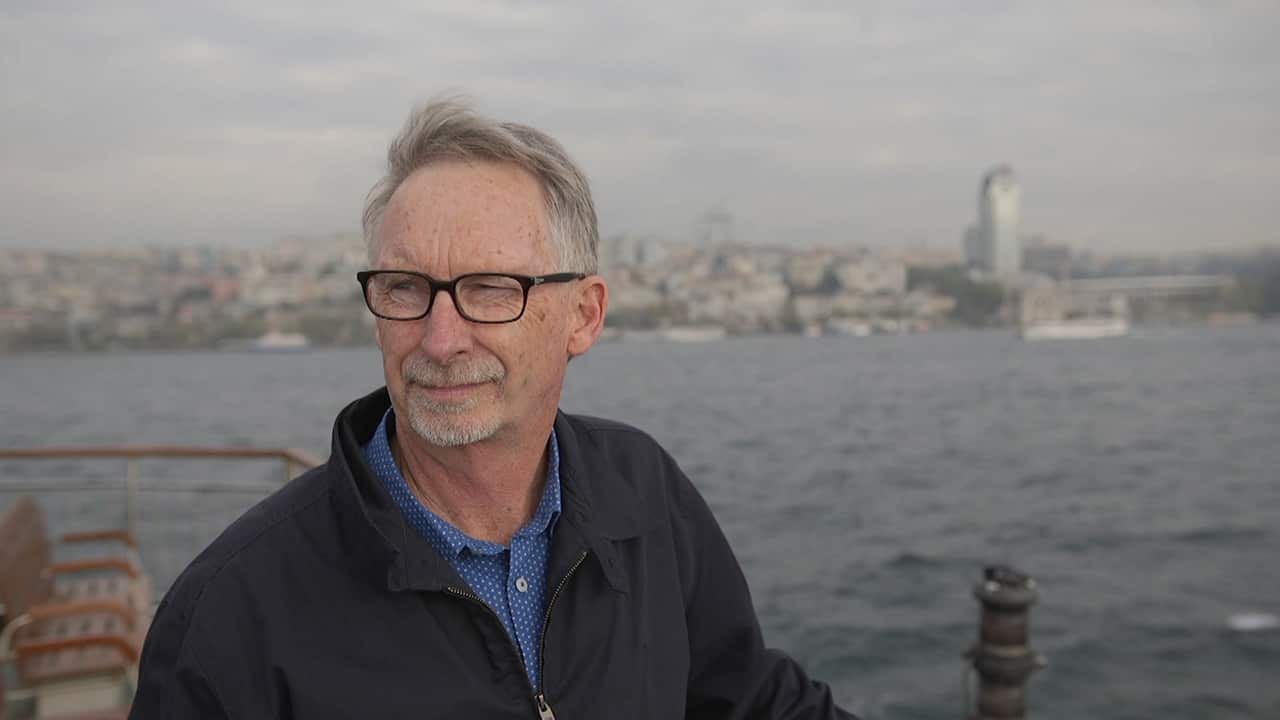
Geoff was in Istanbul filming a story on press freedom for Dateline. Watch it here:

Dateline is an award-winning Australian, international documentary series airing for over 40 years. Each week Dateline scours the globe to bring you a world of daring stories. Read more about Dateline

Have a story or comment? Contact Us







