
Watch Dateline's latest episode, Liberia: Dumped by America, on 22 September at 9.30pm AEST on SBS or SBS On Demand.
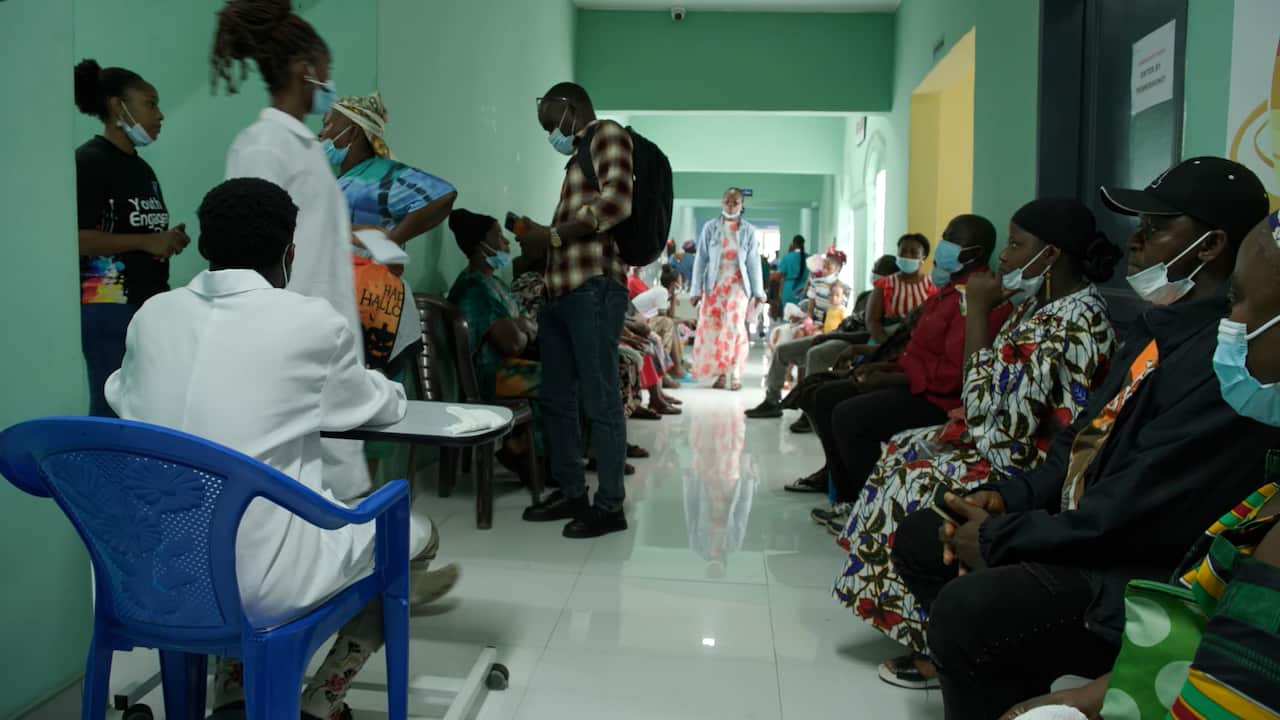
It's a Wednesday afternoon, and the waiting room at the Ma-Juah Memorial Health Center in Liberia, West Africa, is packed. Hundreds of people — including pregnant women, mothers with young children, and the elderly — have come from three dozen villages across the rural Margibi County for medical checkups.
Once a month, the centre offers low-cost healthcare to people who often can't afford to see a doctor. For 500 Liberian dollars ($4), patients can get a doctor's exam, two lab tests and medication or prescription glasses.
Sitting on an examination table against the wall of a long hallway is a man in matching brown shirt and pants. He's singing a popular Christian worship song about God's healing power.
News that makes sense
Your trusted source for staying up-to-date with the world around you. Get free daily news updates and analysis, straight to your inbox.
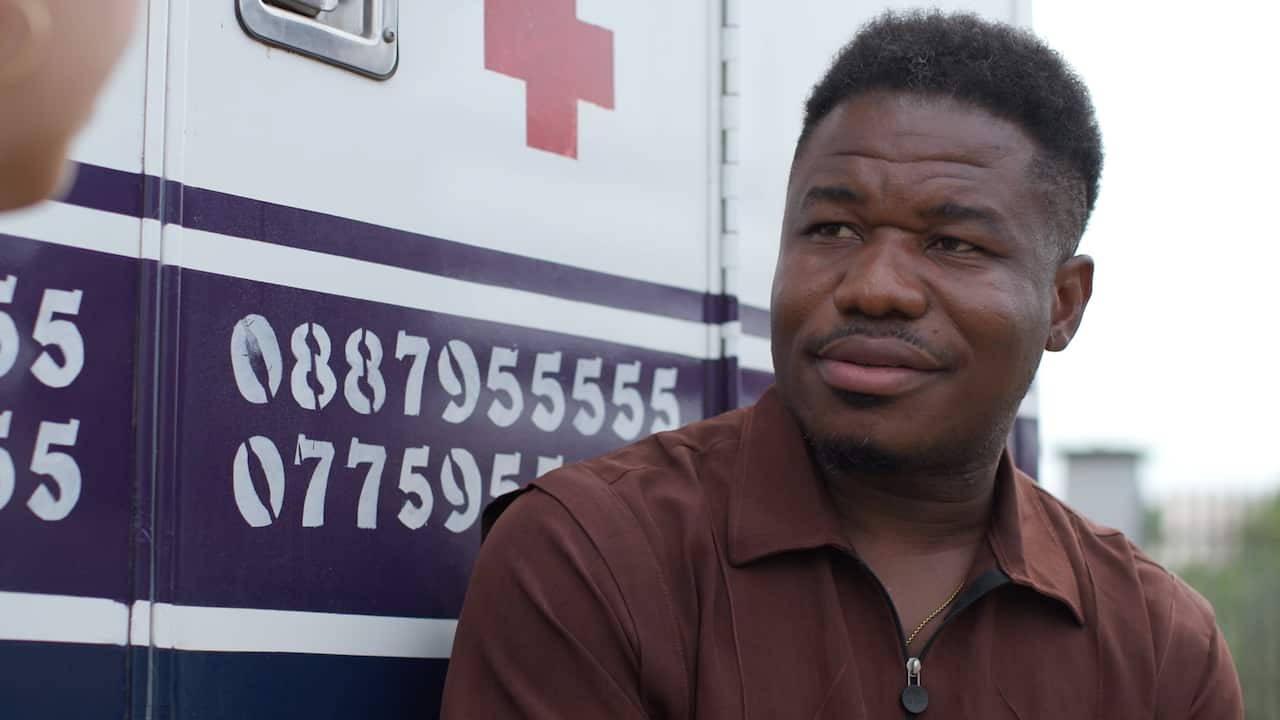
The man is Charles Sleyon, a gospel singer and church minister from the Liberian diaspora in the United States, who opened this health centre.
Two years ago, when he started building what was meant to be a small clinic but quickly expanded into one of the largest hospitals in Margibi County, he couldn't imagine how desperately needed its services would become, and how much he would be struggling to keep it afloat.
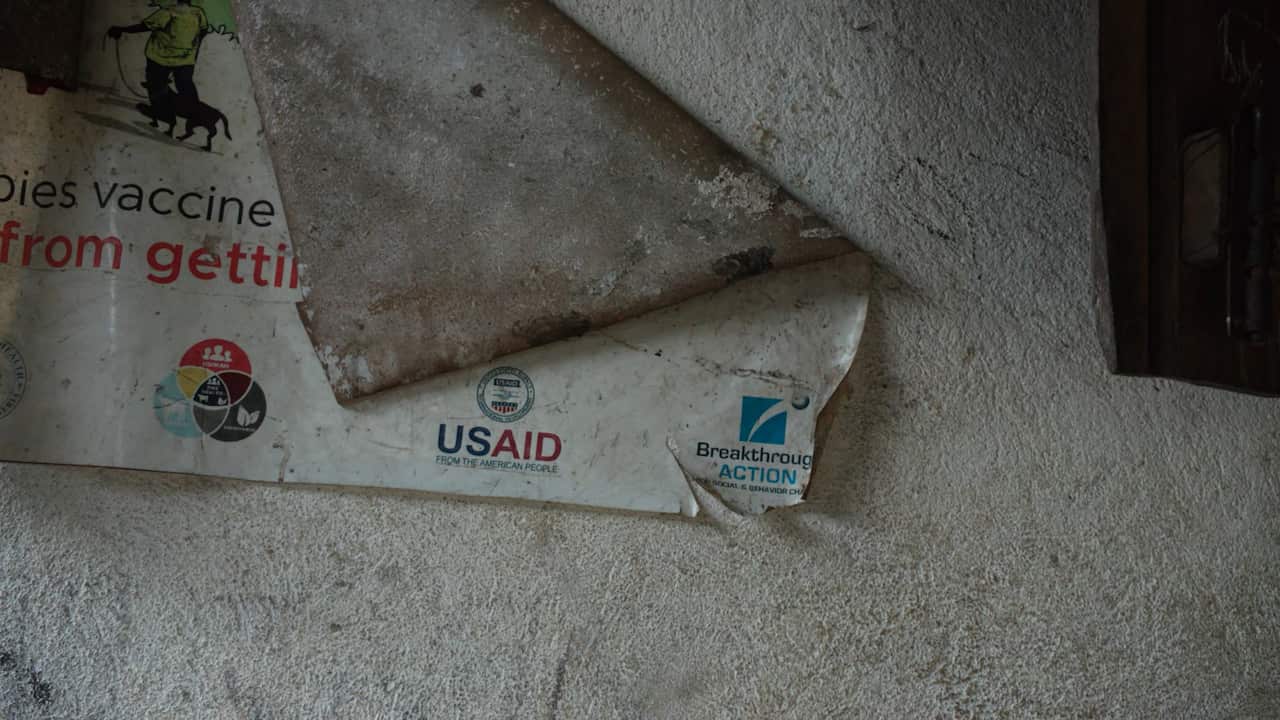
Liberia's healthcare system has been under severe strain since last year when US President Donald Trump's administration froze almost all US aid globally and subsequently dismantled its main humanitarian agency, the US Agency for International Development (USAID).
Hospitals across the country have reported shortages of medical supplies, fuel and essential medications.
In a bid to keep critical services afloat, the government introduced fees at public hospitals, sparking outrage in a country where half of its 5.5 million population lives in poverty.
Affordability is a paramount concern for Sleyon.
"I want to see people's lives being impacted medically, see them getting the care any other person in the world can have," he says. "Seeing a mother come to facility and not worrying how much she's going to pay."
Building a hospital
Raised in a poor suburb outside the capital Monrovia, Sleyon later moved to the United States. There he worked his way up to starting his own cleaning business in Indiana.
The idea to build a small clinic in Margibi County came to him during one of the visits to Liberia. While surveying a land plot for a future house, he struck up a conversation with a pregnant woman who was making a long journey to a hospital because there was no medical facility nearby. He immediately called his wife, "Why can't we do something for the community?"
"We built the hospital without a plan," Sleyon says. "There was a problem right there, and that problem needed a solution."
Margibi County — slightly larger than the Australian Capital Territory and home to around 300,000 people — is one of Liberia's most densely populated areas.
It was one of the worst-impacted parts of the country during the 2014 Ebola outbreak, which killed 4,000 Liberians, making it the highest death toll of any affected country. The HIV prevalence here is nearly triple the national rate.
Between 2014 and 2024, Liberia received an average of US$527 million (around $740 million) in US aid annually, the Associated Press news agency reported, citing the country's finance ministry.
In more than 60 years of USAID's existence, it became woven into practically every aspect of Liberian public life, funding hospitals, schools, agriculture, and post-civil war reconstruction. Between 1989 and 2003, Liberia was ravaged by two civil wars that killed between 150,000 and 250,000 people.
Health took the lion's share of US funding, making up 48 per cent of Liberia's healthcare budget. It funded malaria control, contraception and maternal health programs, HIV/AIDS treatment and community health programs.
When he heard that the US had pulled out, Sleyon was heartbroken.
"It was very, very hard."
He's trying to keep the hospital running to fill the gap, but the financial pressures are mounting. He's been funding the hospital out of his own pocket, with the money generated by his US business.
"I don't even know whether this will survive the next year because it takes almost $20,000 [around $28,000] a month to run," he said.
"And I've drained out everything. For 16 years I've worked in America. Every little savings that I have I have placed into this facility."
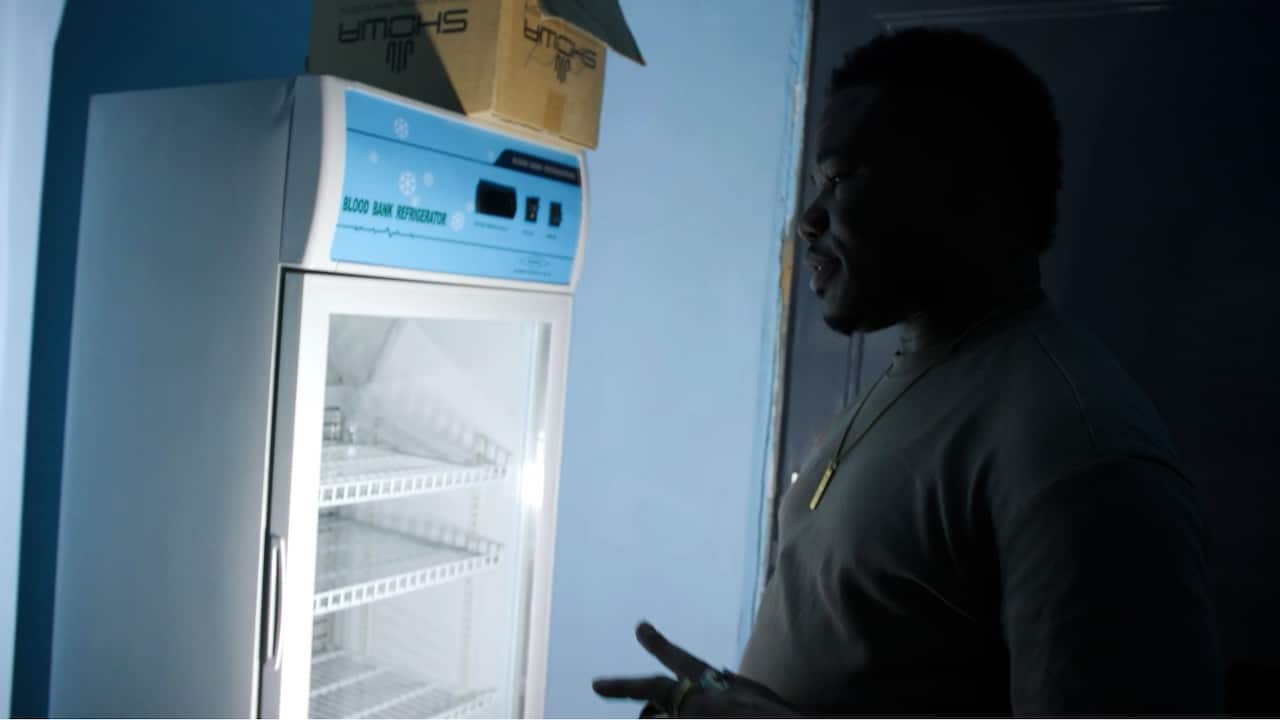
The staff haven't been paid in months, and some sections of the hospital are operating at extremely limited capacity and in the dark. Electricity is scarce. The hospital has to choose between cooling the medicine storage room or keeping the lights on in the lab.
Sleyon's hospital also received USAID funding for critical malaria and HIV medications. Since the US aid cuts, they had to turn some HIV patients away, he says.
"They come and ask the doctors, 'What's the way forward?' How do you answer them? That there's no program running these things, no funding. You just go home and wait to die."
In lieu of foreign aid, Sleyon hoped the government would step in.
"Every government should provide for its people and organisations should come in as secondary. But right now, we are taking the place of the government. We are doing that which the government should be doing, but we are there. We are doing it, and we are struggling in the process."
According to the World Bank, remittances from the Liberian diaspora abroad make up to 20 per cent of the country’s GDP.
'Toilets for Africa'
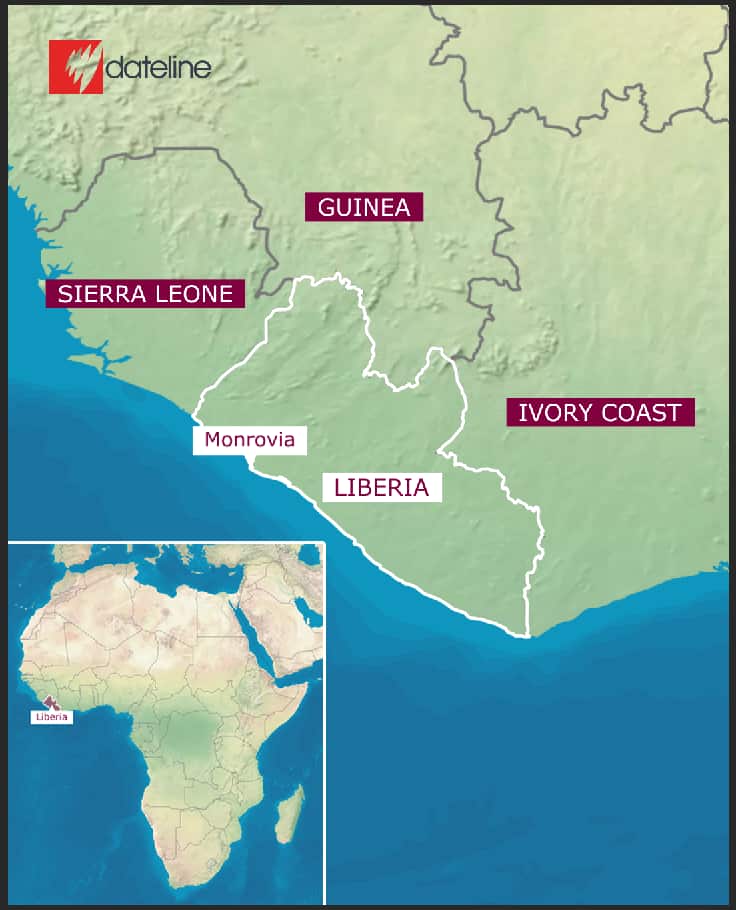
In northern Lofa County, which borders Sierra Leone and Guinea, NGO worker Ishmael Beah is also contemplating the future without American aid.
His non-profit, called Girls, relied on USAID for 80 per cent of its budget and was helping to fund a large-scale sanitation project aimed at bringing toilets to rural communities.
In Liberia, where only 23 per cent of the population have access to basic sanitation, a lack of proper facilities fuels preventable diseases such as typhoid, cholera and diarrhoea. The latter is the second leading cause of preventable death in Liberian children under five, after malaria, according to several medical studies.
After the sudden shutdown of USAID in 2025, Beah's organisation had to cut staff salaries and suspend most of its work. The 16,000 toilets delivered for the sanitation project are sitting in storage to this day. Without funding, the organisation can't distribute or install them.
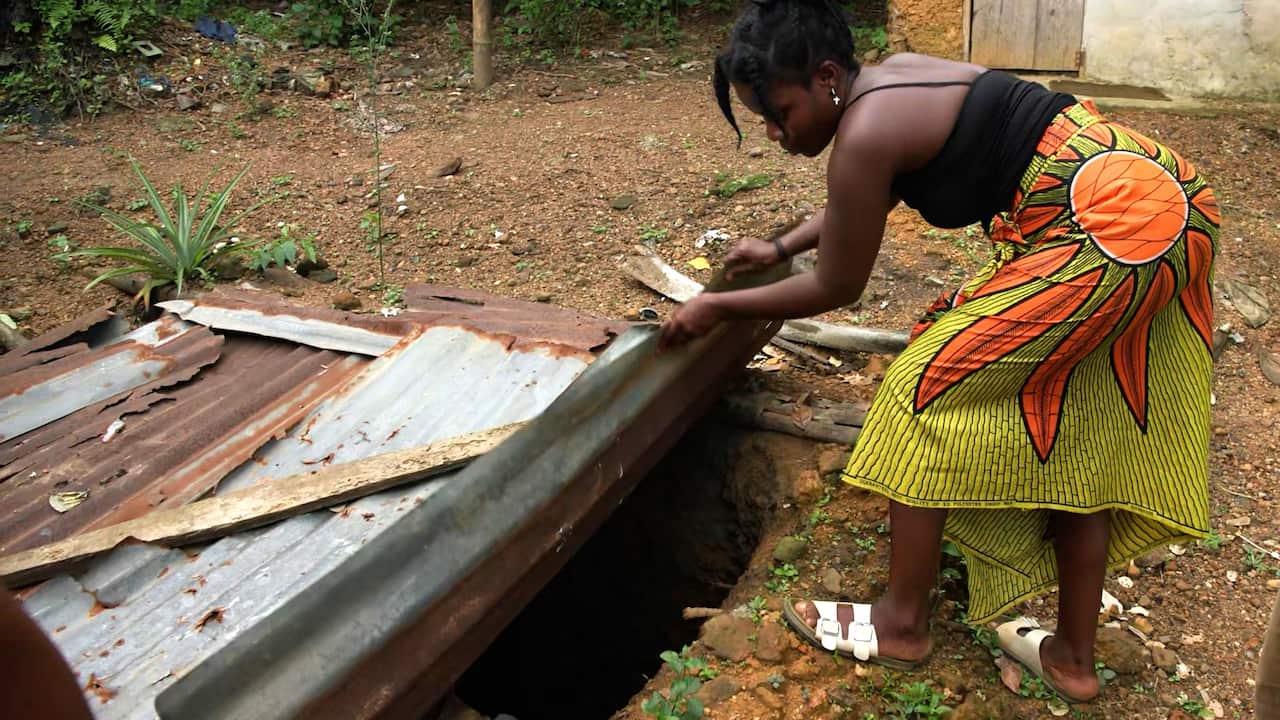
He says the stalled project has left him feeling embarrassed for letting the locals down.
"Unfortunately, they see us in the community. They don't see USAID. So we are carrying all the embarrassment that comes with that shutdown," he tells SBS Dateline.
"They didn't hear from us. They didn't see us again. And so they felt betrayed in the process. They felt like we lied to them."
While the Trump administration abruptly pulled the plug on USAID, Beah still hopes the aid will be reinstated with time. In the meantime, he says, other foreign powers are stepping in to fill the void.
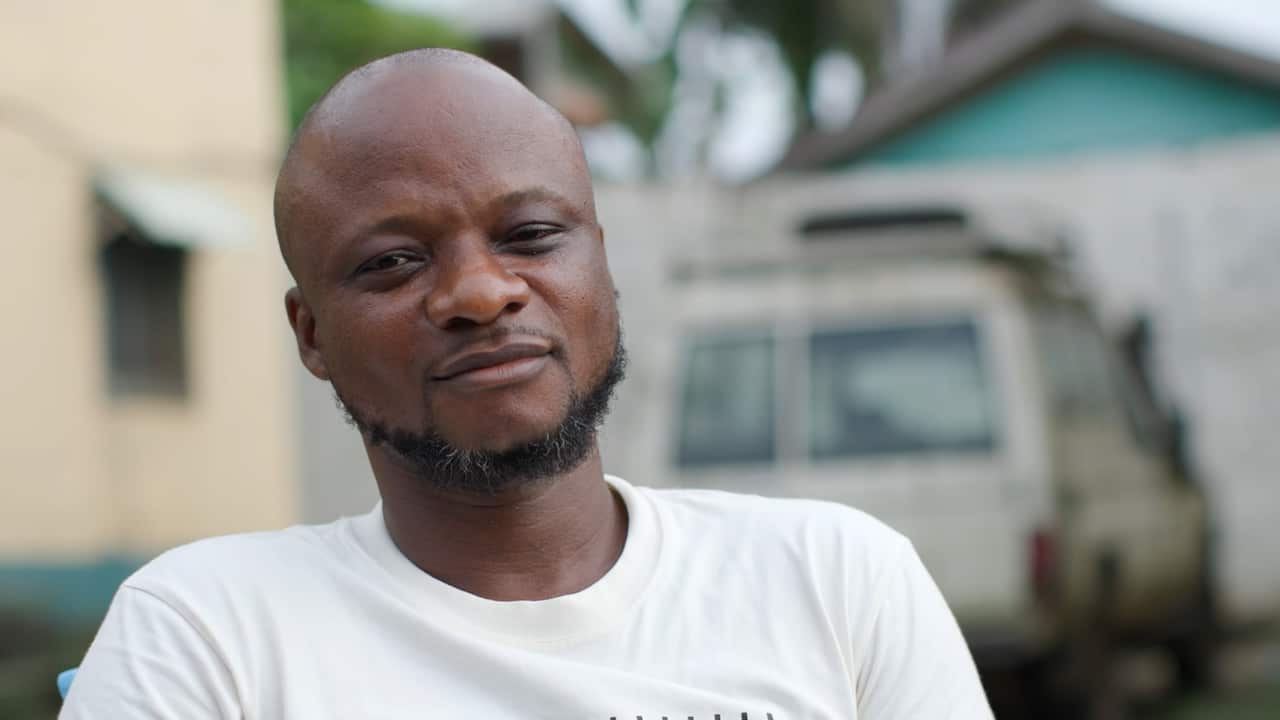
"The vacuum that has been created by the roadblock of foreign aid from Western Powers has left a pool wide open for a geopolitical context between, say, China and Russia," he says.
"It leaves Liberia dependent again in an entirely new way on foreign powers that have a different sort of orientation."
Uncertain future
The loss of USAID has left many Liberians caught in a frustrating conundrum. They need outside help but know it's unreliable. In September, Sweden, another major donor, announced it was ending its aid to Liberia and redirecting funds to support Ukraine and increase defence spending.
At the same time, public trust in the government is low and anti-government protests are a regular occurrence. Corruption and economic mismanagement are seen as the biggest obstacles to development in this resource-rich country.
"We don't need to depend on foreign aid. We're a rich country. If we can tackle the issues such as corruption, Liberia can be a strong country," Beah says.
Dateline sought response from Liberia's finance ministry on claims it's unable to provide essential services like healthcare and address poverty, and allegations that international assistance is failing to reach communities in need. But despite repeated attempts, we never received a reply.
Sleyon says he still has a lot of faith in his country.
"I've seen the horrible part of the war and seen how far we've come as a nation. I still have hope that one day this country will rise.
"But for now, his nation relies on people like him.

Dateline is an award-winning Australian, international documentary series airing for over 40 years. Each week Dateline scours the globe to bring you a world of daring stories. Read more about Dateline

Have a story or comment? Contact Us







