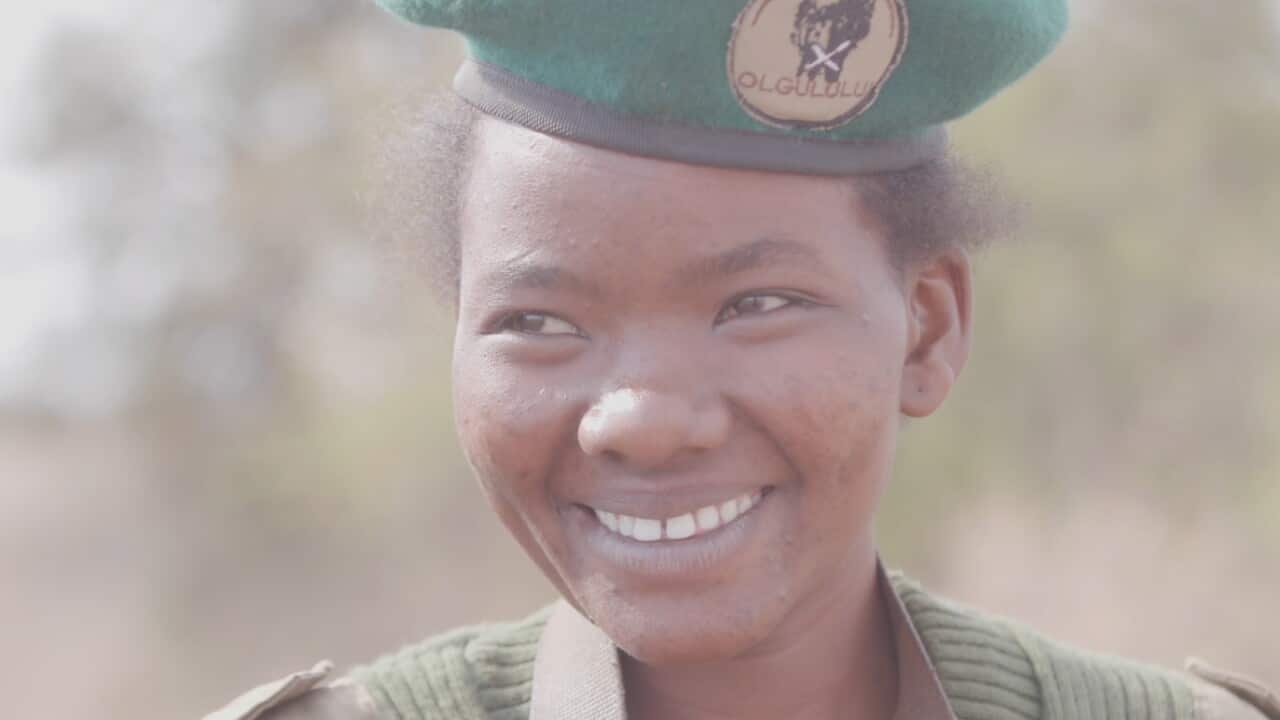
“Whatever a man can do, we as Team Lioness, can do it better, and we are proving it!”
That’s Purity Lakara’s slogan, she is part of Team Lioness, a group of community wildlife rangers in Amboseli National park in Kenya.
Team Lioness is made of eight Maasi women. The group started in 2019 by the International Fund for Animal Welfare.
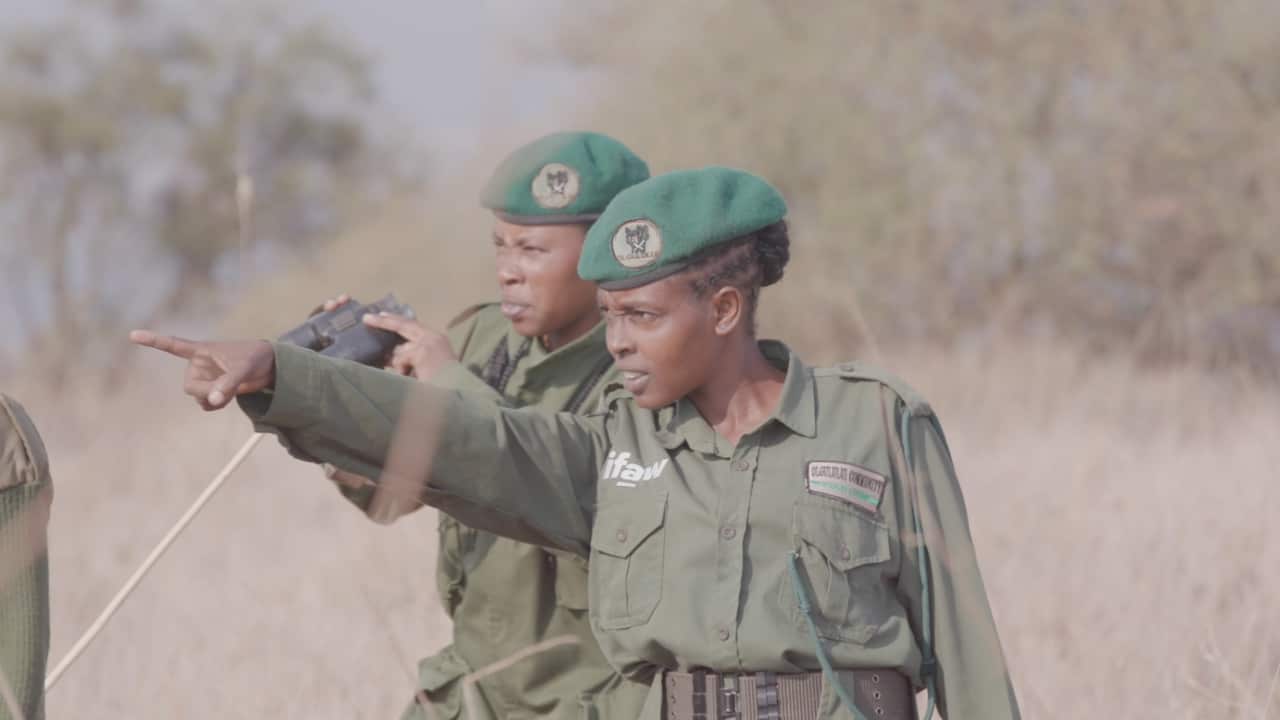
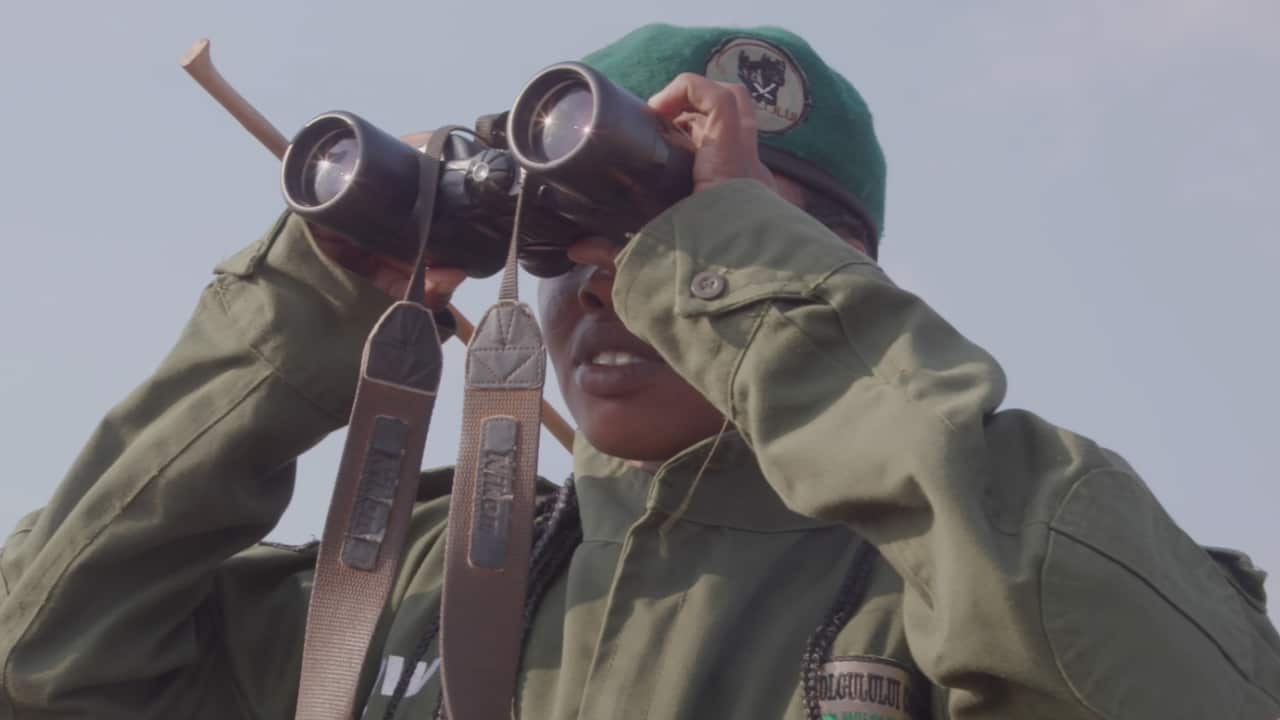
Purity says their work mostly involves tracking the animals in the park and protecting them from poachers.
They communicate with the local communities on the whereabouts of animals and if there are any issues, making sure the relationship between them and the wildlife is harmonious.
News that makes sense
Your trusted source for staying up-to-date with the world around you. Get free daily news updates and analysis, straight to your inbox.
“We protect the animals and make sure they have a nice habitat and there is a conducive environment for the young ones.”
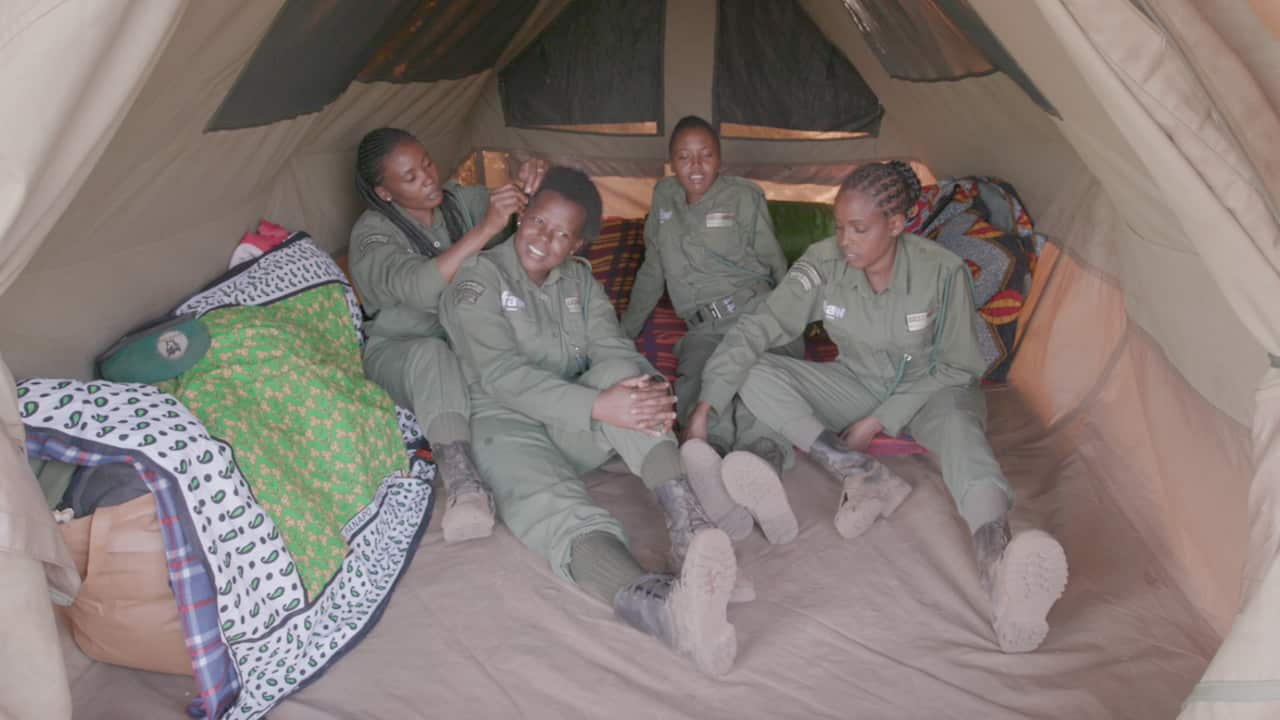
She says that many local communities have had trouble with elephants stampeding.
People have even lost their lives, so she and the rest of team lioness have undergone special training on how to deal with the dangers of the job.
However, she says the most dangerous animal is the buffalo, because it can sneak up quietly and their training has taught them the best way to deal with it.
“You have to lie down flat to the ground or climb up to the tall trees,” Purity said.
“It happened to me yesterday and while I was lying on the ground I was praying to god please if you let me live today I do not know what I will do,” she said.
Purity explained the reason they lay on the ground is because the buffalo’s horns are curved so it can’t pick you up when you lay down flat.
Shifting social norms
As the first women in her family to work outside of the home Purity said they are “extremely proud” to see her working in Team Lioness.
“In my community women are seen as weak, they are only expected to cook, give birth and raise children.”
“But now I am working in a physically demanding job. I am showing them that women are not weak, we can do the job of a man and we can even do it better!”
Increased work due to COVID
Purity says the pandemic has really affected their work and increased the amount of time they are already spending away from their families.
“I have not seen my family in four months, and [because of social distancing] it's hard to speak with the local communities for information,” she said.
Like in many countries, the coronavirus lockdown has reduced business activity and Purity said that could force people to turn to the animals as a means of food or making money.
“We are concerned about bush-meat hunting that people might start doing to feed their families,” Purity said.
“We have been lucky that we have never had to deal with ivory poachers but that might change in the pandemic.”
Inspiring the next generation
Purity said she and the other members of Team Lioness visit schools in the local communities to inspire the next generation of women.
She tells them that it is their time now to rise up and take on a more active role in the community, as women are the “pillars of Kenya”.
“I’m happy to see now that at least gender equality is being considered, its time now for women to rise up and work any job they want.”

Dateline is an award-winning Australian, international documentary series airing for over 40 years. Each week Dateline scours the globe to bring you a world of daring stories. Read more about Dateline

Have a story or comment? Contact Us







