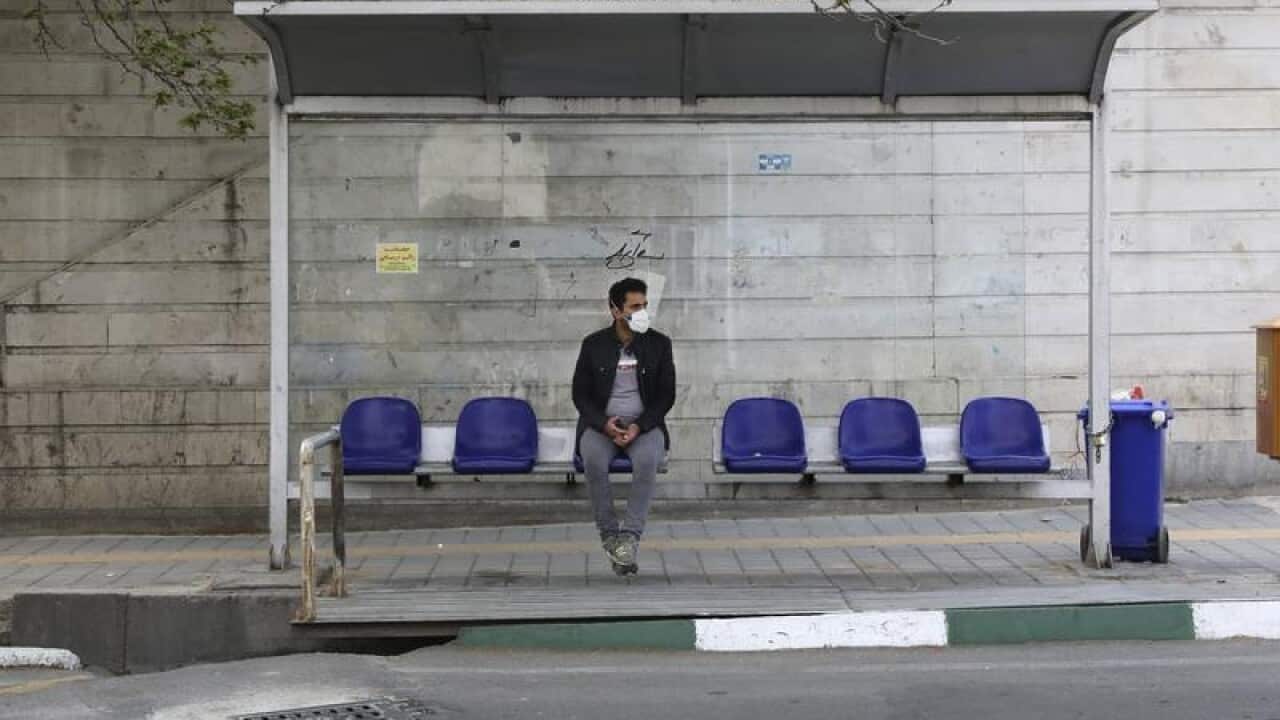
The false belief that toxic methanol cures the coronavirus has killed more than 700 people in Iran, a health official said on Monday.
The national coroner’s authority said that alcohol poisoning killed 728 Iranians between February 20 and April this year, at the height of their coronavirus outbreak. Only 66 people died from alcohol poisoning last year, according to the report.
The figures represent a higher death toll than released by the Iranian Health Ministry in late March, with the Associated Press reporting that adviser to the ministry Dr Hossein Hassanian said the death toll is higher because some victims died outside of the hospital.
The country’s health ministry said more than 5,000 people had been poisoned from methanol, including some who have lost their eyesight, a side effect from methanol poisoning.
"Other countries have only one problem, which is the new coronavirus pandemic. But we are fighting on two fronts here," said Dr Hossein Hassanian.
News that makes sense
Your trusted source for staying up-to-date with the world around you. Get free daily news updates and analysis, straight to your inbox.
"We have to both cure the people with alcohol poisoning and also fight the coronavirus."
It is believed Iranians began using toxic methanol amid false rumours spread of social media that it can help cure the coronavirus.
Methanol cannot be smelled or tasted in drinks and can be highly toxic, causing organ and brain damage. Its principal uses are as fuel, solvent and antifreeze.
In Iran, alcohol is generally illegal.
The country has been struggling with one of the worst outbreaks in the Middle East with more than 5,800 deaths and more than 91,000 confirmed cases. It was one of the first nations to have a major outbreak outside of China.
Health authorities around the world have been wrestling with disinformation during the coronavirus outbreak.
The President of the US Donald Trump suggested injecting bleach could be a treatment option for coronavirus, a statement he later said was ‘sarcastic’ and has since been panned as irresponsible.
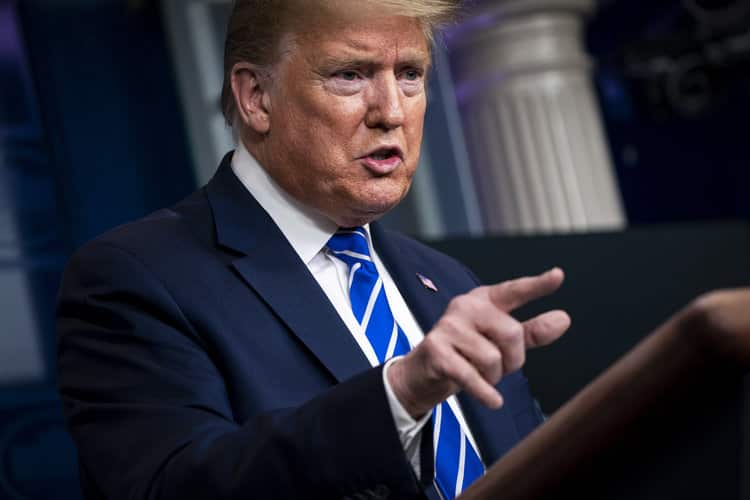
The US Centres for Disease Control and Prevention warned Americans that bleach is dangerous.
"Calls to poison centres increased sharply at the beginning of March 2020 for exposures to both cleaners and disinfectants," found the agency's weekly morbidity and mortality report.
Last week a federal judge secured a temporary injunction against one organisation, known as the Genesis II Church of Health and Healing, for marketing a product equivalent to industrial bleach as a remedy for coronavirus.
In Australia, Pete Evans, a celebrity chef and infamous sprier of alternative medicines, promoted a BioCharger (described on the website as a "hybrid subtle energy revitalisation platform”) which includes a “recipe” for COVID-19. The makers of the product were quick to dismiss Evans’ statement and the The Australian Medical Association described the device as a "$15,000 fancy light machine”.
Social media companies such as Facebook and Instagram claim to be working to stop the spread of misinformation about COVID-19. YouTube has banned all conspiracy theory videos falsely linking coronavirus symptoms to 5G networks. WhatsApp claims to be working to reduce the vitality of messages, reducing capacity for one person to forward a message to a large number of people.

Dateline is an award-winning Australian, international documentary series airing for over 40 years. Each week Dateline scours the globe to bring you a world of daring stories. Read more about Dateline

Have a story or comment? Contact Us







