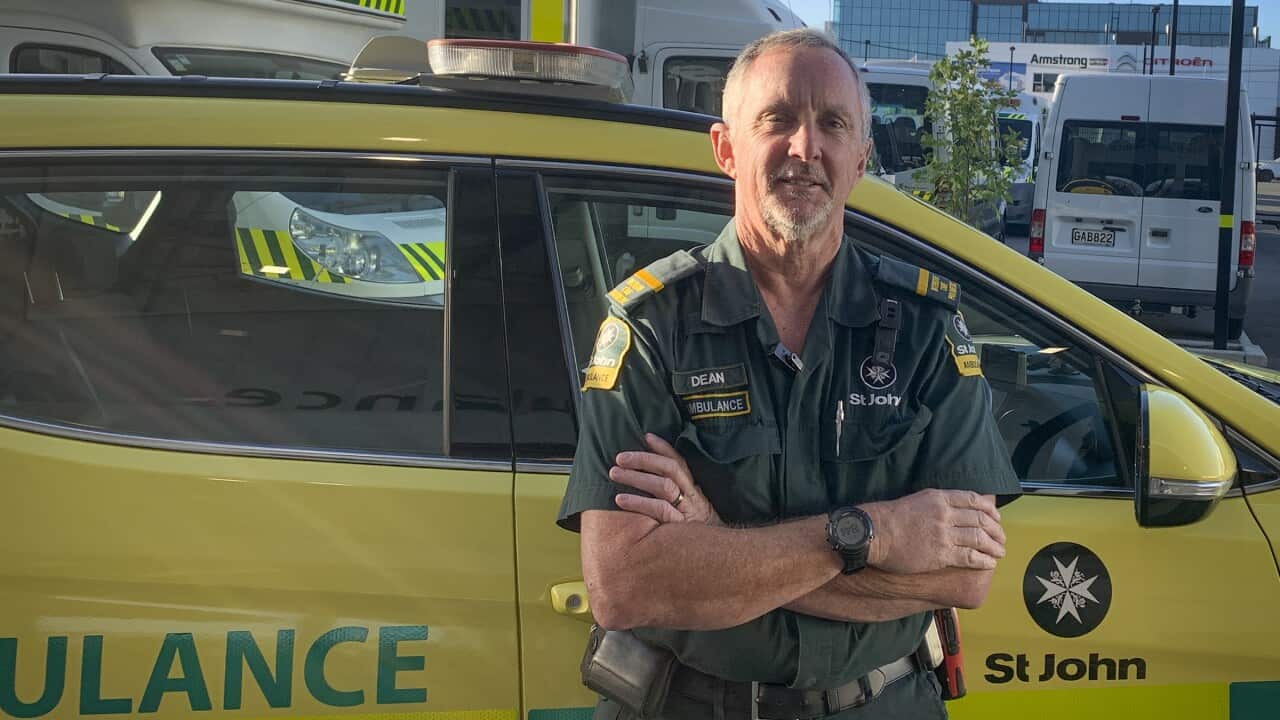
Days after the Christchurch mosque shootings, paramedics who were first on the scene gathered in a room.
“It’s all about checking if your cheese is on the cracker or if it’s sliding off,” Adele Saunders, a psychologist at ambulance service St John New Zealand, told the room.
It was frank and necessary advice which made clear the need to consistently check in with their own wellbeing, and the wellbeing of their colleagues. After-all, they had just witnessed the aftermath worst terror attack in New Zealand’s history.
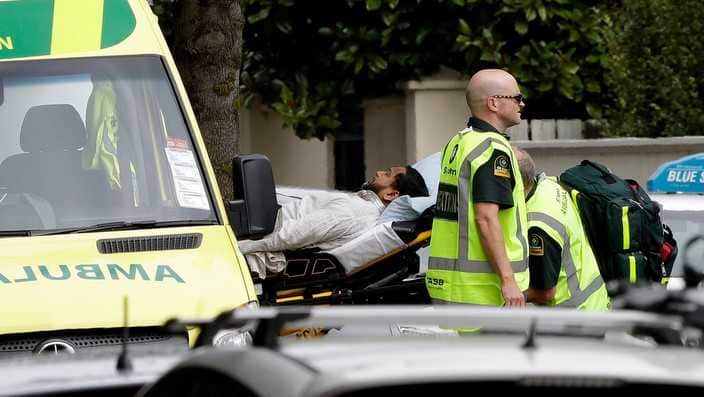
Dean Brown remembers the conversation. As an intensive care paramedic for St John, he was one of the first to enter Al Noor Mosque, after a terrorist opened-fired on Friday prayer killing 42 people.
News that makes sense
Your trusted source for staying up-to-date with the world around you. Get free daily news updates and analysis, straight to your inbox.
Dean was at the St John station when he heard there was an event unfolding involving gunshots. When he arrived at the scene, an incident beyond his imagination had unfolded.
“I was told it was likely a terrorist attack, which was surreal because we don’t expect that sort of thing to happen in New Zealand, especially Christchurch,” he said.
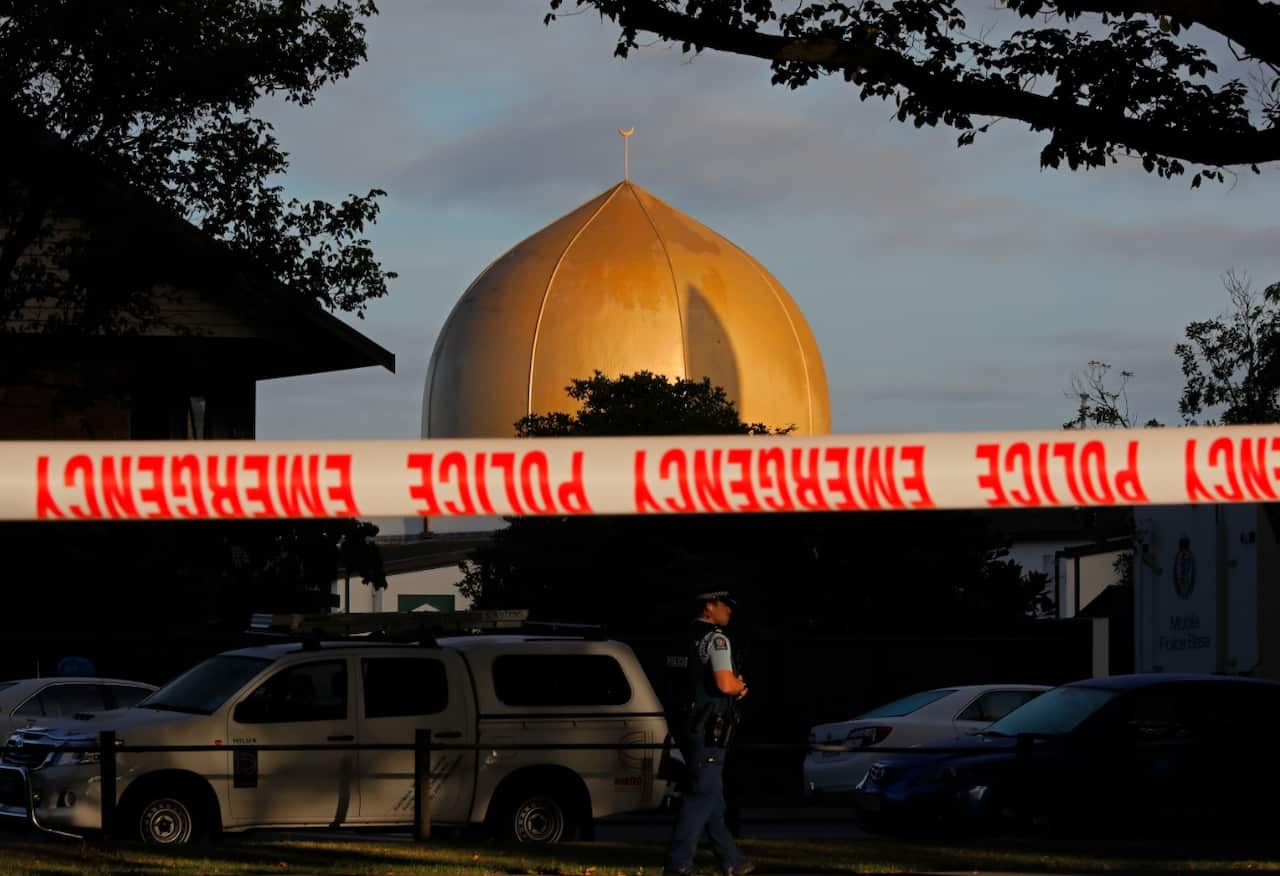
As a paramedic with 23-years experience, Dean’s training kicked in. He couldn’t comprehend what was happening but he had a job to do.
Escorted by four heavily armed police, Dean and one other colleague entered the mosque. The sheer number of those injured and the proximity to the hospital meant they would take survivors straight to the hospital.
“To be honest, the number of survivors we took out of the Al Noor Mosque was a small percentage of who was left.”
Dean and his colleagues were an instrumental part of a timely response by emergency services in the attack on Christchurch’s Muslim community. Fifty-one people died at both the Al Noor Mosque and Linwood Islamic centre where a 28-year-old right wing extremist used two guns to storm the venues. He was eventually charged with 51 murders and 40 attempted murder, and engaging in a terrorist attack.
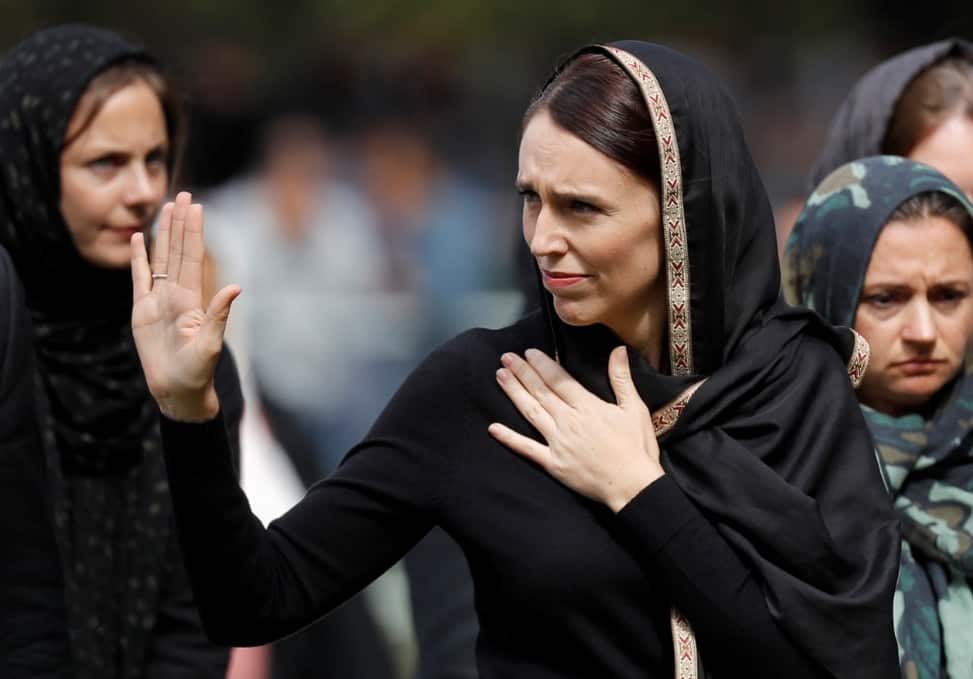
Prime Minister Jacinda Ardern described it as “one of New Zealand's darkest days.”
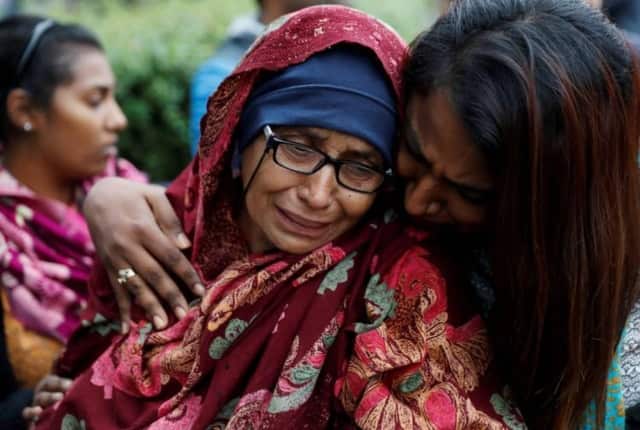
Questioning
In the days after, Dean began to ask himself questions: How can someone do this? Did I do enough?
“We had some newspaper reports that said people were receiving calls from victims in the mosque, and I thought, ‘oh god, I left someone behind’,” he said.
“That was one of the most stressful things.”
Reports and evaluations of the incident proved Dean and his colleagues did not leave anyone behind.
“I’m comfortable that we did the best we could. But you will always go, ‘could I have done better?” he said.
Dean is not a stranger to critical incidents. He had been part of the response to the Christchurch earthquakes.
“That was mother nature having a hissy fit and everyone felt the effects of it. While everyone felt the effects of this [attack], it was very targeted. It was quite hard to wrap my head around what had happened,” he said.
It was the first time in history New Zealand had raised its threat level to high.
“I thought, what must drive someone to do this. And I can’t get my head around it....We are part of the rest of the world and attacks can happen here, that changes your perception.”
The slipping cheese
Adele Saunders addressed staff the Wednesday after the attack. She explains that despite the stigma of mental health lessening in the past decades, it can still hold negative connotations in first-responder professions.
That’s why she has become known for her cheese metaphor.
“To step aside from using [serious] terminology, I try to keep it light and use this metaphor: ‘The cheese slipping off the cracker’ and it seems to resonate,” she said.
It was Adele’s priority to ensure her colleagues knew lines of communication were open and an awareness of the spectrum to how any one individual can respond to a traumatic event.
“One of the messages was, whatever experience or symptoms and fallout you are going through is normal, there is nothing abnormal in this space. But keep talking to us so we can apply the right level of support,” she said.
But she also wanted people to know that it is ok to just be ok.
“I wanted to reassure people they weren't going crazy if they were okay.”
Since the attack, Adele said the organisation has learned from their response. Now, there is more emphasis on ongoing mental health support.
“There were huge amounts of learnings which have been applied to the White Island eruption,” she said.
“We’ve learned that the nature of trauma is that you don’t have support systems in place for just three months. It’s going to take as long as we are going to take. We need to make sure we are walking alongside people.”
Healing
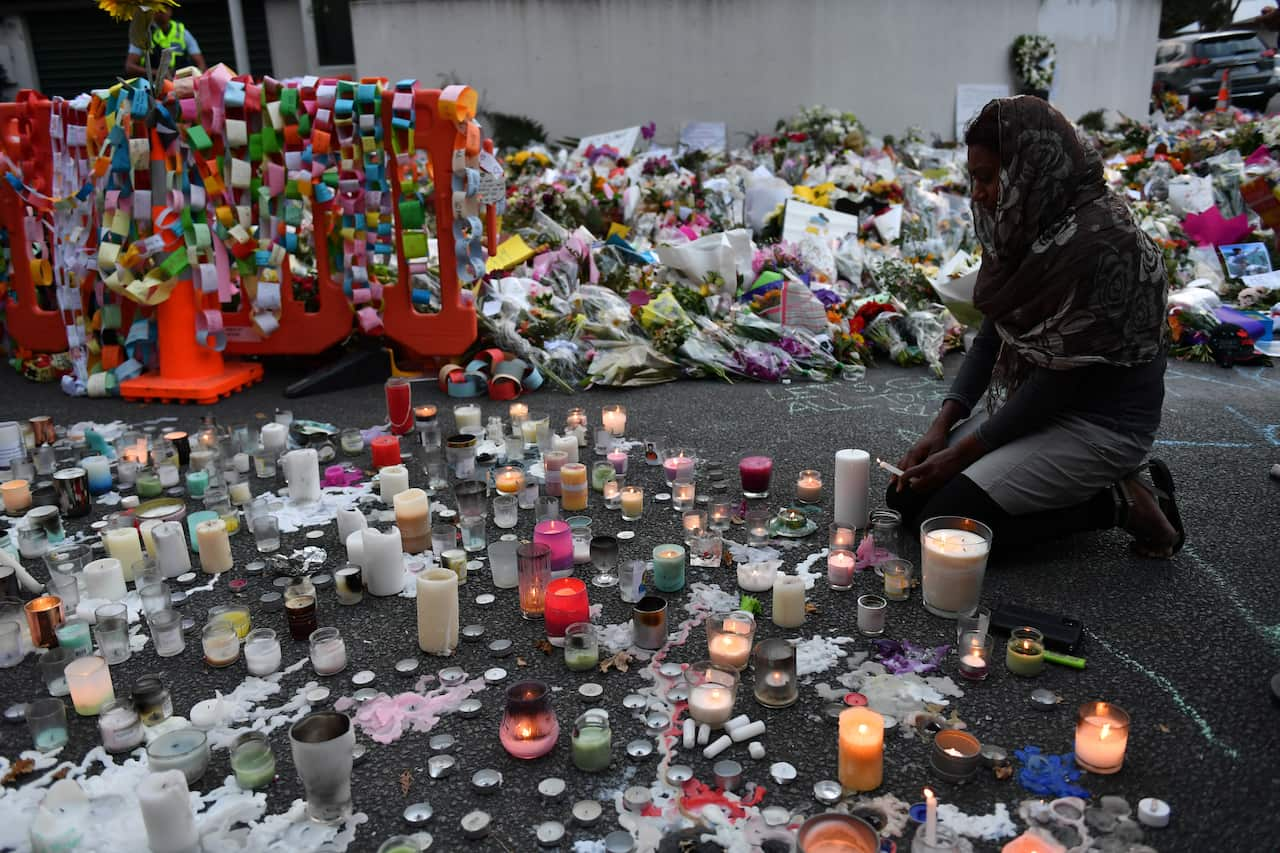
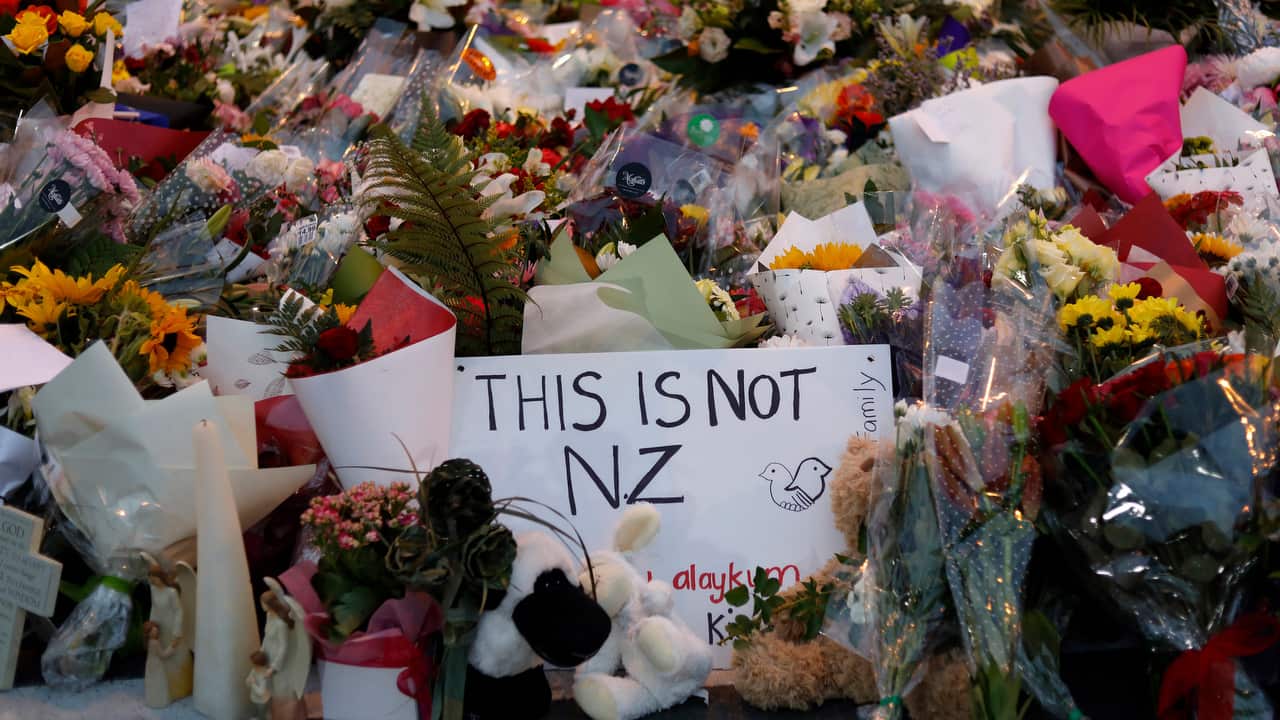
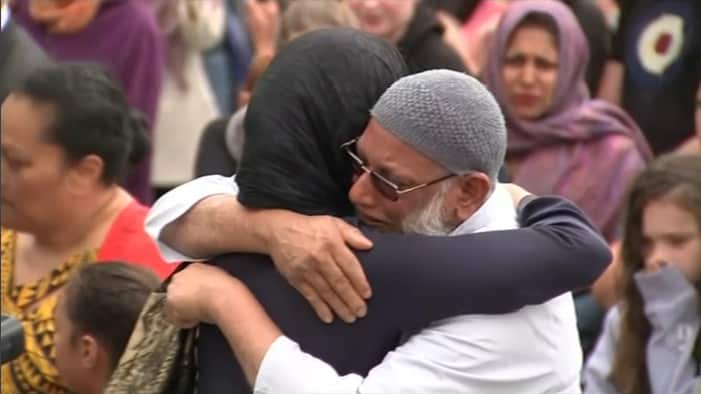
The event triggered an outpouring of grief and support for New Zealand and the Muslim community. A historic memorial service was held in Christchurch, more than seven million dollars was raised for victims, and world leaders hosted a summit to discuss combating extremism.
Dean said the way New Zealand came together provided an antidote to the horror inflicted by one man’s actions. The paramedic and his colleagues were touched by how Christchurch supported the Muslim community and were humbled by the strength they showed.
“It took me a couple of weeks before I could go to the memorial site. Even today, that hits me more than what I saw at the mosque itself,” he said.
Dean has since visited Al Noor mosque and, just weeks ago, he met with a man he saved on the day.
“It was great to see him with his wife and two young children, to hear his story and how he is coping. It was a privilege to see that what we had done had made a positive difference and he now has a life with his young family,” he said.
Supporting colleagues
Approaching a year since the event, Dean admits he has considered walking away from his profession.
“I have thought I could walk away from this [profession] now… I still do the job because I believe I’ve got something to give.”
For first responders who have dealt with the fallout of a critical incident, Dean recommends speaking to people who have firsthand experience.
“Sit down and talk to them about it. To all first responders this can be an accumulative effect.”
He applauds St John for providing consistent psychological support for him and his colleagues.
“You’ve got to monitor each other.”
As Adele put it bluntly, you’ve got to make sure the cheese isn’t sliding off the cracker.

Dateline is an award-winning Australian, international documentary series airing for over 40 years. Each week Dateline scours the globe to bring you a world of daring stories. Read more about Dateline

Have a story or comment? Contact Us







