Watch Can Love Save Spain? on Dateline
Spain is ground zero for rural depopulation in Europe.
People, especially women, leave country villages and head to the city in search of jobs and prosperity. It’s a trend so common it has a shorthand: Espana Vacia or Empty Spain.
A commercial operator has seized on the opportunity to bring together men in Spain’s countryside and women living in Madrid. So-called “caravans of women” tour busloads of single ladies from town to town.
The concept is not entirely novel. Since the 90s Manolo Gonzalo has organised around 600 of these love buses, hoping to solve the love deficit in rural Spain.
News that makes sense
Your trusted source for staying up-to-date with the world around you. Get free daily news updates and analysis, straight to your inbox.
“In many little towns there may be three times as many men as women,” he said.
“That's because women generally leave and the men stay to tend the land and the cattle.”
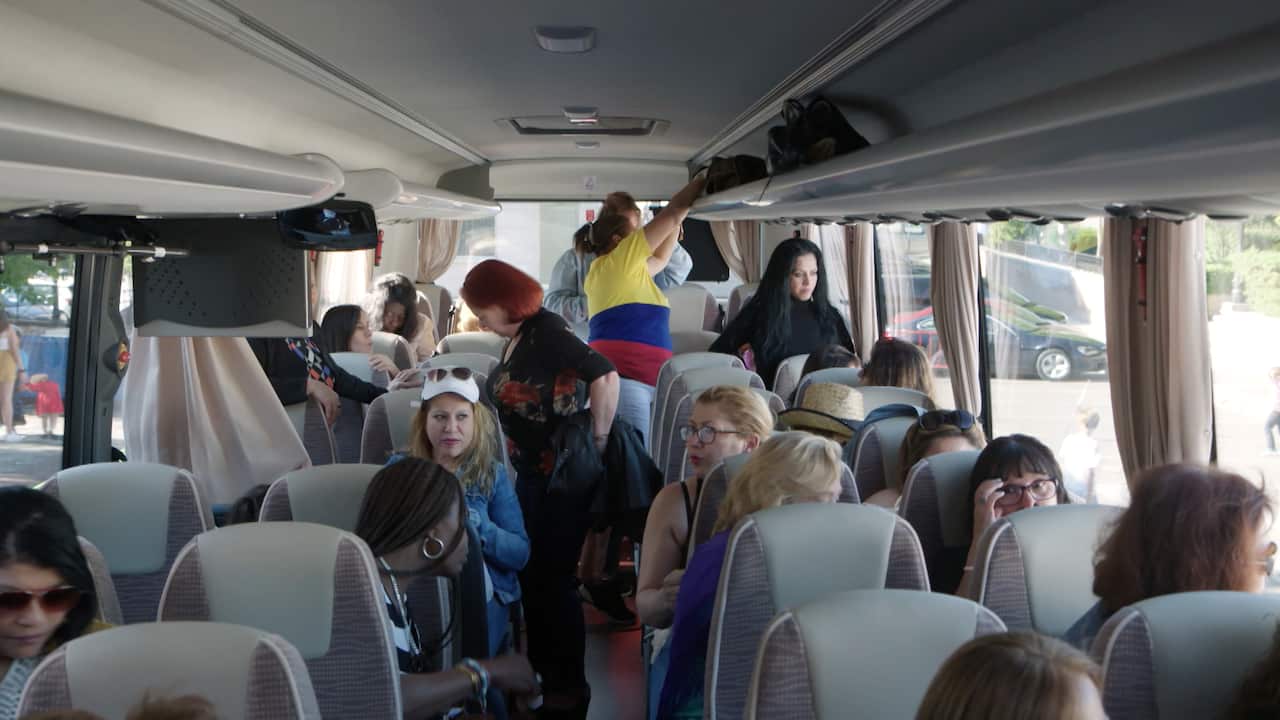
Marta is a divorced single mother living in Madrid. She’s keen to find love but has had no luck in the city. Marta said she would move to a regional part of Spain in a heartbeat.
Anything for love. If I found love I would move anywhere.
Marta and her friends did not have any luck meeting a man on the trip. But Monolo swears by the caravan, claiming that they have resulted in over 150 couples and countless children.
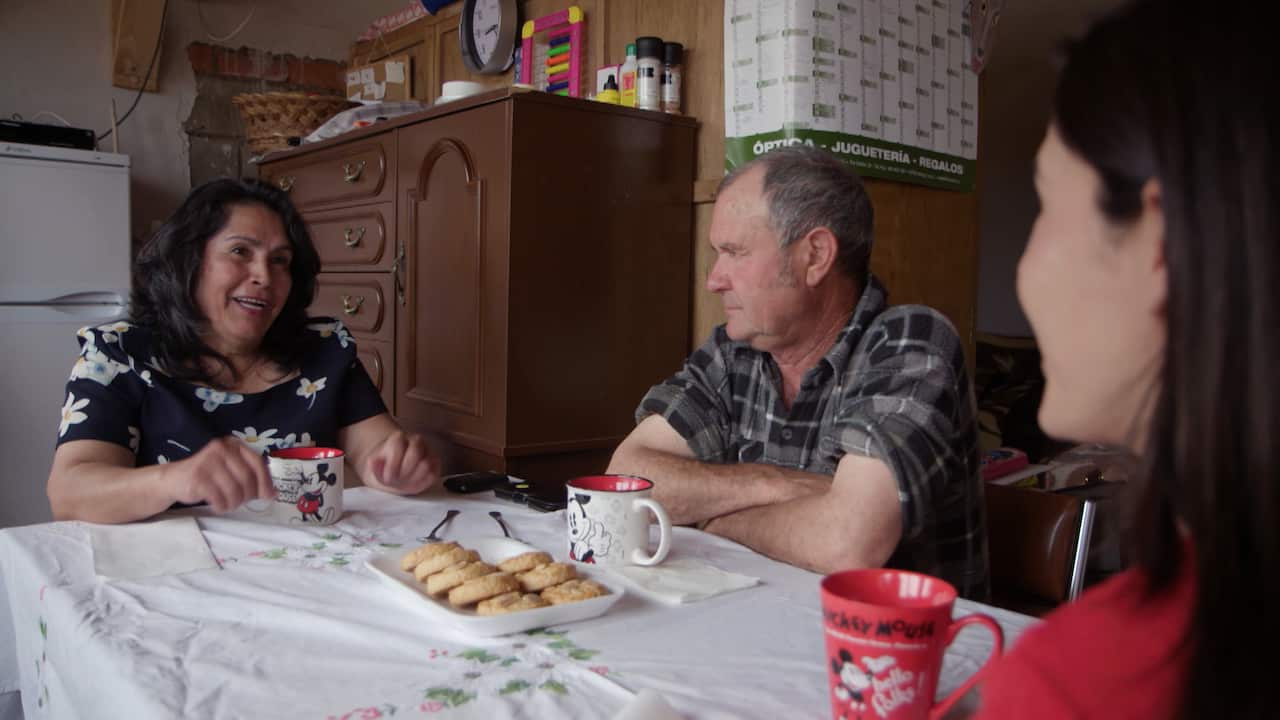
Antonio and Isabel are one of his success stories, meeting eight years ago when Manolo bought one of his caravan of women to town.
After they married, the couple put down roots in Sueros, a small country town with a population of just 20 people. Isabel loves living in the town.
“I’m very happy. I have my husband. I have my kids. My other kids come to visit. What more can I ask of life?” she said.
There are around 3,000 villages across Spain, like Sueros, that are now completely abandoned.
Even 11 years after the 2008 financial crisis, Spain has one of the worst unemployment rates in Europe at nearly 14 per cent and 32 per cent for young people.
In March this year, thousands took to the streets to protest against government inaction on de-population.
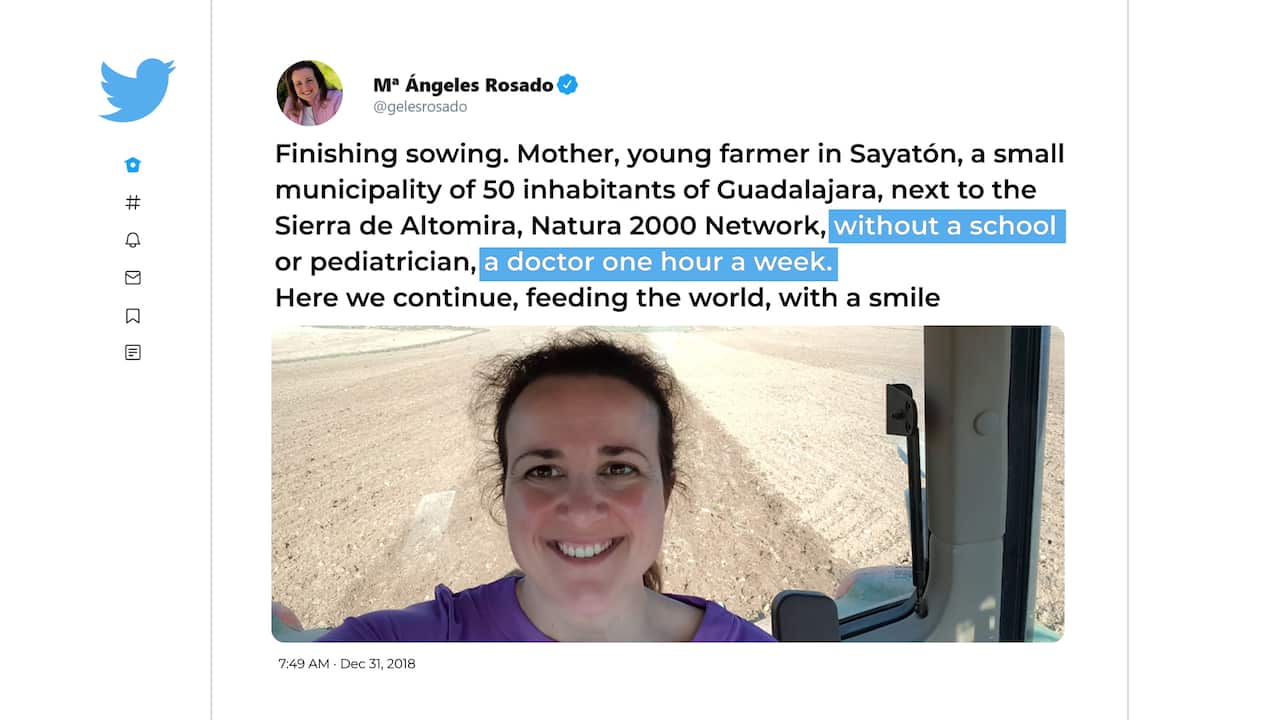
Maria Angeles Rosado lives in Sayaton -- a town with just 50 people, including five kids -- with her husband and three kids.
The entire town depends on agriculture as its primary industry. There’s no school, no doctor, no supermarket. In fact, the only services are a pharmacy and a bar.
In the lead up to a recent national election she tweeted about the problems facing Spain’s interior.
The tweet thrust her into the spotlight, with many touting her as the voice for rural Spain. She decided to run for parliament and she was quickly elected as the MP for the region.
“I think the most important thing is that people invest in the town. So more opportunities for work can be created,” she said.
Maria believes that breathing new life into dying Spanish towns will take more than a busload of single women with a lot of love to give. Political attention needs to be focused rural towns, she says, rather than regions with a higher voting populus.
“All the investment goes to those territories, not to the inland regions, which have been losing public investment for many decades and consequently these areas are very depopulated.”

Dateline is an award-winning Australian, international documentary series airing for over 40 years. Each week Dateline scours the globe to bring you a world of daring stories. Read more about Dateline

Have a story or comment? Contact Us







