
In Australia, we hear much about the debate in the US on the country's gun laws, particularly in relation to mass shootings. We hear much less about the clear links between the ready availability of guns and men who murder women through domestic violence.
As Dateline's Death In Plain Sight documentary highlights, it's not the gun itself that murders, terrorises and controls women's lives. It's the men who use them.
However, the shocking availability of guns puts women and their families at increased risk of domestic homicide by men.
Similarly, as one justice system representative in the documentary emphasised, justice and other related human services systems don't commit the lethal act, don't themselves subject women to the controlling patterns of emotional, social, financial and sexual violence that characterises domestic and family violence. It's the men who do this, as deliberate choices and acts.

News that makes sense
Your trusted source for staying up-to-date with the world around you. Get free daily news updates and analysis, straight to your inbox.
However, the gaping holes and gaps in information sharing, the ways in which information central to assessing and managing risk can be siloed away and not find itself to the Magistrate, Judge, child protection worker or police member making crucial decisions, makes it far easier for men to get away with family violence.
What the documentary did not portray are the many messages that men, all men, are exposed to about what men are entitled to expect (including from women), what women should be blamed for, what women are worth, and what it means to ‘be a man’.
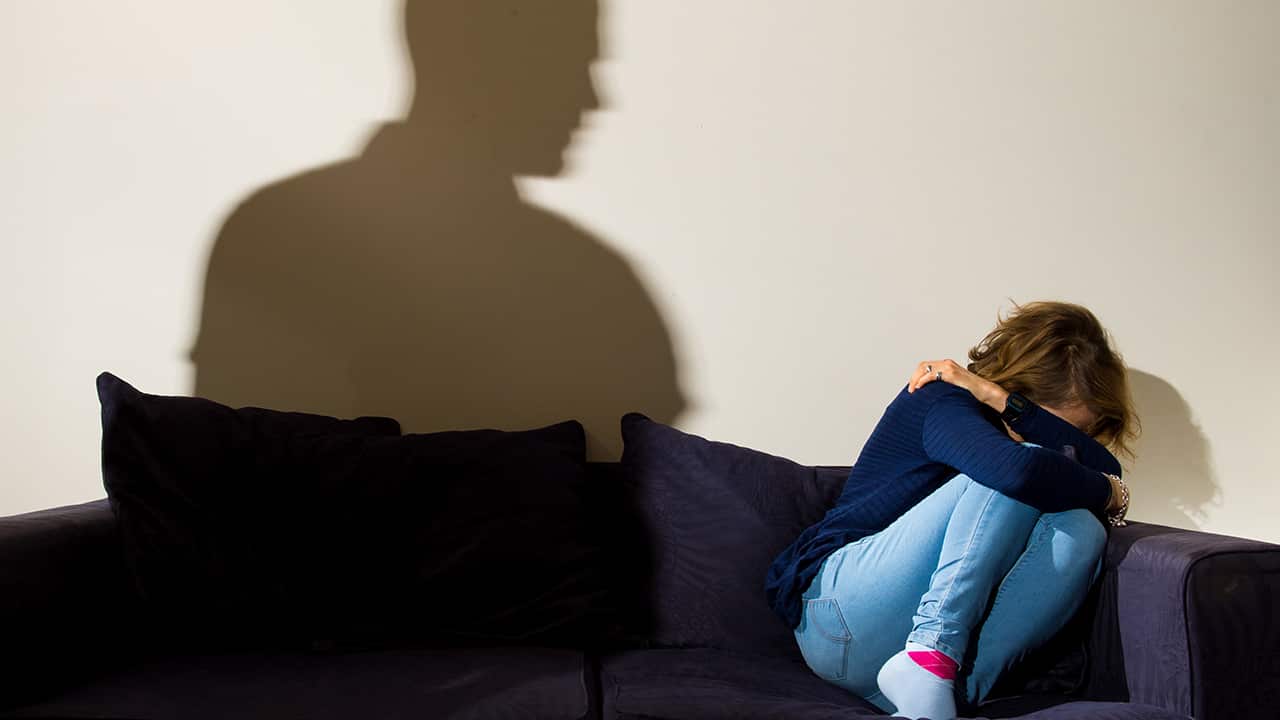
These pressures and attitudes, the sexism and narrow ways in which boys and men are meant to prove their worth as a man, shape the decisions that some men make to use family violence. It’s the men themselves who use the violence, but these societal and cultural attitudes and pressures enable it.
The documentary provided a brief insight into men’s behaviour change programs (MBCPs) that work with men towards the long and difficult journey of changing their violent attitudes and behaviours.
In the US, these are called ‘batterer intervention programs’, and earlier this year I had the opportunity to sit in on seven such group sessions and speak at an international conference organised by the Batterer Intervention Services Coalition of Michigan.
The system of MBCPs in the US, like anywhere, is far from perfect, but through my observations and meeting dozens of experienced practitioners who have devoted their lives to this work, it made me realise how Australian efforts to work with men who use family and domestic violence sometimes falls short.
Don’t get me wrong, we have some great programs and highly skilled practitioners. But our programs are too short – often 3-5 months rather than the 6-15 months that most programs in the US fall within.
Unlike the UK, we do not have an accreditation system to provide that extra level of confidence that our programs are effective and are working as they should.
Our programs, despite heading in the right direction, are still not sufficiently integrated within coordinated community responses with specialist women’s and children’s family violence services at the centre.
Towards the end of the documentary, US domestic violence risk assessment specialist Jacquelyn Campbell emphasised the investment that’s required to prevent the deaths of the three US women who are murdered on average each day by a current or former intimate partner.
In Australia so far in 2015, an average of almost two women per week have been killed by men. Our Social Services Minister, Scott Morrison, has recently declared family violence as the biggest problem of any kind facing Australia.
For this rhetoric to be matched with actions, we need a major step up in how we understand family violence and a much greater focus on working with men who perpetrate the vast majority of it.
Rodney Vlais is Manager of No To Violence in Victoria, Australia.
Information and Support
Use these website links and telephone numbers to get information and support regarding domestic violence in Australia:
- National Sexual Assault, Family & Domestic Violence Counselling Service: 1800 RESPECT (1800 737 732)
- No To Violence / Men's Referral Service: 1300 766 491
- The Luke Batty Foundation
- Mensline: 1300 78 99 78
- Lifeline: 13 11 14
- Kids Helpline: 1800 551 800

Dateline is an award-winning Australian, international documentary series airing for over 40 years. Each week Dateline scours the globe to bring you a world of daring stories. Read more about Dateline

Have a story or comment? Contact Us







