
How has Iceland become the best place in the world to be a woman? Full video here.
Ever since she was a young girl, all Erica Takato wanted to do was work with small children.
She earned a degree in early childhood education and started her career in a profession of utmost importance for Japan: teaching preschool.
Until she got pregnant and was hounded from her job.
A few weeks into her term, she requested time off for bed rest ordered by her doctor. But she said her boss questioned her condition and told her that, typically, women at the preschool resigned once they became mothers.
News that makes sense
Your trusted source for staying up-to-date with the world around you. Get free daily news updates and analysis, straight to your inbox.
Takato was shocked. But feeling harassed by her boss and bullied by her fellow teachers, she quit.
“I was so discouraged and lost hope of being able to work,” she said.
It was the last thing Japan needed.
The government is eager to bring more women into the workforce, anxious to breathe life into the economy and fill jobs that sit empty as the population declines. Women are responding — or trying to, anyway.
But even with the nation’s lowest number of births in more than 100 years, Japan is scrambling to come up with enough child care for mothers to go back to work.
At least 20,000 babies and toddlers are on waiting lists for publicly subsidised day care in Japan, and the government says it needs to create hundreds of thousands more slots in less than two years — a giant undertaking that depends on finding tens of thousands of new teachers.
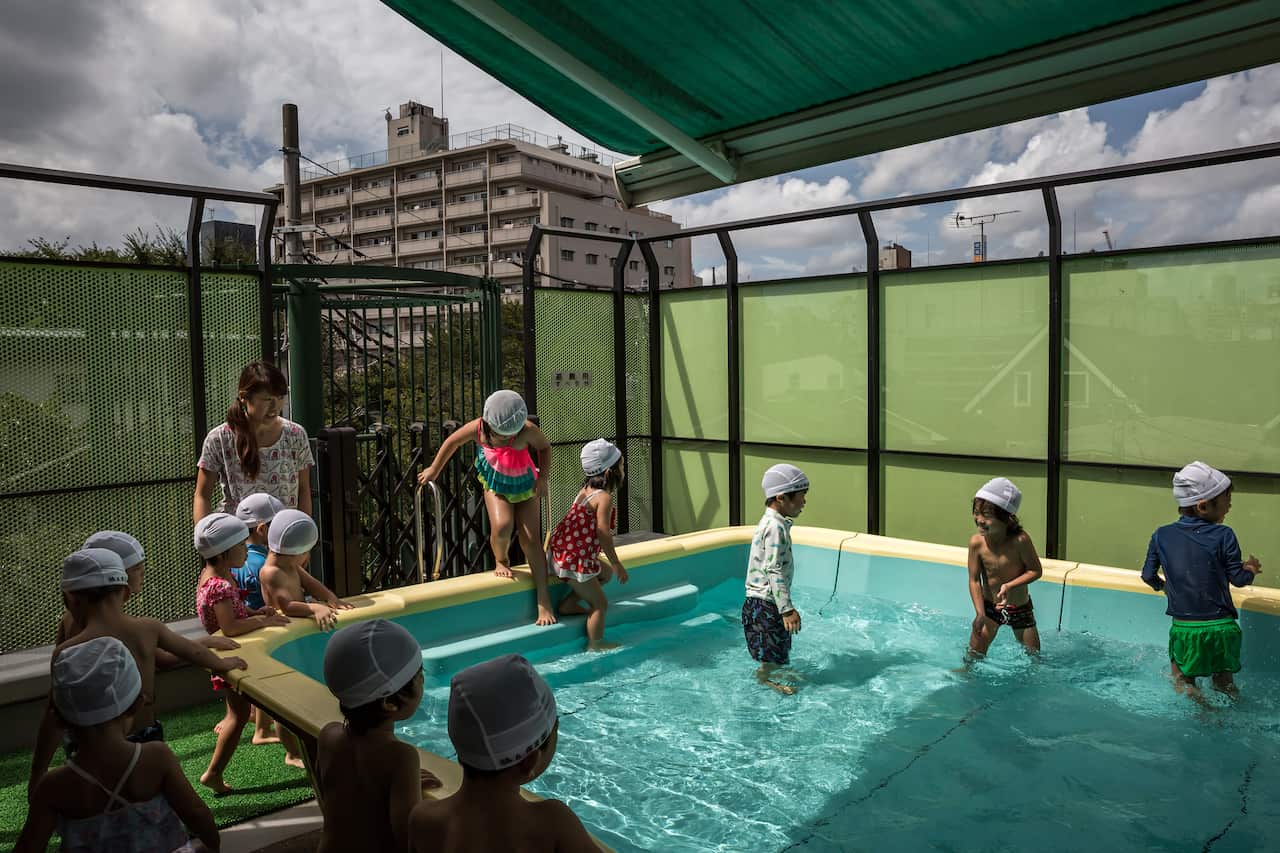
Union officials and former teachers cite a major obstacle to the aspirations: Beyond the long hours and low pay, day care workers are often pressured or forced out of the profession for having babies of their own, subjecting them to discrimination in the very settings created to help mothers pursue careers.
The harassment is not limited to the day care industry. According to the Ministry for Health, Labor and Welfare, complaints against employers for demoting or telling women to resign because they got married or pregnant or gave birth have grown more than 20 per cent in the past decade — a statistic that only begins to capture the problem, experts say.
“In Japan, to go against your company on your own is very difficult,” said Kazuya Takemura, a lawyer who helped represent a Japan Airlines flight attendant who sued the airline when it forced her to take unpaid leave after she reported her pregnancy.
Most of the licensed day care or nursery schoolteachers in Japan are women, and many end up leaving the profession. One of the biggest reasons, they say, is that they find it impossible to continue working once they have children, according to a poll by the National Union for Day Care and Welfare Workers.
Many teachers “wonder whether it’s even a good idea to mention their pregnancies,” said Kazuko Sasaki, head of the union’s nursery school chapter in Tokyo.
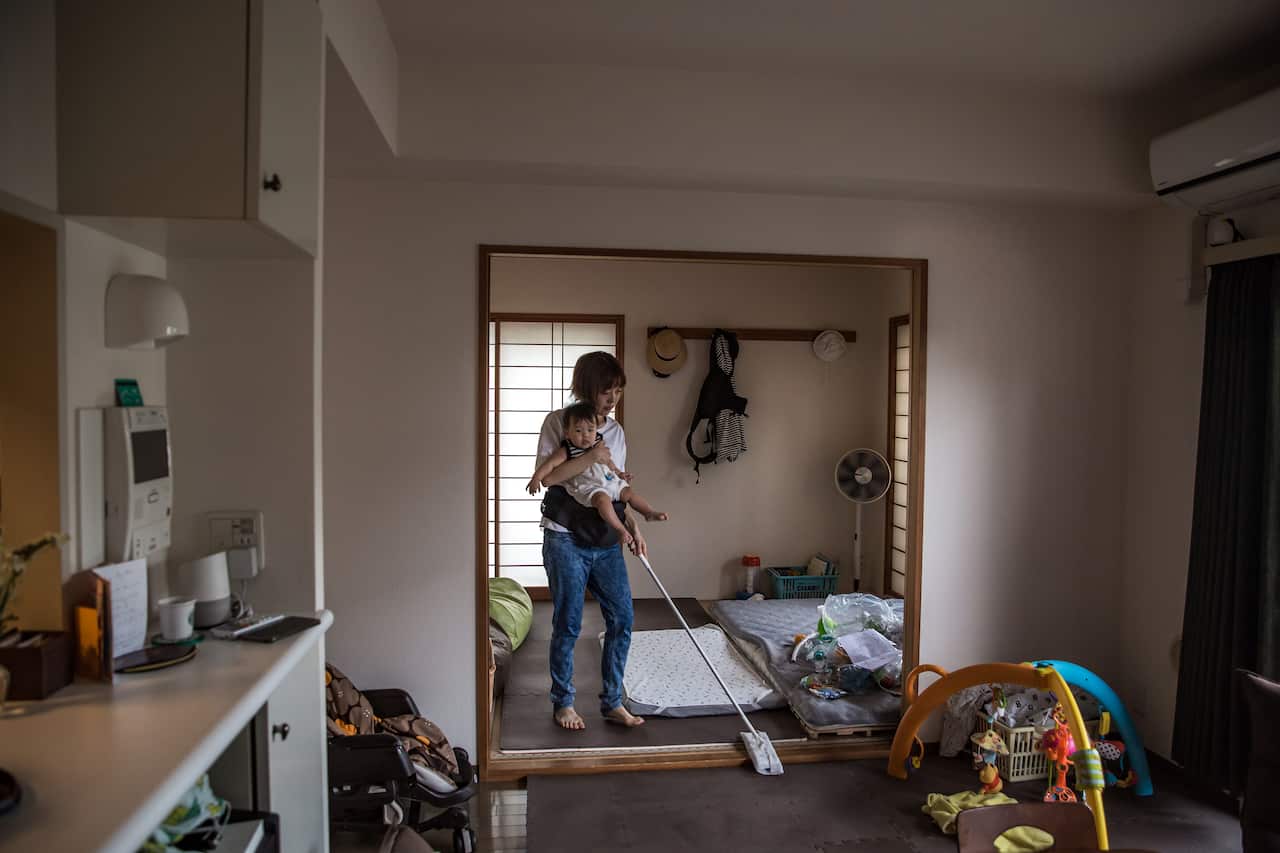
In one case last year, a preschool principal instructed her teachers to schedule their pregnancies so that their maternity leaves would not overlap, then reprimanded one of them for getting pregnant out of turn.
Japan’s day care crunch may seem counterintuitive in a country with relatively few young children. Though it has nearly 130 million people, fewer than one million babies were born last year, the lowest since records began in 1899. Japan’s birth-rate is one of the lowest in the world.
For generations, Japanese women were expected to quit their jobs after marrying or having children. Now, a solid majority keep working. According to the Hamilton Project at the Brookings Institution, 72 per cent of married women ages 25 to 54 worked in Japan in 2017, up from 58 per cent in 2000.
Prime Minister Shinzo Abe, who took office in 2012, promised to help mothers go back to work by drastically cutting day care waits. Since 2013, municipalities have raced to add 535,500 publicly subsidised day care slots, and Abe’s government recently made most preschools free for three- to five-year-olds — that is, if families can find an opening.
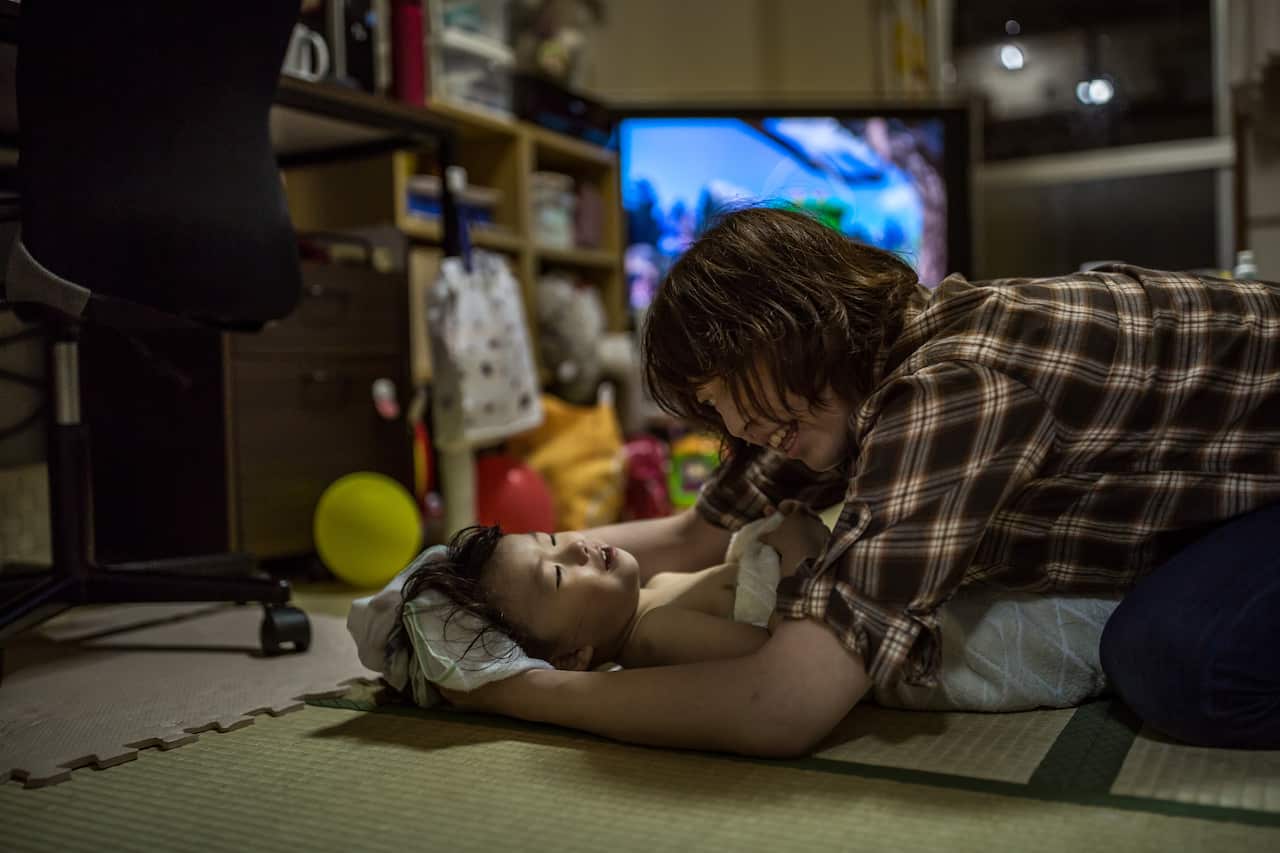
But the government wants to increase the proportion of working women to 80 per cent. To make that possible, it says it must create 320,000 additional publicly s day care slots by early 2021, requiring 77,000 more teachers.
Parents shut out of publicly funded day care can sometimes find openings in unsubsidised, private facilities. But many families are wary because the facilities cost much more and are not required to meet federal standards for the number of licensed teachers in classrooms.
In the rush to add slots, some local governments have lowered other standards as well, raising more concerns. Several children have died in private day care facilities, including a case in which an infant suffocated to death during a nap last fall.
Then there are the entrenched cultural views of motherhood in Japan, which have lagged behind workplace realities.
“It is a really heavy-rooted mindset that mothers will take care of their children until they are three,” said Hiroko Inokuma, a journalist and child care development specialist.
In a speech last year, a lawmaker in Abe’s governing Liberal Democratic Party said, “Children need an environment in which they can stay with their mothers.”
Similarly, after a blog post went viral three years ago with an anonymous mother’s plea — “I couldn’t get day care — die Japan!!!” — the mayor of a Tokyo district publicly scoffed that “it’s the parents’ responsibility” to take care of their children.
The problem is magnified by the fact that Japanese parents are generally reluctant to invite strangers into their homes to care for their children, making it harder to fill the gap with nannies or babysitters.
And where previous generations of grandparents lived with — and helped care for — their grandchildren, multigenerational households are far less common today, particularly in large cities like Tokyo.
That leaves many parents frantic to get into the government-funded day care centres — a sometimes quixotic pursuit that Asami Marumo, a trained nurse, says pushed her out of her job.
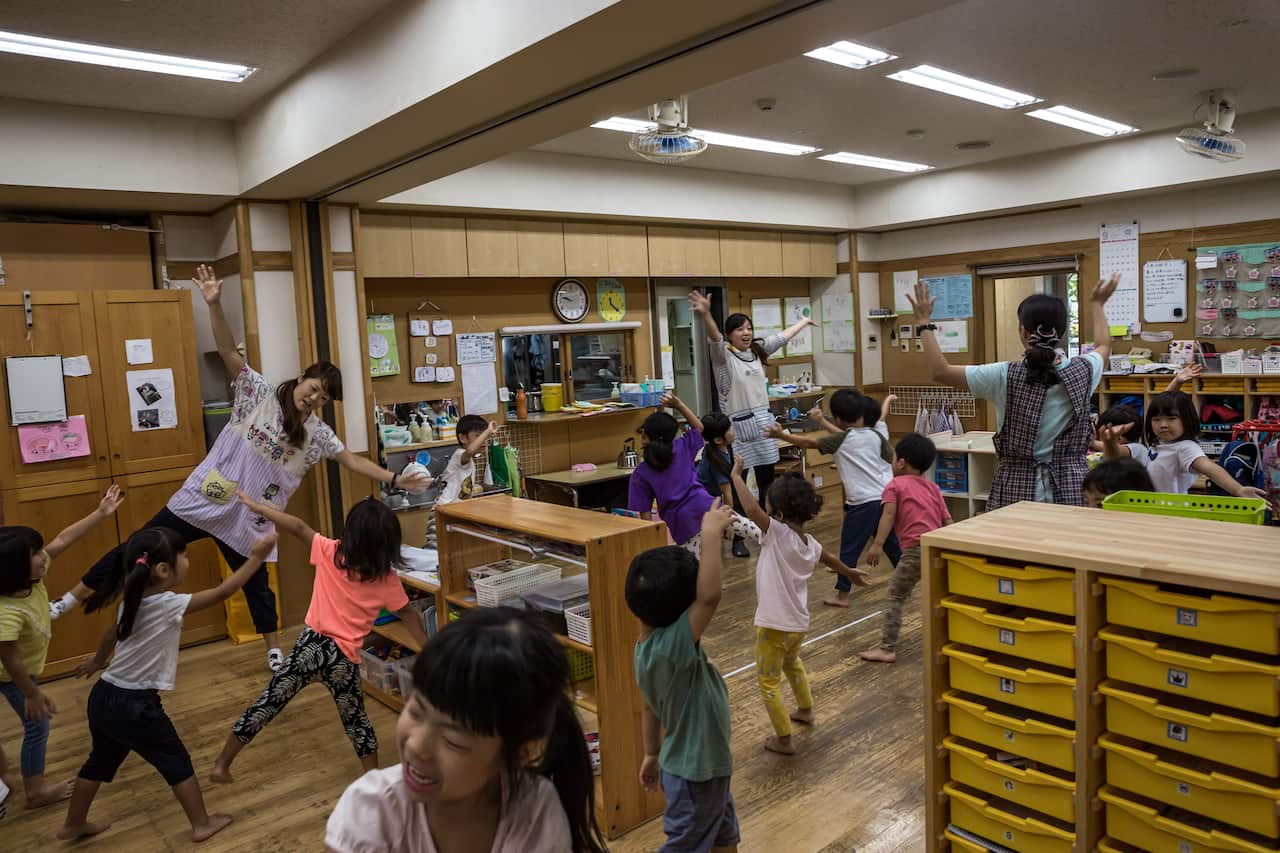
Nursing is another chronically understaffed profession, and Marumo, 42, wanted to put her nearly two decades of experience to work. But she said she applied to six public day care centres for her daughter in a Tokyo suburb. None had openings.
“My work would improve my child rearing, and my child rearing would help me with my job,” Marumo said as her daughter, Sumire, squirmed in her lap and tried to shove cookies into her mouth. “I think it’s like two wheels, and both are indispensable.”
After years of trying, she finally found an opening in a preschool for her daughter, now four.
A few alternative day care centres have sprung up. At babyCo, a small studio in Tokyo that combines office space with babysitting services, women can work with their children nearby.
On a recent afternoon, two mothers hunched over their laptops at a table while caregivers tended their babies in the other half of the room strewn with toys, bouncy chairs and car seats. The babyCo teachers brought their own children, too.
Takato, the day care teacher who quit her job after getting pregnant, said she wished she had that choice.
As a young college graduate with an early childhood teaching qualification, she easily found a job at a traditional child care centre. Then, after she got pregnant, her doctor warned that she was at risk of miscarriage.
Her principal’s response stunned her.
“She said, ‘You are entitled to maternity leave, but at this school nobody has ever used that system,’” Takato recalled. “She said, ‘I let pregnant teachers quit before they take a leave.’”
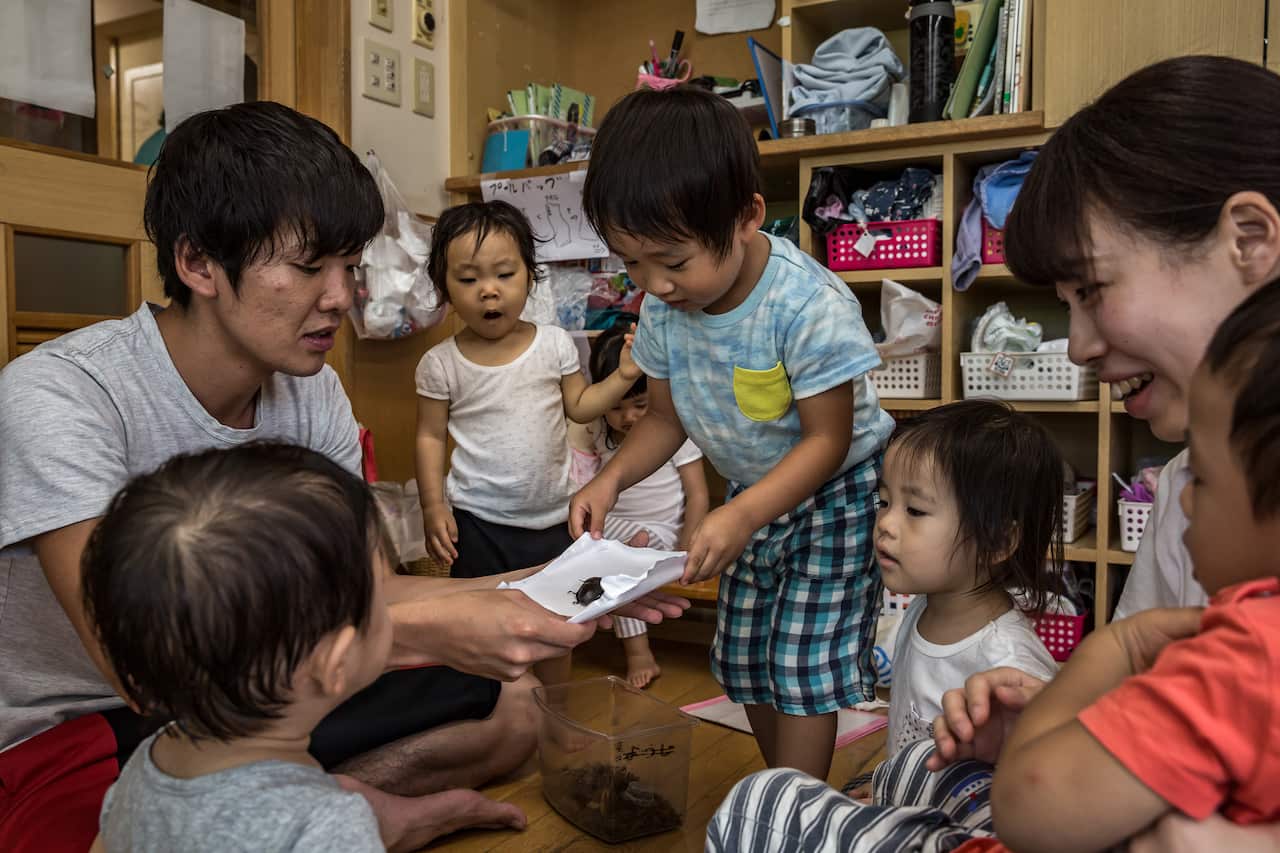
Takato said she felt the not-so-subtle pressure from other teachers, who did not relieve her from tasks like climbing ladders to change light bulbs or carrying a stone mill used for pounding rice.
When she felt nauseated, she said, the vice principal told her that morning sickness wasn’t real. When her doctor ordered her to take two weeks of bed rest because she was at risk of miscarriage, Takato said her principal insisted she come in to deliver the doctor’s note.
“I thought, ‘What’s the point of risking my own child’s life to put up with these teachers?” she said. When her doctor told her to extend her bed rest, she quit.
Now she keeps up a slate of freelance jobs online and edits a blog that offers tips on day care.
Without a child, Takato said, she might consider teaching again. But she didn’t see how it could work now, especially with her husband working such long hours. He is rarely home when their daughter is awake.
“Even though we have qualifications as teachers, and we heard in school that your job will be secure, it’s almost like a myth,” she said. “In reality, as a mother, it’s really impossible.”

Dateline is an award-winning Australian, international documentary series airing for over 40 years. Each week Dateline scours the globe to bring you a world of daring stories. Read more about Dateline

Have a story or comment? Contact Us







