Watch Dateline's latest episode, Buying Sex in Sweden, on 1 September at 9.30pm AEST on SBS or SBS On Demand.
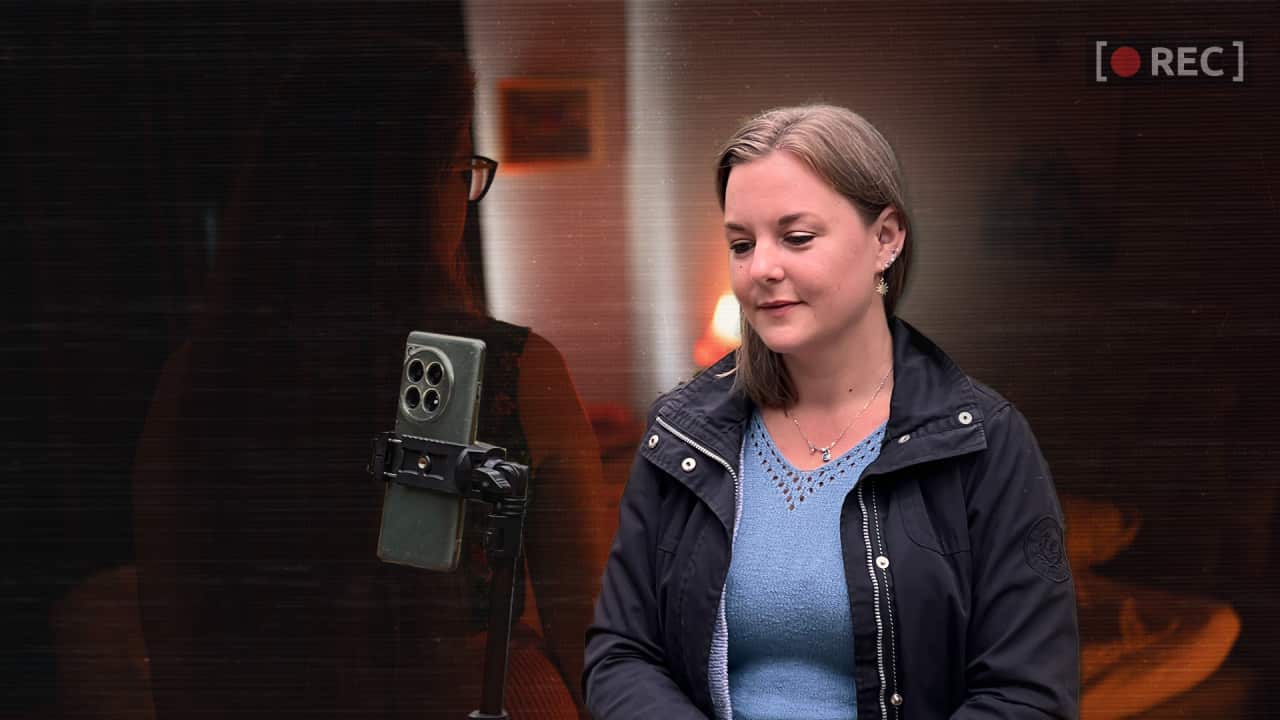
Somewhere in a Swedish forest, adult content creator Jennifer Vinter (her online alias) sets up her phone on a tripod, getting ready for a livestream.
She takes out a pink vibrator, a must-have for any explicit streamer, that viewers activate by tipping her.
She says that her followers enjoy not only the risqué aspect of her being outdoors, but also the nature.
"And sometimes I take off my jacket!" she giggles.
News that makes sense
Your trusted source for staying up-to-date with the world around you. Get free daily news updates and analysis, straight to your inbox.
The 38-year-old former travel agent got into adult content creation during the COVID-19 pandemic and says it has "changed her life in positive ways".
"I suddenly have freedom in life that I never had before."
She used to upload most of her content to OnlyFans, the popular adult subscription service. But last year, Sweden made it illegal to pay creators for custom-made sexual content. Clients who pay for online content of a sexual nature could face a fine or up to a year in prison.
Jennifer says these videos were her main source of income, so she lost three quarters of her earnings on OnlyFans when the ban took effect in July 2025. She had to switch to a webcam service that ignores the new law – however, it’s not clear how long that will last.
"Sweden decided that if you order a custom-made video, then that is the same as buying sex in person because you request the person to do something for you that they might not want to do," she said.
"But I mean I can say ‘no’ to requests. But apparently I'm not allowed to make that decision for myself. If I want to show my body online, I can."
Jennifer says the creators like her never had a say in the new law and were never consulted, even when trying to make their voices heard.
"One of the political party leaders made a statement that all the letters of protest that she's received can't possibly be written by us because we are not women with education. So it must be written by our pimps."
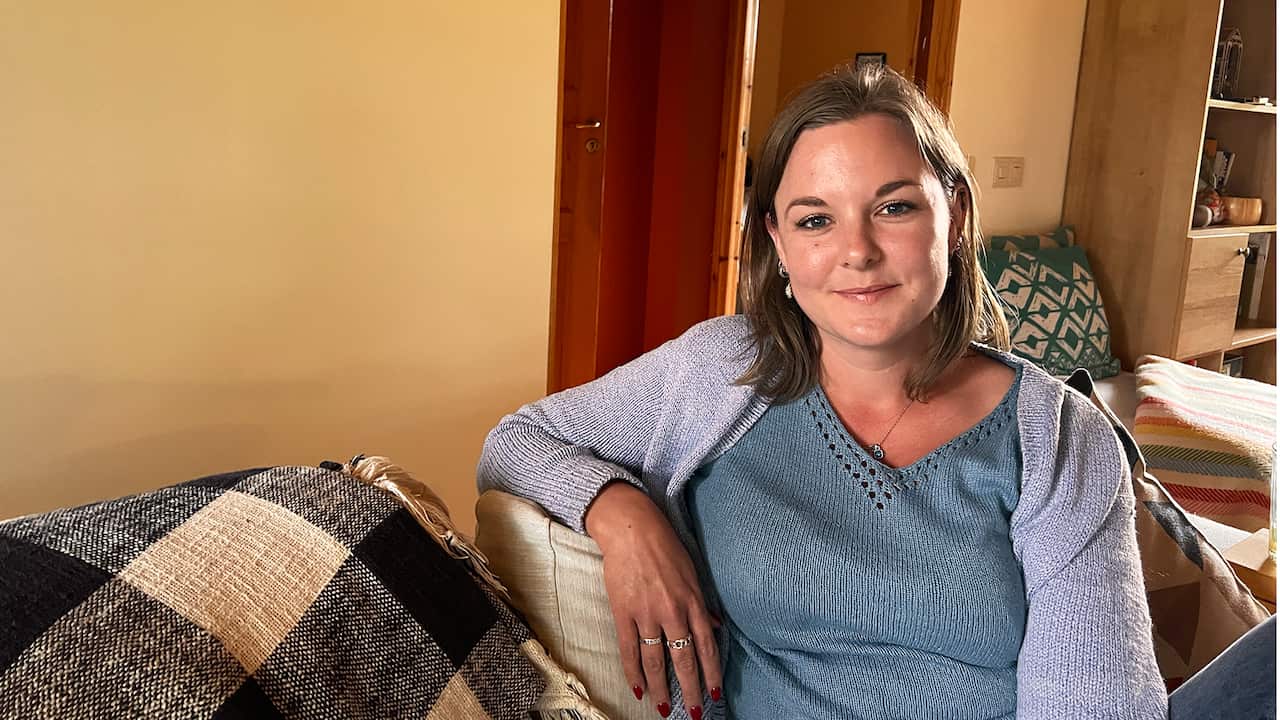
She also says that the law has forced some creators back to selling sex in person as their online earnings dwindled, depriving them of the safety that OnlyFans offered.
She says that if the live streaming website she uses now gets restricted as well, she may have to change professions.
“It's really frustrating because I don't want to be forced to make those decisions," she says. "If I can't have a way to interact with my followers on any platform, what am I going to do then?"
But the Swedish government has defended the law, saying that paying someone to perform sexual acts on camera was essentially equal to buying physical sex, which is illegal in Sweden. This unique law, which allows the sale of sex but not the purchase, is known as the Nordic Model.
'They just want to get rid of sex work'
Sweden passed the Nordic Model law in 1999, criminalising sex buying, pimping and brothels. But selling sex stayed legal. It was seen as an equality move to protect women, and punish men.
Those who are pro-model say that the law aims to protect women who are forced into sex work and that they make up the majority of sex workers.
Critics of the law say that it further pushes the industry underground and actually makes those who sell sex more unsafe – as well as depriving disabled people of access to the purchase of safe sexual services.
A 2022 survey by the London School of Economics (LSE) that interviewed sex workers and people in the sex trade, police, social workers, and policymakers found that 96 per cent of respondents believe that the criminalisation of the sex buyer has instead made workers in the industry more unsafe and vulnerable to exploitation.
Like Jennifer, Greta (not her real name) is a sex worker by choice. She first started doing sex work at around the age of 19, when she was struggling to find a job that she genuinely enjoyed, and says that it works very well for her.
She asks to be anonymous because she doesn’t want her landlord to find out she's a sex worker.
"The landlord could be seen as a pimp under the Nordic model because he's providing my home and I'm a sex worker. Even though he doesn't know, it doesn't matter."
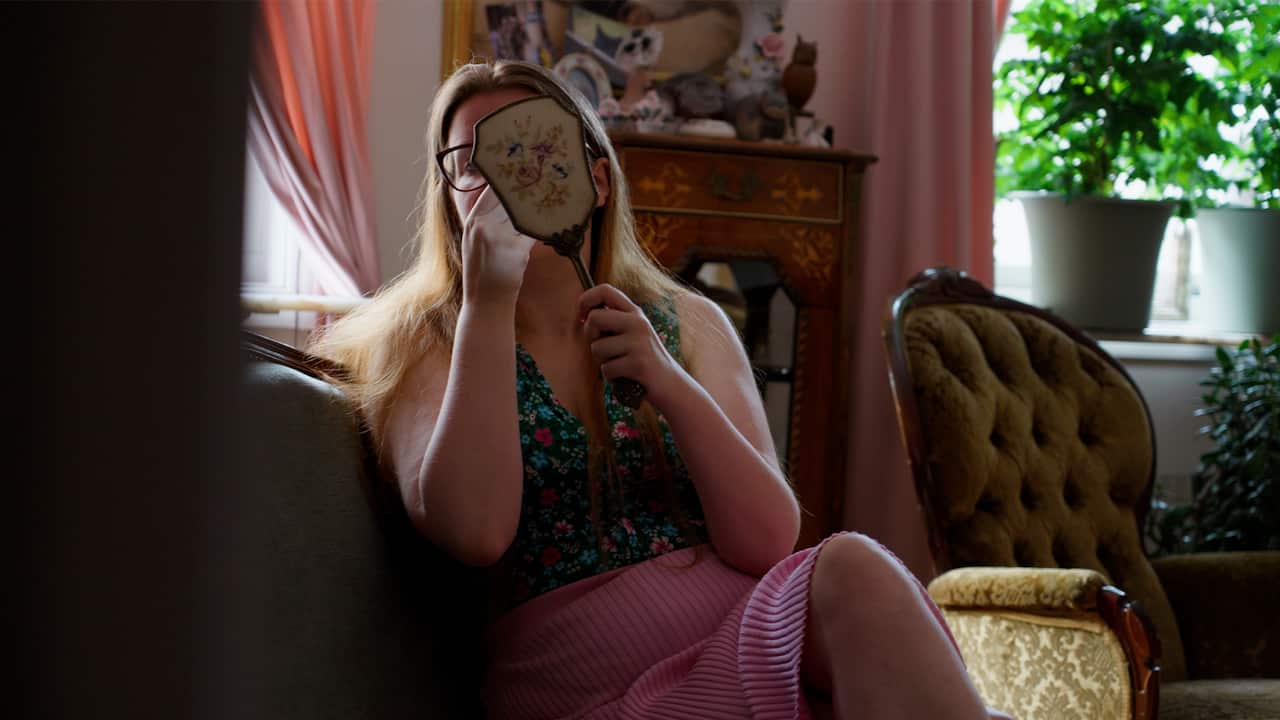
She says that the Nordic Model makes it more difficult for sex workers to work safely.
"It's definitely a worry that if something bad happens to me, I can't go to the police just because I'm very wary of them knowing what I do for a living."
Greta says that in addition to her being kicked out, she is worried that the police might seek her client list, which would in turn lead to her losing her income.
She says that the government "don't care about people, the sex workers being safe or anything. They just want to be rid of sex work."
"I also think it's wrong to force people who want to do sex work in some capacity to tell us that that's not okay. ‘You are being raped’. No, we are not. Stop telling us what's happening to our own bodies."
The price of sex work
Elisabeth Cewers, a detective with the Malmö police, says the authorities see sex work as exploitation, regardless whether workers were trafficked or not. They crack down on illegal brothels by posing as prospective clients or catching sex buyers "in action" leaving the premises or through payment records.
From her experience, most sex workers are foreigners from Eastern Europe, South America or Africa.
"I haven't met one woman or a man that has been happy about the situation," she said.
"I think that if we can protect hundreds of women, if we have to pay the price that some women are not able to sell their bodies … I think that's the price that I'm prepared to pay."
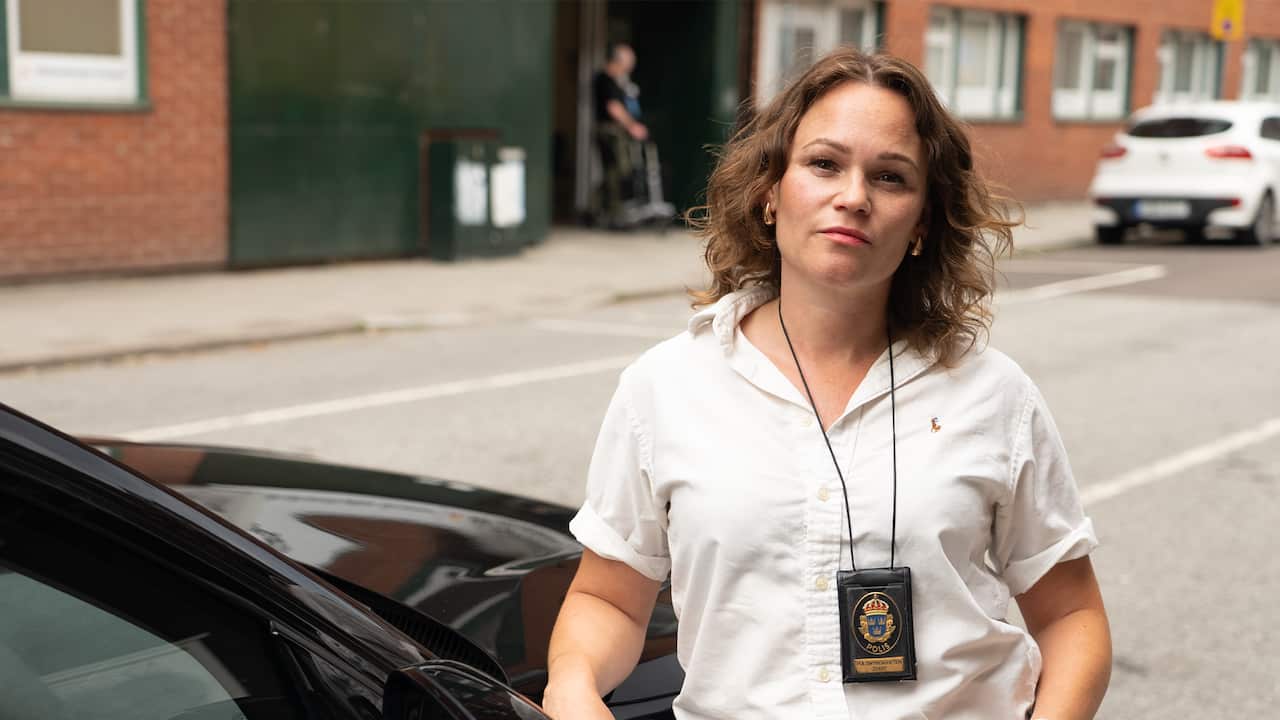
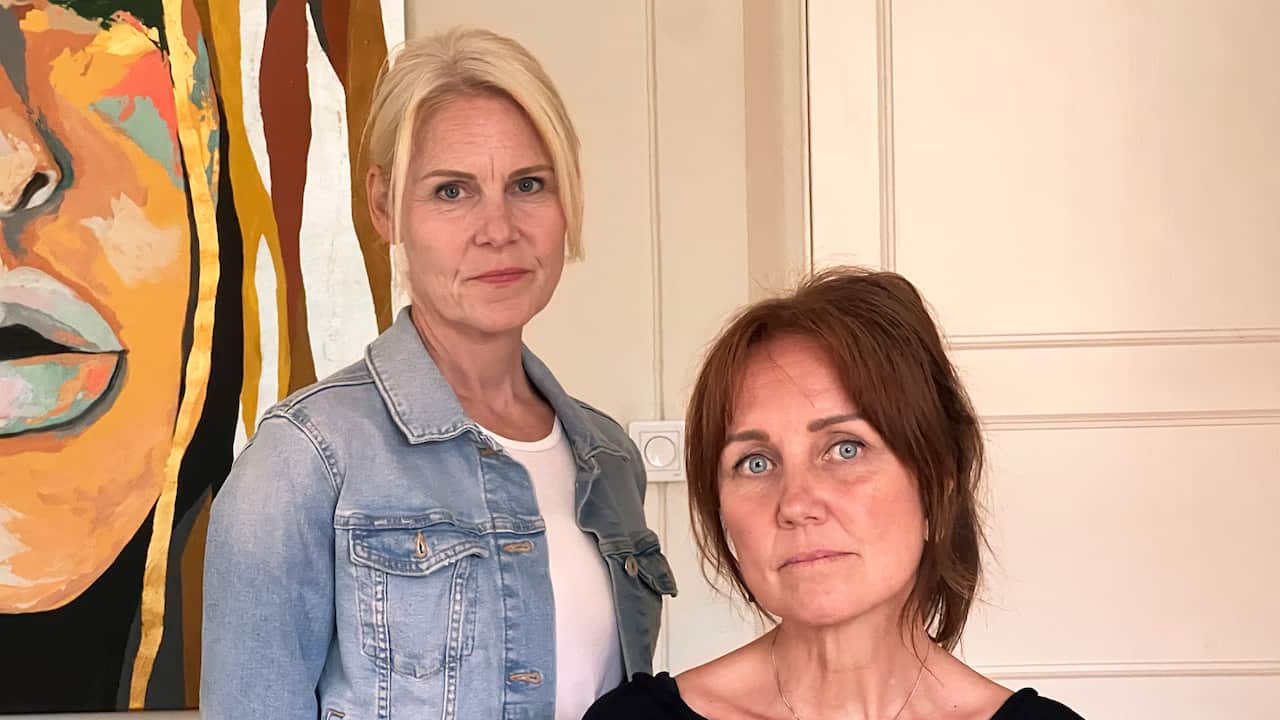
Anna Sander and Josephine Appelqvist, who help women escape from sex work and trafficking, echo the sentiment.
It is their organisation, Talita, the police call when they find a sex worker who is willing to go into a safe house and rehabilitation program, which includes counselling and trauma therapy.
They started doing their outreach work one year before the Nordic model law was introduced, and while they were skeptical about it at first, they saw the positive impact.
"It's absolutely fantastic because it really puts the blame where the blame should be - on the person that is actually exploiting someone else. He is the one that should be criminalised," says Anna.
They see sex work not as work but as exploitation of vulnerable women, and those who do it voluntarily make up a small minority.
"We can't do it for the 5 per cent that claim that they do it because they don't want to do anything else. So that's also why we have the law that we have."
The migrant sex worker conundrum
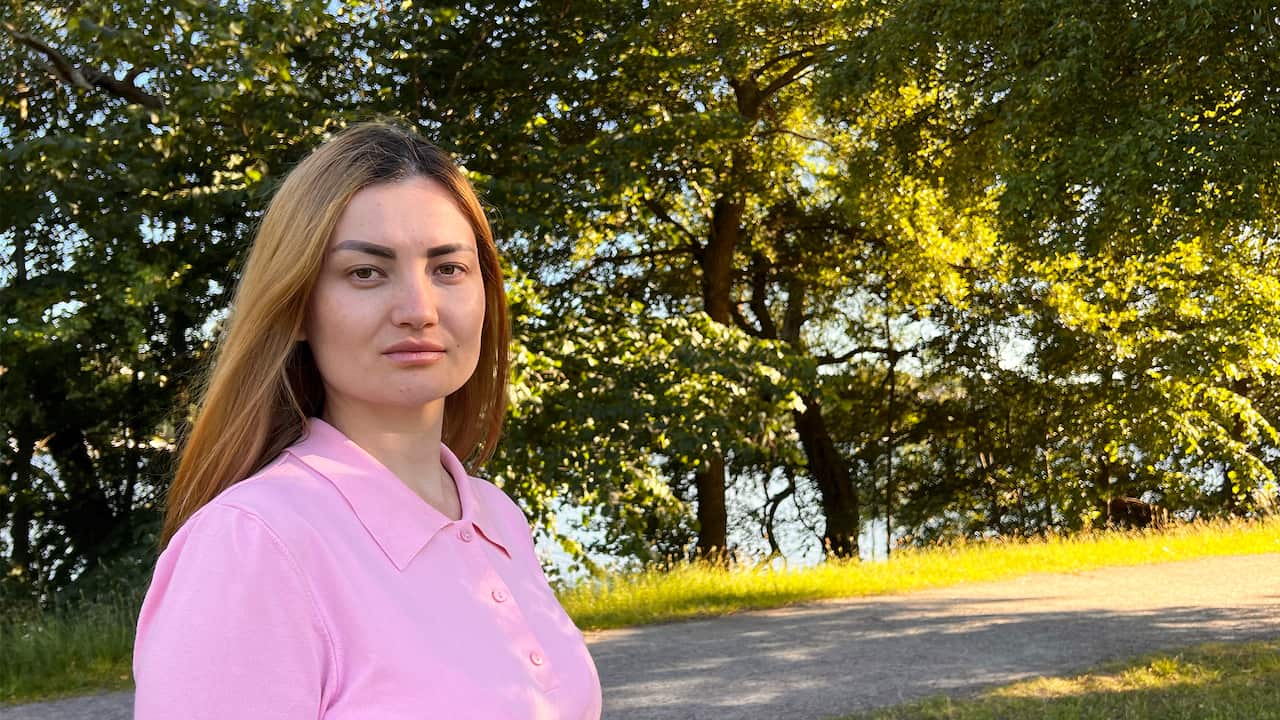
Maftuna, 26, was forced into prostitution and trafficked into Sweden from Kazakhstan at the age of 17.
She says buying sex should stay illegal.
"Because a man chooses to go and buy sex ... but the man doesn’t know why that women is doing it. The person selling never chooses to go and do it."
Maftuna escaped thanks to a chance encounter with Swedish immigration.
"As soon as they found out I was 17, they called the police, and they called Social Services. Social Services drove me straight to Talita."
Maftuna was lucky to be allowed to stay in Sweden permanently. But most aren’t so lucky and can be seen as becoming "de facto" criminals due to the law.
In the Nordic countries — Sweden, Denmark, Norway, Finland and Iceland — upwards of 70 per cent of people in the sex trade are migrants, according to research by the Centre for Women, Peace and Security at the LSE.
Research by the LSE in 2022 claims that even though Sweden, Norway and Finland decriminalise selling of sex, in practice they criminalise it for migrants as the selling of sex is grounds for deportation and denial of entry for people coming outside the European Union.
Last year, Human Rights Watch also called on the Swedish government to stop deporting migrant sex workers and accused it of using legal loopholes to find grounds for deportation.
The organisation reports that "police stated that the women [sex workers] posed "a threat to public order" because "prostitution is an activity that promotes and gives rise to serious crime".
Despite the criticisms and debates, surveys show that 70 per cent of the Swedish population are in favour of the Nordic Model, with support from all major political parties, and no sign of it going away.

Dateline is an award-winning Australian, international documentary series airing for over 40 years. Each week Dateline scours the globe to bring you a world of daring stories. Read more about Dateline

Have a story or comment? Contact Us







