This article was first published in February 2025. It has been updated.
Imagine a world where near-extinct species roam the streets and forests like they would have millennia ago.
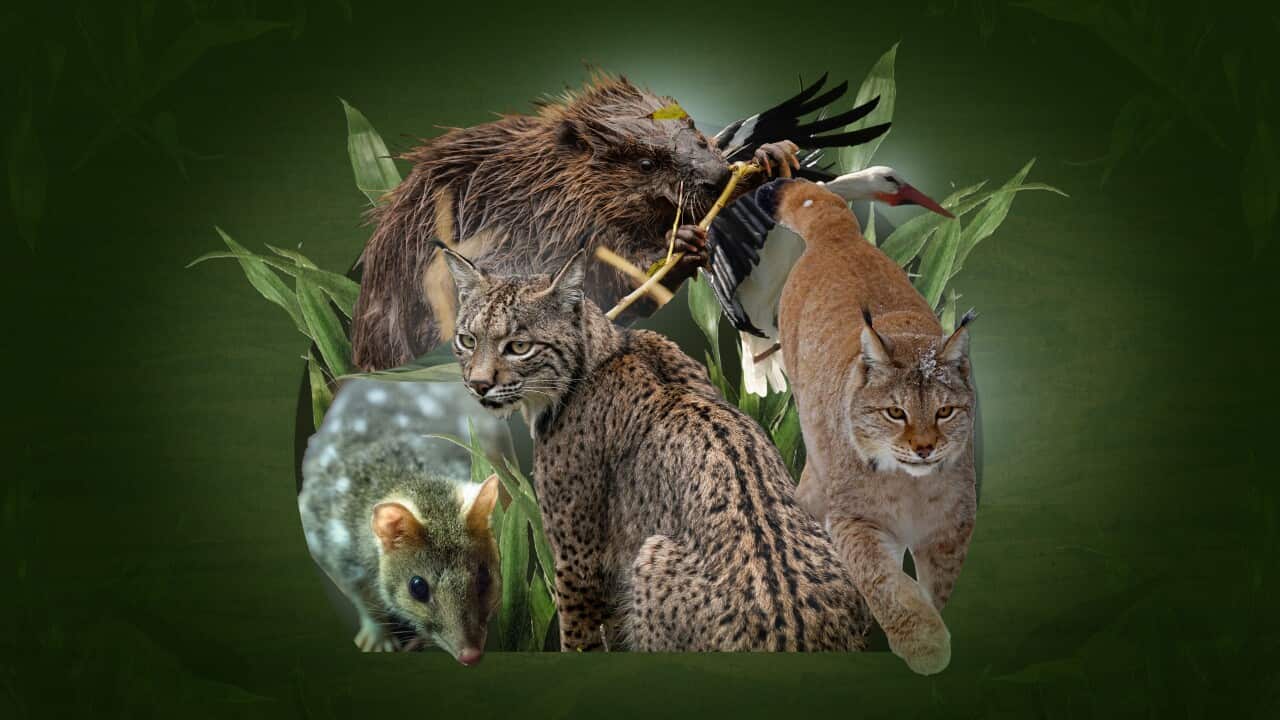
That's the goal of 'rewilding' — the practice of reintroducing native species to their traditional habitats, helping to restore traditional ecosystems in the process.
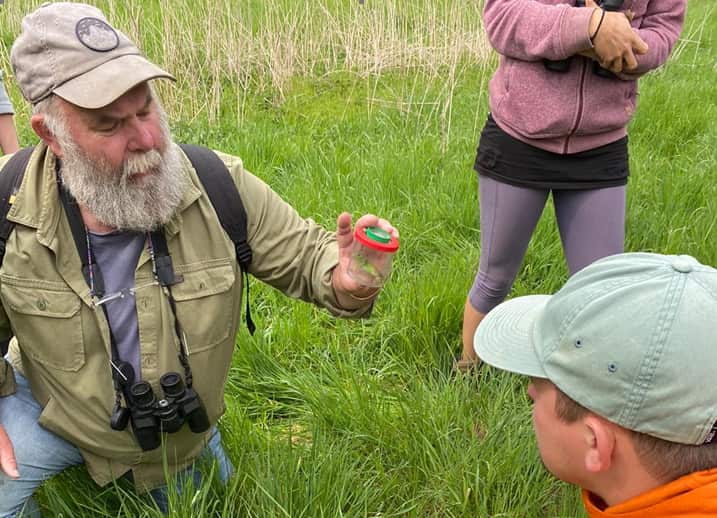
One of the people working in this space is Dr Patrick Finnerty, a postdoctoral research fellow at the University of Sydney's Global Ecology Lab. His work has focused on urban rewilding, returning native species to spaces in and around Australia's cities.
That includes projects in northern Sydney to introduce species that "used to be here, but now aren't — but are regionally common elsewhere".
News that makes sense
Your trusted source for staying up-to-date with the world around you. Get free daily news updates and analysis, straight to your inbox.
Another project has involved the reintroduction of 15 eastern quoll in April this year. The quolls have been released in feral animal-proof fenced reserves on the NSW south coast, near Nowra. Ten of the 15 quolls were brought from Tasmania's Barrington Wildlife Sanctuary, which is also home to Tasmanian devils and a chlamydia-free koala population.
The eastern quoll is extinct in mainland Australia, with the last reported sighting dating back to the 1960s in the Sydney suburb of Vaucluse.
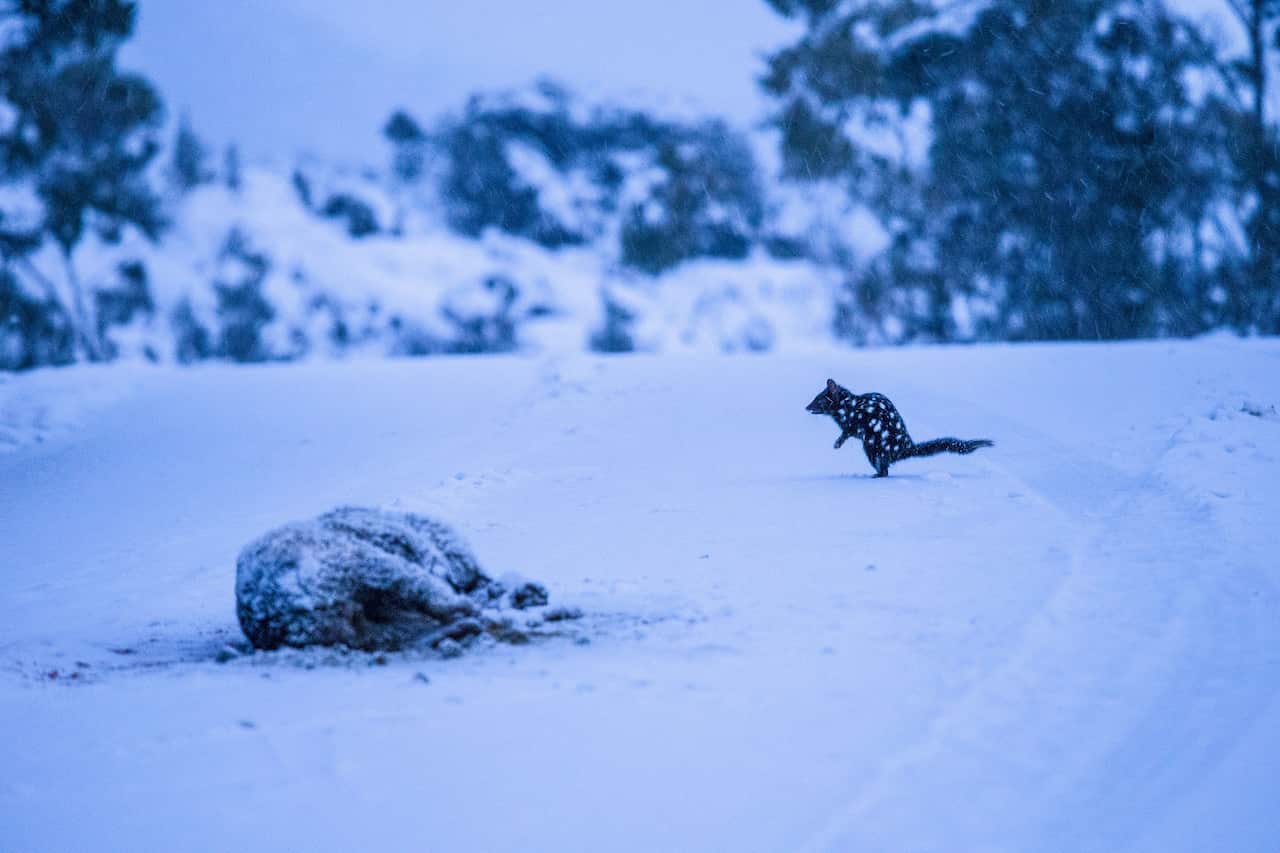
A number of factors contributed to the quoll's extinction, including disease and predation by introduced species.
"Reintroducing these species back into these ecosystems is ecologically important," Finnerty told Dateline.
As well as the positive impact on healthy ecosystems, there's also a potential benefit for humans.
"What we've seen in the last couple of decades is what we call 'nature deficit disorder'. People are becoming less and less connected to green spaces, especially in our cities," he said.
This affects physical and mental well-being. So, one of the aims of urban rewilding is also getting people "excited about being in these green spaces".
The hope is this will encourage people to think more about conservation.
Challenges of rewilding
Rewilding comes with several considerations and challenges. Firstly, from an ecological standpoint, the selected species has to be suitable for the suggested habitat.
There are also social considerations: Finnerty said selecting "charismatic species" is often a good idea because "trying to get people keen for these species to actually be around them is key". For example, reintroducing a species like the dingo to Sydney wouldn't work from a "social standpoint" because people would likely be worried about potential damage.
Another social element is the importance of Indigenous engagement in rewilding projects. Finnerty explained the term 'rewilding' has been critiqued for having a Eurocentric lens.
"Rewilding originally was this push to this idea of restoring wilderness, but 'wilderness' innately ignores human connection with landscapes for millennia," he said.
"Getting Indigenous peoples involved in species reintroduction efforts, especially from an Australian standpoint, is key."
But there's also a community of 'rogue' or 'guerrilla' rewilders, who are taking matters into their own hands.
Rogue rewilding is a phenomenon where individual activists or groups release species themselves.
And across the UK, where a number of high-profile rewilding cases have taken place, the concept has sparked debate and controversy.
Lynx return to Scotland
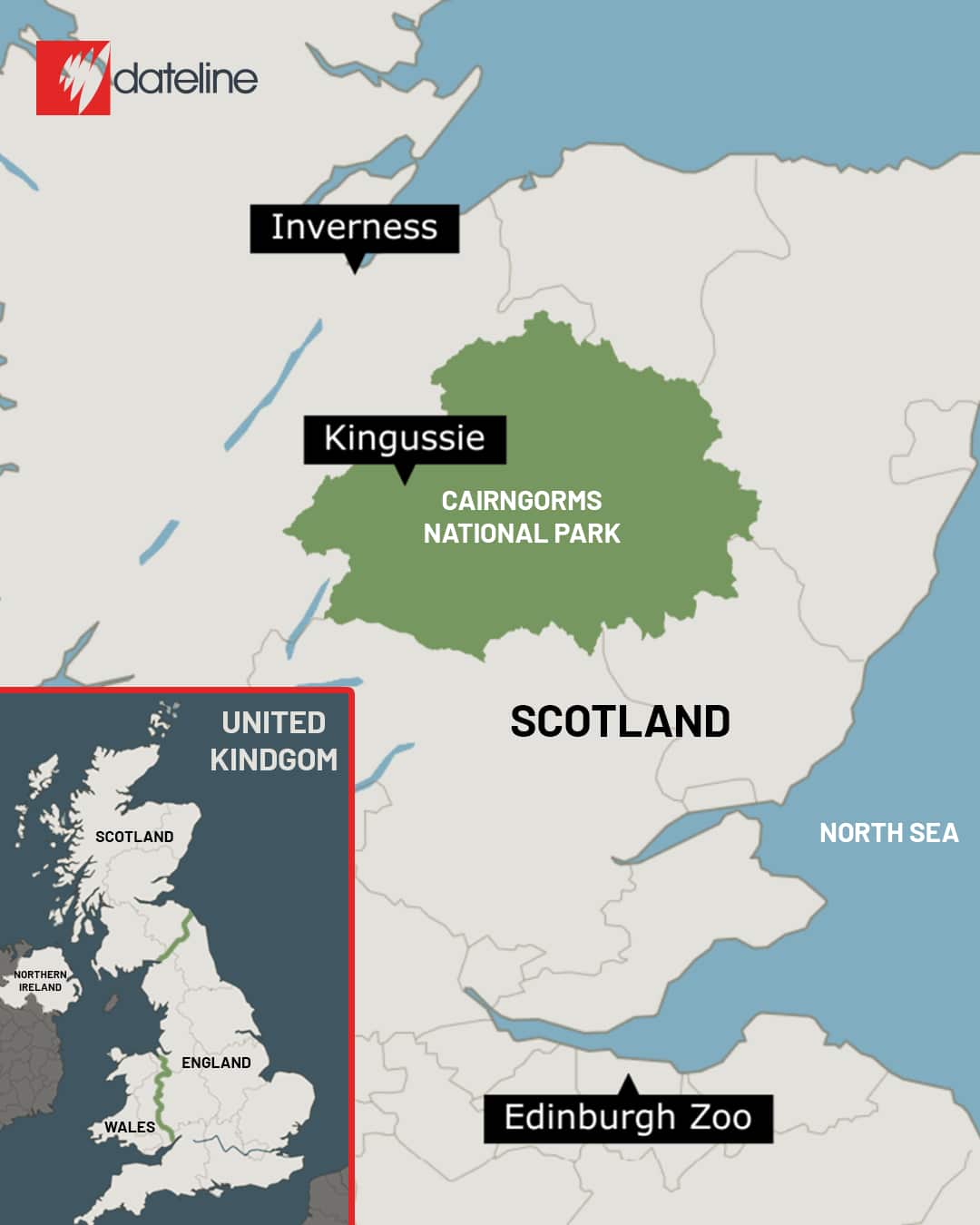
It’s a sub-zero January 2025 night in the Cairngorms National Park in the Scottish Highlands and thick snow has settled on the forest floor.
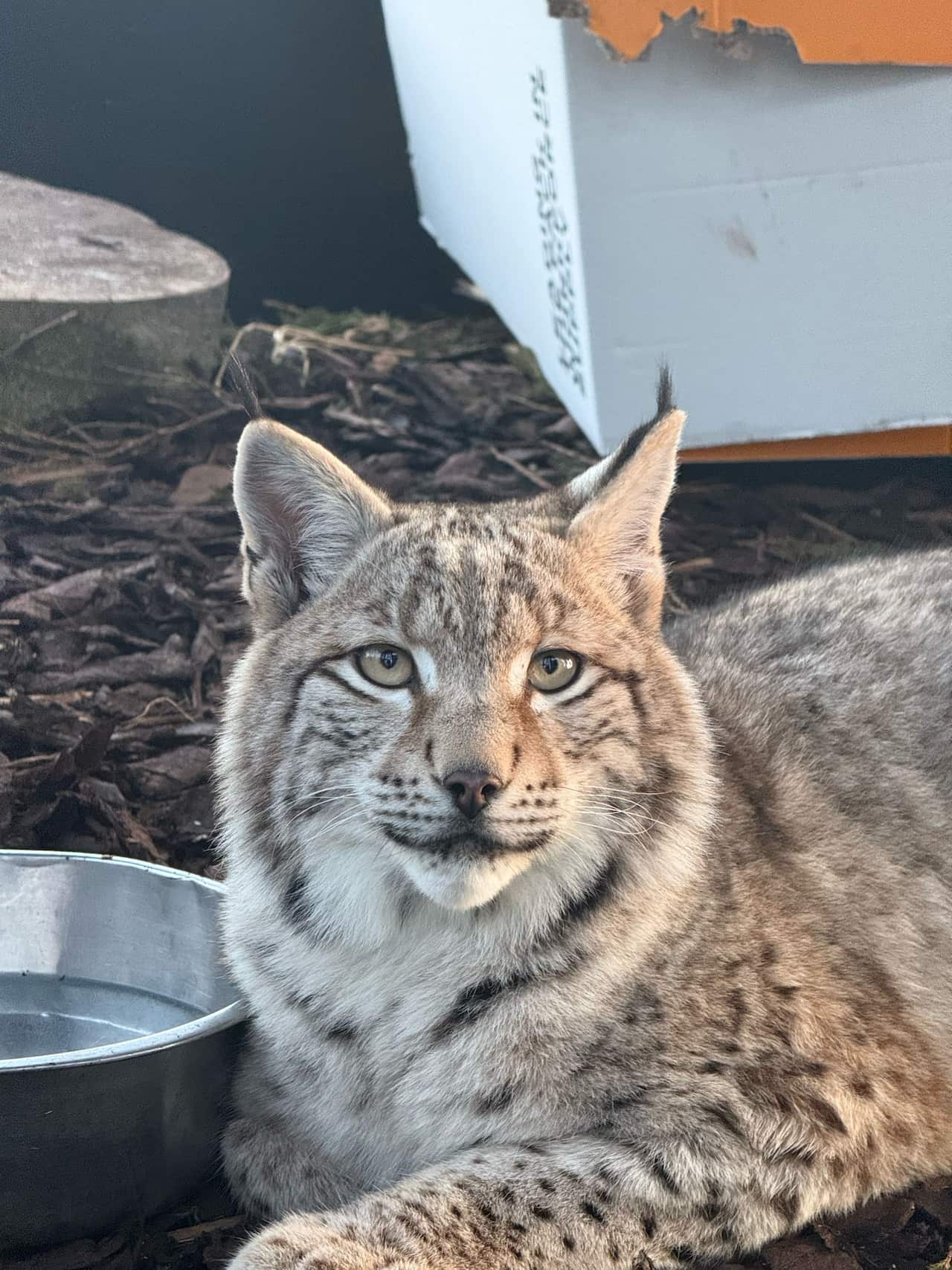
A Eurasian lynx, not seen in the wild here since medieval times, hops silently over a fallen pine tree.
Lynx are shy and elusive animals, which keep their distance from humans; but this one appears undisturbed by the torchlight tracking its movements.
Zookeepers from the Royal Zoological Society of Scotland’s (RZSS) Highland Wildlife Park are out in the freezing night trying to capture the wild cat and another lynx spotted near a road by a shocked member of the public.
They lay traps baited with venison and quail. The next day the two lynx are safely captured and heading to Edinburgh Zoo, some 180km south, for a period of quarantine.
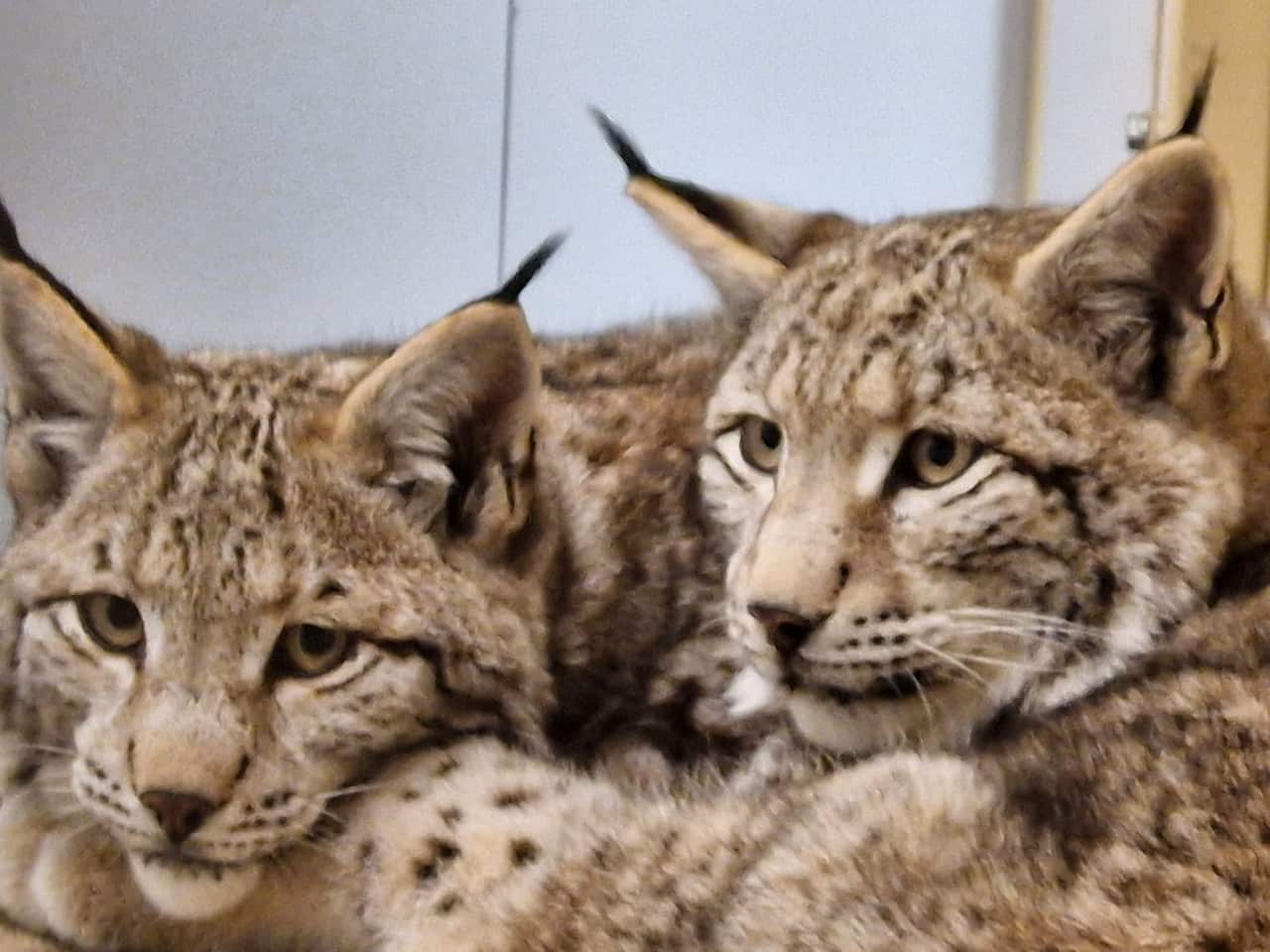
The strange story of the mysterious lynx makes international news — and then there’s more. A day later Police Scotland say two more lynx have been spotted and another hunt begins.
They too are swiftly captured, but this time one of the lynx dies overnight. The RZSS said the animals were too domesticated — instead of thriving in the wild, they were starving. Three of the lynx were female and less than a year old. The lynx that died was a male.
As of July 2025, the three surviving lynx are living in the RZSS's Highland Wildlife Park.
There is yet no confirmed explanation as to how four lynx appeared in the UK’s largest national park, but there is a theory: the lynx were released in a 'rogue rewilding'.
In a similar case just a month later, Cairngorms National Park rangers were trying to round up more wild animals. This time 20 wild boars were roaming the same woodland where the lynx were caught. This is despite wild boars being extinct in Scotland for more than 700 years.
UK law concerning rewilding is complex but allows some native species to be reintroduced after consultation, assessment and licensing. But the Dangerous Wild Animals Act of 1976 restricts the release of animals including lynx and wild boar.
Thomas Cameron, a professor of applied ecology at Essex University, told Dateline that people who undertake rogue attempts to rewild or reintroduce species to an environment without the consent of authorities or landowners, believe that the species has a right to exist there.
"Often their main motivation is a moral belief that because there is evidence that the animal lived there in the past, and was removed by man, it should now be put back," he said.
"There is also a utilitarian argument made for some species which perform a function: that their reintroduction can benefit landscapes, environments or even humans."
How scientists and 'guerrilla rewilders' can work together
From a scientific perspective, rewilding requires careful consideration of logistics, including deeply considering the longevity of a project.
"A key takeaway is to make sure that these species reintroduction efforts are not only going to show short-term success, but say in five and 10 years' time, whether these populations will still be on the ground and breeding successfully," Finnerty said.
This includes often "really intensive genetic analysis" to ensure the rewilded population has the best chance of survival.
But Finnerty believes guerrilla rewilders and scientists can ultimately thrive by working together.
Guerrilla rewilders are trying to bypass the approvals and logistics for conservation projects. On the one hand, he said "this kind of has its merit, because these logistics can take a lot of time and effort, and can often slow conservation".
However, those approvals are "really important" for avoiding potential unintended harm to the rewilded population, namely inbreeding, disease, overgrazing and animal welfare.
"The rogue rewilding or guerrilla rewilding mentality is good from a conservation standpoint, because these people are really keen to improve species populations long-term," he said.
"But I suppose it's kind of taking that mindset and working with these people to say, 'Hey, this is really good and we're on your team, but let's do it properly'."
Both rogue rewilders and academics are "in it with the goal of species conservation".
"At the end of the day, that's the most important thing. However, I think this needs to be done appropriately with licences and ethics and translocation plans, because that gives us the best chance of success. We just need to work together."
Beaver bombers
Renegade rewilder Derek Gow has championed the reintroduction of the beaver to Britain.
The conservationist, author and former sheep farmer credits himself for legally importing the great, great grandparents of beaver kits (babies) due to be born in British waterways in the coming spring.
"To be clear, we always work within what laws there are," he told Dateline.
"If there is no law or there's no licence required to do something then we don't go around asking whether we can find one. We just jolly well do it."
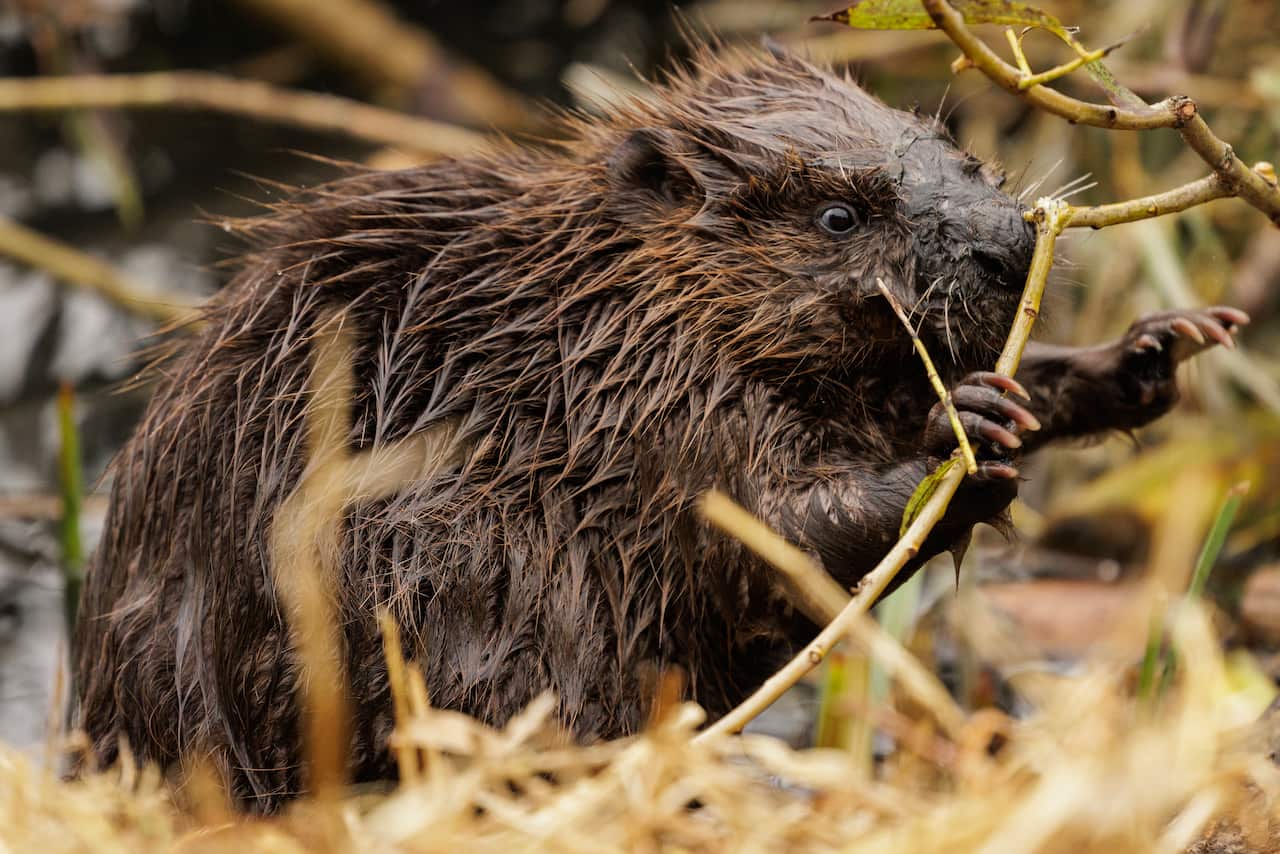
Those that covertly or illegally reintroduce beavers to waterways, as has happened all across Europe, are known as 'beaver bombers'.
Beavers were hunted to extinction in Britain in the 16th century but have been reintroduced both through sanctioned conservation projects and so-called 'beaver bombing' incidents. In 2022 they were once again recognised as native species and protected in England and Scotland.
Gow has "three or four" beaver families living on his 300-acre (121-hectare) farm in Devon in south-west England, which he has been rewilding for around five years. He says they have transformed the landscape in favour of nature.
"They have built dam systems in the water courses and because the beavers have also created burrows through the sides of them, it has formed baby channels. They have captured and slowed that flow of water incredibly effectively.
"And because there's water through the breeding months of the summer, there are now frogs, newts, dragon flies, diving beetles, and a whole host of other creatures that are small and live in the water. Then big animals come to hunt them, and red deer come down to drink at the water’s edge, and nature starts to reform."
Gow said he began rewilding his land as he was concerned about leaving behind a legacy of destruction from years of intensive farming.
'I saw the last of the curlews, the last of the whimbrels, the last of the short-eared owls (all birds). And slowly and steadily you realise that when [farming], you’re just skinning the earth to produce something ruthlessly at the expense of all other life.'
Gow believes the climate crisis will accelerate beyond the conservative predictions of scientists and says rewilding and species reintroduction is about a grassroots movement fighting back.
"I meet people who own 50 acres, 20 acres, or just two acres, and they are so worried about was happening to the planet that they just want to do good.
"I think we have a moral imperative on this."
Gow also breeds once-extinct or endangered species on his land, including Iron Age pigs and lynx, but he denies having anything to do with the cats that were abandoned in the Scottish Highlands in January.
In fact, given the government's response, he thinks the incident has set back the cause species introduction, at least in the short-term.
'Nature-depleted' Britain
Rewilding Britain, a charity which funds rewilding projects and advocates for the restoration of nature across 30 per cent of Britain’s land and seas by 2030, defines rewilding as 'the large-scale restoration of ecosystems to the point where nature is allowed to take care of itself'.
A poll commissioned by the charity in 2022 and conducted by YouGov found 81 per cent of Britons supported the idea of rewilding.
The UK was ranked one of the most nature-depleted countries on earth, according to the State of Nature report 2023.
Cameron says there is a difference between rewilding and species reintroduction, but they can complement each other.
"The benefits to reintroducing animals such as beavers are real. Beavers can help reduce flooding for towns and villages if managed well. But if they’re not contained, they can also build dams which cause flooding, since they’re unaware of where humans have built their settlements," he said.
Cameron says illegal or covert rewilding attempts like 'beaver bombing' may be well-intentioned but has the adverse consequence of putting landowners in conflict with the animals.
"Since beavers were not recognised as existing in Scotland for a long time landowners had every right to shoot them. So, it would be better if these reintroductions were managed officially.
"But the process is painfully slow. Rewilding can have extraordinary benefits quite quickly and many conservationists are frustrated and just want to get on with it."
A solution to climate change?
In February 2025 a study by researchers at the University of Leeds estimated that a population of 167 wolves living in Scotland could significantly reduce the nuisance red deer population, in turn allowing woodlands to regenerate and sequester carbon dioxide from the atmosphere. The study's lead author said the climate and biodiversity crises "cannot be managed in isolation".
Cameron enthusiastically advocates for species introduction but has a warning for anyone who hopes it could help solve the climate crisis:
"It is an utter delusion to claim that the reintroduction of lynx, wolves or any other animals could have any significant impact on solving the climate crisis in any timescale that would be helpful.
"When we consider the diet and kill rates of lynx or wolves, models show we’d need unacceptably large numbers to help us naturally manage the deer populations that degrade the environment we want to restore."
Cameron said the public should be aware of false promises, which amount to disinformation in the conservation community.
Lynx on the loose
Lynx to Scotland is a charity that advocates for a trial reintroduction of lynx to the Highlands, where it argues there is enough connected woodland habitat and deer to sustain a population of the predators.
Despite the charity’s aims, it condemned January’s release of lynx in a statement as 'irresponsible and illegal' and said it was 'counterproductive' to the organisation’s aims.
The prospect of lynx roaming the wild is a particular concern to farmers worried about their livestock.
In January, the president of the National Farmers Union (NFU) in Scotland wrote to Scotland’s agriculture minister and acting climate action minister saying: "the illegal release of species onto our rural land is a wildlife crime" and that the offenders must be "justly prosecuted". He also said local farmers had been predicting such an incident would soon occur.
The issue is so concerning to some farmers that at an NFU conference in February, Scotland’s First Minister John Swinney promised them that no lynx or other large carnivorous species would be reintroduced under his government.
Gow said the first minister’s statement was meant to appease farmers who do not want the old social order challenged. He hopes elections next year will produce a leader more sympathetic to the cause of species reintroduction.
"Rewilding is kind of picked on by these alarmist lobbies because they see it as a very easy target. They say 'you're taking land out of food production; you're bringing back animals that one day might eat a sheep!'
"Well, that's all true, I suppose. But at the end of the day, we're working with relatively small areas of land and we're working to restore the poorest land anyway."
Gow says he’s now turning his attention to reintroducing black grouse, black storks and wildcats. When it comes to the prospect of lynx returning to the Highlands he appears pragmatic but optimistic:
"It's not that these creatures can’t survive in landscapes like ours, it’s that Scotland, like Australia, has too many bloody sheep," he said.
"They produce nothing that's of any great value," he said, while also claiming their waste, if contaminated by farm chemicals, could kill the soil.
"[Farmers] don't like change, and they don't like the idea that their ancient ideas will be swept away because they're redundant and wrong.
"It's not quite a mass movement yet, but a lot of people are talking about rewilding. It was never talked about a quarter of a century ago. So that's a good thing."
Watch your favourite Dateline episodes around the clock on SBS On Demand's dedicated Dateline channel. For the latest from SBS News, download our app and subscribe to our newsletter.

Dateline is an award-winning Australian, international documentary series airing for over 40 years. Each week Dateline scours the globe to bring you a world of daring stories. Read more about Dateline

Have a story or comment? Contact Us







