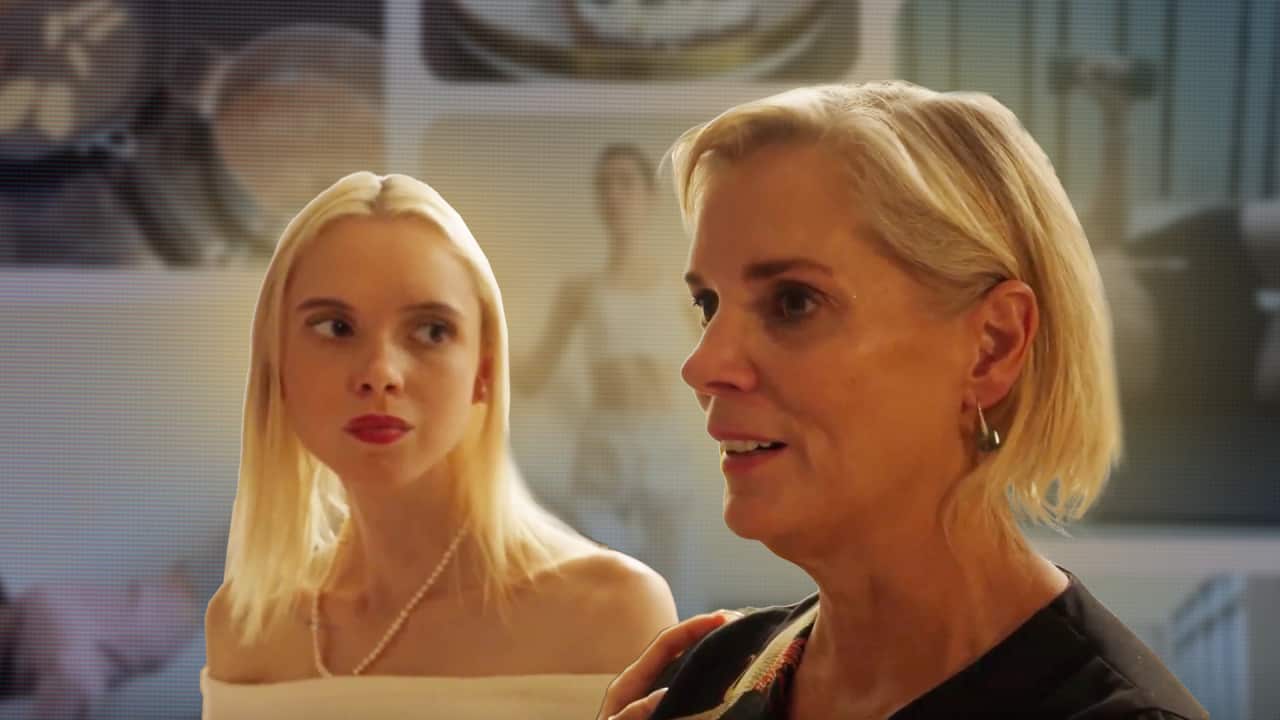
A new generation of influencers is promoting extreme thinness to millions online. Dateline investigates the growing trend and meets the families taking on Big Tech. Watch Under the Thinfluence now on SBS On Demand.
Content warning: This article contains references to body image and eating disorders.
For Luka and her family, Christmases and special events like birthdays are fraught.
Every year, Luka wants her mum to make her a birthday cake, even though she knows she'll never eat it.
News that makes sense
Your trusted source for staying up-to-date with the world around you. Get free daily news updates and analysis, straight to your inbox.
The 23-year-old from Hervey Bay in southern Queensland has lived with anorexia nervosa — one of Australia's deadliest mental illnesses — for nearly a decade. She's been in treatment for six years and is now in recovery.
"I had nurses checking on me in the night because I was at risk of my bones protruding through my skin," Luka tells Dateline.
"I was on my deathbed."
It's a far cry from the little girl she once was — fascinated with healthy eating and nutritious recipes she found on social media.
"I remember seeing people's exercise routines, their diets and what they ate. And I don't think I was, as a nine-year-old, actively looking for that stuff; I think that's what came up."
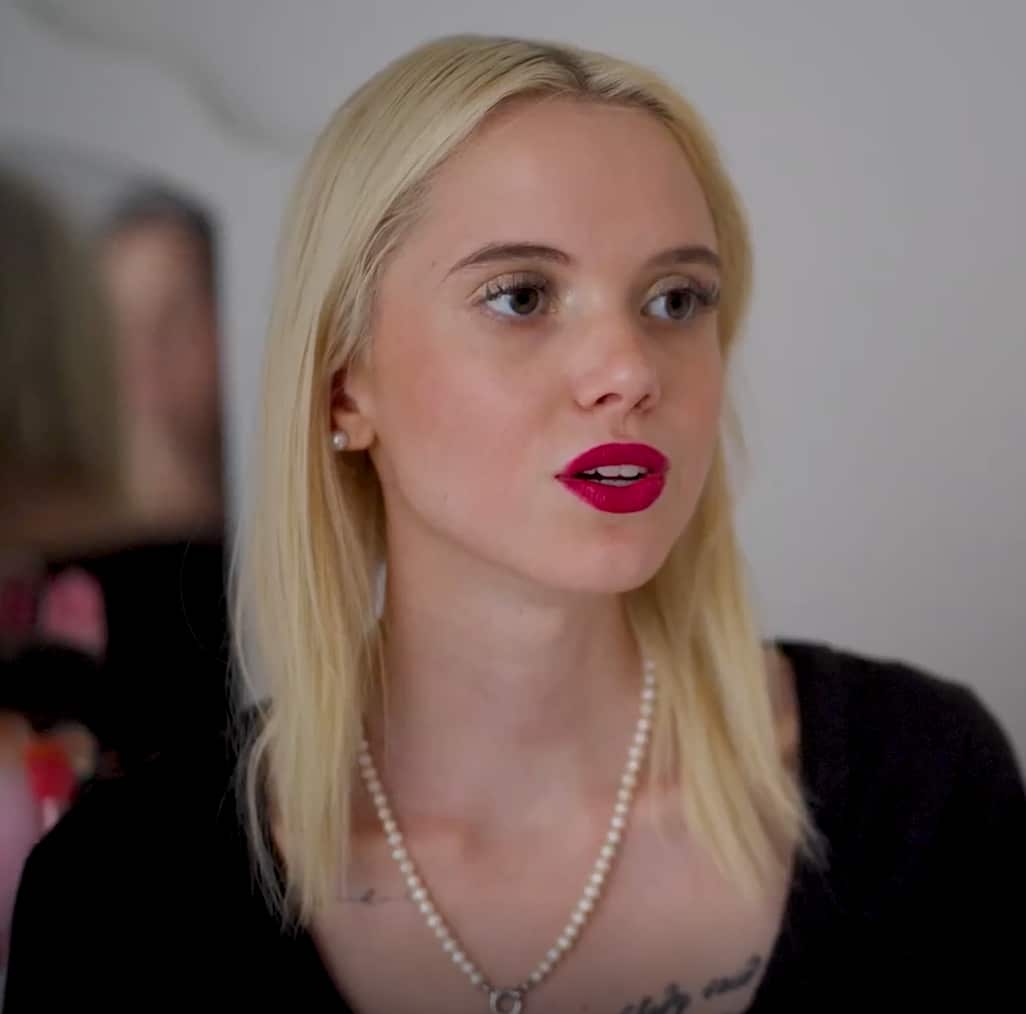
When Luka was scouted to become a model at age 13, her interest in her appearance grew; she wanted to look like the models she saw on social media.
Her mother Suze watched in dismay at the constant information Luka was exposed to.
"Whether it's fasting, whether it's eating eight small meals a day, whether it's eating this many grams of protein ... you just get bombarded," she says.
Over time, Luka's interest in healthy eating became an obsession, and she became ill.
"Every birthday, every Easter, we've got all these other alternative Easter presents for Luka that aren't related to food because I didn't want her to miss out," Suze says.
Luka says she knows content around extreme dieting and thinness is harmful.
"It's like eating disorder Olympics. You strive for that one goal. To be the thinnest, to be the most in control, to be the sickest, to be suffering the most, to be the most underweight.
"To be the most afraid of food."
What's a 'thinfluencer'?
For some online content creators, thinness means rising in the ranks on social media.
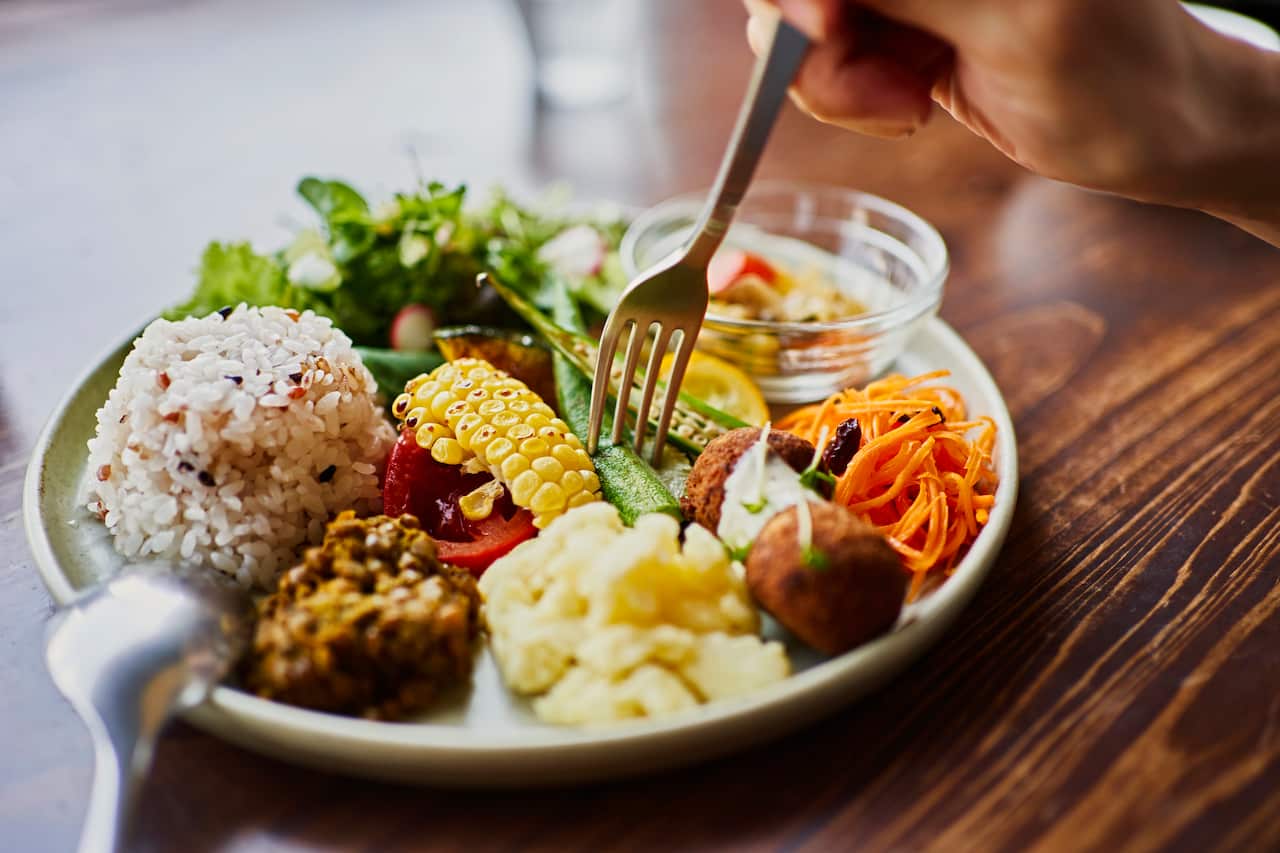
Popular videos that include commentary on 'What I eat in a day' have become so common that they've been shortened to 'WIEIAD' — typically featuring clean and whole foods, aesthetically plated and presented.
A growing number of social media accounts have built their brand around thinness, weaving it into fitness content, fashion and 'wellness' posts. Known as 'thinfluencers', these influencers centre their content on the pursuit of being thin.
Four United States influencers agreed to speak to Dateline, but when asked about whether their content had the potential to cause harm, all four backed out.
One of those content creators posted publicly about her decision, saying it was "not her mission" to be a thinfluencer.
She said while she "loved being skinny", chasing that ideal had taken a serious toll on her life, and she now wants to help other women pursue thinness without "being stuck in an ED [eating disorder]".
Weight loss drugs have given the pursuit of thinness a new boost. Originally developed to treat diabetes, these medications have surged in popularity in Australia, with around half a million Australians on some form of the drug.
Several celebrities once celebrated as 'body positivity' icons like Rebel Wilson and Lizzo have spoken openly about trying weight loss drugs as part of their own transformations, though both say they now focus on diet and exercise.
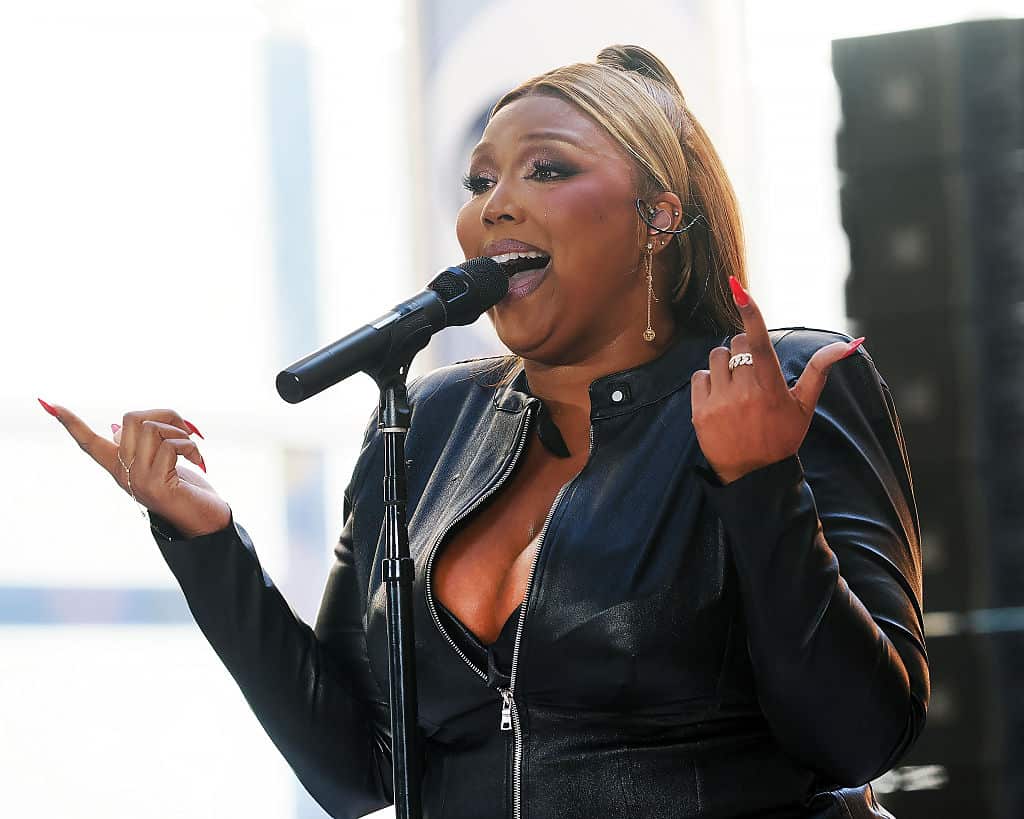
Lizzo even commented on the 'thin is in' trend on her Substack, saying that "our big girls are not-so big anymore".
From health content to hospitalisation
Based in San Jose in California, Neveen also saw social media content have a huge impact on her child.
Her daughter, whom Dateline is not naming to protect her privacy, was a star athlete at school. When COVID hit, she tried to find ways to maintain her physique at home.
Searching online for healthy eating tips, she was soon served up content on extreme dieting.
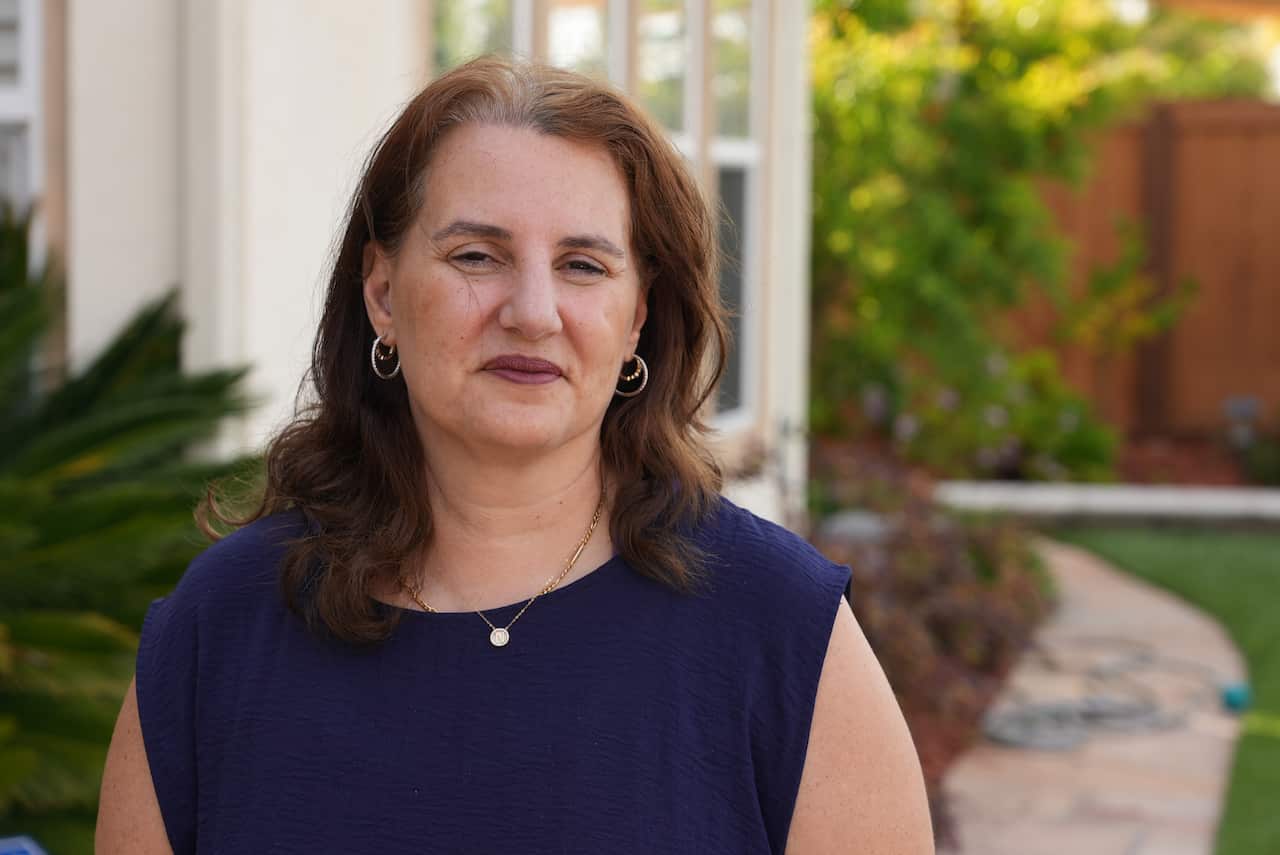
"She'd click on one of those 'What I eat in a day' videos, and the majority of them were, like, how to stay under 500 calories a day: eat a cup of yoghurt and an apple," Neveen tells Dateline.
Before long, her daughter developed a severe eating disorder and ended up hospitalised.
Neveen blames social media for accelerating her daughter's spiral.
"They nearly killed my daughter," she says.
The role of Big Tech
In the US, Big Tech may be facing a landmark reckoning.
In March, a jury found Meta and YouTube had deliberately designed their platforms to be addictive and harmful to children — and that their executives knew it.
TikTok and Snapchat settled out of court.
The case was brought by a young woman who started using the platforms as a young child and claimed they fuelled her anxiety, depression and addiction.
The verdict, which Meta and YouTube are appealing, is being compared to the tobacco trials of the 1990s, which blamed the tobacco companies for concealing the addictiveness and harm caused by cigarettes.
After the trial, Meta spokesperson Ashly Nikkole Davis said: "Teen mental health is profoundly complex and cannot be linked to a single app."
Legal experts now say the case could open the floodgates for thousands more trials brought about by parents seeking answers and wanting change — some fighting to protect their children from harm, some fighting in their memory.
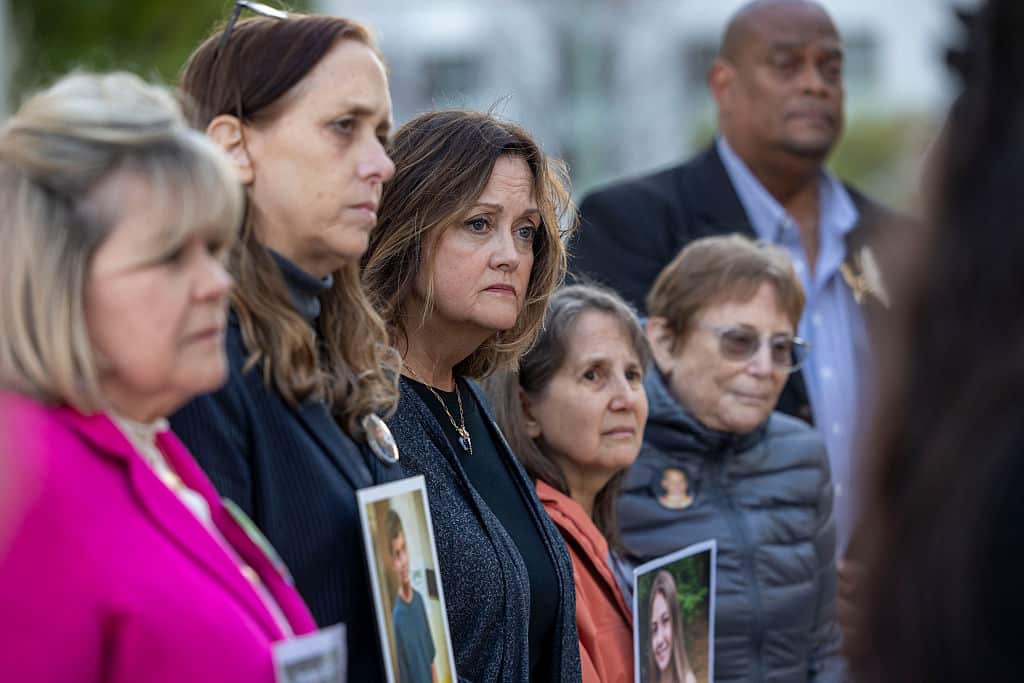
As many as 10,000 cases are already pending.
Neveen's is one of them. She feels angry that these companies have not only taken a big part of her family's lives, but also that they have "made billions of dollars because of it".
Bans, rights and algorithms
Studies have shown that social media can damage body image in teenagers — with exposure to carefully curated 'ideal' body types fuelling dissatisfaction and poor self-worth.
Australia's social media ban was designed to protect young people from harmful online material, screen addiction, online predators and cyberbullying — with the UK now following.
But the ban has attracted heavy criticism, with early studies showing 85 per cent of Australian teens are already skirting the rules.
Helen Bird at the Butterfly Foundation, an Australian charity which supports people with eating disorders, says harmful messages about bodies, food and fitness continue to bombard young people — despite the ban.
"Equipping young people with critical thinking and social media literacy skills to support their body image matters now more than ever," she tells Dateline.
She believes platforms must be held accountable.
"Social media companies need to invest in ongoing safeguards, including the ability to opt out of appearance-based content and advertising, on-demand algorithm reset, and more stringent safeguards and action against pro-eating disorder content."
But Corynne McSherry at the Electronic Frontier Foundation — a non-profit digital rights group based in San Francisco — worries that the recent trials will only give Big Tech more power over what kids see online, as we're asking those companies to decide what's harmful to young people, and what's not.
"It's sort of ironic. We are just like, 'Big Tech, please decide for us,'" she tells Dateline.
She doesn't believe social media bans work, arguing that children have a right to information, and it’s "the most marginalised kids" relying on online communities who suffer the most.
Matt Motyl is one of the whistleblowers who spoke out before the trials against Meta, offering a rare insider account of how the algorithms actually work.
He points to what insiders informally call 'Zuck's Law' — the idea that the closer a piece of content gets to violating platform rules, the more engagement it attracts.
Motyl was a senior staff researcher on Meta's Civic Integrity team. As part of his research, he analysed the algorithm to see what was performing well and why. He said he found that the "good stuff" — that is, the engaging content — is at the top of people's feeds.
In practice, he says, that means a user can start by searching for healthy meal tips and find themselves deep in hardcore thinfluencer content "very quickly" — with the algorithm doing the pushing.
Meta has safeguards such as parental controls that can be activated for teen accounts.
However, Motyl also questions whether Meta's safeguards are merely "an instance of safety theatre, not meaningful, true safety".
"They know how to fix the problem," he says. "It's just a matter of, do they want to?"
Meta and TikTok have recently introduced search safeguards to reduce users' exposure to potentially harmful content and direct them towards help.
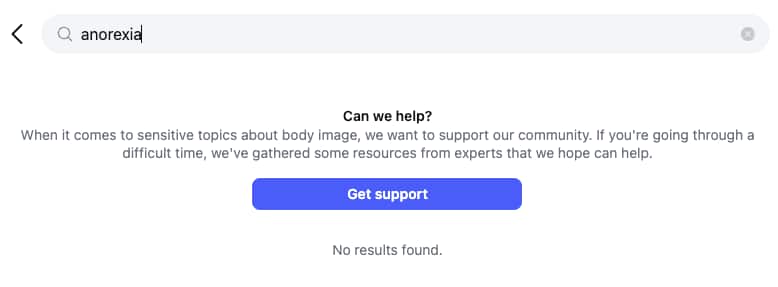
A Meta spokesperson said the company takes its role in supporting teen well-being seriously.
"We've continued to make meaningful changes for teens on our platforms, including introducing Teen Accounts with built-in restrictions and giving parents the ability to oversee their teens' experiences on our apps."
The company says that it's continuing to invest in technology that finds and removes content related to eating disorders before anyone reports it.
It adds it will also continue listening to parents, experts and regulators to make improvements.
A TikTok spokesperson said the platform does not allow content that depicts, promotes, normalises or glorifies eating disorders, and searches for such content redirect users to support services.
'Definitely conflicting'
Despite her negative experiences on social media, Luka still maintains her own account.
"It's definitely conflicting. [Social media] brings me joy, but then it's also been a contributing factor to how I became so unwell," she says.
Luka doesn't feel social media gave her an eating disorder, but she believes it made her condition worse.
"Through social media forums, through pictures of thin people, through 'What I eat in a day' videos from models ... Without all that, would it have gotten this bad?
"Absolutely not."
For support, call the Butterfly National Helpline on 1800 ED HOPE (1800 33 4673) or visit www.butterfly.org.au to chat online or email, 7 days a week, 8am-midnight (AEST).
Other services include Lifeline 13 11 14 www.lifeline.org.au, Beyond Blue and Kids Helpline (for people aged five to 25) on 1800 55 1800.

Dateline is an award-winning Australian, international documentary series airing for over 40 years. Each week Dateline scours the globe to bring you a world of daring stories. Read more about Dateline

Have a story or comment? Contact Us







