
Video above: Elly explains all things durian.
A boom in durian exports from Malaysia to China is threatening large swathes of forest land, likening it to the disastrous environmental impact of palm oil.
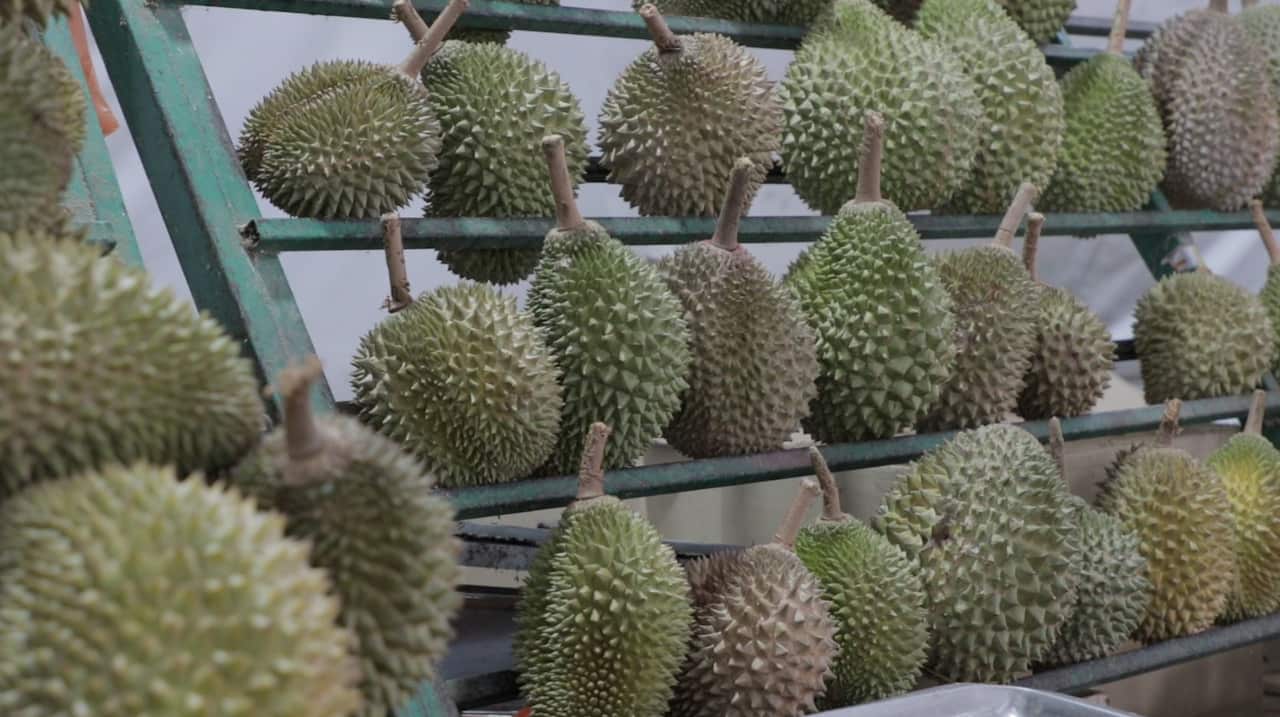
While loathed by some, the foul-smelling fruit is a delicacy for others, particularly the Chinese, who are willing to pay big money for top grade varieties which are now able to be exported in whole, frozen form.
“For the Musang King [the premium variety of durian] they have a lot of grades so the premium grade we’ll never get to try locally because those are exported,” Malaysian food blogger, Taufulou, told SBS Australia.
“The demand is so high that the local durians are so expensive, in certain seasons we can’t really afford it ourselves.”
News that makes sense
Your trusted source for staying up-to-date with the world around you. Get free daily news updates and analysis, straight to your inbox.
As the country tries to satisfy rising Chinese demand for the pungent fruit, Taufulou said more people are investing in durian plantations. But this has raised concerns among some we could be about to see the next palm oil crisis unfold.
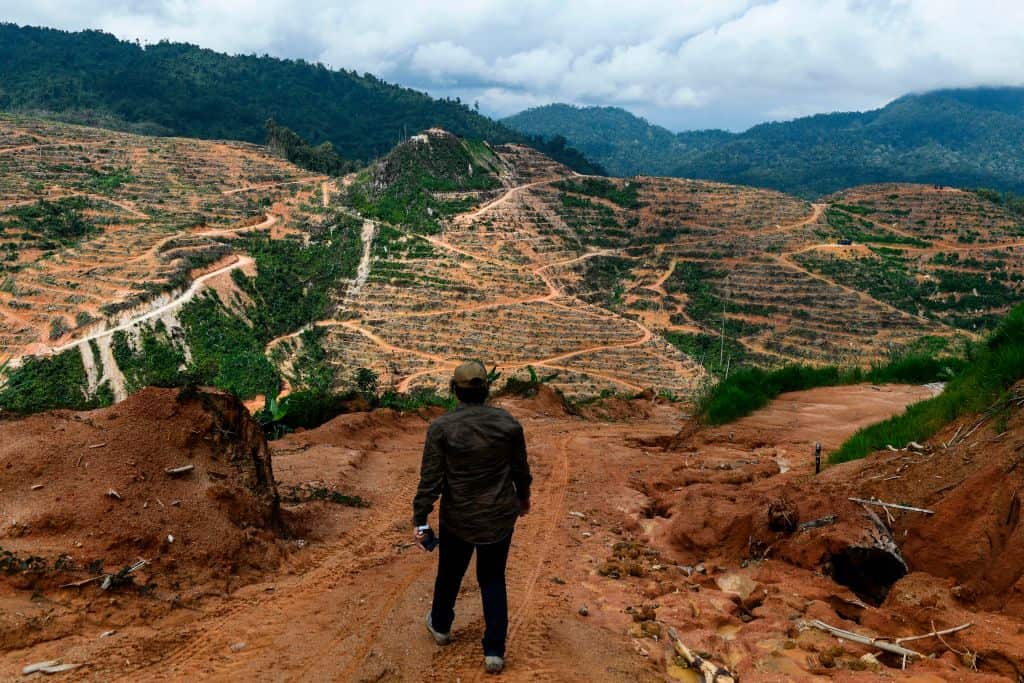
Large areas of land around Malaysia were cleared for palm plantations, as the low cost oil became a popular ingredient in a variety of foods and products.
“The state government has actually allowed durian plantations inside forest reserves so that makes durian potentially more dangerous [than palm oil] in terms of conversation,” Dr Teckwyn Lim, forestry researcher from the University of Nottingham, Malaysia told SBS Australia.
“Because of the way durian plantations have been grown, they’re monocultures, so what happens is the loggers come in and completely clear the natural forest and replace it with these plantations so they are completely devastating the land.
“It is no worse in fact than palm oil … it has quite a significant impact not just on the Orang Asli [Indigenous population] but also on all the native species of plants and animals in the natural forest.”
For the Orang Asli, who make up less than one per cent of Malaysia’s population, the increased demand for durian has seen their ancestral forests cleared.
But they are fighting back.
The Temiar tribe, which belong to the Orang Asli, started a blockade to halt the plantation process and even took their plight to Malaysia’s federal government.
“We started a blockade in Gua Musang back in February 2018, to prevent the companies from coming into our land to clear the trees for their durian plants,” Mustafa Along told Today Online.
“That land is ours. While it’s not written into law, it was verbally agreed upon between the Malaysian government and our forefathers. We’ve been connected to it for thousands of years.”
Just last week the Government issued a statement saying there should not be any clearing for durian inside forest reserve – but Dr Lim noted that Malaysian forests are a state matter.
“I would hope the state governments take heed of the federal policy but it remains to be seen,” he said.
Dr Lim would like to see a certification scheme in place, like what currently exists for palm oil, so that consumers, especially the Chinese, can make a conscious choice to buy a sustainably grown product.
“My concern is that overseas markets like China aren’t aware of the impact of growing durian,” he said.
“Even though durian is a wonderful fruit, quite a magical, amazing fruit, it does have some potential negative consequences.”

Dateline is an award-winning Australian, international documentary series airing for over 40 years. Each week Dateline scours the globe to bring you a world of daring stories. Read more about Dateline

Have a story or comment? Contact Us







