
Why has disaster prepping has become a government sanctioned pastime in Sweden? Watch Sweden's Crisis Preppers On Demand.
The prepared survive. That's the theory anyway.
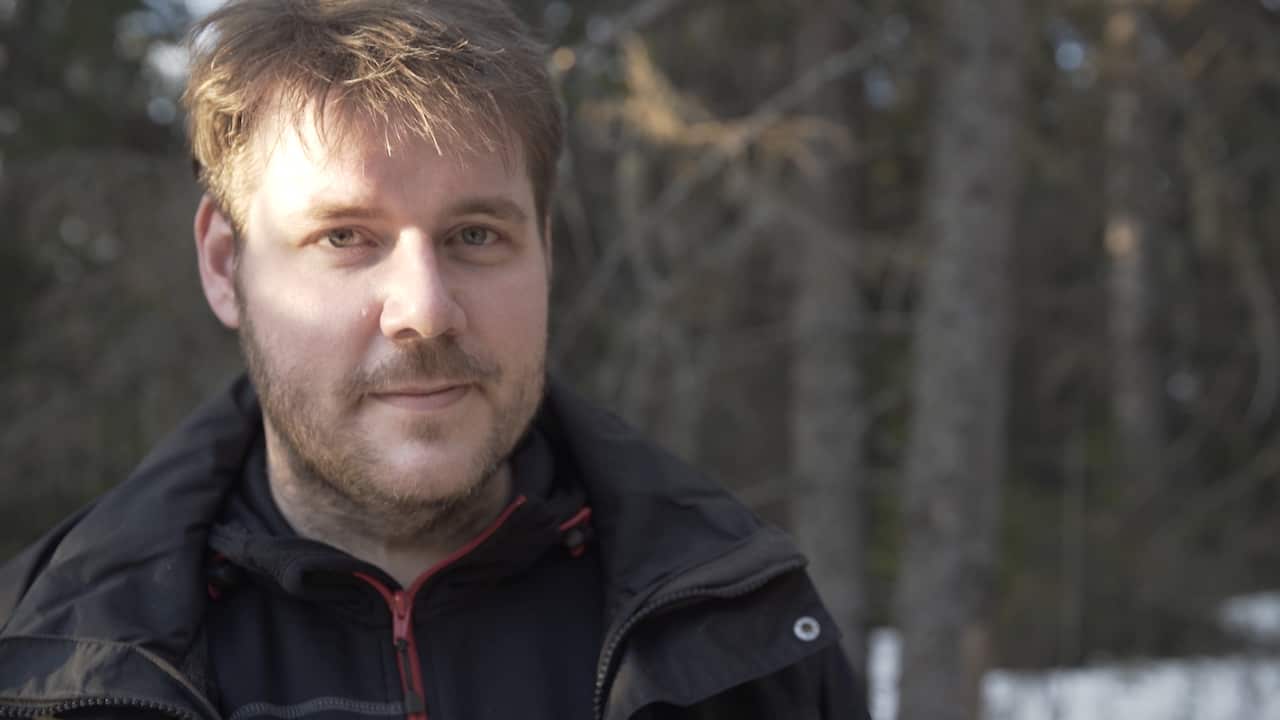
I first became familiar with the term ‘prepping’ before the Global Financial Crisis of 2007-2008. I was very interested in macroeconomics and ahead of the collapse, some financial advisors, bloggers and commentators were recommending moving investments from stocks safer assets such as bonds, cash, precious metals and other hard assets less likely to be effected by an economic downturn. Stockpiling food, water, medicine and other necessities was also recommended – just in case.
That ‘just in case’ intrigued me. What could really happen that would be so bad?
At that time all of the information about prepping was from the United States. As such, the advice was coloured by American culture; bigger is always better. And guns. Lots of guns.
News that makes sense
Your trusted source for staying up-to-date with the world around you. Get free daily news updates and analysis, straight to your inbox.
But I am a simple and humble Swede. My country is the land of the middle road. Or so we tend to think.
In any case, I needed to start somewhere. It turns out, I did the opposite of what I should have done. I bought lots of silver. Today, I am painfully aware of this blatant mistake, but I share it so you don't have to repeat it. Silver is a good store of value, but it’s not helpful in a disaster. What I should have done was to follow the rule of three.
You can survive three:
- minutes without air
- hours without shelter (in hard weather)
- days without water
- weeks without food
Though you might not survive at all without hope, the rule of three is a good place to start. It helps new preppers prioritise. Hopefully air and shelter are already taken care of as you probably have somewhere to live. Next you should store water. Lastly, stock up on food.
Contrary to common belief, food should be your lowest concern, yet it’s where almost all preppers start. Canned goods, freeze dried food, beans, pasta, rice, sugar and so on are important. But water will become a major concern before anything else.
Eventually, my ever growing pantry started to balloon with water and food. Then came the affiliated stuff. American preppers love their trinkets and gadgets, so I thought it was a necessity and followed.
Some essential items are a gas stove (with fuel) for cooking, knifes, axes, kerosene heater, flash lights, hand cranked radios, candles, lighters and so on. Living in Sweden with really harsh winters, keeping warm is a real problem. So I stockpiled warm cloths, thick blankets and sleeping bags.
I was already prepping, but the fall of Lehman Brothers and the following financial crisis reinforced my decision. I continued stockpiling food and water, but also medicine and fuel.
A disaster or crisis doesn't have to be World War III, total collapse of the economy or a Carrington Event. After all, such disasters are fortunately quite unlikely. What’s higher probability is something close to home like unemployment, long-term sickness, an accident or a local natural disaster. I have used my stockpiled food from time to time as a buffer when life takes a turn for the worse.
Looking back on my many years as a prepper, things have changed around the world. Not necessarily for the better. Regardless, being prepared has brought me peace of mind at the very least. And believe me; no one would be happier if it all was in vain. After forcing myself to think through every possible disaster scenario I can dream up, I can honestly say that I wish none of us will have to live through such events.
Being a prepper does not mean that you are living in fear. It means you take the risks seriously and act accordingly. Just as you don't hope that your house burns down because you have insurance, a prepper doesn't hope for the shit to hit the fan.
If anything being a prepper has given me a newly found appreciation for the civilised world we live in with all its comforts and wonders.

Dateline is an award-winning Australian, international documentary series airing for over 40 years. Each week Dateline scours the globe to bring you a world of daring stories. Read more about Dateline

Have a story or comment? Contact Us







