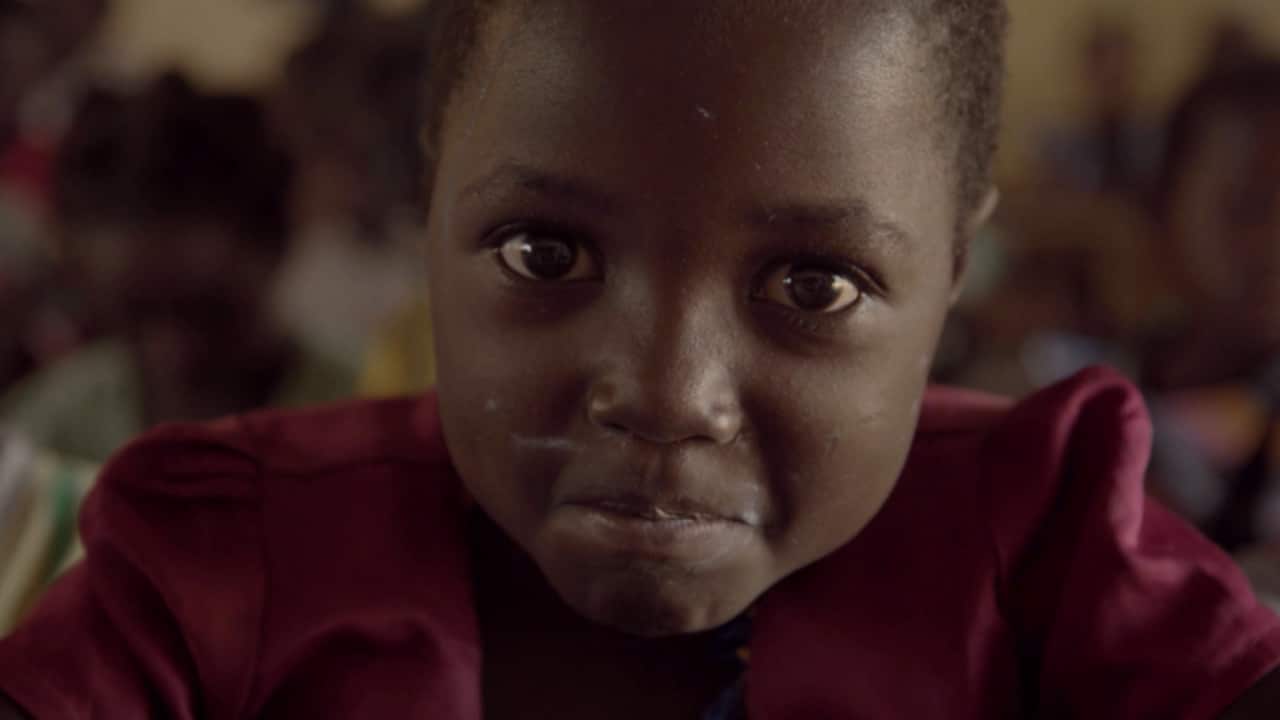
Watch 'Where Chocolate Comes From' on SBS OnDemand
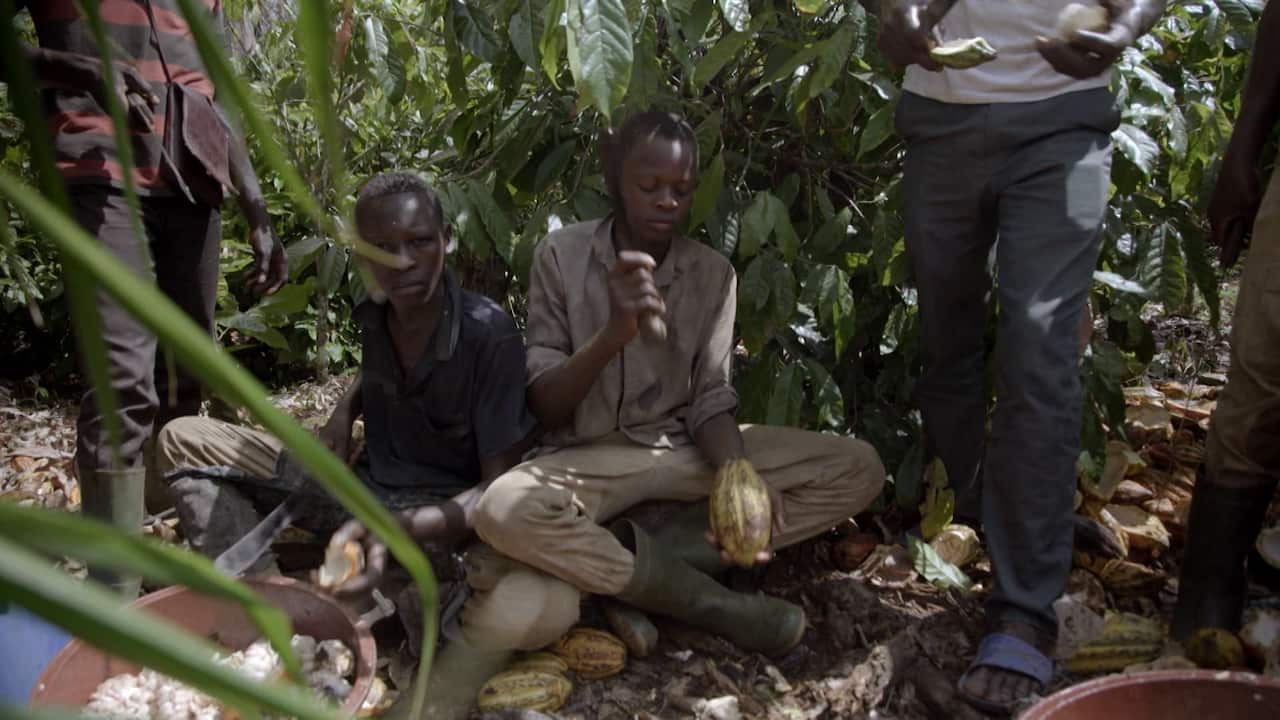
Dramane is only 13 and works in one of the hundreds of cocoa farming camps on the Ivory Coast. Of his fellow 40 workers, about a third are children.
All are migrants from the neighbouring and drought stricken nation of Burkina Faso. For many, labor in Ivorian cocoa camps is their only hope of survival.
When asked why he wasn’t attending school, Damane said that his parents simply “couldn’t afford it.”
“I came with my older brother...I don’t like school. I need the money.”
News that makes sense
Your trusted source for staying up-to-date with the world around you. Get free daily news updates and analysis, straight to your inbox.
All the young men at the camp arrived when they were kids, including 21-year-old Aziz who said he hasn’t returned home since he first arrived when he was 15.
“Because only this year I started earning money,” he said.
Bordering Ghana and Liberia, the West African nation of Ivory Coast produces 40 percent of the world’s cocoa.
Cocoa is grown by hundreds of thousands of farmers on small, isolated, and often illegal plots. It’s traded through brokers and sold to foreign companies. Most of this trade happens in secret.
Farmers, like Aziz and Damane, use nondescript pesticides to kill weeds to make way for cocoa farms. This is how the protected Goin Debe Forest and others across Ivory Coast are dying.
Officially, the Ivorian government has a plan to fight deforestation: move all the farmers into a special zone dedicated to cocoa and sacrifice 40 per cent of the forest in order to regenerate the other 60 per cent. But there’s very little evidence that’s happening.
Over the past 25 years, about 90 percent of the Ivorian forest has disappeared and been replaced by cocoa.
The workers also are tasked with picking the cocoa pods and cutting them open with machetes. Inside, are the precious cocoa beans.
They are dried before being put into bags and sold to “trackers” the local name for men who truck cocoa out of the forest.
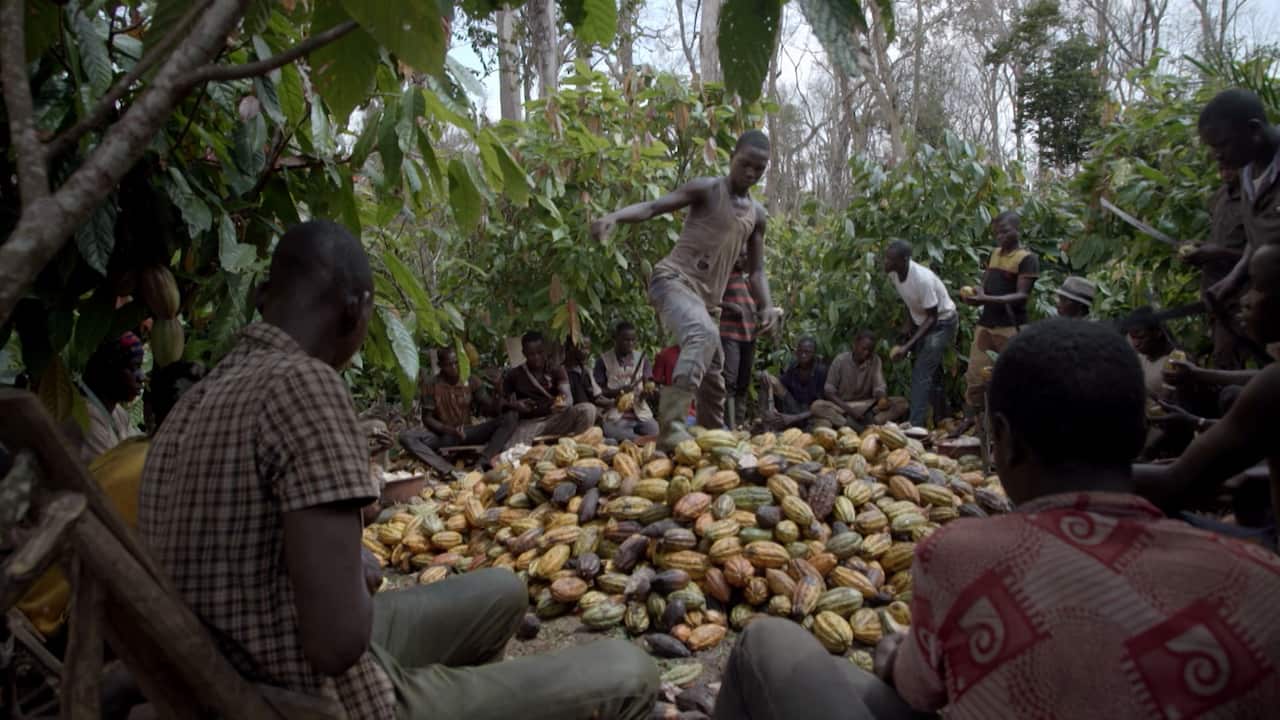
When the cocoa beans leave the forest, the trade gets even murkier. Cocoa beans purchased by “trackers” are unloaded at shops on the edge of the forest. Here, the cocoa beans are mixed together – legal and criminal cocoa alike - making it difficult for the biggest cocoa exporters to trace the source of their beans.
In 2001 the industry signed the Harkin-Engel Protocol, an international agreement to improve transparency and eradicate child labor from cocoa. For twenty years, the chocolate industry promised to clean up its act, but the patience of cocoa producing nations has run out.
Some communities on the Ivory Coast have taken matters into their own hands to prevent child labor and encourage education. In Troya 2 village, cocoa farmers have chipped in what little money they have to hire a teacher.
In 2019, Ivory Coast and Ghana suspended sales of cocoa to foreign corporations – demanding they pay 30 percent more to growers.
After some resistance, the industry agreed – and now farmers will earn an extra 30 cents a day. It’s not enough to buy a chocolate bar, but for the children of cocoa it’s a sweet victory.

Dateline is an award-winning Australian, international documentary series airing for over 40 years. Each week Dateline scours the globe to bring you a world of daring stories. Read more about Dateline

Have a story or comment? Contact Us







