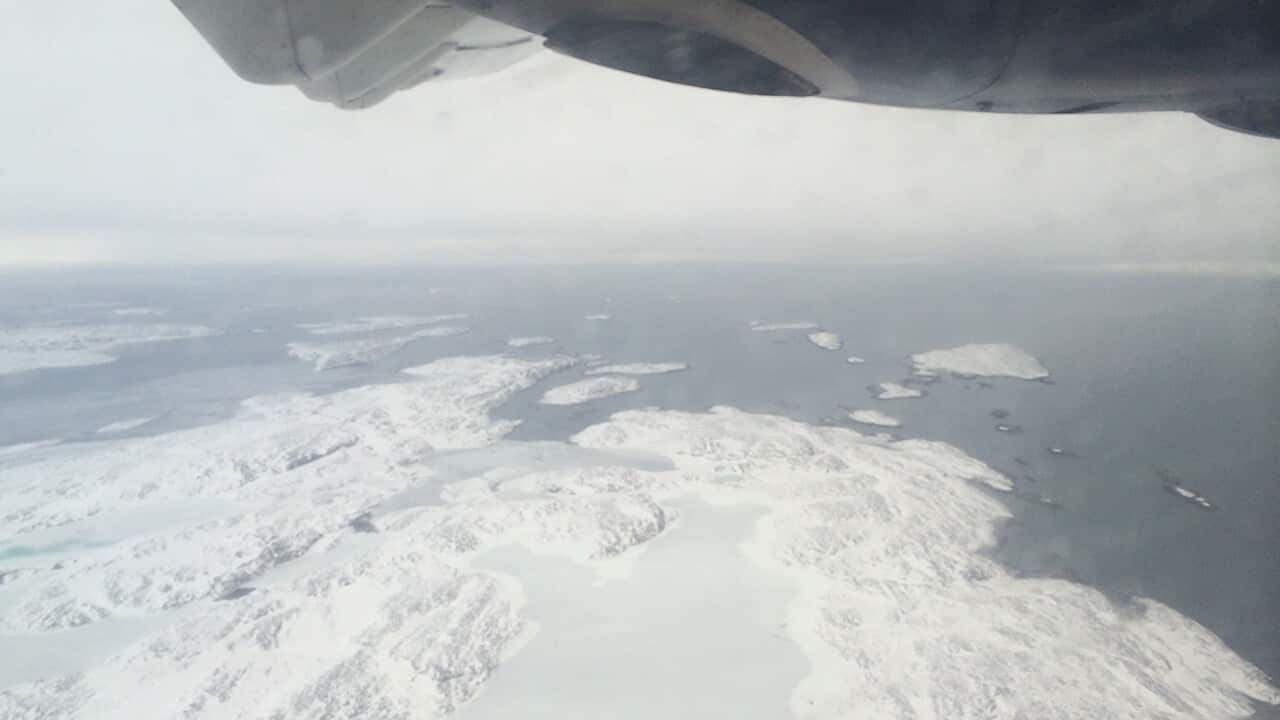
It’s not that far from New York City – a series of short flights where the planes get smaller and smaller, and the ticket prices get higher and higher. But then suddenly you step out into a world that would stop Australians in their tracks.
It’s not unknown for it to snow here every month of the year. Snow cover is the natural state of affairs, which means that the most practical way to get around is often by snowmobile. And if there’s a few of you, just attach a sled to the back!
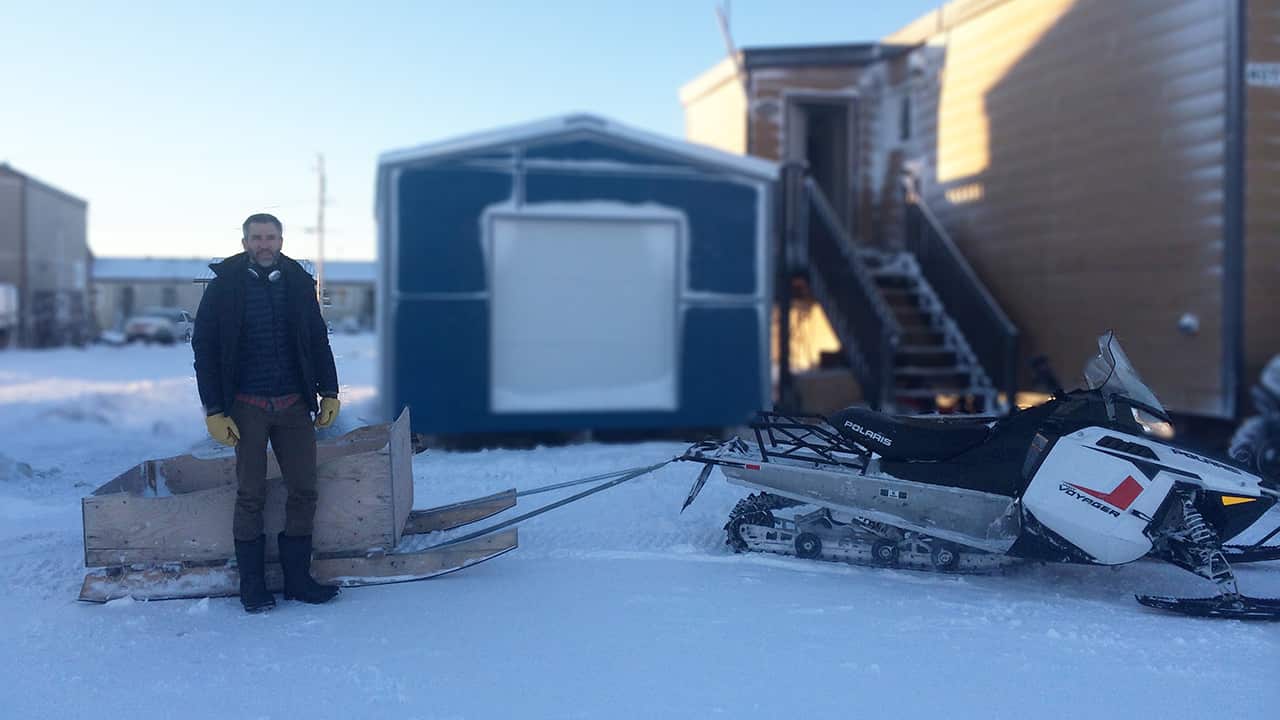
To everyone here it couldn’t be more natural, and people whizz by with a cheery wave regardless of the weather.
You also have to quickly shift your idea of what constitutes a ‘nice day’. Okay so it’s -10C, but there’s blue sky and it’s sunny… so of course everyone will comment on what great weather they’re having!
News that makes sense
Your trusted source for staying up-to-date with the world around you. Get free daily news updates and analysis, straight to your inbox.
I’d be all rugged up in six layers to go and visit someone on a -20C day, and on the way I’d pass supermarket workers who have stepped out for a cigarette in nothing but a long-sleeved t-shirt. With the sleeves pushed up.
The Inuit sure know how to make you feel wimpy.
Speaking of supermarkets, the three stores in town were surprisingly well-stocked given the logistics they face.
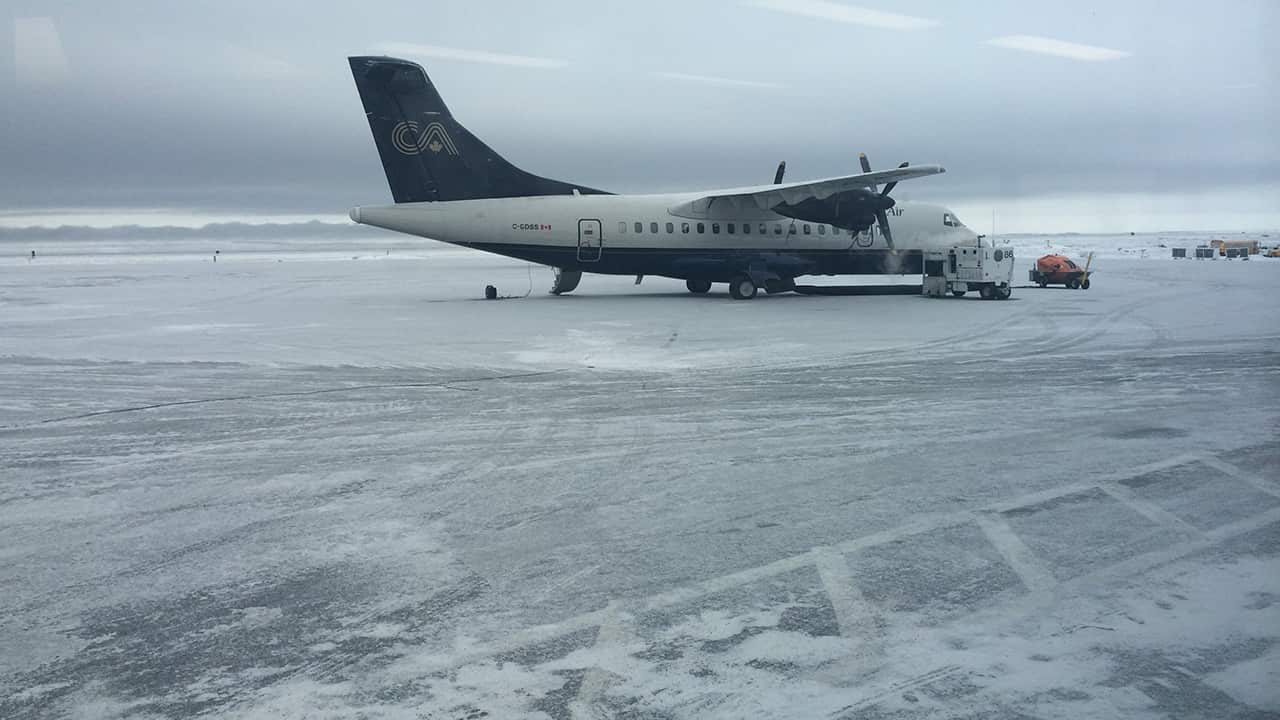
There are no roads to Arviat. The only way to reach it is by plane, or on one of the two ships a year which arrive in summer when the sea ice has gone.
And even though air-freighted vegetables were plentiful on the town’s supermarket shelves, there wasn’t a lot of meat on offer. That was a mystery that only became clear as I got to know the townspeople.
Arviat has a surprisingly strong traditional indigenous culture and their native tongue – the delightfully named Inuktitut – is heard more often than English. Their adherence to traditional life extends to hunting, which remains a central activity of town life.
Word of where a caribou herd had been sighted would spread like wildfire, and men with a day off were quick to head out on the hunt.
The carcasses they brought back would be dotted around on top of sheds and porches in the open air, which seemed bizarre until I realised here’s no need to put meat in the freezer when you’re living in one. And no need to shop for meat when it’s stacked on your porch.
And in case you’re wondering, caribou stew is delicious.
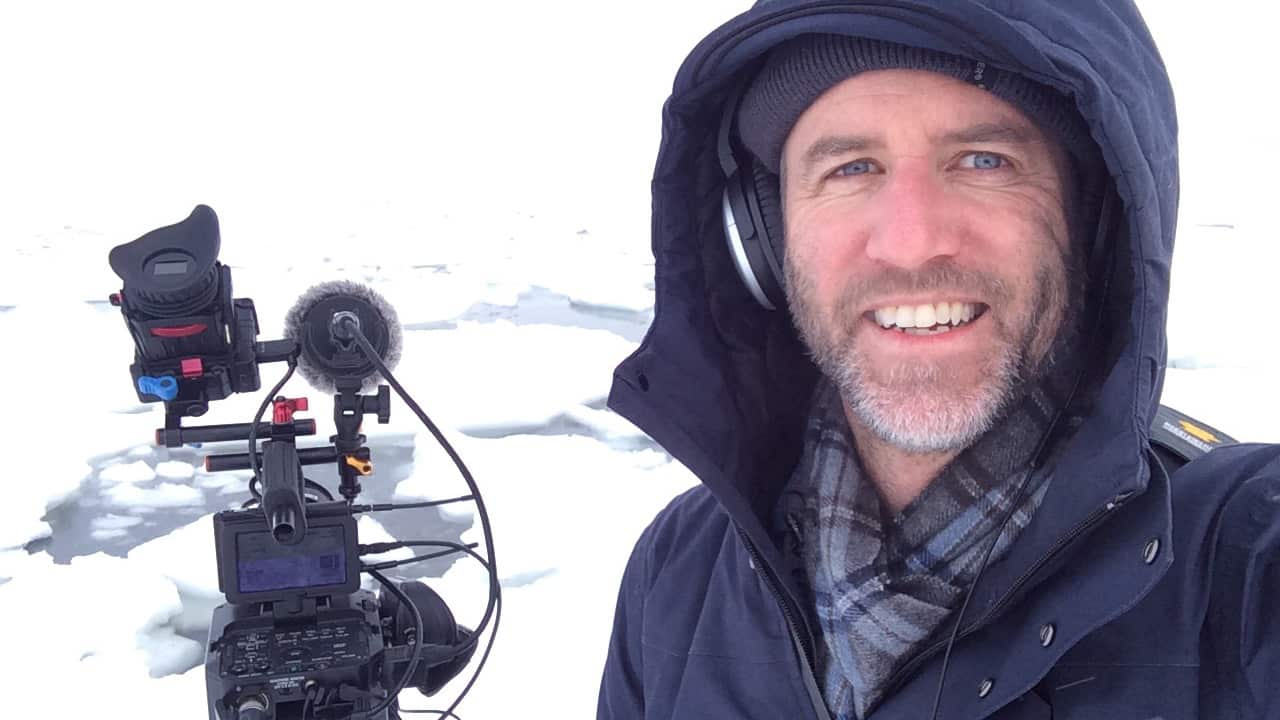
The funny thing was that when you’re surrounded by people who find this all totally normal, you quickly start to acclimatise yourself. The biggest challenge was the filming itself.
In such a cold environment you have to be quite strategic about when to bring cameras in and out of the cold, because the temperature extremes quickly turn lenses unusably foggy.
I also discovered that riding in a sled can be a lot bumpier experience than you’d imagine… and being dragged around in the open air for hours in -20C looking for polar bears leaves you with very cold fingers and a lot of bruises!
But all the Inuit people I met in Arviat love it there, and I can see why. Maybe it’s partly the landscape and community… but it’s also the weather.
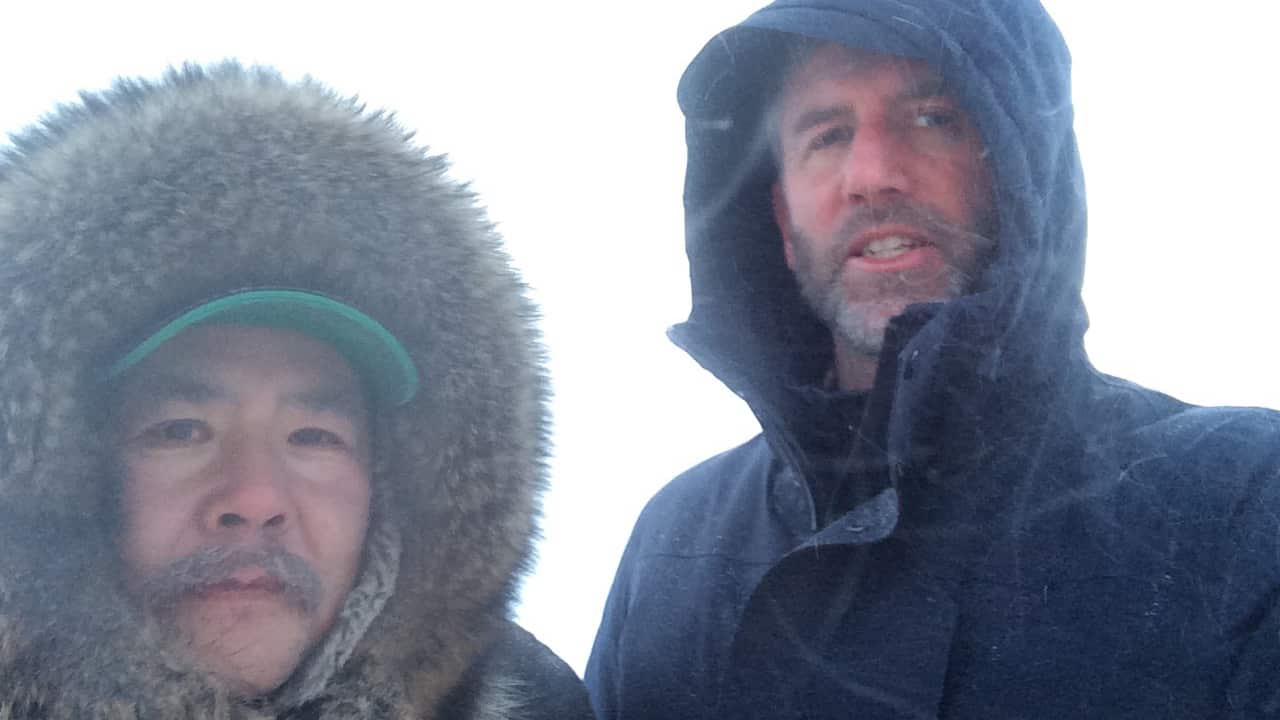
One local admitted that he liked visiting Winnipeg, the nearest big city, but it “was a bit too hot”.
And while I can’t really agree with him on that, the day I left Arviat really was a beautiful sunny Autumn day. Even if the temperature was -41C!
See Aaron's story, Polar Patrol, in full:

Dateline is an award-winning Australian, international documentary series airing for over 40 years. Each week Dateline scours the globe to bring you a world of daring stories. Read more about Dateline

Have a story or comment? Contact Us







