
When I flew to Mexico to meet the women of San Francisco Tetlanohcan for Dateline's story, I knew there was a great adventure in store. What I didn’t realise was that my tastebuds were going to be the big winners.
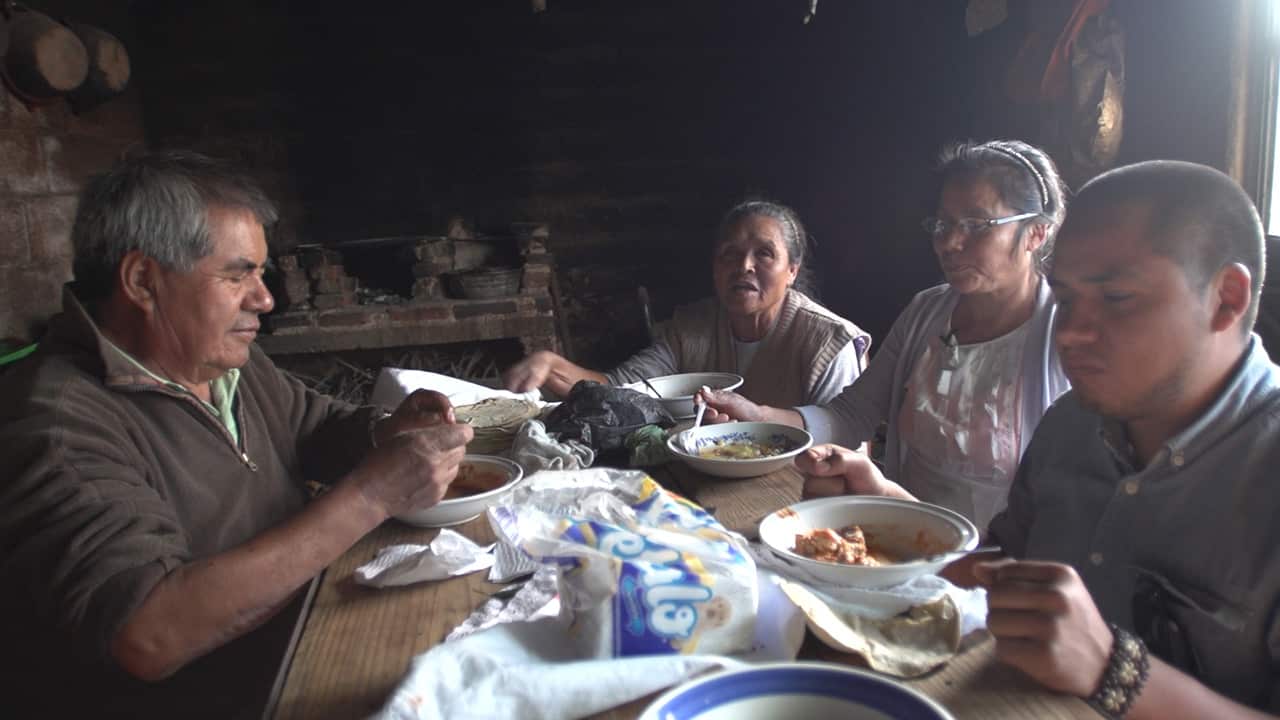
I got my first hint of what lay ahead on the first afternoon, when an interview with Fidelia quickly turned into an early dinner with her family. In a rustic wooden shack, her mother-in-law served up enormous meatballs in a piquant broth to be soaked up with tortillas cooked over open coals right next to the table.
It was absolutely delicious, and incredibly hospitable of them. And it proved to be the first of many tasty home-cooked meals.
At first I was reluctant to accept these invitations from my gracious hosts, but they were so insistent it was hard to decline. And the meals seemed to give everyone such pleasure – including myself – that I gave up.
News that makes sense
Your trusted source for staying up-to-date with the world around you. Get free daily news updates and analysis, straight to your inbox.
I was still reluctant to film these women at work in their kitchens though. It seemed such a clichéd and redundant image of womanhood, especially for women who were managing every aspect of the household while their husbands were away working in the United States.
But their cooking brought out such pride and joy in them – and was so central to their identity - that it seemed futile to resist.
So we ate. Even though it was myself, my translator and my driver, there never seemed to be any trouble rustling up three extra helpings wherever we went. And so we ate, and we ate.
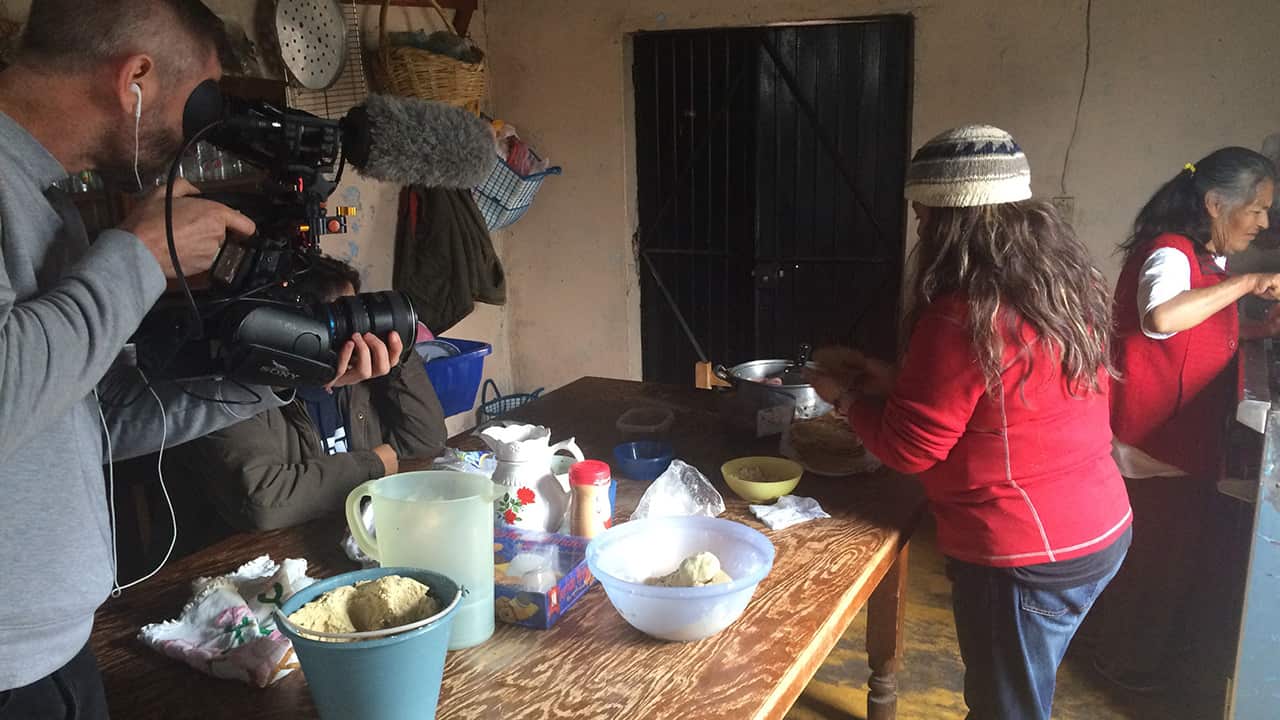
Sometimes we ate five meals in a day, because there was no saying ‘no’ to the stream of invitations. And as we ate, I started to realise a few things.
The pride and joy of cooking wasn’t just about taking pleasure in their own skills. In a country where nearly 50 million people don’t always have enough food to eat, there was a pride and joy in simply having enough to be able to offer meals to strangers. Especially when there had been periods in their own lifetimes, or their parents, where they’d gone without.
For millions in Mexico the day-to-day struggle to survive is very real, and that’s what drives so many across the border in search of US wages. So families which now have a US income want to savour the fruits of their better life… which includes the luxury of being able to entertain visitors.
And I also realised – or at least hoped – that our presence was helping fill a void. These are fractured families living with a permanent absence. There’s always at least one person missing from the dinner table, and in some cases there are several.
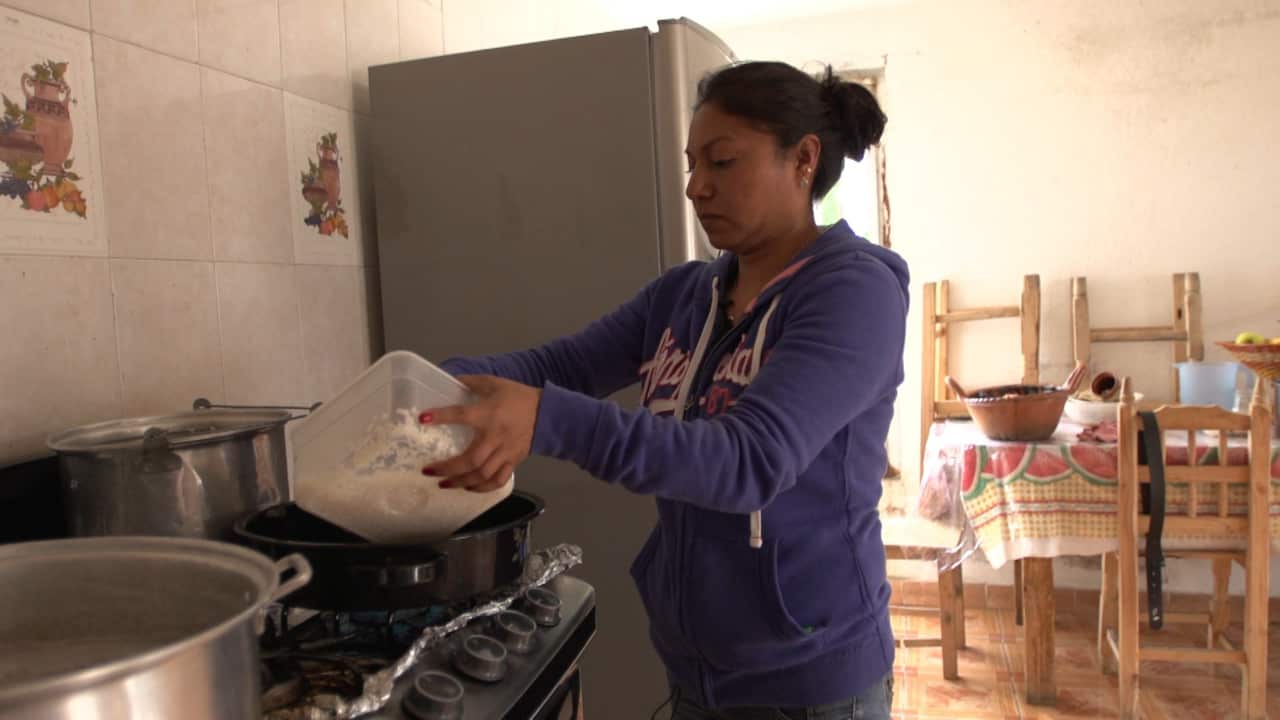
It’s an absence that is so long-running that they almost grow used to the ache… but not quite. And for women used to nourishing and nurturing large households, it leaves them with a lot of love to give.
So when I turned up wanting to ask about their sons, their husbands, and their lives, it felt like we very quickly got folded into the family. We were honorary family members filling a seat at the dinner table, if only for one meal.
And while I was humbled and delighted to be the beneficiary of all this kindness in Mexico, the biggest reward came after their reunions in the US. Seeing them whip up a snack to feed their beloved sons or husband – and to finally see all that delicious home-cooked food being enjoyed by their true family – well, that was a treat for all of us.
See the full story of Mexico's Leading Ladies:

Dateline is an award-winning Australian, international documentary series airing for over 40 years. Each week Dateline scours the globe to bring you a world of daring stories. Read more about Dateline

Have a story or comment? Contact Us







