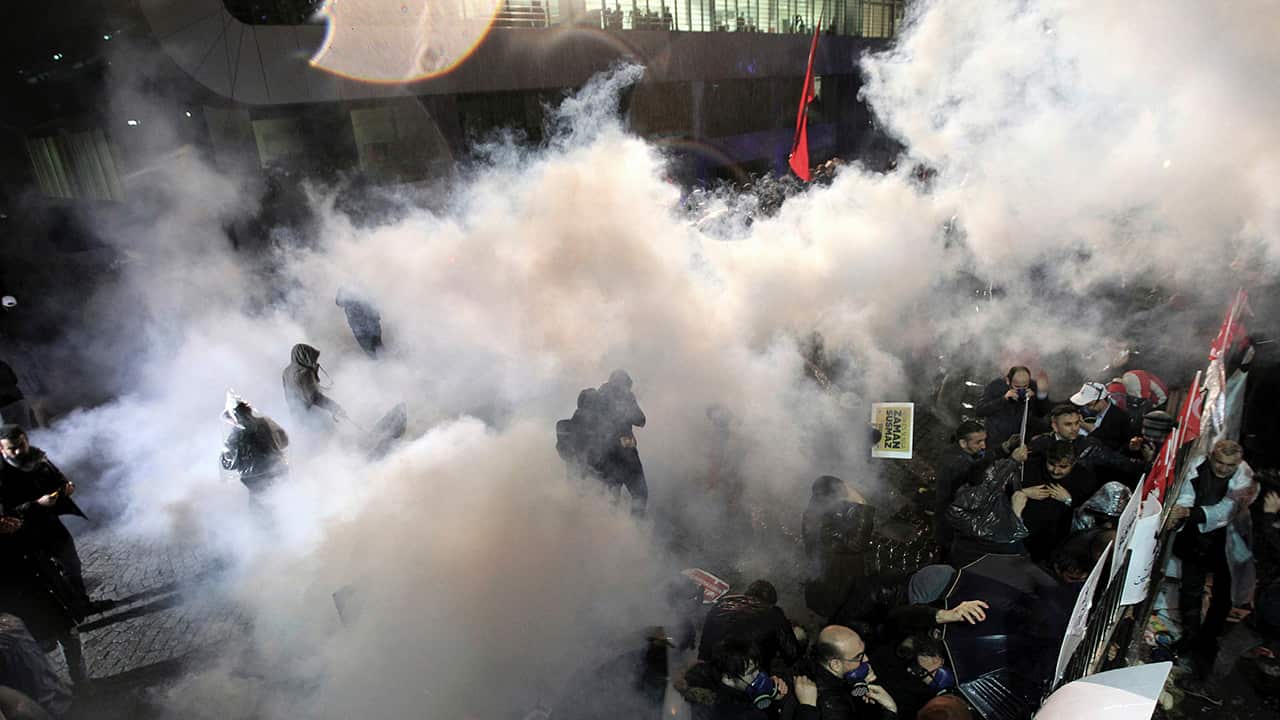
The images are chilling. A crowd of people corralled against a security gate being blasted by high pressure water cannon. There’s tear gas so thick you can barely see through it.
Dozens of women stagger away gasping for breath. Some of them fall to the roadway and are dragged away by their friends, still enveloped by the sickening white cloud.
This was the scene in March as the authorities installed new management at Zaman, one of Turkey’s largest circulation newspapers, sweeping away supporters rallying outside.
“It was complete barbarism… I couldn’t imagine that was going to happen in front of a newspaper to a completely peaceful crowd,” says Mustafa Edib Yilmaz, Zaman’s former Foreign Editor.
News that makes sense
Your trusted source for staying up-to-date with the world around you. Get free daily news updates and analysis, straight to your inbox.
Like many of his colleagues, Yilmaz has now been sacked.
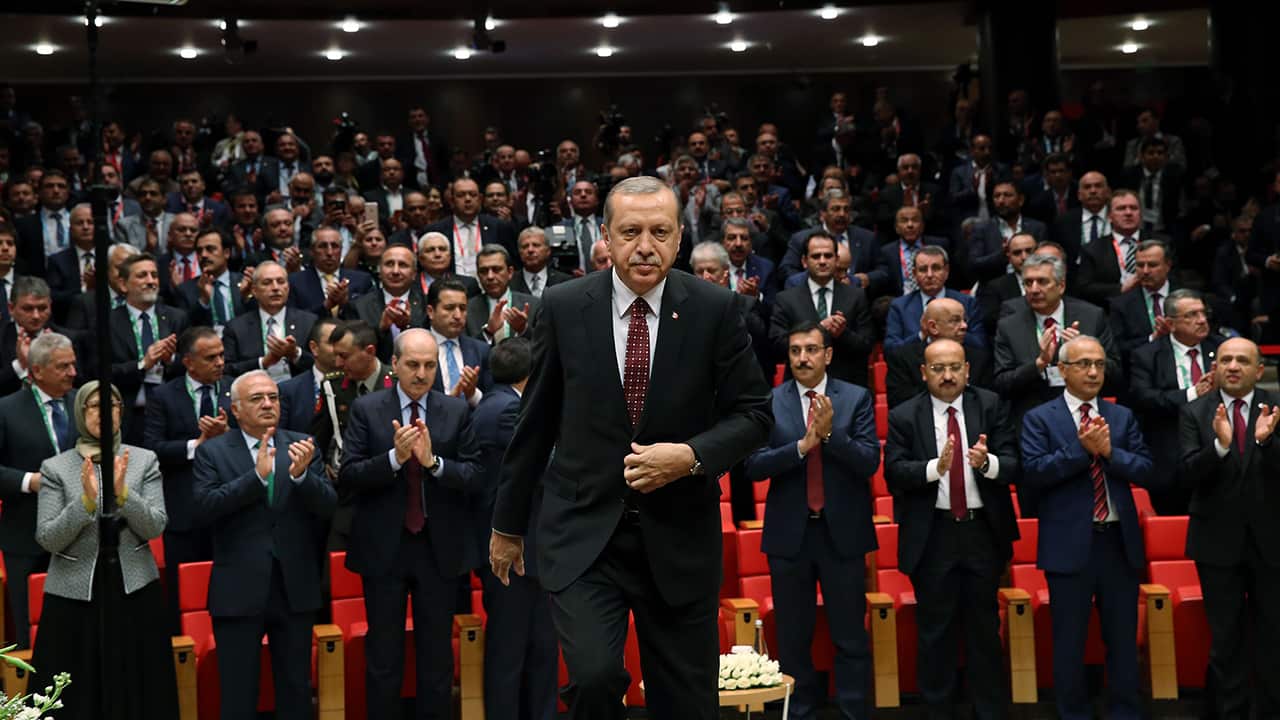
The police raid is seen as part of a tough crackdown on media outlets critical of President Recep Tayyip Erdoğan. Zaman certainly qualified on that count, but many in Turkey say there is another reason behind the brutal raid.
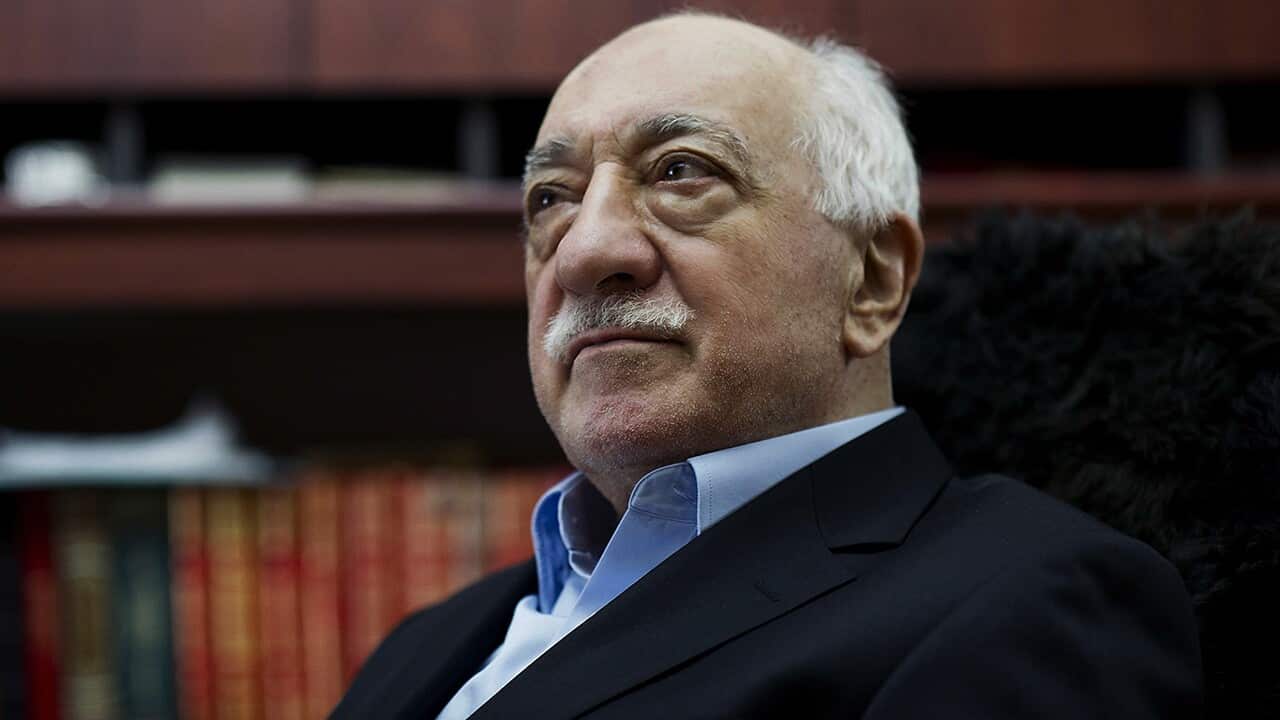
Zaman was closely aligned with Fethullah Gulen, dubbed the ‘Global Imam’ an influential figure in Turkey, who now lives in self imposed exile in the US.
The Gulen Movement, described on its website as a ‘worldwide civic initiative’ of schools, supportive corporations and media organisations, reportedly operates in 160 countries.
The movement preaches a moderate brand of Islam and inter-faith dialogue, but according to President Erdoğan the ‘global imam’ was attempting a coup against him.
“Yes. It was a coup. A civilian coup. This is what they were doing,” he told US TV host Charlie Rose.
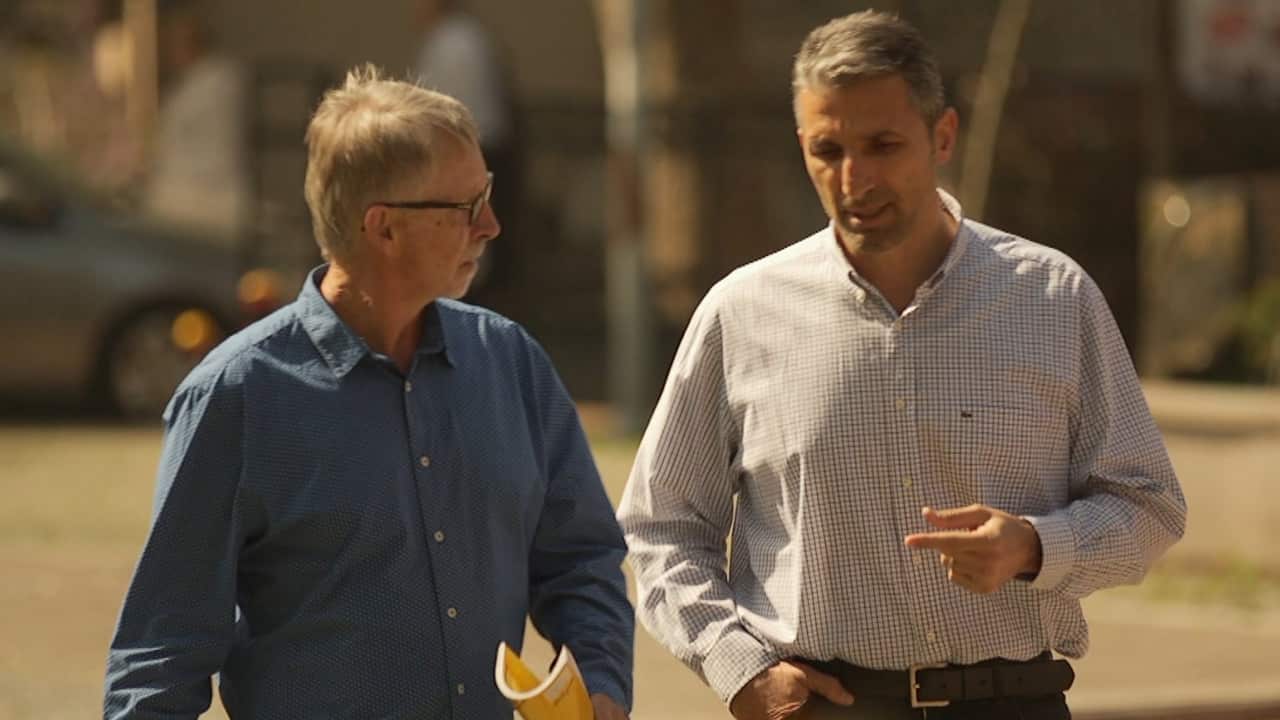
While in Istanbul for Dateline, I became intrigued by the movement and sought more information from Nedim Sener, an investigative journalist for the popular newspaper Posta.
“Their activities in Turkey aim to organise within the state, in the police, in the intelligence bureaucracy and in politics to gain power. Foreigners fail to understand what the aim of a religious leader can be,” says Sener.
He collaborated on a book about the movement, when Gulen was an ally of the then Prime Minister Erdoğan and his ruling AK Party.
Sener is currently being tried on terrorism related charges described in one media report as 'so nebulous even the prosecutor can't understand them’.
So why did once good political friends fall out?
“They were bargaining with Erdoğan… and Gulen made it clear he wants 150 MPs in the parliament,” according to Sener.
He claims Erdoğan wasn’t about to agree with this bold grab for power, so Gulen publicised a secretive and controversial government convoy of arms to Syria and also aired a series of corruption allegations involving ministers in Erdoğan’s government.
Media reports suggest that along with a strike against Gulen supporters in the media, the ruling party has sacked or shifted more than 40,000 Gulen supporters in the judiciary, police and civil service.
Phew. That’s a lot to take in. If this is occurring, and largely out of sight, it adds a whole other level to Turkey’s already complex politics.
If there is a massive power struggle underway in Turkey, then President Erdoğan is clearly in the ascendancy.
As Mustafa Edip Yilmaz contemplates his future, now he’s been dismissed from Zaman newspaper, he is at pains to refute the coup claim and that his newspaper group had links to outlawed Kurdish militants, the PKK.
“It’s been more than a month and I think people are still waiting to see just one, single, tiny piece of evidence of the charge. They should find some evidence of that because it’s a very heavy charge.”
Authorities in Turkey say that Gulen, with influence across many sectors of society, was operating a ‘parallel state’ or ‘parallel structure’ – if you like, a state within a state, beyond control of the government.
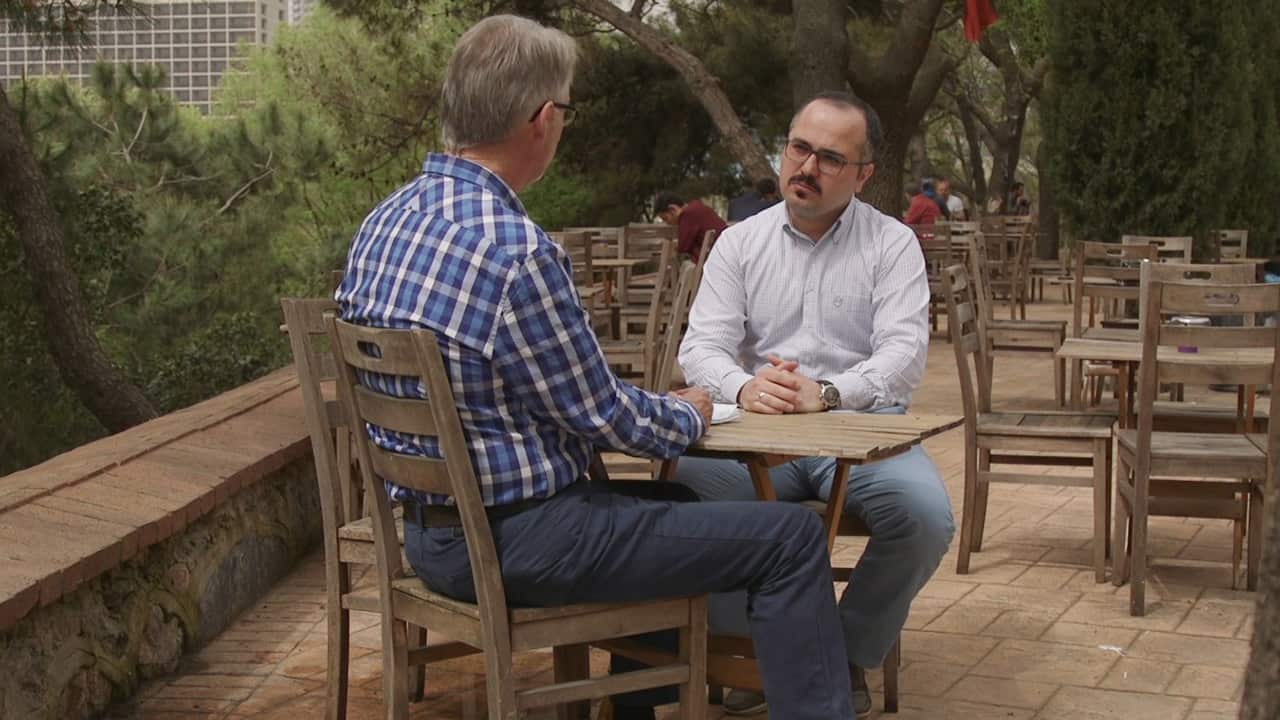
As we sipped tea at a leafy outdoor café, Yilmaz dismissed that claim too.
“I’m just... come on, just give me one single proof of your accusation and I am ready to give up everything. So I am trying to understand what this political state, might be capable of. Why has this [coup] not happened so far?”
Yilmaz says the attack on his newspaper is nothing more than a political crackdown on free media.
As with many issues in Turkey, the truth of these remarkable allegations of an attempted coup and a ‘parallel state ’ is difficult to define.
Meanwhile, Sener is contemplating the prospect of a long jail term for his work and Yilmaz is wondering if he has any future at all in Turkey now.
The government denies it’s engaged in a media crackdown, but the fate of these two journalists suggests a much more complicated story.
Follow the SBS News coverage of the attempted coup that followed in July 2016:
And see Geoff's Dateline story, Enemy of the State?, in full:

Dateline is an award-winning Australian, international documentary series airing for over 40 years. Each week Dateline scours the globe to bring you a world of daring stories. Read more about Dateline

Have a story or comment? Contact Us







