
A burgeoning trade dispute between Japan and South Korea could push smartphone and television prices up around the world after Tokyo tightened key exports to Seoul.
South Korean tech giants including Samsung and LG all rely on three key Japanese chemicals needed to manufacture the displays and chips in some of the world’s favourite electronic devices.
Tokyo announced it would pull back on these exports in July over what Chief Cabinet Secretary Yoshihide Suga called an erosion of “mutual trust” between the two nations.
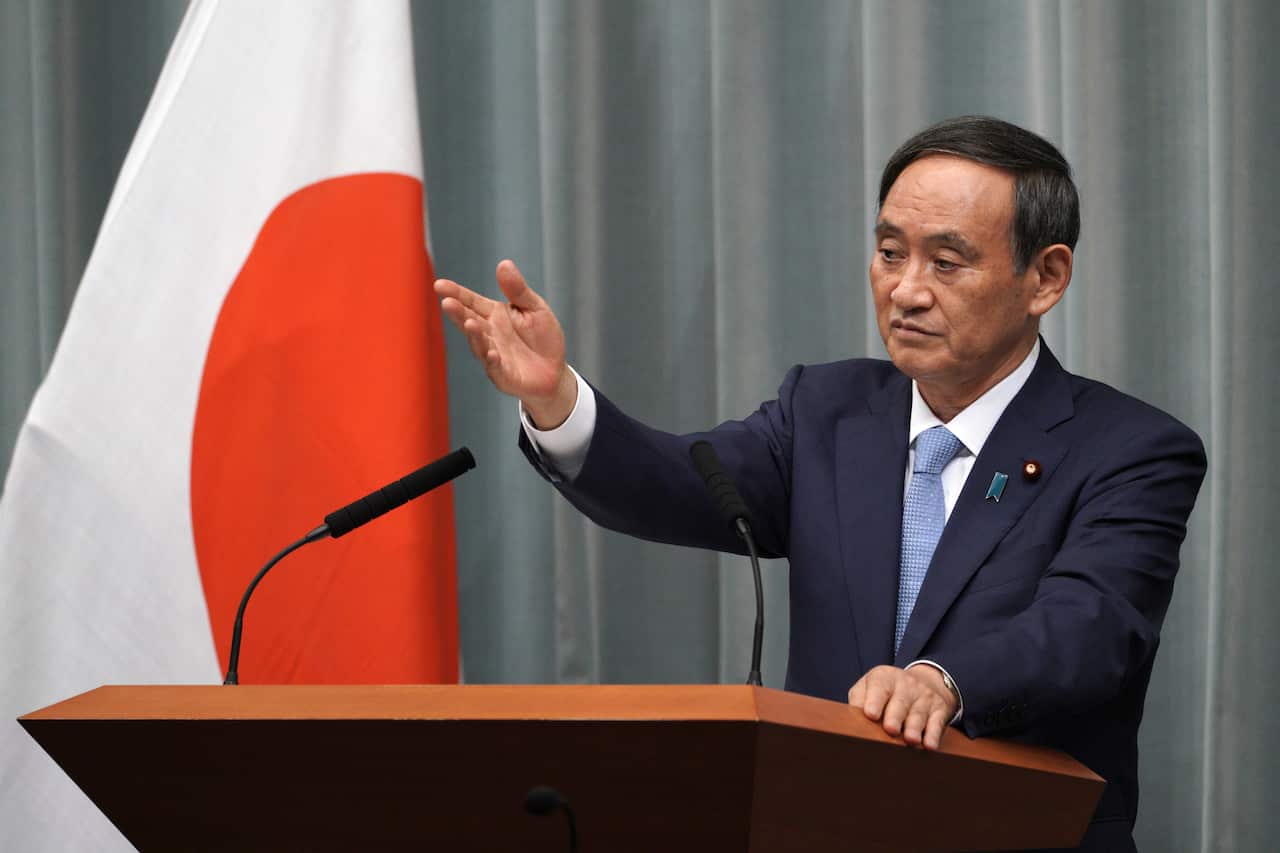
The tensions rose further this week when South Korea announced its intentions to lodge an official complaint with the World Trade Organisation over Japan’s actions.
News that makes sense
Your trusted source for staying up-to-date with the world around you. Get free daily news updates and analysis, straight to your inbox.
But experts fear the dispute may have more implications than either nation originally expected – and it’s all over an argument stemming back to World War II.
Old wounds run deep
Relations between the two nations turned bitter last year when the South Korean Supreme Court demanded Japanese companies pay compensation to the South Koreans who were forced into labour during Japanese occupation, which ended at the close of World War II.
South Koreans were further angered in December when Japan’s oldest English-language newspaper revised its definitions of ‘comfort women’ to suggest Korean women were not forced into having sex with Japanese soldiers during the war.
The newspaper also wrote that forced labourers would instead be referred to as ‘wartime labourers’, reasoning that “the conditions they worked under or how these workers were recruited varied.”
In July, Tokyo announced exporters of three key chemicals would need to apply for a license, which can take 90 days to process, each time they make a shipment to South Korea.
“Relations between Japan and South Korea continue to be in an extremely serious situation because of South Korea’s repeated negative and irrational actions, including the most critical issue of labourers from the Korean Peninsula,” Japan’s Chief Cabinet Secretary Yoshihide Suga said at the time.
Japan also removed South Korea from its ‘white list’ of trusted trade partners in August, which added more than 1000 other items to the list of exports now needing government approval before shipping.
The trade controls were met with widespread calls for South Koreans to boycott Japanese goods, ultimately seeing Japanese car sales fall 57 per cent while beer sales all but disappeared with a 97 per cent fall.
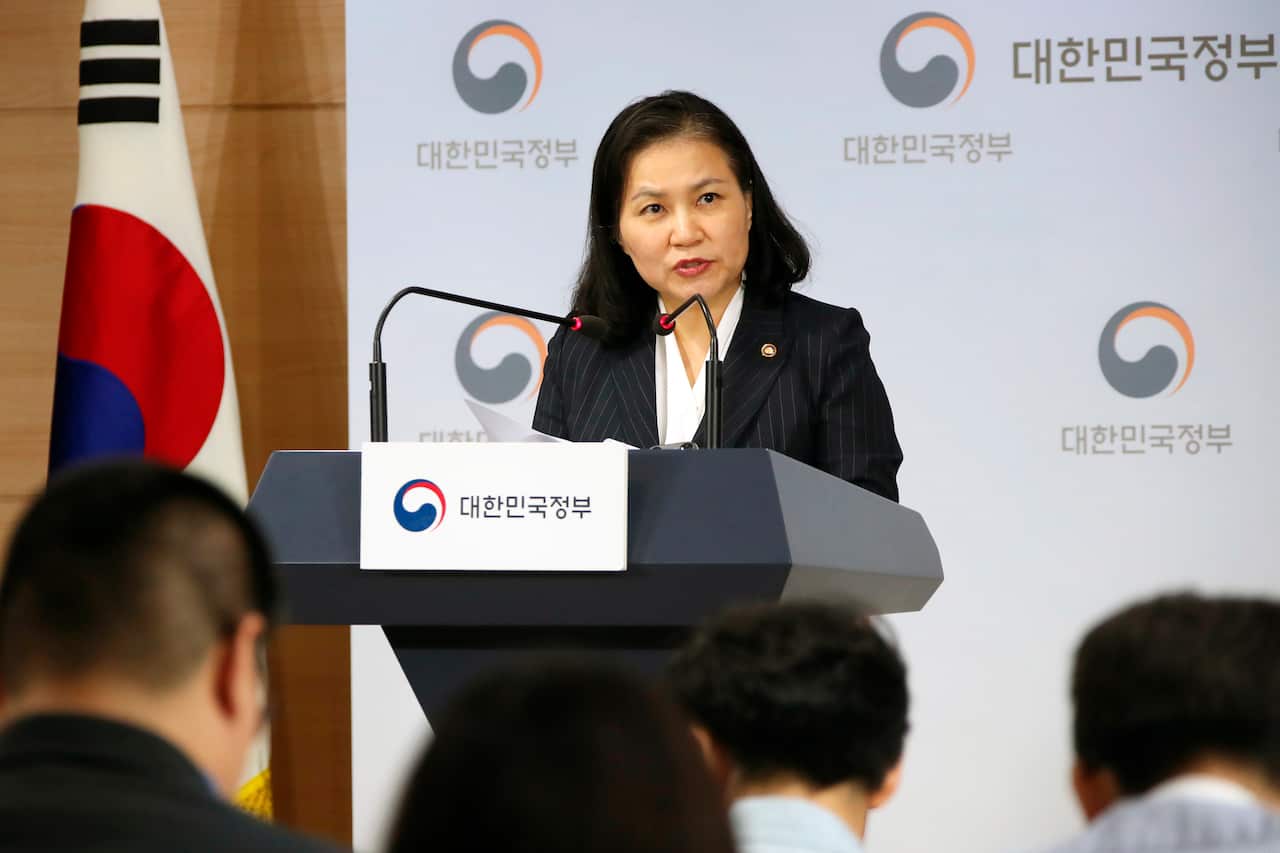
Announcing South Korea’s intentions to lodge a formal complaint, trade minister Yoo Myung-hee called Japan’s export controls “politically motivated” and “discriminatory”.
“We have decided to complain about Japan's measures at the WTO ... to prevent the act of abusing trade for political purposes from recurring," she said during a briefing on Wednesday.
But with Yoo expecting the WTO to take as long as 15 months to come to a decision, many are left fearful of what the ongoing dispute could mean for the global tech industry.
Why your next phone could cost more
Samsung produces the world’s most popular Android smartphone – the Galaxy.
But the South Korean tech giant also manufactures the display panels and memory chips used to make many other smartphones, including its main competitor, the Apple iPhone.
Only three shipments to South Korea have been approved since the restrictions were put in place on July 4, before which Japanese companies only took a couple of weeks to ship their chemicals into Seoul.
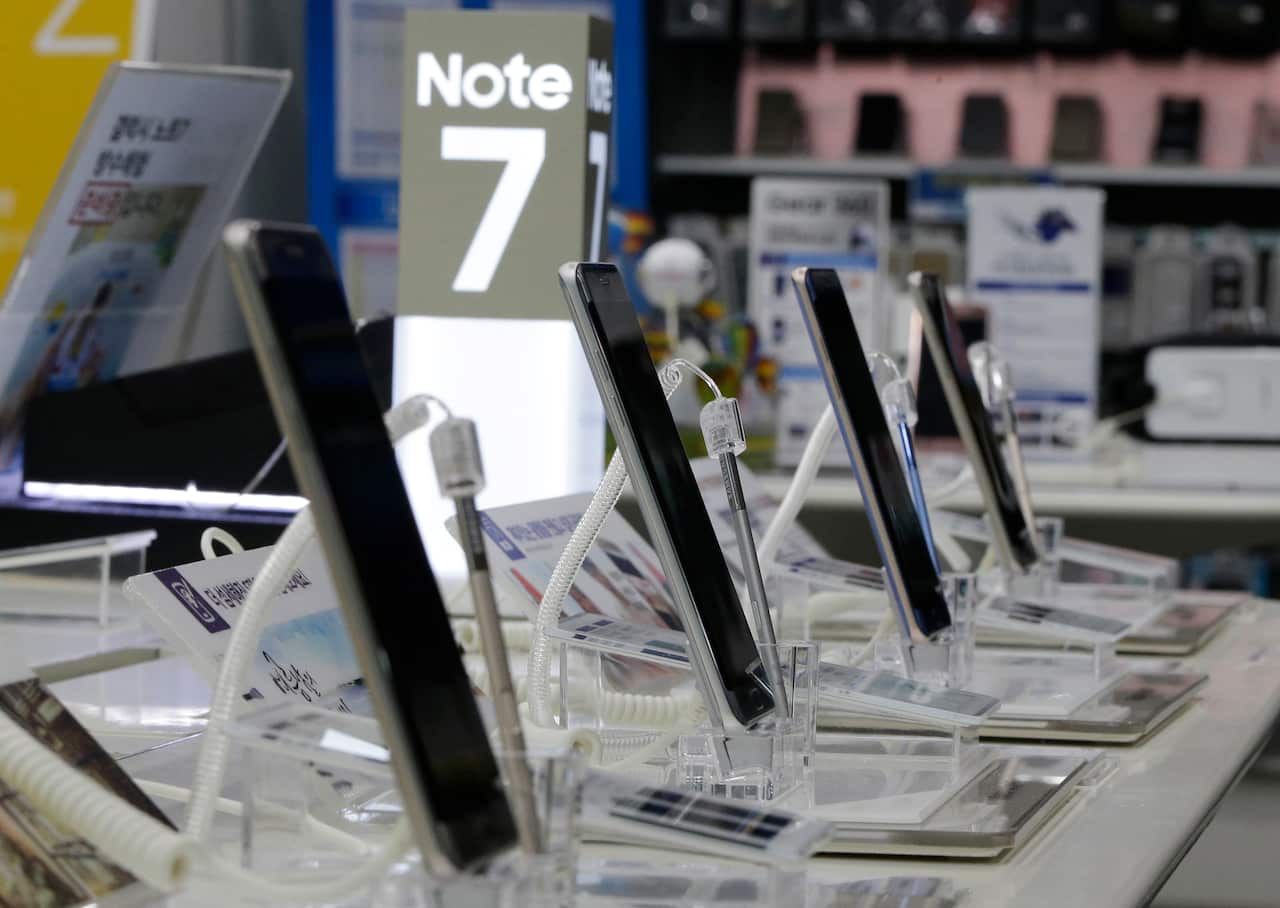
While each shipment has made it safely to South Korea, experts fear these new restrictions could cause smartphone prices to surge if export requests start to be denied.
IHS Makit’s Asia Pacific Chief Economist Rajiv Biswas told Dateline if that were to happen, the knock-on effects would be considerable.
“South Korea is a very important manufacturer, particularly of memory chips – it produces 61 per cent of memory components used in global electronics – so it’s of very high vulnerability in the global supply chain,” he said.
“So if there were any disruptions, the ramifications could be shortages of these memory chips and display panels … that could result in supply shortages, which could then cause higher prices.”
The South Korean government is now focusing on helping its technology industry to diversify its supply chains, which is no easy feat considering Japan dominates global manufacturing of these three key ingredients.
Mr Biswas said the vast number of products now requiring Japanese approval before exporting might in itself cause future delays.
“Even if there are no refusals, it could just be the sheer amount of work involved that results those in delays,” he said.
“In the middle of an escalating trade row between the two countries, some of these products could also become hostages to the frictions.”

Dateline is an award-winning Australian, international documentary series airing for over 40 years. Each week Dateline scours the globe to bring you a world of daring stories. Read more about Dateline

Have a story or comment? Contact Us







