This audio is voiced by AI and may occasionally mispronounce words.
Share your feedback and help us improve this feature. Read more about how we use AI at SBS here.
Child-free life vs child-free world? As more Australians embrace a child-free life, Insight explores the decision not to have kids, the stigma that comes with it, and the changing face of family. Watch Insight episode No Kids, No Problems? on SBS On Demand.
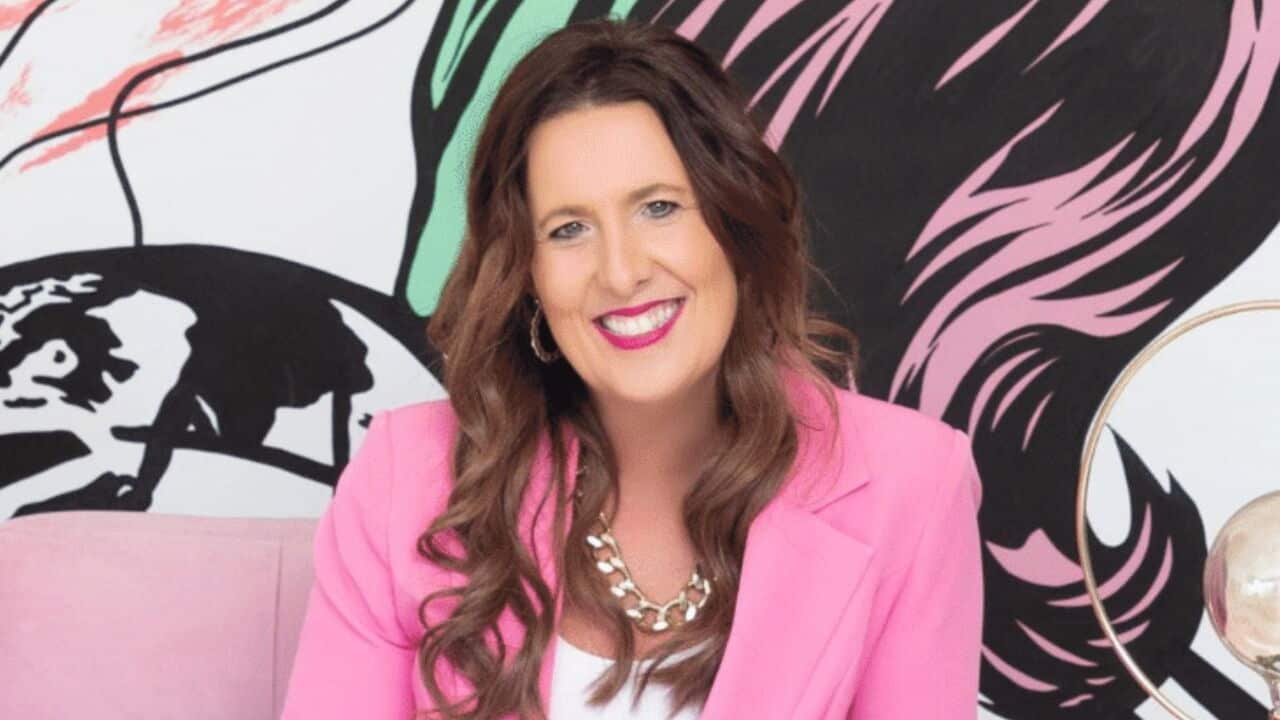
Tanya Williams knew from a young age that she didn't want children.
"I'm not anti-children in general. I'm just anti-children for me," she told Insight. "[Being a parent] wasn't the lifestyle that I wanted."
News that makes sense
Your trusted source for staying up-to-date with the world around you. Get free daily news updates and analysis, straight to your inbox.
The 54-year-old says she is more focused on having a successful career, passion projects and travelling the world.
"I just saw motherhood as a trap — as something that would stop me doing all the great things that I wanted to do in life."
With nieces and nephews, Tanya and her husband of 30 years knew that they didn't need to have their own children to have children in their lives.
And when the Brisbane-based business owner researches a holiday, there's a key phrase she looks out for.
"If I see 'family friendly' … I'm not booking there, that's for sure," she said.
"If it's adults-only, even better."
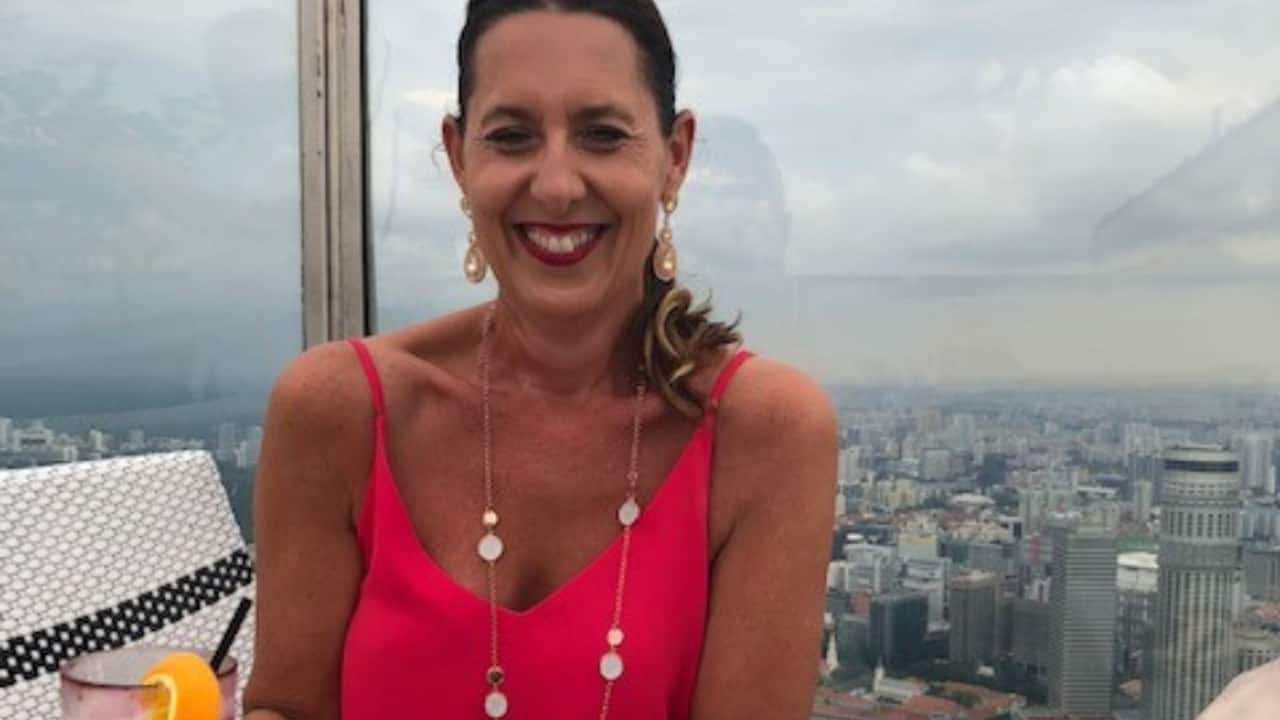
Tanya says many parents aren't doing enough to reprimand their children in shared spaces such as resorts.
"When you've got ... kids jumping in the pool or just causing havoc, and parents who ... let them do whatever they want, it's very annoying and inconsiderate ..." she said.
She also cited multiple flights where a child screamed "its head off".
"If I did the same thing, I'd be kicked out of somewhere.
"But I understand that they're children."
'The default route'
Melbourne-based content creator Julia Datt is also child-free and agrees.
Julia, who is in her 30s, also travels often and says that as someone with neurodivergence, screaming children on planes easily trigger panic attacks for her.
She thinks airlines should offer alternatives for uncomfortable passengers, such as adults-only zones.
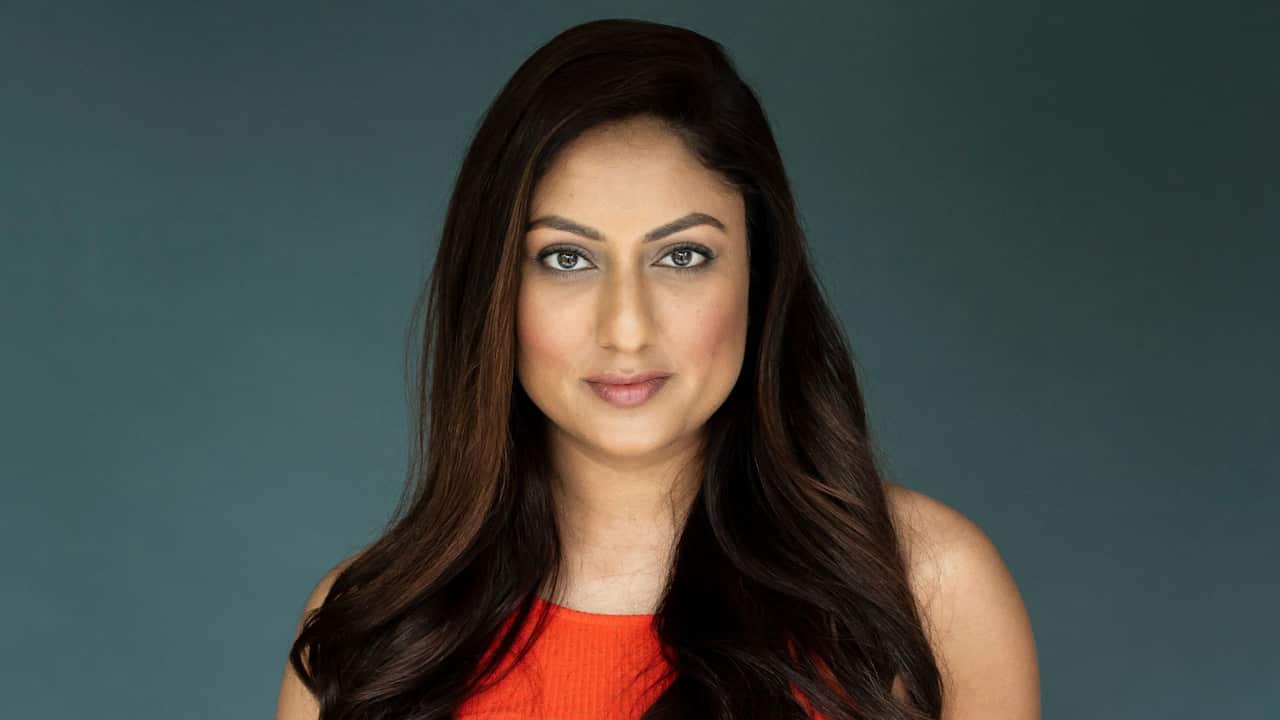
"I think it's very important for people to have a sense of comfort and a sense of safety while travelling," Julia said.
"And now we need to not default to family-friendly being the 'automatic right of way' ..."
Julia believes child-free women are "subject to an intense amount of scrutiny" about their lifestyle choices compared to people who are parents.
She says that "motherhood is always the default route for many people", but that children are not for everybody.
'Not everyone wants to be around everyone else's kids'
Kylie and Wayne Scholz have been married for 27 years and never tried to have children.
"Life just got busy. We just did our thing — and if we had kids, 'yay'," Kylie said.
"But it didn't happen, so we just continued with what we were passionate about."
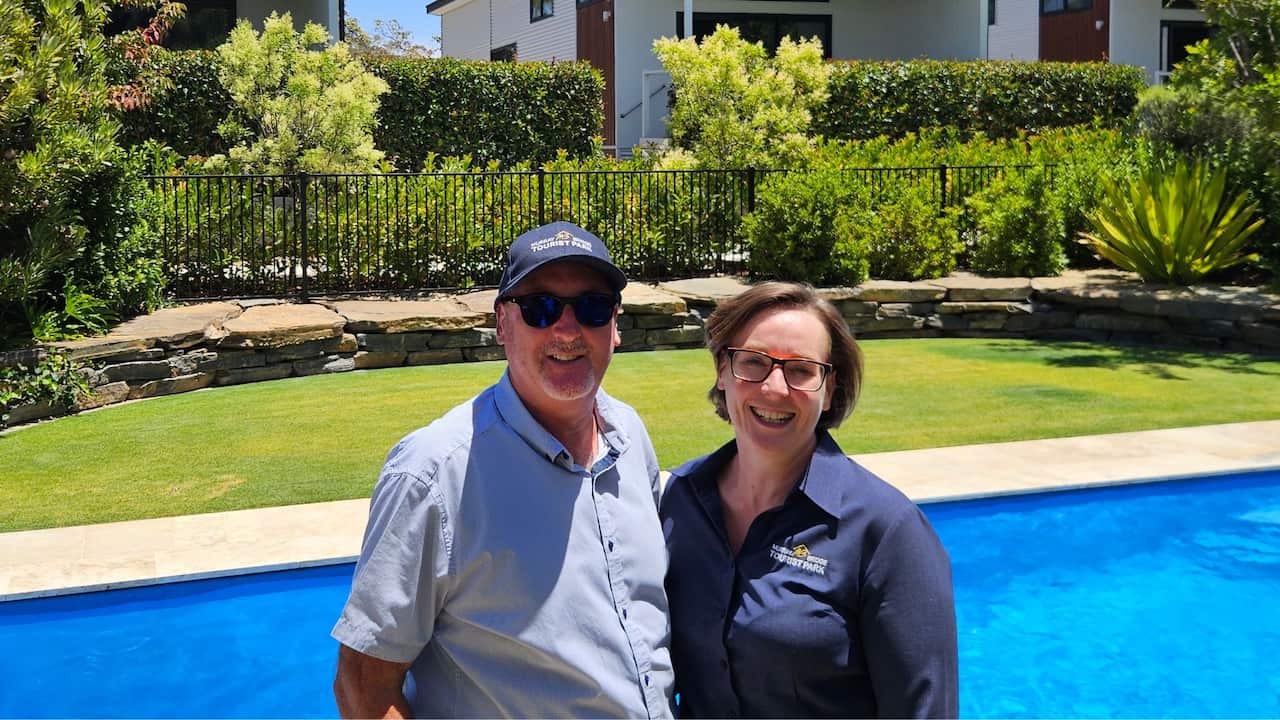
The couple have run a caravan park in South Australia since 2013. Last year, they made the park adults only, and say a rising demand for child-free spaces moved them in that direction.
"Having travelled overseas and staying at adults-only resorts, we realised that we had an opportunity — it's a niche," Wayne said.
"Adults-only means no kids. It doesn't mean no clothes, obviously."
The couple say the overall response has been positive, and they're bridging a gap in the market, as caravan parks are typically promoted as family-friendly.
"A lot of travellers and tourists get displaced during school holidays, and they feel like they haven't got a place to go where they can be comfortable," Wayne said.
"Not everyone wants to be around everyone else's kids," Kyle said.
Wayne recognises that for some adults trying to relax on holidays, "the last thing you want is kids splashing and jumping in the pool all around you ..."
"There is a place for that, but [ours] is not one of those."
Declining fertility rates and intentions in Australia
More Australians are choosing not to have children.
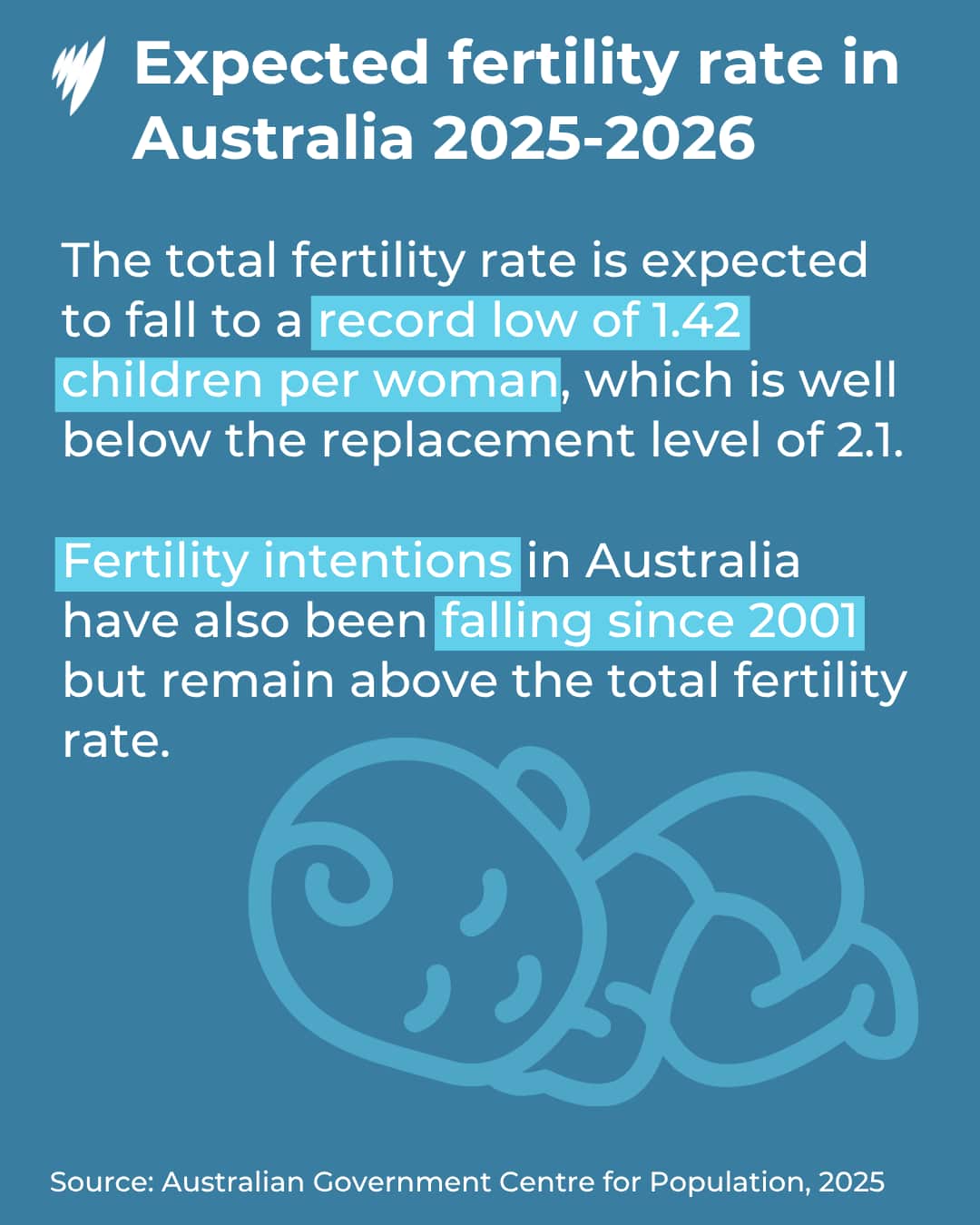
In 2025-2026, the total fertility rate is expected to fall to a record low of 1.42 children per woman, which is well below the replacement level of 2.1, according to the 2025 Centre of Population statement on population.
Fertility intentions (an individual's or couple's conscious plan about whether they will have children) in Australia have also been falling since 2001 but remain above the total fertility rate.
Sociologist Ella Reed believes several factors could be at play in the shift in attitude towards having children — including the women's liberation movement, natural issues and economic concerns.
"People are really considering the future that is available for their children. and whether or not they can actually afford it too ..." she told Insight.
"And that does show that as we've got more access to contraception, reproductive health care, options for women to own property, divorce, get married ... to anyone that they like ... we're seeing a decline in fertility rate because there are other options."
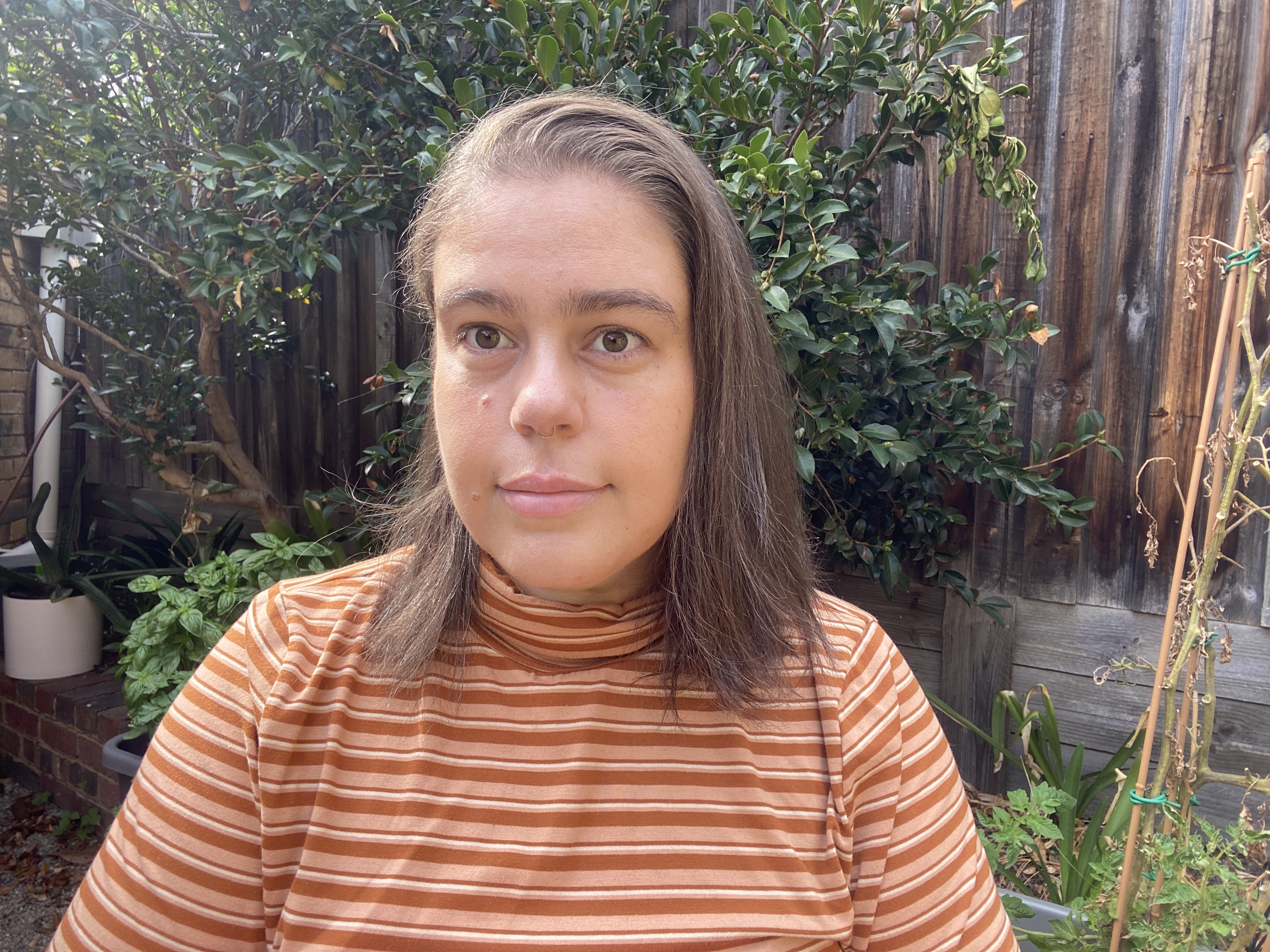
Ella, 35, is child-free but has donated eggs to help others become parents.
"I had eggs and I didn't want to use them ... I just knew that there were people that ... really wanted to have children and would be really, really good parents," Ella said.
"I knew for myself that I wouldn't be."
She says, "being child-free is a choice, opposed to childless", and the distinction between the two is about choice and agency.
Child-free spaces and gender exclusion
Deanna Grant-Smith, a professor at the University of the Sunshine Coast, has studied how children and their carers are considered in city and public transport planning.
"When we're looking at places that are child-free in that children are excluded from those places, there's a concern that that also results in a form of gender exclusion," Grant-Smith said.
"So, these no-kid zones are, in effect, a mother-free space as well."
The professor says a push for transport options such as adults-only flights would have knock-on effects.
"What we would probably find is the kinds of flights ... or bus trips or train trips that would be child-free, would probably end up being those ones that are at peak commuter times, which again would disadvantage people who have to travel with children," she said.
"I also think that it removes the opportunities for us to socialise children and young people into how they can behave with other people."
'You are entitled to a child-free life, but not a child-free world'
Ashley Brooks-Garrett, 36, is the mother of a young toddler and says child-free spaces are appealing to parents too.
"The scenario of getting a massage while you're on holiday listening to other people's screaming children also sounds awful to me, as a mother," she said.
"But I really feel like my philosophy is that you are entitled to a child-free life, but not a child-free world."
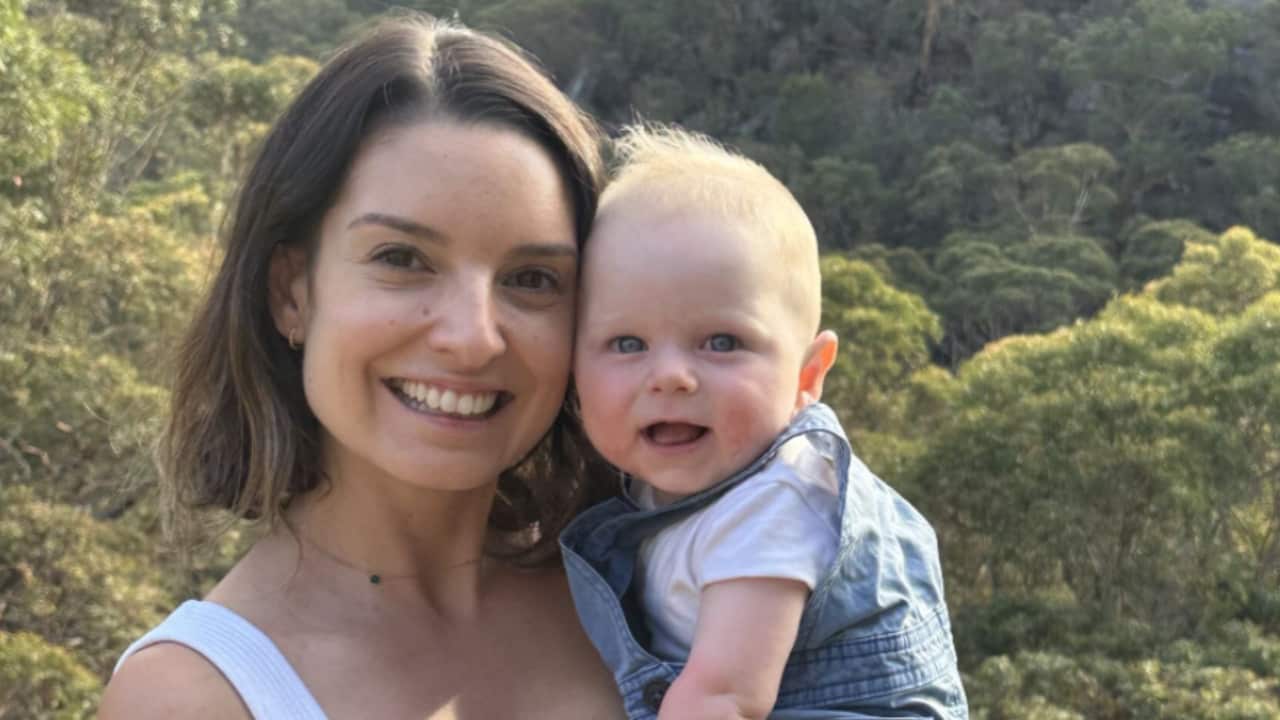
The Sydney-based writer says she spent the first year of her son's life avoiding leaving the house and still minimises the time she spends in public spaces with him.
"I didn't realise that so much of my anxiety as a new mum was based around the judgement from other people when my child was crying, and he cried a lot," she said.
At not even two years old, Ashley says her son's tantrums are unavoidable and a normal part of a child's development.
"If there was any way that I could change it or remove him from the situation, of course I would do that.
"But I also need to check myself sometimes and say ... 'he's fine; he's not hurting anybody; he might be an inconvenience, but he's not doing anything wrong'."
Seen and not heard?
Sociologist Ella is on the fence about whether we should have more child-free spaces.
Now in her 30s, Ella previously believed parents should keep their children quiet or not bring them out.
"I'm a little bit embarrassed that I used to be that way," she said.
"I have realised as I've gotten older that women still are shouldered with that burden of child rearing.
"When we have these conversations about how children should be seen and not heard … realistically, what that's saying is that women also can't be in those spaces too."
Watch your favourite Insight episodes around the clock on SBS On Demand's dedicated Insight channel. For the latest from SBS News, download our app and subscribe to our newsletter.

Insight is Australia's leading forum for debate and powerful first-person stories offering a unique perspective on the way we live. Read more about Insight

Have a story or comment? Contact Us







