
This audio is voiced by AI and may occasionally mispronounce words.
Share your feedback and help us improve this feature. Read more about how we use AI at SBS here.
Should you invest in shares, or property? Is university still worth it, or should you start your own business? With the path to financial security becoming less clear, Insight asks how aspirational people are getting ahead, and whether Australia is a good country to build wealth. Watch Insight episode Gettin' Rich on SBS On Demand.
Enosh Tampoe, 23, and his family migrated from Sri Lanka 16 years ago and have been living in the same rental property since then.
The Sydney mortgage and finance adviser says that as an immigrant family "starting from scratch", he felt financially behind his friends at times growing up.
News that makes sense
Your trusted source for staying up-to-date with the world around you. Get free daily news updates and analysis, straight to your inbox.
"There were situations where I did feel like [I was] potentially behind — just because at the end of the day, there is that intergenerational wealth ...You'll notice obviously, they have their own houses; they have nice cars ..." he told Insight.
"Having that support from parents — whether it's in the form of getting money or continuing to live at home rent-free and all that stuff — definitely helps."
Feeling he couldn't rely on the "whole natural pathway of doing well in school, getting through uni and [getting] a big boy job" to build wealth, he took a hard approach to saving at an early age and bought a Sydney apartment two years ago.
Now, he's giving himself 10 years to save a $600,000 deposit for a $3 million Sydney home where his whole family can live.
"My end goal is … that great Australian dream: owning my own home, building my family and raising them in a nice neighbourhood," he said.
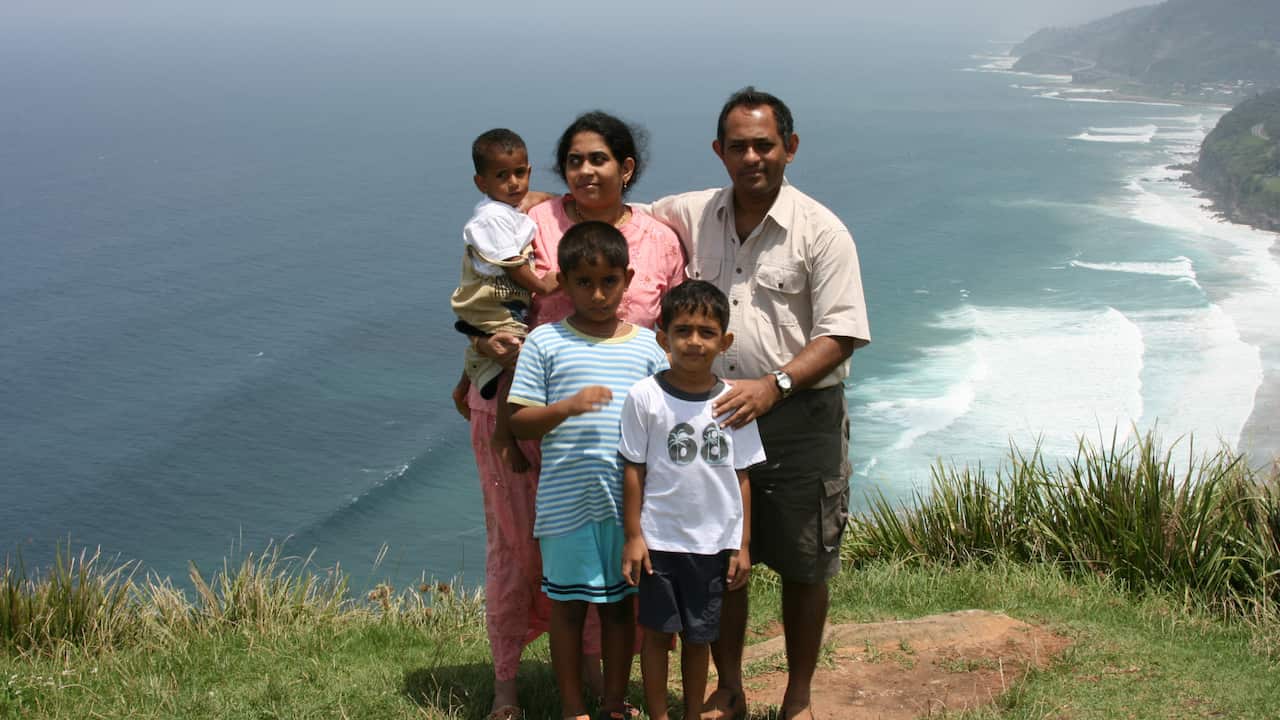
To reach his goal faster, he lives with his parents and rents out his apartment — taking advantage of the tax benefits of negative gearing to build equity.
Negative gearing refers to a situation where the ongoing costs of an investment exceed the rental income received, and the overall loss can then be claimed as a tax deduction.
But as of 1 July 2027, the federal government will restrict the tax benefits of negative gearing to new residential builds.
Enosh says this new law has reduced his borrowing capacity by "around 20 per cent", putting his plans to buy a second investment property this year on hold.
"If I were to purchase a second investment property, I'm not getting that benefit towards my salary or wage, that tax benefit."
'My inheritance was my head start'
Leticia Coco also became a homeowner in her early 20s — when her mother died from cancer, and she and her brother inherited the family home.
The siblings sold the house, and after setting up an emergency account, travelling and receiving laser eye surgery with the money, the occupational therapist eventually bought an apartment.
"It meant a lot, that inheritance," she said.
"(Without it, I'd be) saving or feeling like purchasing property was out of reach.
"I do feel wealthy in some ways, but yeah, you can't put a price on having your mum around."
Now a mother herself and living on the NSW North Coast, Letitia is hoping her inheritance will financially support her far into the future.
"I'm trying to use my inheritance or my head start … to help me get to maybe semi-retirement by the time I'm about 45 or 50."
Overregulation and undersupply?
Although house prices are cooling in parts of the country, overall property prices remain stubbornly high in comparison to income.
Economist Chris Richardson says the reason property continues to rise in value is that there is not enough supply to keep up with demand; and the undersupply of housing in Australia is a result of a decades-long culture of overregulation.
"In housing our policy is, 'No, you can't build that.' In economic reform, it's, 'No, you can't do that — there'd be some losers'," he said.
"We have chosen as a nation to spend decades pouring cement over our ability to change. It's part of the reason why our living standards have stagnated and struggled."
While there are many sentimental and emotional reasons people strive to buy a home, property remains a significant driver of everyday Australians' wealth.
Richardson, who worked with the International Monetary Fund and the Australian Treasury, says Australians have $12 trillion tied up in housing.
"In Australia, we have a system that means you get a terrible return if you're putting your money in a bank and earning interest, but you get a rather better return in housing and in super."
Because of this, he said it's not surprising that two-thirds of household wealth is in property — with much of the rest in superannuation.
He says that although we "all love hearing about ‘get rich quick', the safe and smart way is ‘get rich slow and sure'".
"Get the best possible income that you can. From that, save as much as you can. Get that money, stack it away, get the best return on it."
'I can't imagine anything worse'
But building wealth and owning property is not the goal for everyone, including journalist and content creator Tara Meakins.
The 37-year-old is renting in Sydney and has no plans to buy a home — preferring to lean into the flexibility of freelancing, which allows her to work when and where she wants.
"This year I've been to Bali, Singapore, Hong Kong; I've never had to ask anyone for a day of annual leave," she said.
"It's just been such a joy to lead this life ... I live every day in the here and now; I can't imagine anything worse than being locked into one location."
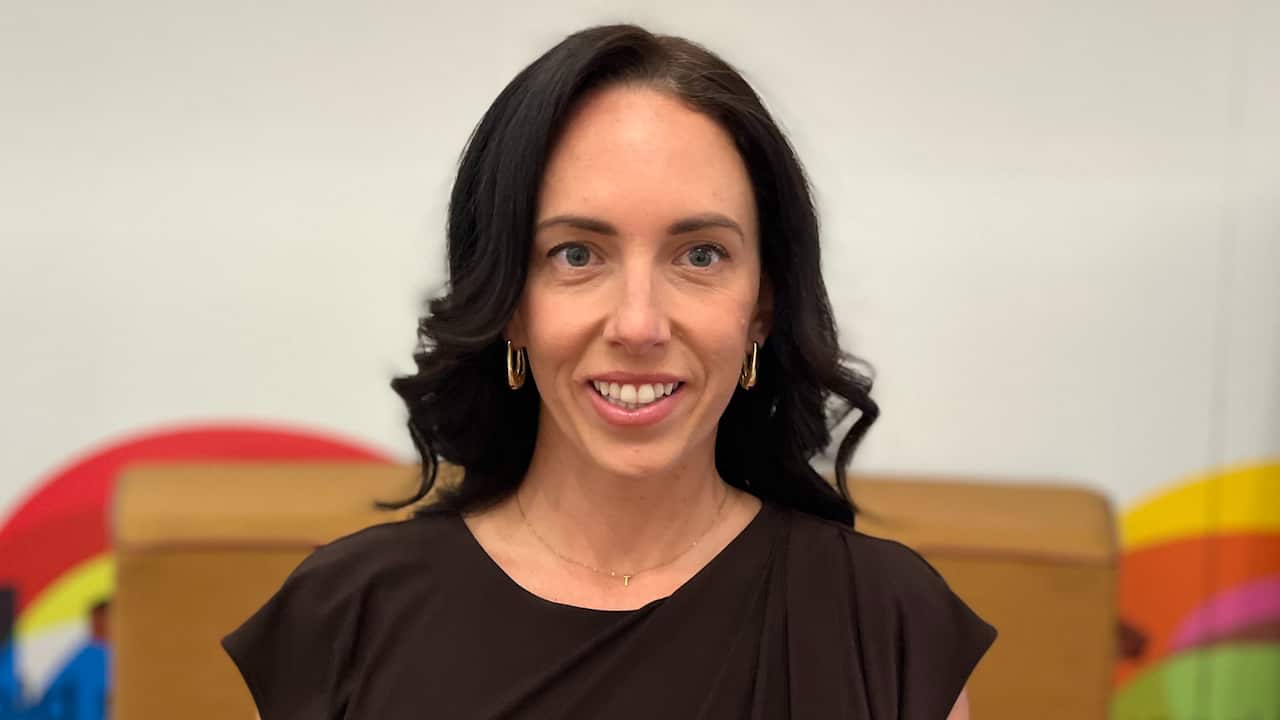
For Tara, wealth is much less about money and more about experience and making memories.
She says she might buy one day, "much further down the track", when she decides where in the world she wants to live.
'Generate equity and get the snowball rolling'
As budget reforms and rising interest rates reduce the borrowing capacity of prospective buyers, property prices in parts of Australia have fallen.
This was particularly helpful for photographer Alex Clisdell, who lives at home and is using property to generate equity.
The 26-year-old bought his first investment property in early July at a significant discount — $150,000 less than the original asking price.
"That money, which would've been spent on the down payment, now becomes capital that I can use for renovations," he said.
"Gonna use those renovations to generate equity and get the snowball rolling."

Investing in shares was one of the ways Alex saved a deposit. During the COVID-19 pandemic, he taught himself about shares and exchange-traded funds (ETFs) via social media videos and invested his JobKeeper payments.
"You give a 20-year-old $1,500 a week or a fortnight and (they're) buying European holidays, cars, this and that.
"I just decided to put it all in the share market."
The other way he saved was through building his photography and media company, which originally started as a side hustle but now employs eight people.
"I got to the last year of my [architecture] master's, and I was making more doing the photography part-time than my mates were earning as architects working full-time."
Alex, who describes himself as "not a big spender", continues to reinvest his money back into his business or shares and is already planning for retirement.
"What I'm kind of working towards next is accumulating that asset base and that wealth base," he said.
He says he plans to exit the workforce when he accumulates $10 million.
Investing in shares to invest in property
Financial adviser Glen Hare specialises in working with clients aged 20-45 and says younger Australians are increasingly turning to investing to build wealth because they feel buying property isn't achievable.
But Hare cautions young investors against the "false hope" that investing in shares automatically leads to owning property.
"Saving whatever's leftover at the end of the month gives you no clarity as to when you'll get there," he said.
"Whereas if you know you need $100,000 deposit … and you can save $2,000 per month, within four years, you'll have a deposit."
The 'biggest wealth in life is freedom'
Alex, who has generated wealth from investing in shares, believes that money and investing in property buy freedom.
He says the "biggest wealth in life is freedom" and the choice to "do what you want, when you want, when you want, with whomever you want".
"Every time I buy another share or add more equity to that investment property, I feel like I'm almost buying a piece of my future back."
Watch your favourite Insight episodes around the clock on SBS On Demand's dedicated Insight channel. For the latest from SBS News, download our app and subscribe to our newsletter.

Insight is Australia's leading forum for debate and powerful first-person stories offering a unique perspective on the way we live. Read more about Insight

Have a story or comment? Contact Us







