This audio is voiced by AI and may occasionally mispronounce words.
Share your feedback and help us improve this feature. Read more about how we use AI at SBS here.
As medical technology advances and our awareness of good mental and physical health grows, it's never been easier to get a diagnosis. But is putting a label on what's happening in our body always a good thing? Or can it lead to harm? Watch Insight episode 'Overdiagnosed?' On SBS On Demand.
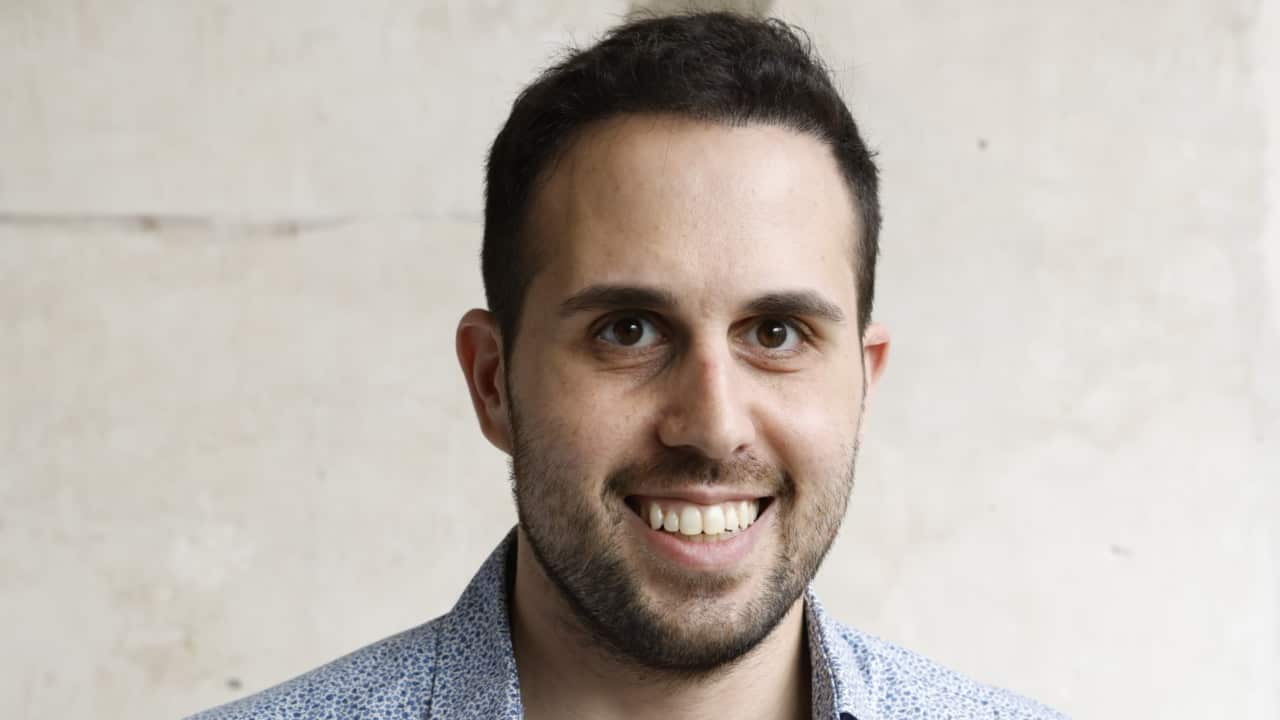
I never suspected I had autism, but after a recent dinner with a psychologist friend of mine, I took an online screening test that suggested I might. Now, I am figuring out whether I want to seek a formal diagnosis and know for sure.
I've always felt 'different'. I don't say that to boast; it's just that my early life was informed by the near-death experience I had as a baby.
When I was five months old, I developed viral meningitis and ended up in hospital for 10 days with apnoeic episodes and a seizure. Doctors were unsure how much my brain would recover. They told my parents I would likely be Deaf or have significant brain damage, but luckily neither of these would come to pass.
Still, I've wondered whether the brain trauma I sustained had consequences for who I am. And now, after taking that test, I also wonder whether it is because I might be autistic.
News that makes sense
Your trusted source for staying up-to-date with the world around you. Get free daily news updates and analysis, straight to your inbox.
In primary school, I found it hard to make friends, and I spent most lunchtimes on my own — imagining I was a movie star and the sixth member of British pop bands Spice Girls or Steps.
That was until a switch flipped in me one day when I was 10 years old, and I decided to join the other kids in a game of handball.
I underwent a lot of occupational and behavioural therapy over the years in my meningitis recovery as my general development was affected — particularly when it came to social skills.
And it was like the years of therapy finally activated, and I developed self-awareness.
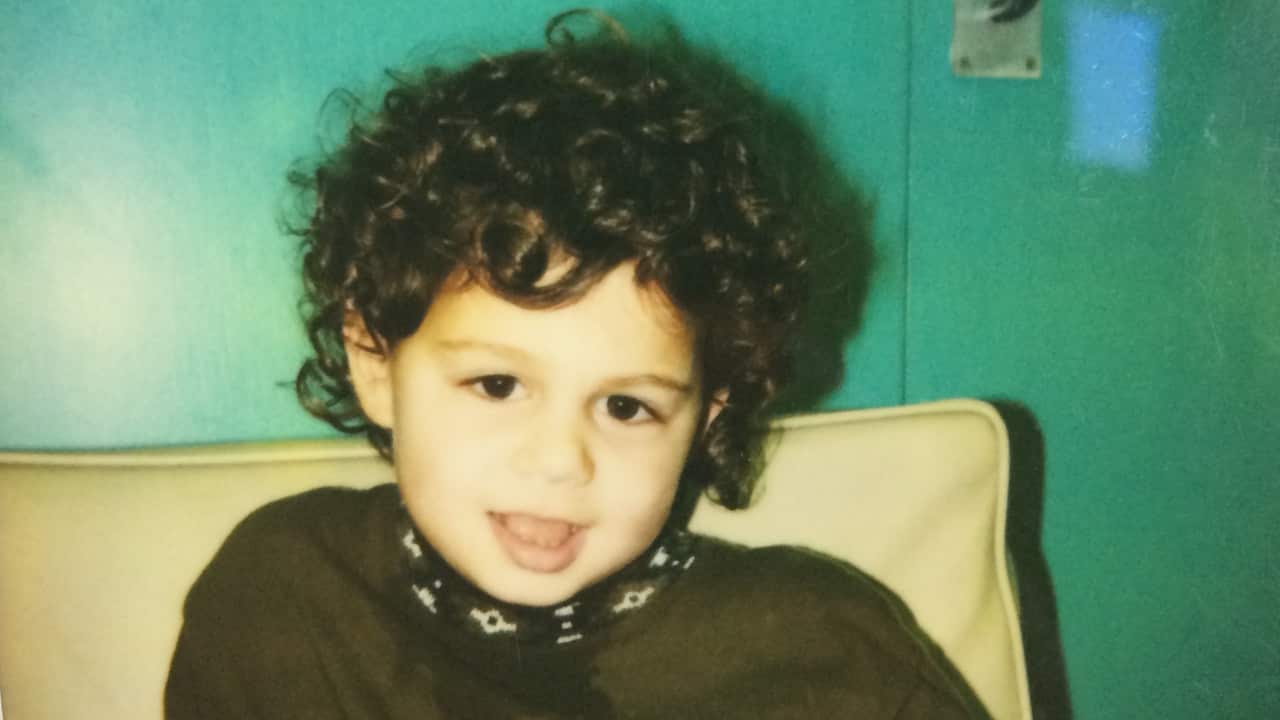
Somehow, I was instantly cognisant of my personality differences and determined to course-correct as quickly as possible.
So, I hid my daydreaming and blended in when my friends wanted to play Xbox or the playground game Capture the Flag. I wasn't necessarily good at copying their behaviour, but I could cope with it.
Looking back, I see that many of the techniques I'd learnt in therapy probably helped me mask the traits I felt made me different — such as my fixation on pop music.
Building emotional walls
When I realised I was gay at 13, I had to mask even more so.
My emotional barriers came with me wherever I went. It's hard to 'be yourself' when you're always on high alert for being asked that question. Consequently, I hated sleepovers or hanging out without a clean end time.
Someone asking me at the last minute to hang out was my worst nightmare ... didn't they know I needed to emotionally prepare for that?
But when you're used to operating with defences up, you eventually forget that they're there and socialising becomes even harder.
The imaginary world of being a pop star still hums in the background of my adult life.
It's been particularly useful to escape boredom on an ordinary day or when I'm exercising. Over the years, I've come up with many hypothetical albums and tours while doing cardio.
And I've channelled my fixation on pop music into co-hosting a podcast about my favourite band Steps, which I do outside of my career in advertising.
Autism or brain trauma?
When you pair these traits with the results of the online screening for autism I did a couple of months ago, one would think it'd be a pretty open/shut case of autism. But my childhood brain trauma complicates it.
My screening score was consistent with autism, specifically in the areas of circumscribed interests and social relatedness.
You could say that my dedication to pop could be an autistic trait, but maybe I've also just had more time to dedicate to fandom? My scores regarding 'social relatedness' could be autism, but they could also be linked to the social dysfunction heavily prevalent in childhood brain trauma survivors.
I've investigated the cost and time it would take to try to figure out the cause of my traits, but to what end? It's not like I can take a pill to be less awkward or less interested in pop music.
Guilt and social stigma
I also feel some guilt about potentially receiving a formal autism diagnosis, as I don't think 'autism' can fairly represent everyone on the spectrum; I know others with autism have much more profound traits.
I would never want to claim that title and take away resources from people in my life who need them more than I do.
I'm biased, but I wouldn't say people look at me and think I need lots of support or fit under the label — I've got a high-pressure job and a large social network.
I also have some apprehension about receiving a formal diagnosis because of potential social stigma.
I would worry about telling my boss and putting it on my Tinder profile.
Would a diagnosis impact the way others see me? I do worry about it a lot.
'Can't I just be a pop super fan?'
Ultimately, I'm not planning on seeking an official diagnosis right now. Instead, I'm going to go back to therapy to figure out what this all means for me.
I know a diagnosis can be very helpful to neurodivergent people, and I acknowledge I might be on the autism spectrum, but I'm not in any rush.
After so many years of having walls up, I'm finally able to tell people what my interests are, and I'm not keen to have them re-diagnosed as an autistic trait. Can't I just be a pop super fan?
Watch your favourite Insight episodes around the clock on SBS On Demand's dedicated Insight channel. For the latest from SBS News, download our app and subscribe to our newsletter.

Insight is Australia's leading forum for debate and powerful first-person stories offering a unique perspective on the way we live. Read more about Insight

Have a story or comment? Contact Us







