
This audio is voiced by AI and may occasionally mispronounce words.
Share your feedback and help us improve this feature. Read more about how we use AI at SBS here.
Siblings are our first friends and ready rivals. They're also likely to be the people we know the longest throughout our lives. Insight explore how these relationships shape our lives, our self-image and our worldview. Watch Insight episodes Siblings on SBS On Demand.
As the firstborn child and first grandchild in my mum's huge and tight-knit family, the stories from when I was a baby and toddler get retold every time a child is born. Even now.
"Sowmya started walking and talking at 10 months," people hear.
News that makes sense
Your trusted source for staying up-to-date with the world around you. Get free daily news updates and analysis, straight to your inbox.
Or: "She was so cute she could have gotten away with murdering a pet, if we had one."
On my dad’s side, too, I was adored — thanks largely to Mum's side's very effective PR campaign.
I’m sure hearing all about me was irritating for my sister and our cousins.
Growing up in India, Mum was also very protective of me because of my infant epilepsy, which lasted for a few years. There were dietary rules, school instructions and constant monitoring.
All this attention made me a very obedient kid — and determined not to attract any more. I made sure I stayed above average in school so I could quietly disappear into the background.
Comparatively, Shamita, my younger sister of two years, was less academic, which was treated as a personal failing.
This only added more shine to my golden-child image, while she was stamped as the black sheep who couldn’t match her sister.
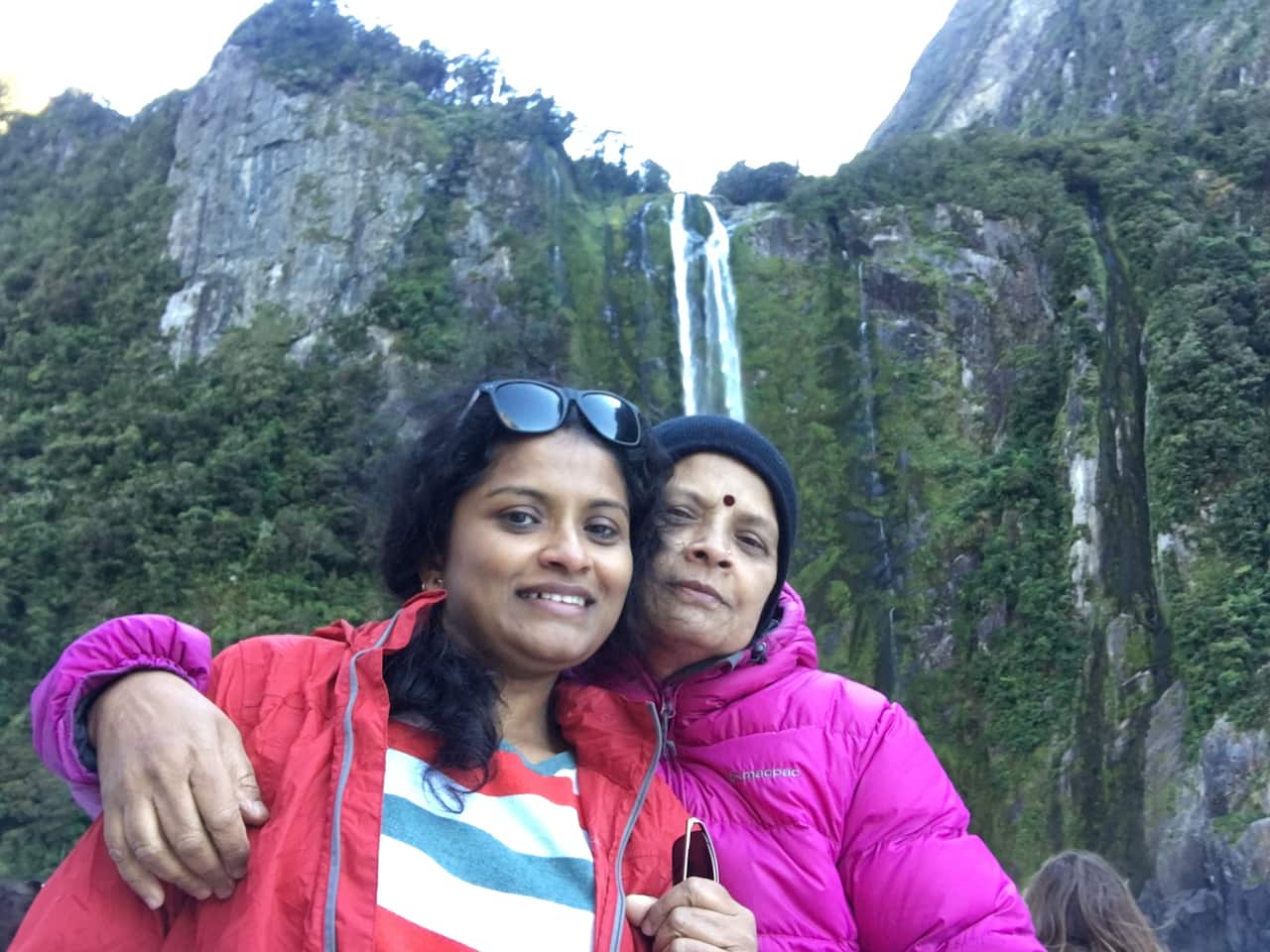
Decades later, while in our mid-20s, we saw Bollywood movie Taare Zameen Par, about a boy named Ishaan who struggles academically due to undiagnosed learning difficulties.
It was a life-changing moment for my family.
We realised that we — and the entire schooling system — had failed Shamita.
Losing my status
Throughout our younger years, Mum and us girls were essentially a team because Dad travelled a lot for work.
We helped Mum with housework, shopping, bill payments and market runs. While most teenage girls usually have a 7pm curfew in India, we had a liberal household, which made us free, outgoing and street-smart.
Still, obedient-me played exactly by the book. I studied, qualified as an engineer, and got placed as a software engineer in a reputed firm.
The next step was arranged marriage, and my parents started proposing some guys.
Growing up, every marriage I’d seen was arranged, so this felt natural — that is, unless a Shah Rukh Khan-style Bollywood hero had walked into my office. But even then, religion and family drama would have kicked in. And eloping didn’t align with the obedient persona I’d spent years perfecting.
So I jumped straight into the chaotic and confusing arranged-marriage market.
The process wasn't easy, and it wasn't designed for women to think beyond controlled boundaries.
The "arrangement” was that the guy had to be from my small, minority but privileged sub-caste. He had to be an engineer, employed and at least enthusiastic about me, a requirement often sold as "it can also blossom after marriage".
If these boxes were ticked, the family declared the arrangement successful.
But to me, the process felt skewed.
I wanted personality, values, family dynamics or emotional compatibility in a partner — but that was treated as negotiable.
I rejected multiple guys. Then in my late 20s, my obedient facade cracked.
I called bullshit. I asked my parents to stop. And I made the decision to move overseas and travel the world, which eventually led me to doing stand-up comedy.
My opinionated responses, resistance to regressive practices, and eventual refusal to continue the process led my parents to give me new labels.
I was too picky. Difficult. And finally, officially, the black sheep of the family.
I’d lost my golden child status; I'd fallen from grace.
Making space for new roles
Meanwhile, my sister had always fought tooth and nail against family pressure, choosing interior design over STEM (Science, Technology, Engineering and Mathematics) subjects.
She thrived and her career, confidence and relationships were solid.
But she, too, expected an arranged marriage. And with me having left for New Zealand, Mum’s entire focus shifted to her.
This social experiment worked better. My sister dated and married the guy Mum proposed, and they have a beautiful son.
Shamita became the golden child for life.
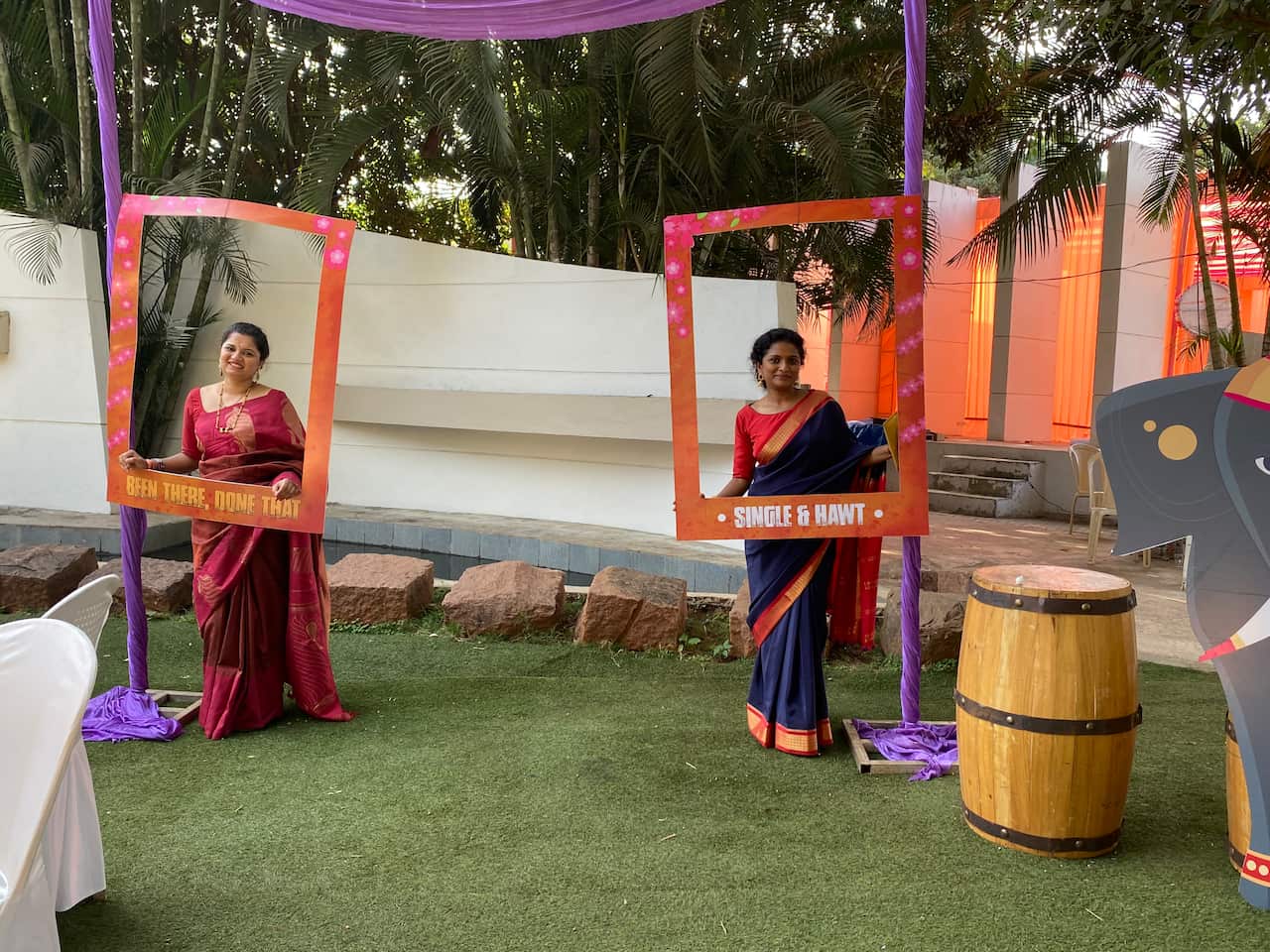
While I was never competing for either label, I’m far happier as the black sheep.
Expectations on me are low; I can do whatever I want.
My family still discusses me in passing, but nothing shocks anyone anymore — not even the fact that I became a stand-up comedian in a foreign country.
When it comes to my sister, we are much closer now, despite arguing and annoying the heck out of each other as kids.
I never formally apologised — that’s not how Indian families work — but we’ve both acknowledged how badly she was treated. And since she became a mum herself, I call her almost every day.
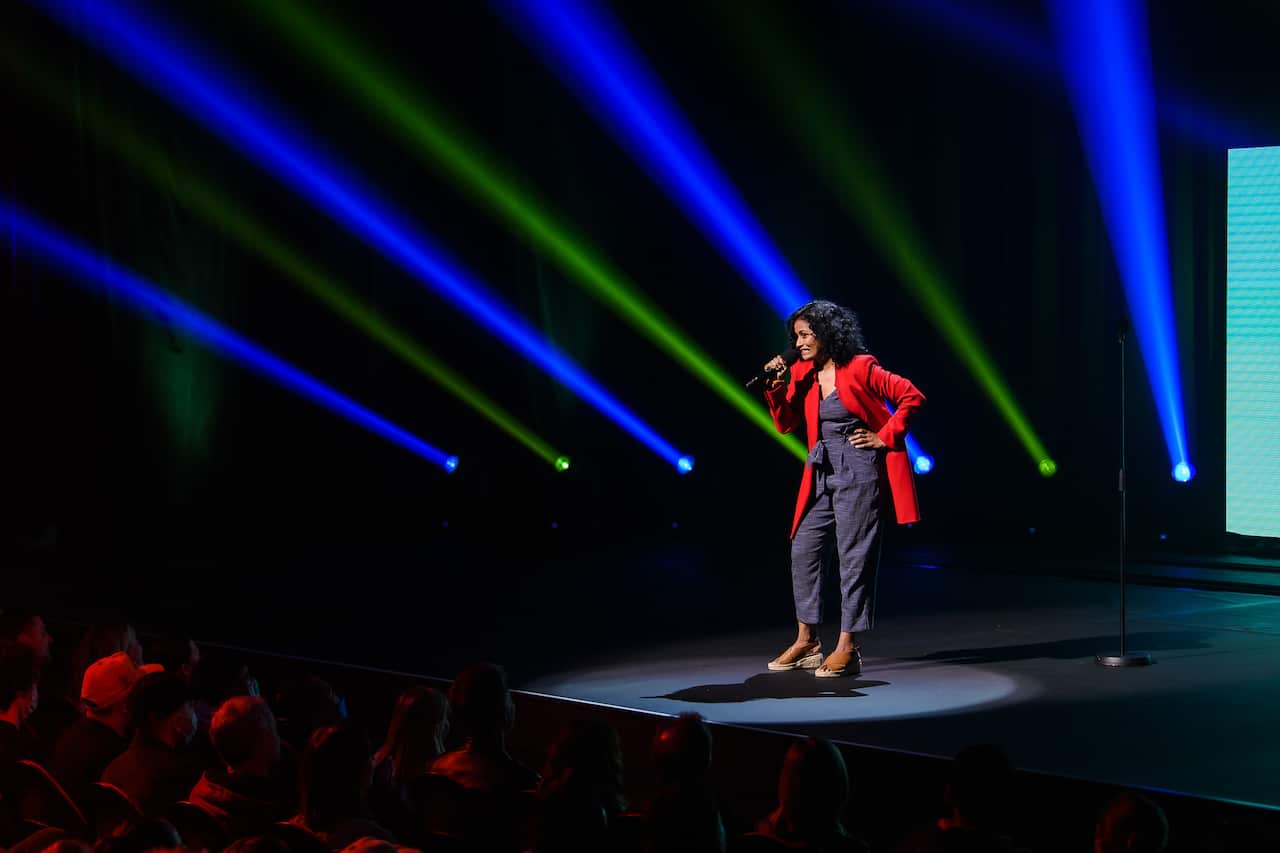
We’ve talked endlessly about our lives, our parents, the arranged marriage system, and what young women endure in this patriarchal setup.
Shamita is happy as the golden child, enjoying all the attention at the centre of the family, though she tells me she envies my freedom.
Once, during a loud, introspective conversation, I said: "I don’t know what changed for you when it didn't work for me."
I’ll never forget her reply:
"Because you fought, the younger women were pushed around less. The elders haven’t changed; they just operate in fear now. They think: 'If we push her too hard, she'll turn into another Sowmya and not marry at all'."
I'll take that.
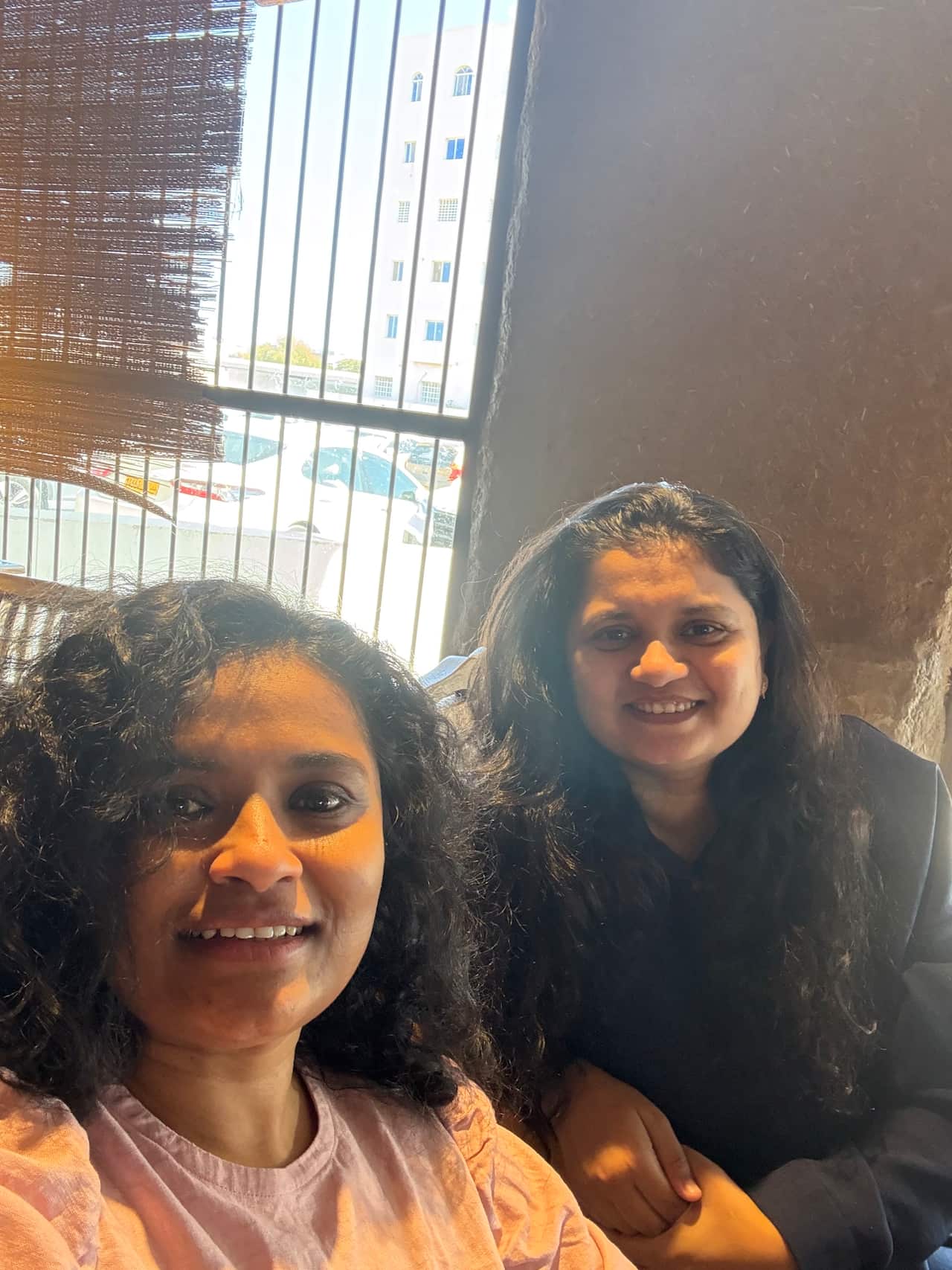
When you're dealing with age-old patriarchal systems, any shift, even one driven by consequences, is still a win — even it it comes from fear.
You may not change the world in your lifetime, but moving the needle even slightly is still doing your part.
Today, aged 42, I live in Melbourne, far away from the system that once tried to define me.
I chose not to pursue an arranged marriage and was never certain about having children.
I go back to India often, where I no longer have currency in the marriage market but I get to dance, connect and enjoy my younger cousins’ weddings without being caught inside the machine.
Living away has given me perspective; my life is not shaped by systems, norms or expectations, but by the choices I make as I live it.
I’m no longer the obedient daughter or the fallen one. I’m just a woman who chose herself, and in doing so, quietly shifted the ground for others.
Watch your favourite Insight episodes around the clock on SBS On Demand's dedicated Insight channel. For the latest from SBS News, download our app and subscribe to our newsletter.

Insight is Australia's leading forum for debate and powerful first-person stories offering a unique perspective on the way we live. Read more about Insight

Have a story or comment? Contact Us







