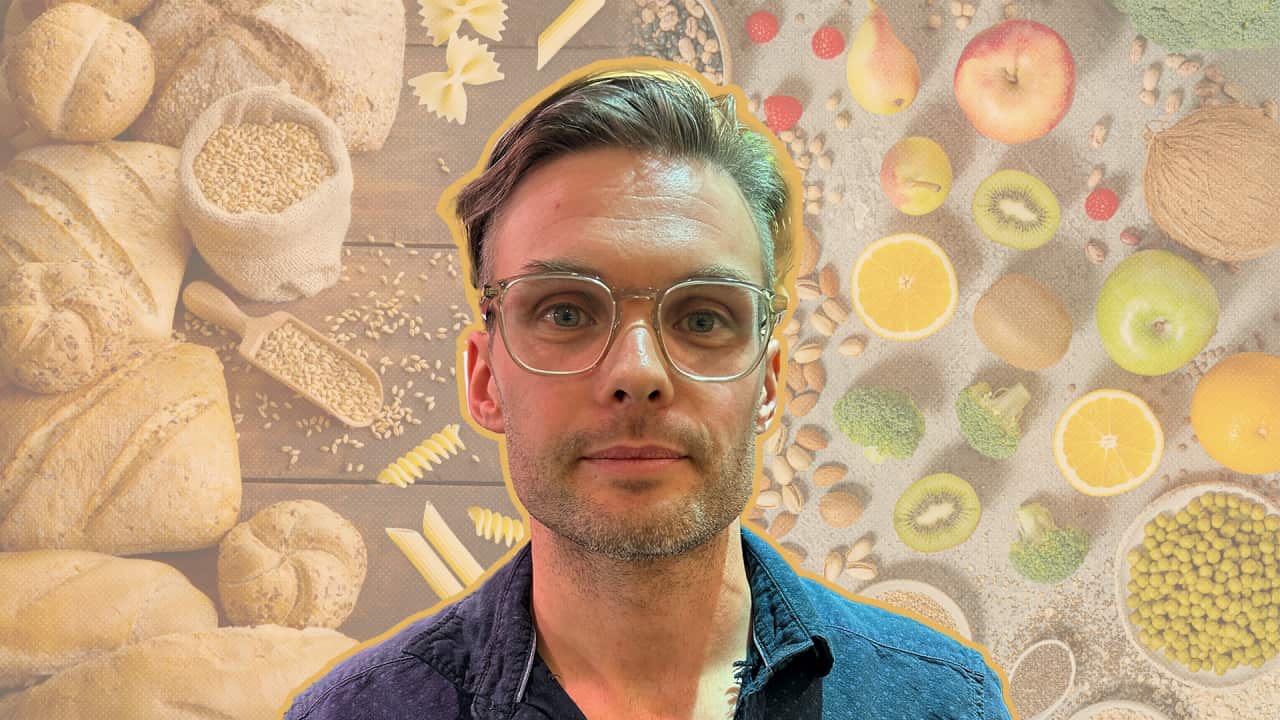
Ultra-processed foods (UPFs) comprise up to 50 per cent of our calories. And while some provide significant nutrients for a balanced diet, others could be responsible for damage in every major bodily organ. So, what are UPFs, and are they as bad as they’re made out to be? Watch Insight episode Processed Food Fight on SBS On Demand.
Before I was diagnosed with coeliac disease, things were easy.
I didn't have to read food labels consistently. I didn't have to pack a heap of snacks before leaving the house for long periods. I didn't have to ask so many questions to hospitality staff about food preparation and cross-contamination.
News that makes sense
Your trusted source for staying up-to-date with the world around you. Get free daily news updates and analysis, straight to your inbox.
In short, there was a lot more spontaneity in my life.
Things are much more complicated now whenever there is food involved — during travel, socialising, or even just going over to the homes of family and friends.
Coeliac disease is a chronic autoimmune disease triggered by eating gluten. When someone with coeliac disease eats gluten, their immune system mistakes it for a threat and attacks their own body in response, causing damage over time.
The only known way to manage this is a lifelong gluten-free diet.
My symptoms started in early 2020 when I was 31 and caught a gastro bug, which I believe acted as a trigger for my genetic susceptibility to the disease.
I started developing extreme pain after eating certain foods. Then I experienced rapid weight loss, losing around 10kg in under 12 months without changing my diet or my exercise routines.
I had other debilitating symptoms too, including headaches, migraines, stomach cramps, mouth ulcers, brain fog, constipation, diarrhoea, joint inflammation, back pain, anxiety and depression — the list goes on.
A search for answers
I was sent for every possible test: a stool sample, ultrasound, MRI, CT and full blood work — almost all returning normal results.
Despite all these symptoms, nobody could find the cause.
I felt completely exhausted, both mentally and physically.
With all the test results returning as normal, my wife and I considered the possibility that all these symptoms might be in my head.
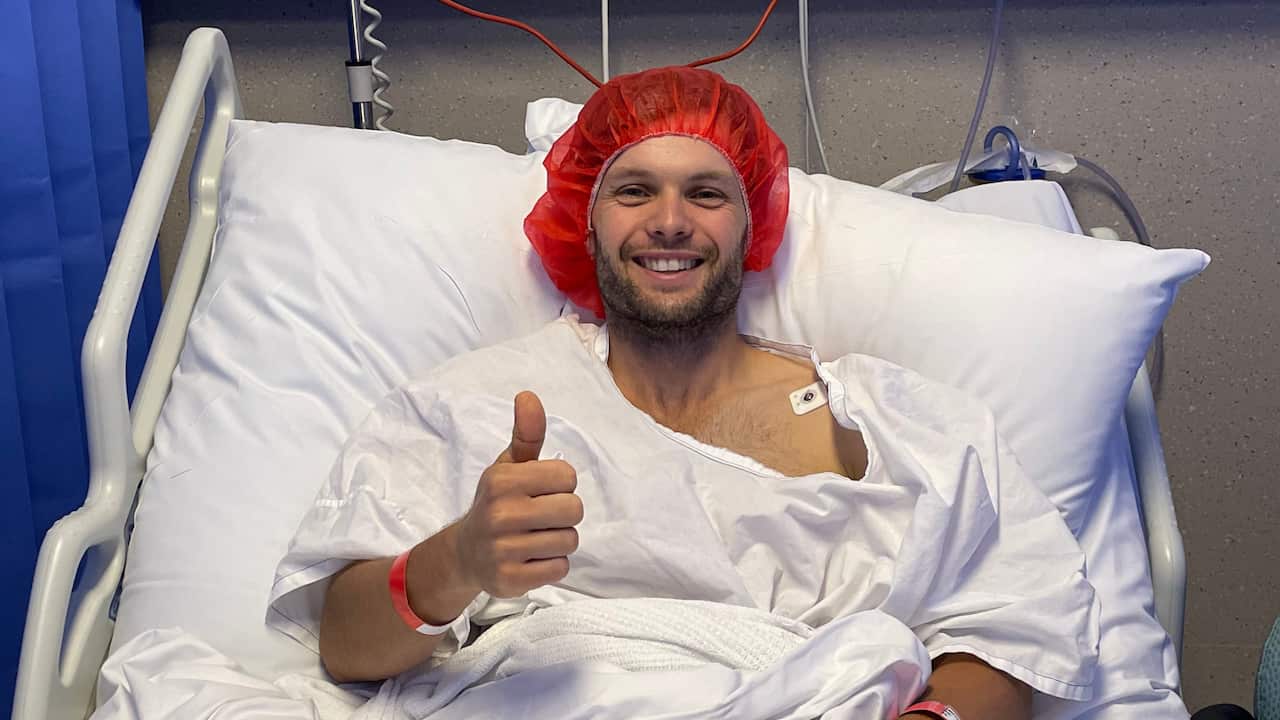
Eventually, a friend suggested I undergo a test for coeliac disease, as she'd had similar symptoms and been diagnosed with it the year prior.
I ran it by my doctor, who agreed.
I got the test, and my results were off the chart. I then had a biopsy via endoscopy to confirm the diagnosis.
And finally, after a year of unrelenting sickness and pain, I had an answer.
A new way of living
It's been a serious learning process; not worrying about what I put into my body for three decades and then suddenly having an extreme dietary restriction is a massive adjustment.
One consequence of always checking the ingredients on labels for gluten is that you quickly learn what's in processed and ultra-processed foods.
Ultra-processed foods are rife in the gluten-free category, and there are often a lot of processed additives to make gluten-free alternatives sweeter and give them a more appealing texture and sensation when eaten.
My family and I sometimes eat processed and ultra-processed foods (gluten-free or gluten-containing) because they're convenient.
As two full-time working parents, we don't have time to cook every day for the family. We also can't afford to buy and make everything from scratch, but we do when we're able to.
I also need safe, on-the-go snacks, which means we often buy processed or ultra-processed foods to get me to the next meal.
But with everything, moderation is key, and I know I should have a whole-food diet most of the time.
The way I see it, if you're offsetting the occasional processed food with an otherwise healthy diet and keeping active, that's okay.
'Good or bad' food?
My wife and I share the cooking load and have both learned how to cook gluten-free alternatives at home. She is my biggest advocate, has been so supportive in this journey, and often asks about cross-contamination protocols when we dine out together.
She and our two daughters still eat gluten, but dinners are always gluten-free when we eat together. And it's important our daughters still eat gluten regularly so we can have them accurately tested for coeliac disease in the future.
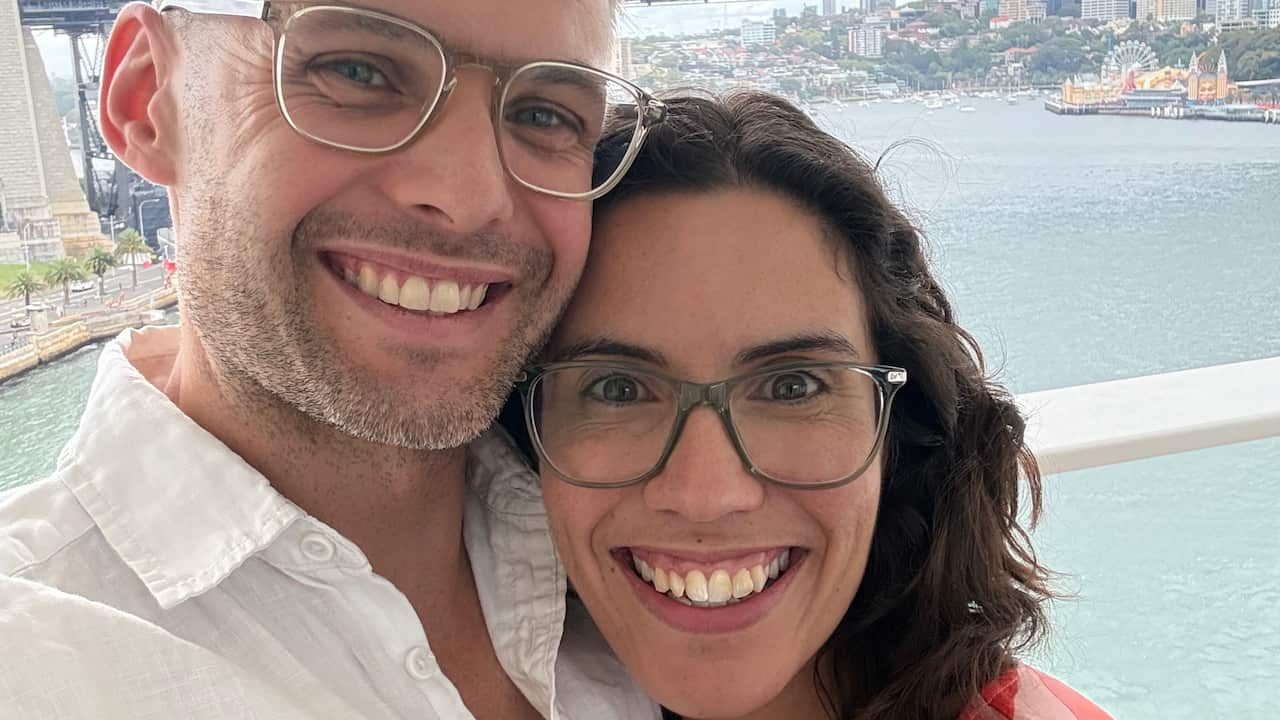
Both our girls are starting to ask: "Is this food good or bad for us?"
I believe having the language "a naughty treat" or "bad food" can instil both fear and anxiety around food, which is something people with dietary restrictions like coeliac disease experience daily.
This type of language can also set kids up to become overly focused on body image and weight and can even lead to the beginnings of disordered eating.
So, my wife and I are doing our best to encourage a broader view of how our girls think about food.
Food anxiety
Coeliac disease has been a tricky diagnosis for me to get my head around.
The gluten-free diet itself is not difficult — there are now gluten-free substitutes for many things.
For me, the hard part stems from society's lack of awareness of what the disease really is.
I now have anxiety around food when eating out at cafes, restaurants and even at family and friends' places — partly because 'gluten-free' often gets classed within fad diet culture, and that we coeliacs are often just seen as being fussy eaters.
But it's not a choice for us — eating gluten damages our gut and puts us at greater risk of things like osteoporosis and gastrointestinal cancers; there may even be a link with recurrent miscarriage and fertility issues.
The silver linings
However, there are a lot of positive things to come out of my coeliac disease diagnosis.
For one, I have an answer to all those horrible symptoms I was experiencing pre-diagnosis. A gluten-free diet manages this disease, and I'm glad I don't have to take medications for it.
I've also become a decent cook, and it's expanded my knowledge and passion for food.
Going on this health journey has also led me to adopt better lifestyle habits, which have helped my mental and physical health.
I've also connected with the awesome gluten-free community, which I'll be forever grateful for.
Watch your favourite Insight episodes around the clock on SBS On Demand's dedicated Insight channel. For the latest from SBS News, download our app and subscribe to our newsletter.

Insight is Australia's leading forum for debate and powerful first-person stories offering a unique perspective on the way we live. Read more about Insight

Have a story or comment? Contact Us







