
Insight explores how people navigate the consequences of crime and whether it's possible to move on from being caught up in it. Watch episode Caught Up in a Crime on SBS On Demand.
I stepped out onto the street one snowy night in 2009 after singing at one of the UK's hottest clubs. I was a twenty-something Australian living in London and felt at the centre of the universe. But my evening would soon take a dark turn.
I was taking photos of my gorgeous five-inch-high heels in the snow when two laughing men approached me.
News that makes sense
Your trusted source for staying up-to-date with the world around you. Get free daily news updates and analysis, straight to your inbox.
They put their arms around my shoulders, and we walked down the snowy street together.
I didn't recognise them and thought that maybe they had confused me for someone else. If they had looked 'scary', just walked up and grabbed me — maybe I would have responded differently.
But because they were laughing and joking, my brain didn't put two and two together fast enough.
Because of this, I was incredibly shocked when they tripped me to the ground.
Fight, flight or freeze
They shoved gritty, black snow slush into my face.
I couldn't breathe and just froze up.
The men put their hands under my dress and coat, against my body — and one of them had their knee in the middle of my back. This made me snap back into action.
I clasped my purse to my chest and kicked as hard as I could.
While this was happening, the rest of the street was jolly and bustling with people enjoying snowball fights.
No one stopped to help me — I think they thought I knew the men. So, I started shouting: "Stop! I don't know you!"
It worked; the men quickly stood up, kicked my ribs and ran away.
'I felt completely alone'
I just needed to get home to safety.
Most transport was not operating that night as the weather was so severe; there were no taxis, and the few buses that were running were sliding all over the road.
Several people in cars pulled over to ask me for directions. But they drove away as soon as I asked for a lift.
I felt completely alone.
I called my husband, who was frantically worried, but he had no way to get to me as we had no car.
Eventually, I walked into a fast-food place, where I saw a couple of police officers enter. I managed to get their attention, and they drove me back to my safe, dry flat.
The police could not identify the men as CCTV lost them after a certain point — and their hoodies obscured their faces on camera.
The next day, I played in the snow with my husband and went to work in the evening.
I hadn't registered the pain through all the adrenaline of the attack. It wasn't until three weeks later that a physiotherapist told me that I had been playing the piano with a fractured wrist and singing with cracked ribs. I also couldn't feel my front teeth.
The experience was harrowing but I just wanted it over with — to get back to my life.
Keeping the attack a secret
Other than my husband, I didn't tell anyone what happened to me that night almost 17 years ago — until the lead-up to my appearance on SBS Insight last year.
I didn't want to be seen as dramatic, and I was embarrassed that instead of watching where I was going, I was taking stupid photos of my shoes.
Although I know it wasn't my fault I was assaulted, I felt deeply ashamed and angry at myself that a moment of vanity meant I wasn't aware of my surroundings.
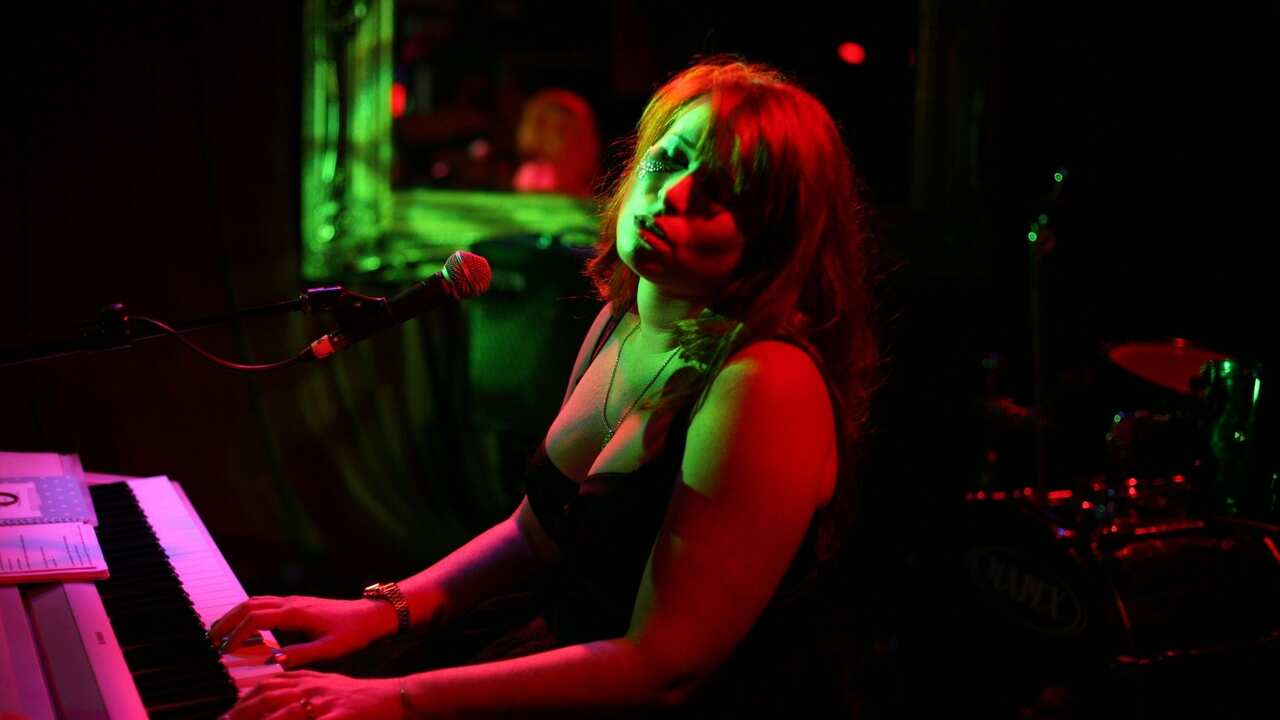
As a professional singer, I do something for a living that many people list as their greatest fear — and have performed on some of the world's most famous stages. Not once have I frozen.
Yet, you never know how you will respond to a situation until it happens to you. And I underestimated the probability that something bad could happen to me.
When it did, I didn't have the words to articulate my experience, or how to accurately express that I needed help.
It could have been so much worse, and I'm just grateful it wasn't.
Balancing risks and boundaries
Being attacked broke parts of me, literally. At the time, I was a 5'9" woman who thought she was invincible and just wanted to show everyone how empowered and impervious to harm I was.
But now, as a mother to four and seven-year-old girls, I constantly think about the example I set.
How will my daughters handle themselves in the world? Will they fight for themselves? Will they ask for help when they need it? How do I make them street smart without making them so guarded they never take risks?
I'm now hypervigilant; I scan my environment often and am cautious around corners. Perhaps this is a necessity for the world we live in.
But I also don't want to have a bias and teach my daughters my fear. I want to teach them to use their voice — to help them set boundaries and stand up for themselves.
Having grace for oneself
Years later, I was at my friend's place in London waiting for the bus when two young punks shoved me into the bushes and tried to grab my bag.
I thought: "no way this is happening again" and shoved them back into the bushes.
I didn't freeze up this time.
I'm still hard on myself sometimes for freezing up that night in 2009 when I was attacked instead of speaking up.
We all have life-defining moments we feel stupid or ashamed about.
But I believe it's important that we are open-minded and generous when hearing about situations when someone perhaps didn't behave in the most logical way — or just did what they thought they needed to do to survive.
That experience did give me trauma, but it also taught me something valuable: grace for myself and for others.
If you or someone you know is impacted by domestic or sexual violence, call 1800RESPECT on 1800 737 732, text 0458 737 732, or visit 1800RESPECT.org.au. In an emergency, call 000.
Readers seeking support can contact Lifeline crisis support on 13 11 14, Suicide Call Back Service on 1300 659 467. More information is available at beyondblue.org.au and lifeline.org.au. For further information about PTSD contact the SANE Australia Helpline 1800 18 SANE (7263) www.sane.org or talk to a medical professional or someone you trust.
Watch your favourite Insight episodes around the clock on SBS On Demand's dedicated Insight channel. For the latest from SBS News, download our app and subscribe to our newsletter.
For the latest from SBS News, download our app and subscribe to our newsletter.

Insight is Australia's leading forum for debate and powerful first-person stories offering a unique perspective on the way we live. Read more about Insight

Have a story or comment? Contact Us







