This audio is voiced by AI and may occasionally mispronounce words.
Share your feedback and help us improve this feature. Read more about how we use AI at SBS here.
Dementia is now Australia's biggest killer. Insight examines how patients, carers and the government's support systems are equipping themselves to manage this public health crisis. Watch Insight episode Dealing With Dementia on SBS On Demand.
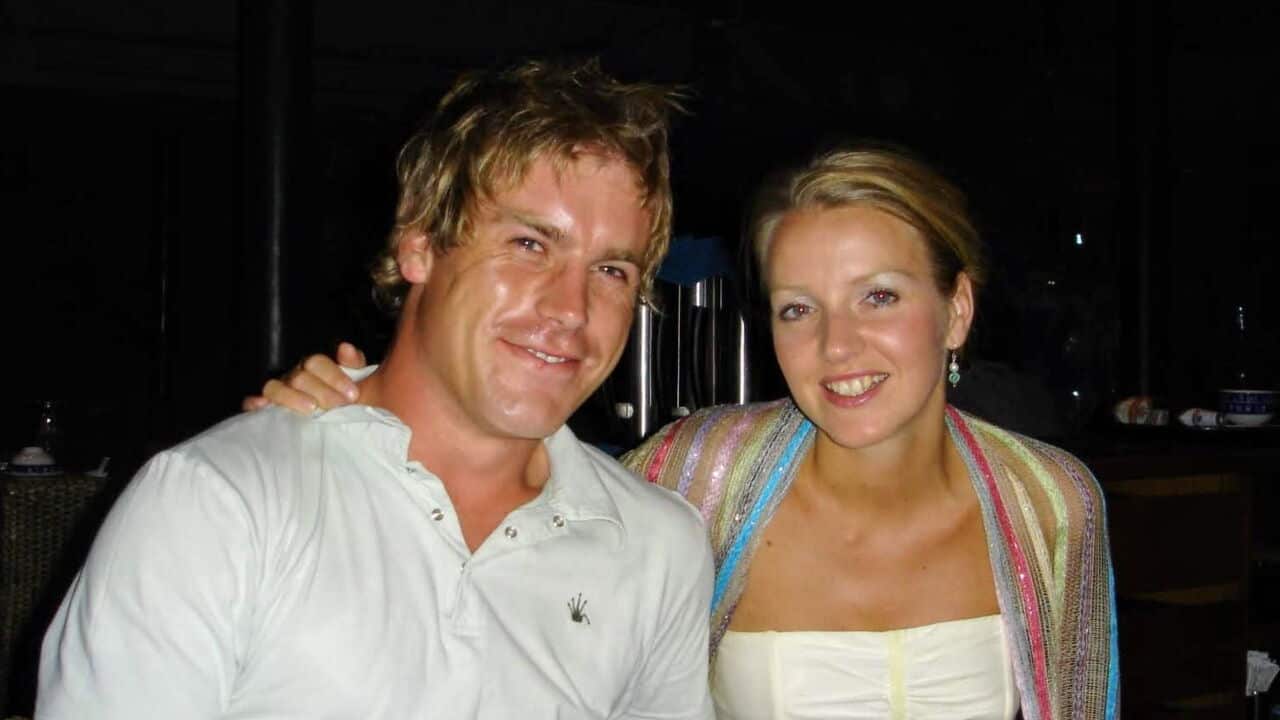
There was a "distinct change" leading up to when Lisa was diagnosed with Alzheimer's disease, a form of dementia, at age 47.
"[She would] come home from work and just want to sit on the couch; and didn't want to engage with the children, didn't want to go out to see friends, really didn't want to leave the home at all," Luke told Insight.
News that makes sense
Your trusted source for staying up-to-date with the world around you. Get free daily news updates and analysis, straight to your inbox.
"Just a lot of disengagement from who she was and what she liked to do."
Her partner Luke was with her when she received the diagnosis. Six years on, Lisa is now immobile and non-verbal.
Alzheimer's, like all forms of dementia, is a progressive condition with no cure and very few drugs available to slow the progression.
He says that some of Lisa's symptoms surprised him, as she was always someone who was a "very fun and energetic" and "a wonderful, caring mother".
"I remember we drove away from the clinic, and Lisa was starting to forget it all," Luke told Insight.
"She was having a good day, and all the while I was internally crumbling. Not knowing where to go."
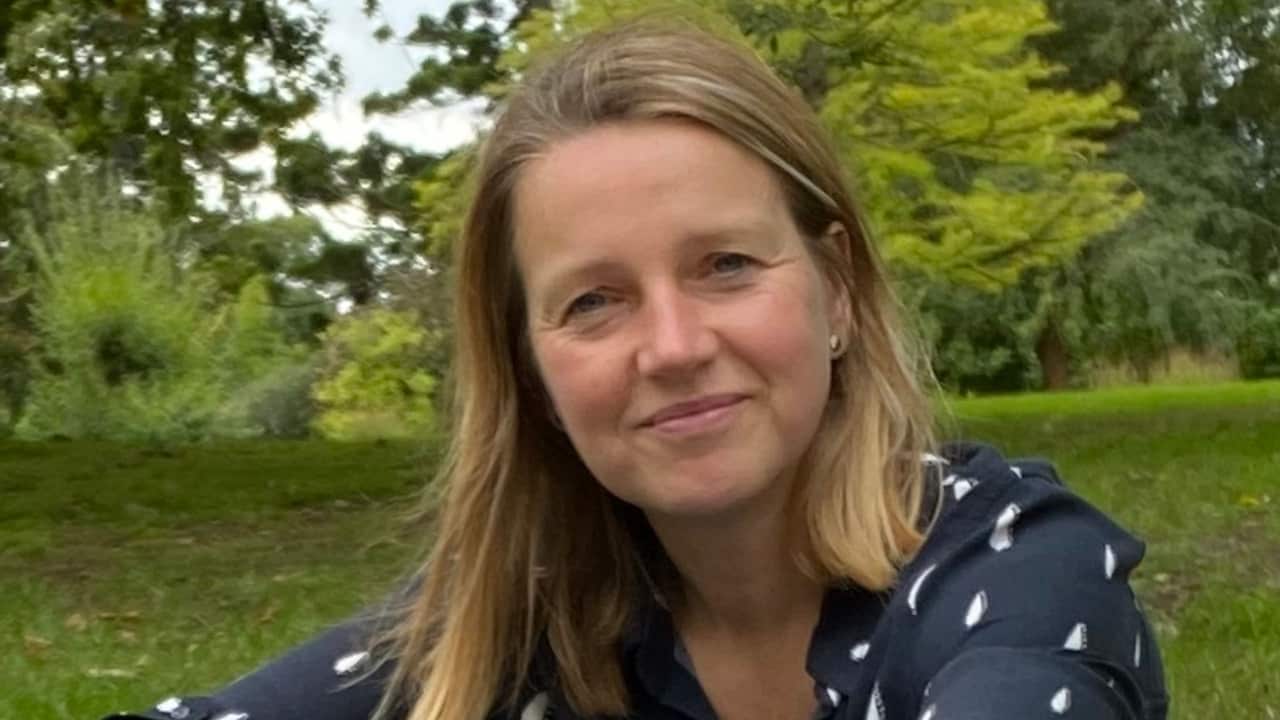
For 18 months after the diagnosis, Luke cared for Lisa in their family home, where they lived with their three young children.
But when Lisa started walking to the local shops multiple times a day and not safely crossing the roads on her way, Luke realised the home "became very unsafe as an environment for her" and for the children.
Luke decided he could no longer manage Lisa's care, while also looking after their children and trying to work to support the family.
"And when I saw [Lisa's condition] impact even more elements of her life, I realised that this was not a one-person job."
'Begging and pleading'
Lisa then spent three months in hospital, as there was nowhere else to go, before she went into a residential aged care facility for nine months.
At this time, Luke was completing the many forms and steps needed to get their case assessed and approved by the National Disability Insurance Scheme (NDIS).
Younger-onset dementia patients (those under the age of 65) can access NDIS funding to support their care for the rest of their lives. But it can take months for families to receive assessments or care.
"I would be doing about 15 hours administrative work a week," Luke said.
"But it was the begging and pleading I had to go to."
Luke says that what finally helped was writing a heartfelt letter to his local MP, whose office helped progress the application for Lisa to be moved to supportive disability accommodation.
"When I got that NDIS plan finally — and the plan itself was $1.3 million [a year] to care for Lisa — I could understand why [it was so difficult to get approved] because it's a lot of money," he said.
NDIS support for younger-onset dementia
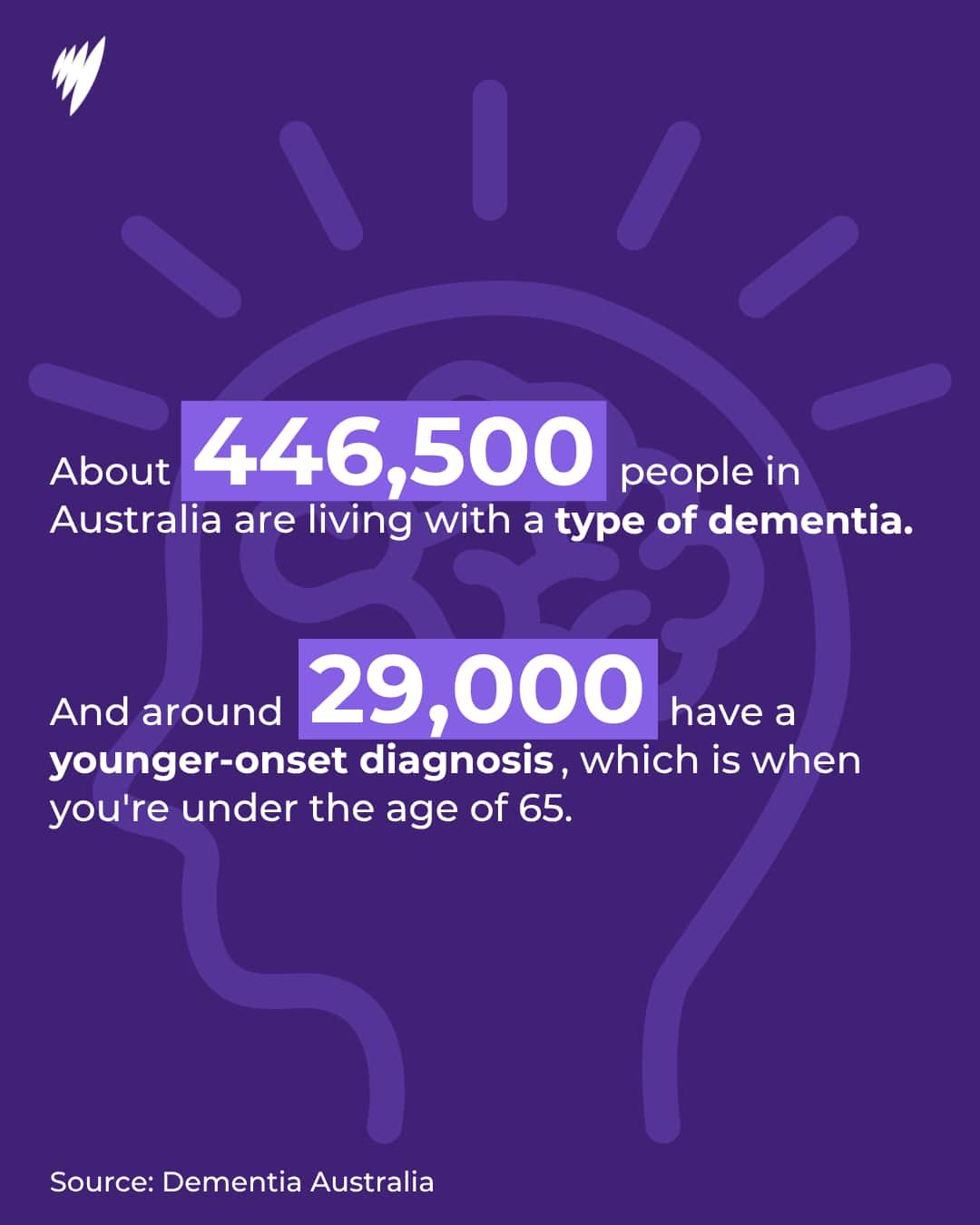
In Australia, about 446,500 people are living with dementia (with around 29,000 having the younger-onset form), and 1.7 million people are involved in their care, according to Dementia Australia.
Government subsidised supports are available through Medicare, My Aged Care, and for those under age 65 with younger-onset dementia, the NDIS can be accessed.
Former chief economist at the NDIS, David Cullen, says legislation is the reason that only dementia patients under age 65 can access the NDIS.
"Because, for some reason, people decided that you don't get a disability after age 65," Cullen told Insight.
"If you're after age 65, you go into the aged care system, which is essentially about maintaining you ... the NDIS is about trying to maximise your outcomes — trying to give you a life in social and community participation."
Cullen makes another key distinction between My Aged Care and NDIS.
"The NDIS, unlike every other part of the health system and the My Aged Care system — the NDIS doesn't actually worry about value for money," Cullen said.
"It worries about maximising outcomes for the individual, which sounds like a wonderful thing. But when you're spending $49 billion — heading towards $100 billion — you have to start to wonder, are you getting value for money?"
Cullen understands the difficulties in having these conversations about people's care. But he worries that if the system isn't corrected, the younger generation will be left paying the care costs of a growing aging population.
‘It's like looking at a jigsaw'
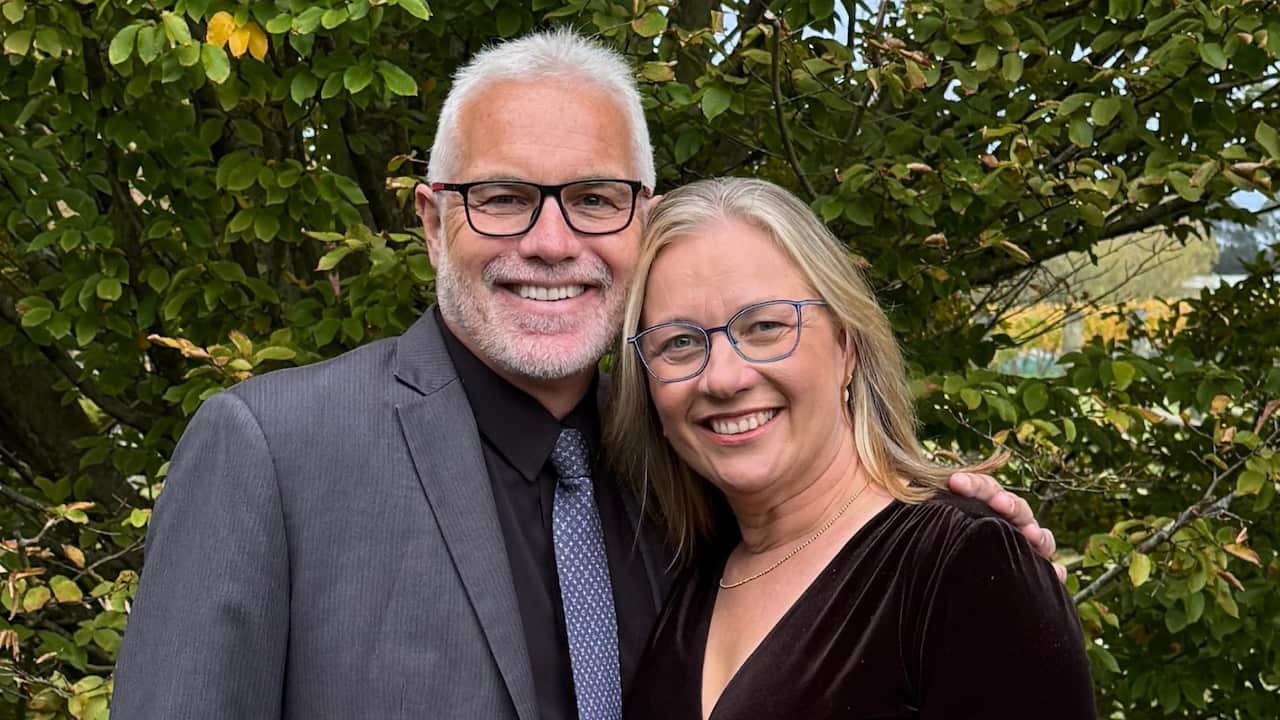
Jonathan Brown, 57, was diagnosed with frontotemporal dementia two years ago and accesses care support through the NDIS.
He was working as an engineer when he started struggling with routine tasks that, along with other symptoms such as a decrease in emotional intelligence and difficulties socialising, eventually led to a diagnosis.
"It's like looking at a jigsaw, but the pieces that you've been given are from half a dozen different jigsaws," Jonathan said.
"So, it doesn't matter how many times you try and put them together, it just doesn't work. But you know that it should."
Jonathan says that it was a trip to Melbourne to help look after somebody who had dementia that he was close to, which helped him put two and two together.
"I sat with him for about 10 minutes, and I recognised these issues that I'd had over quite a period of time.
"And it just struck me that I thought, ‘wow, I think I have dementia'."
Accepting help
As a younger-onset dementia patient, it hasn't been easy for Jonathan to accept help from the NDIS.
"I've always believed that we really should be self-sufficient where we can. And I've spent my life trying to be self-sufficient ... so I find that challenging.
"But at the same time, I realise the effect that my dementia has on my family and on the people around me. And the support of NDIS assists with reducing the load on them, which is a good thing."
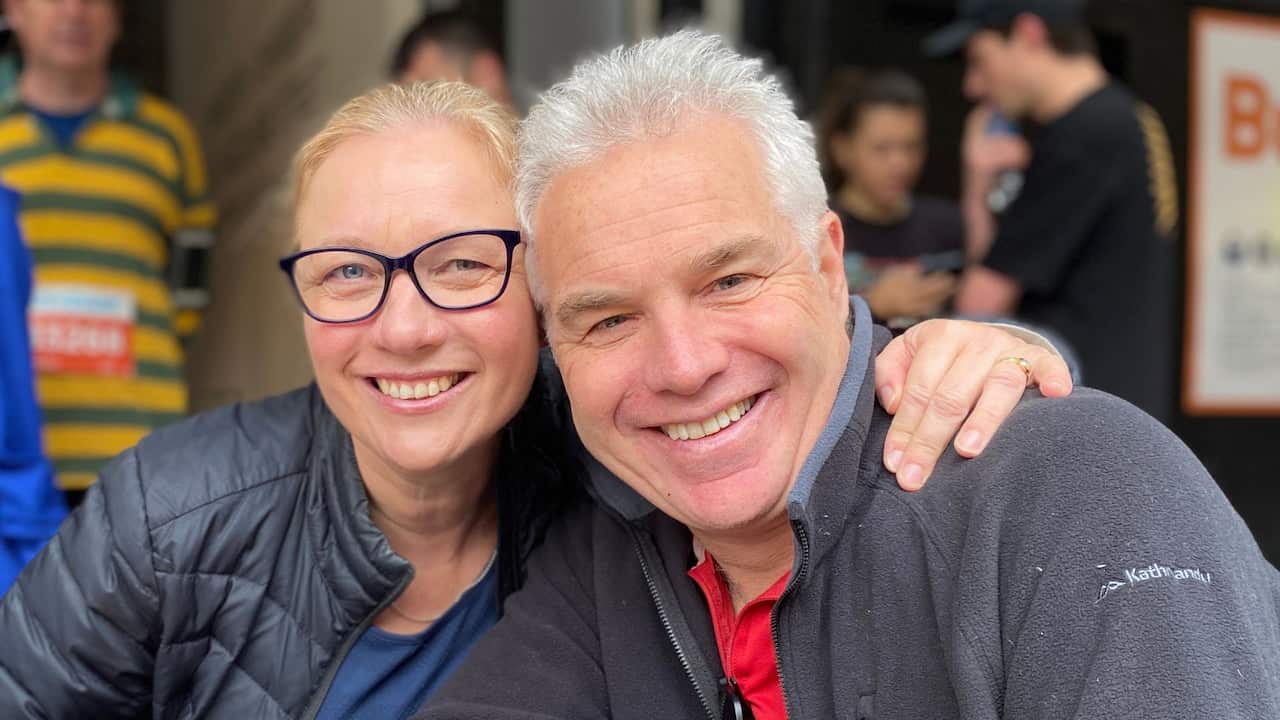
Jonathan's wife Sophie agrees that government support is essential to keeping their family functioning, but the process to get there is challenging.
"You literally have to expose yourself in the deepest way to the system to be able to be identified as participants who are needy of NDIS," Sophie said.
"That is not something that Jonathan ever would do. Because when you look at him, he's a handsome, intelligent man who can still talk and still walk. Yet our needs are huge, and the needs for our family are huge."
Self-funding care for dementia
Artist Leon Pericles self-funds care for his wife Moira, 76, who was diagnosed with younger-onset dementia in her late 50s and is now cared for in aged care.
Leon is based between Margaret River and Perth in Western Australia. He drives to Perth once a week to visit Moira, who once ran the business side of his art, and whom Leon relied on as a "major bouncing board".
"I'm wealthy enough not to be a pensioner. So, it's costing me $52,000 a year to keep her alive," Leon said.
"I'm working harder than any other artist my age, especially in WA, to keep those funds going."
What are the types of dementia?
Dementia isn't a singular disease — it is an umbrella term describing a collection of symptoms that are caused by disorders that affect the brain. There are over 100 conditions that can lead to dementia symptoms, according to Dementia Australia.
Dr Henry Brodaty is a psychiatrist and UNSW professor whose research focuses on prevention of cognitive decline and dementia.
He describes dementia as being two things: "cognitive decline, interfering with day-to-day function".
"So, if you are declining cognitively and it's starting to interfere with how you're managing your life day to day, that's dementia."
The 2026 Senior Australian of the Year (awarded for his four decades of dementia research) says the most common type of dementia is Alzheimer's disease, "which accounts for at least half the cases", at least 60 per cent.
The second most common is vascular dementia (which can lead to strokes or brain haemorrhages due to circulation issues), the third is Lewy body dementia (which can cause REM sleep disorder, visual hallucinations, paranoia and Parkinson-like symptoms).
The fourth major type is frontotemporal dementia, which has multiple forms and can affect things such as language and behaviour regarding changes in demeanour and inhibitions.
Preventing Australia's number one killer
Brodaty says the reason dementia is Australia's number one killer is because we have an aging population.
"If people are living long enough, one in three will have dementia. People die with dementia rather than from dementia," he said.
"The way death certificates are recorded, they write down all the diagnoses. And dementia predisposes to some other reasons for death [such as] sepsis infections like pneumonia ..."
Although there is currently no cure for dementia, Dr Brodaty wants people to still live in hope.
"We know that about 45 per cent of the risk of dementia are modifiable factors that we could do something about," he said.
Fourteen modifiable risk factors — including proper nutrition, regular exercise and management of other conditions — can decrease the chances of developing dementia, according to research published in the 2024 Lancet Commission.
"Dementia is a terrible diagnosis, but people can live a very positive life for many years after they get a diagnosis," Brodaty said.
"You can love; you can be loved; you can enjoy life; you can do things."
‘We would have lost our home'
Luke says his and Lisa's relationship has changed significantly in the six years since she received a dementia diagnosis.
"I saw myself as Lisa's care partner rather than your traditional partner in that sense," he said.
"And that helped me step into the role that she needed me to play ... and to come to terms with the diagnosis."
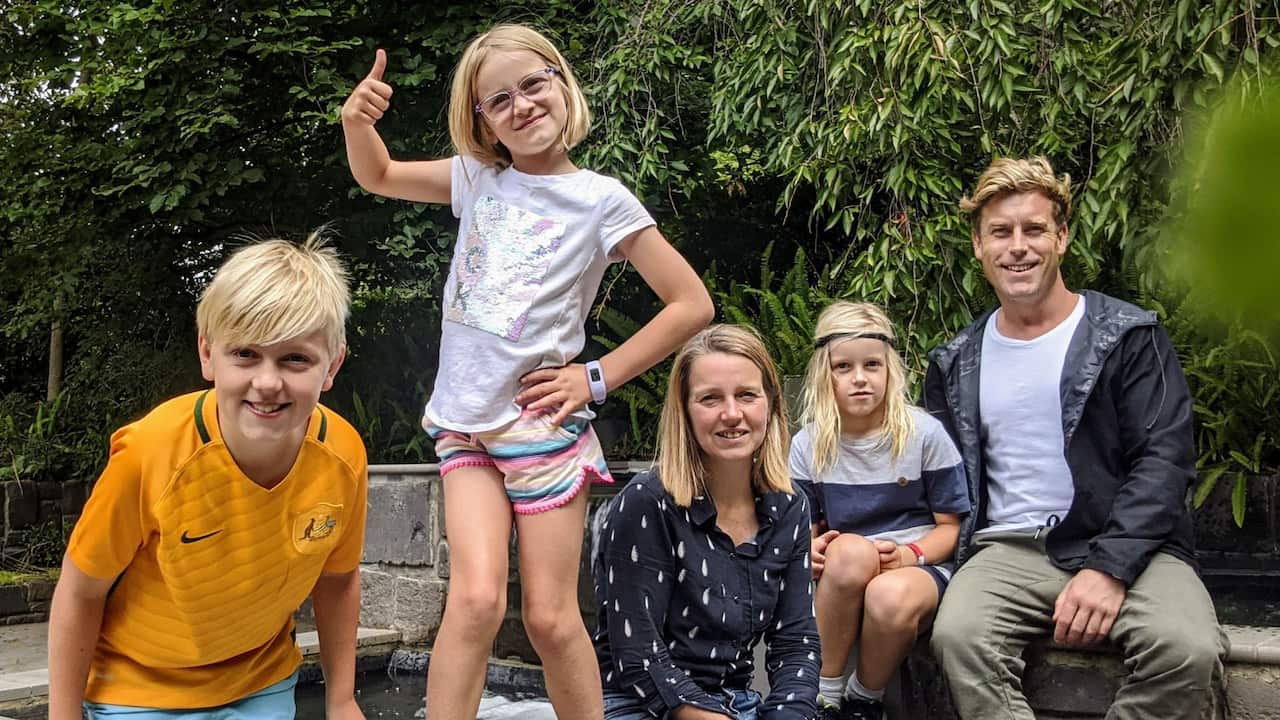
Lisa is eligible to stay on the NDIS for the rest of her life, which Luke says makes a big difference to their family.
"Without the NDIS, our family would have been completely disrupted," Luke said.
"We would have lost our home ... And we wouldn't be able to find the right care for Lisa. She wouldn't be where she is without it."
Watch your favourite Insight episodes around the clock on SBS On Demand's dedicated Insight channel. For the latest from SBS News, download our app and subscribe to our newsletter.

Insight is Australia's leading forum for debate and powerful first-person stories offering a unique perspective on the way we live. Read more about Insight

Have a story or comment? Contact Us







