
This audio is voiced by AI and may occasionally mispronounce words.
Share your feedback and help us improve this feature. Read more about how we use AI at SBS here.
A man diagnosed with psychopathic traits, parents concerned about their children's violent behaviour, and guests who grew up believing they were bad. Are some of us born bad, or is harmful behaviour shaped by experience? How do nature and nurture influence our choices and morals? Watch Insight episode Born Bad? at 8.30PM Tuesday 1 September on SBS or SBS On Demand.
This article references suicide and drug use.
Loïc De Marie says he views a human as "a rock" and has struggled to understand other people's emotions from a young age.
"A little classmate died in a dramatic car accident when I was six years old … everybody was crying," the 26-year-old told Insight.
"This [was] the first time I understood that emotions are different with me [because] the look that the teacher gave me was, 'Why is this kid not crying?'"
News that makes sense
Your trusted source for staying up-to-date with the world around you. Get free daily news updates and analysis, straight to your inbox.
Growing up in Belgium, in that same year, Loïc and his little sister were playing near their backyard pool when she fell in.
"She was drowning, and I looked at her, and that was kind of troubling," he said.
He then saved her by holding out a plastic golf club for her to grab as he dragged her back to the ladder.
"And I didn't jump into the pool because I didn't want my clothes to get wet."
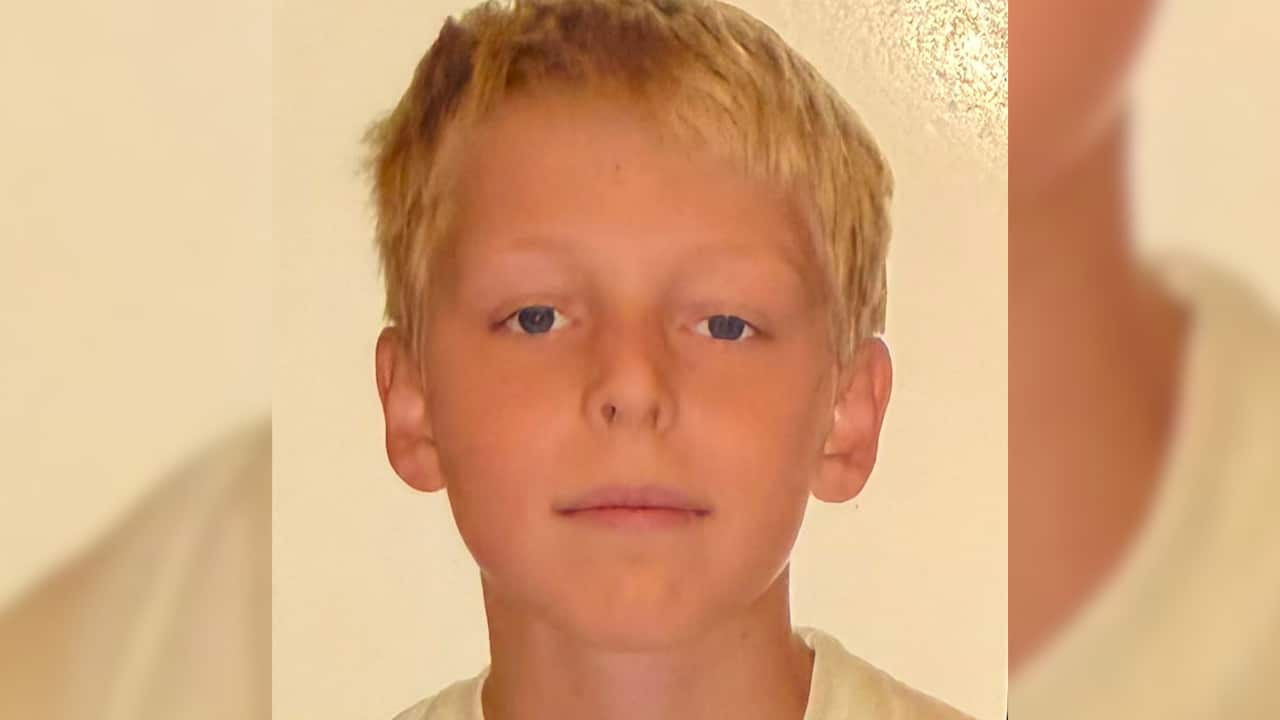
As he grew older, Loïc became increasingly involved in fights and would have angry outbursts.
"A guy was looking me in the eyes, some rivalry between men… and one day, I came to school with a baseball bat," he said.
"I would have smashed his head like a watermelon."
Loïc says the police arrested him on the school grounds over the incident but says he never faced serious legal consequences.
"I could have done prison for threat with weapon ... "
"But I got a lot of chances, and I always found myself okay."
Receiving a diagnosis
Three years ago, Loïc began seeing a new psychologist — having grown tired of masking his thought processes.
The psychologist diagnosed him with antisocial personality disorder (ASPD) and documented traits associated with psychopathy — including manipulation and lying, a reckless disregard for other people's safety, and a lack of remorse and empathy.
"Empathy [is like] music," Loïc said.
"Everybody in the room can understand the words of the music and the melody ... I don't hear the melody — I don't understand it."
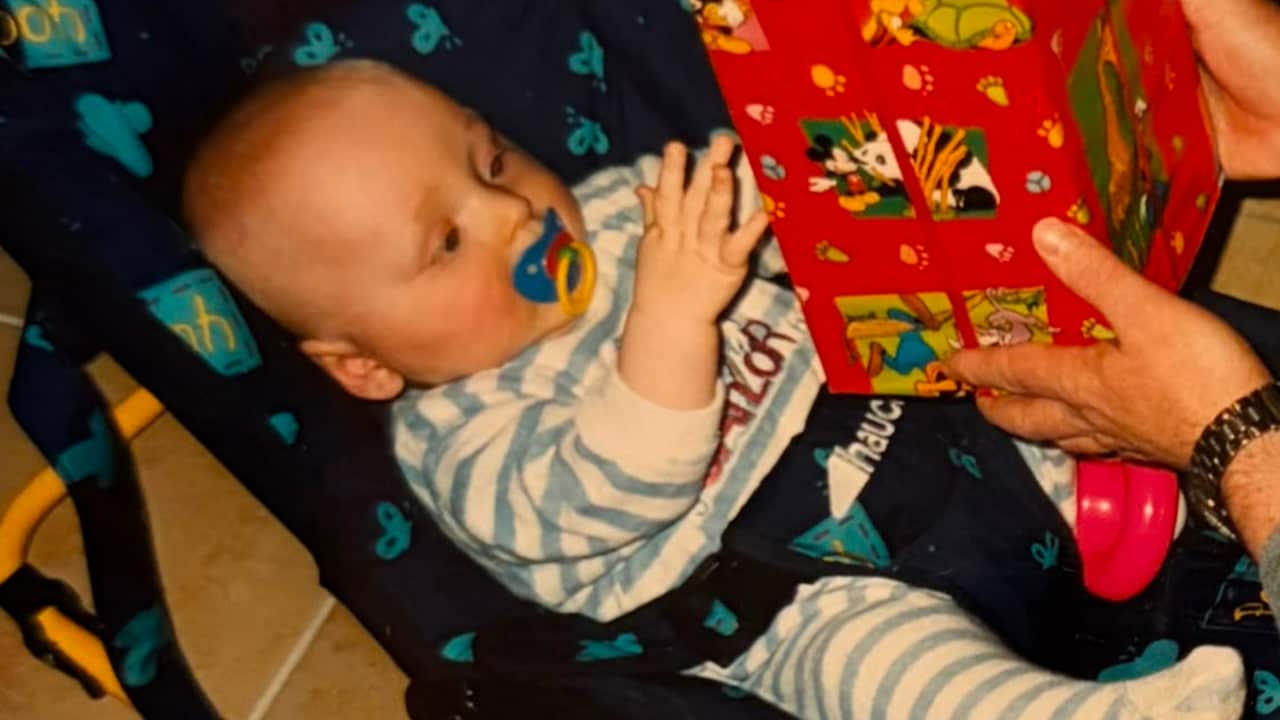
Loïc's father, Philippe, says he used to worry his son would go down the wrong path, but receiving a diagnosis was helpful.
"It [was] good to put a name on a disorder, and then you understand a lot of things.
"We try to ... do the best we can to support him [with] a lot of communication and love."
Forensic psychiatrist Dr Rajan Darjee, who has worked in prisons, mental health hospitals and in the community, says ASPD is a broad concept describing "people who, because of personality problems, are repeatedly breaking rules".
"Psychopathy is a particularly narrow set of traits in people with personality disorder," he said.
"They're callous, they lack concern for other people, they lack empathy."
But Darjee says these traits does not mean someone is destined to cause harm.
"Just because you've got those things going on for you when you're very young doesn't mean inevitably you're going to do bad things.
"There's plenty of people who have those traits [who] will never commit a crime. And, you know, I meet plenty of people who commit murder who don't have those traits."
Darjee believes empathy is important as it is "the reason" we are social as humans.
"I always say lack of empathy doesn't cause violence; it just means that where you've got a decision whether you're going to be violent or not, it doesn't help weigh it in favour of not being violent."
'It's not being evil'
Diagnosed with ASPD and psychopathy, Loïc believes empathy to be a weakness and is "against the law of nature".
"A wolf doesn't feel any empathy for a sheep, because you need to eat."
But he believes someone doesn't need empathy to make a choice to help or not to harm, and that "even people with empathy can harm".
"People very often see empathy as morality, and they say, 'Oh, if you want to act in a good way, you need to have empathy'. No", he said.
"Morality ... I think this is something that can keep you from greatness or your full potential."
We think of cannibals, serial killers … but most of us never kill anyone.Loïc De Marie
Since his diagnosis three years ago, Loïc has been speaking publicly about his personality traits to dispel some of the myths surrounding psychopathy.
"It's not being evil ..." he said.
"We think of cannibals, serial killers…but most of us never kill anyone."
Seeking the ‘wrong'
Zac Jones, 31, doesn't have ASPD but also experienced behavioural problems from a young age after being bullied and experiencing "somewhat of a volatile home environment".
He says his outlook was affected by one of his schoolteachers once referring to him as a "bad egg".
"When you hear from an adult, ‘you're bad'. [You think] ‘oh, okay, that makes sense.' And then I wanted to explore what it means to ‘be bad'."
"I would be destructive, I would graffiti, I would steal, I would skip class; I would actively seek out things that I knew — or thought to be — wrong."
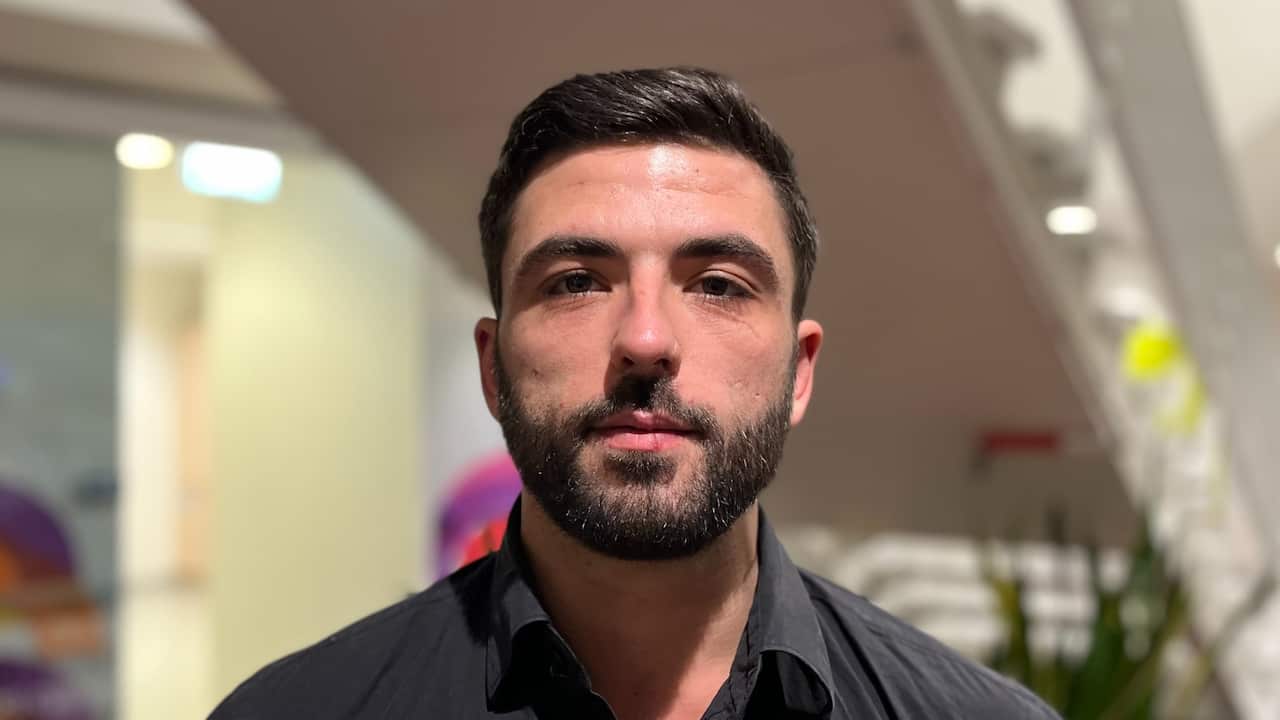
Zac says he was an "intravenous drug user" when he was 16, and by 21, drugs, alcohol and risk-taking were a regular part of his life.
In 2017, he was driving in Melbourne under the influence of drugs and alcohol with four friends in the car. He ran a red light and crashed into a nursing home. All four passengers were seriously injured.
"In that moment, I realised that there was no ‘sorries'," he said.
"All I was left with was the reality of what I'd done."
Subsequently, Zac spent two-and-a-half years in prison, which he believes saved him.
"Having to sit with the guilt and the shame of what I had done ... I had a moment where I was going to take my own life."
"But the realisation that I had was I wasn't dead yet, and that didn't have to be my story."
Zac now believes he is rehabilitated and works with young people to try keep them out of trouble.
'I decided that people can be truly evil'
Bernadette Schiller, who survived the 1983 Inland Hotel massacre, does not believe everyone can be rehabilitated.
She was injured when a local delivery driver Douglas Crabbe deliberately drove a truck into the Inland Hotel near Uluru Ayers Rock and killed five people.
"He stepped over friends that were pinned under the truck, laughed and left, didn't try to help anyone," she said.
"After that night, I decided that people can be truly evil. They actually don't show any remorse for what they've done — not genuine remorse."
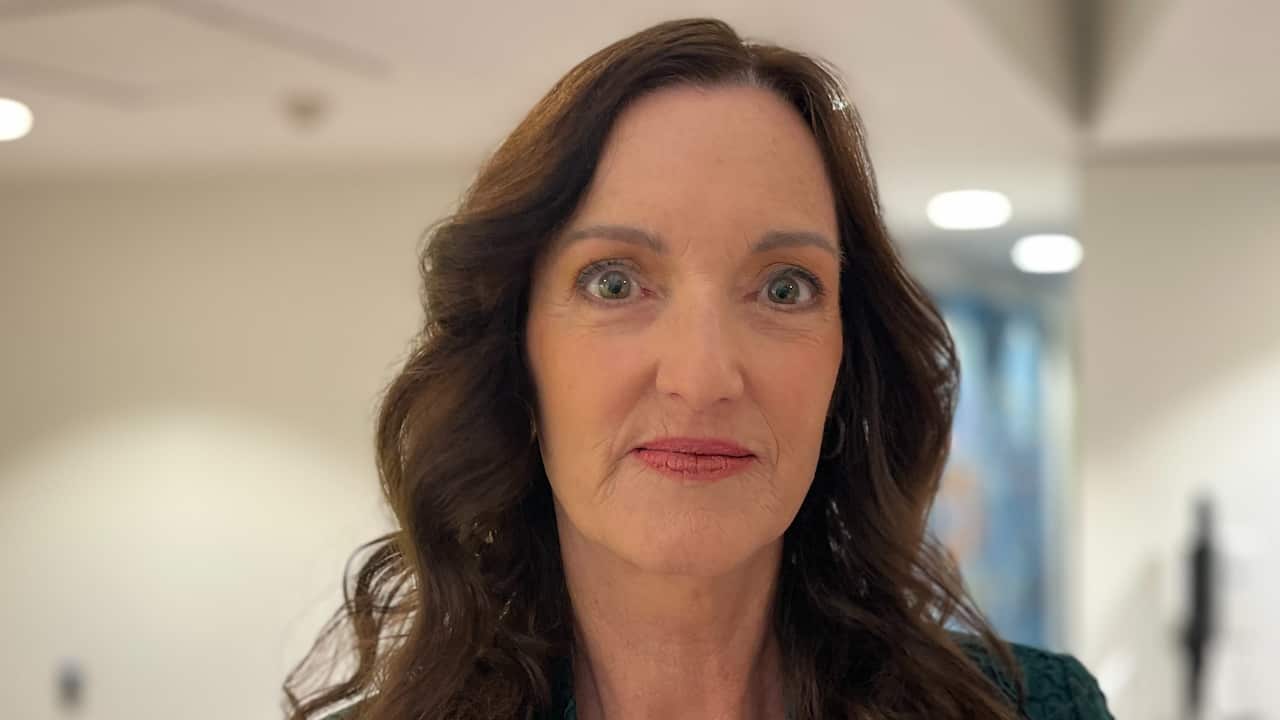
Crabbe was sentenced to five consecutive terms of life imprisonment for the mass murder. Bernadette has challenged his parole bids multiple times.
"I don't think the community would be safe."
"I think people who have no remorse, they definitely should not be put back into society."
But she believes early intervention could make a difference for some children.
"I think if certain behaviours can be recognised as children to maybe get counselling or help…if that can stop that person from becoming what they become as an adult, then that is a good thing."
Can empathy be taught?
Eva Kimonis is a clinical psychologist and professor at the University of New South Wales. She works with young children with behavioural issues and says research suggests callous and emotional traits can be identified early.
"We've done research that found that we can reliably measure callous and emotional traits from age two or three.
"I think if we can address the problem when empathy is developing and it's starting to go the wrong way, then I think yes, we can teach empathy."
Dr Darjee says people can be motivated to change their behaviour for reasons beyond emotional consequences.
"If someone's fundamentally callous and lacking empathy, it's probably unlikely you're going to be able to teach that person or change them," he said.
"But what you can do with someone who's psychopathic is you can get them - for their own selfish reasons - to decide they want to aim for something that isn't screwing other people over."
'Doing the good things'
With therapy, Loïc has also been on his own journey to change his behaviour.
"You can act without empathy and do the good things," he said.
"Maybe I cannot feel empathy, but I can stop my car on the road and I can help a beautiful woman maybe to change the tyre ... You don't need empathy to do that."
Watch your favourite Insight episodes around the clock on SBS On Demand's dedicated Insight channel. For the latest from SBS News, download our app and subscribe to our newsletter.

Insight is Australia's leading forum for debate and powerful first-person stories offering a unique perspective on the way we live. Read more about Insight

Have a story or comment? Contact Us







