
Watch Insight's episode on Letting Go – where we ask when, if ever, is the right time to let go, and if holding on can hold you back – on SBS On Demand.
Umair Abdullah grew up in India, where he saw lots of his friends chasing status and wealth.
“That's what I thought should be the correct life," he said.
As he got older, Umair noticed the house beginning to fill up with junk.
News that makes sense
Your trusted source for staying up-to-date with the world around you. Get free daily news updates and analysis, straight to your inbox.
“My mum used to love clutter, had a lot of stuff and [kept] hoarding stuff," he told Insight.
“She was doing it like retail therapy, where it made her happy."
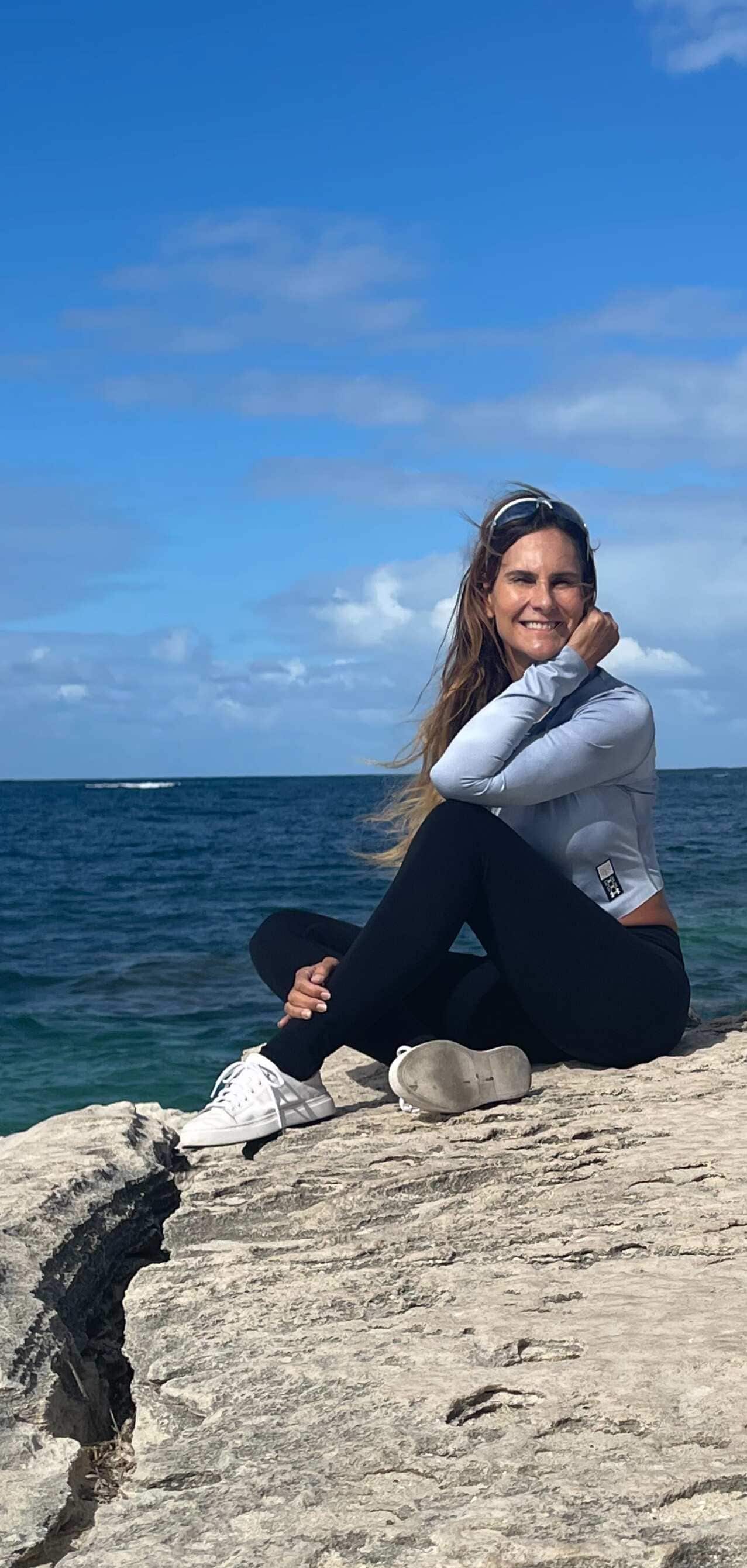
Similarly, Vicky Andrews’ childhood home was clean but also full of clutter.
“I couldn't even enter my own bedroom because of the amount of junk … My own cupboards in my bedroom were full of my mother's things, not mine," she told Insight.
She recalls embarrassment at trying to hide her mum’s habits from her school friends.
“You couldn't sit down if I did invite you in, even if you could find the couch.
“It caused a lot of arguments with my mother because I criticised her for that way of life.”
What drives hoarding behaviours?
In Australia, it's estimated between two to six per cent of the population may have a hoarding disorder, according to the Australian National University.
There is stigma and shame around the condition, which can be debilitating for those who experience it and stressful for their loved ones.
James Collett is a psychologist specialising in attachment, who has researched hoarding.
He said people can become attached to possessions because they think they help define them.
It helped me to design my own little minimalist life that I have full control of.Umair
"Sometimes we can hold things too closely. Sometimes we can push things away too vigorously as well," he told Insight.
"And we experience that effort in the form of stress."
James says it's important for people to question if their attachment to possessions is helping or hurting them.
In pursuit of minimalism
Six years ago, Umair decided he didn’t want to pursue a materialistic, cluttered life.
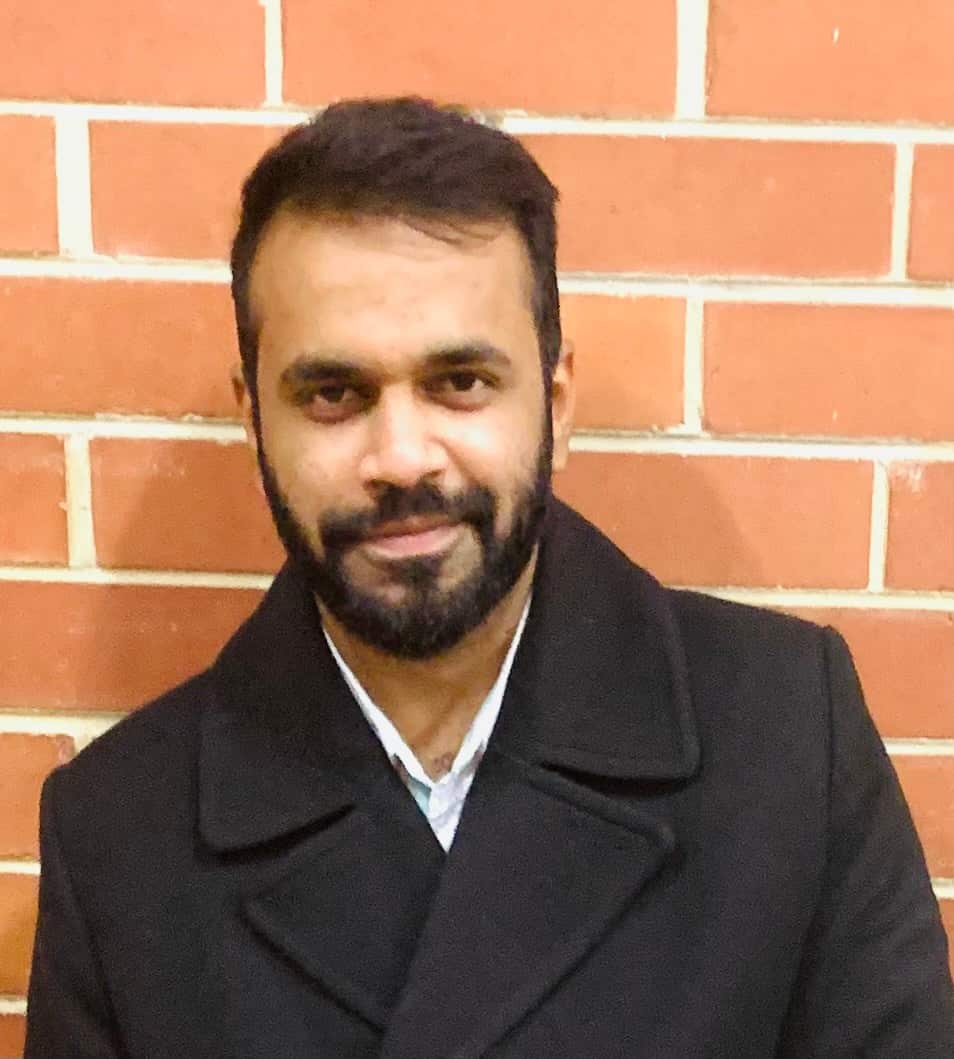
He adopted a utilitarian mentality and moved to Australia, where he relished being away from his family and having the chance to start afresh.
"It helped me to design my own little minimalist life that I have full control of," he said.
Today, he prioritises necessity and quality over abundance, and says he loves his uncluttered apartment.

“When I moved, I didn't even have a bed frame. I started off with just a mattress on the floor.
"Because I own less possessions, it looks like it's big, it's huge."
Umair says he never finds himself wanting more things, and tries to buy products that will last a long time, though he admits he has "a certain level of fear of missing out".
"But you [have to ask], does this thing really add value to your life?"
I became a 'compulsive shopper'
After growing up in a cluttered home, Vicky became a compulsive shopper as an adult.
"Quite often I would have several bags on my arms as I was leaving the shops, not even really knowing what was in them," she said.
Once home, she'd realise she didn't even like or need what she had bought.
"But I would find, months later, I would go back to the shops and buy again."
Vicky says her spending habits meant the family couldn’t save for bigger, more meaningful investments, like holidays or a home renovation.
But it was only during the process of her divorce that she realised just how much unnecessary stuff she had, and took the opportunity to declutter and downsize.
“[I had a] generous conversation with my ex-husband about what we each need and what would make us happy as we move on to the next part of our lives," she said.

She and her son now live, happily, in a space the size of her old garage.
“We have convertible furniture everywhere," she said
“It's the most beautiful, free experience that I've ever had.
“I'd never go back.”
Readers seeking support with mental health can contact Beyond Blue on 1300 22 4636. More information is available at beyondblue.org.au.
Embrace Multicultural Mental Health supports people from culturally and linguistically diverse backgrounds.

Insight is Australia's leading forum for debate and powerful first-person stories offering a unique perspective on the way we live. Read more about Insight

Have a story or comment? Contact Us







