
More than 1.2 million Australians share the profound grief of losing their significant other. How do you navigate life as a widow, and does the label define you? Watch Navigating Widowhood on SBS On Demand.
When I was a child, I thought a widow was a relic — the older lady who lived in the white house on the corner with fake trees in the yard.
I didn't think a young person could be a widow. But because the mortality gap between men and women in First Nations communities is still considerable, a young widow isn't something out of the ordinary.
News that makes sense
Your trusted source for staying up-to-date with the world around you. Get free daily news updates and analysis, straight to your inbox.
I became one at 49.
Although it's not young young, it's still several decades away from being the older lady on the corner.
My late husband Norman drove rusty cars and wore Vinnies clothes; he was down-to-earth and community-driven.
He was a GP for 35 years, working at a practice in Sydney and in Aboriginal and Torres Strait Islander health.
When we met, I was working on a child sexual abuse survivor program. He was so determined to get justice for the young girls, which really made me like him.
He was my kind of person.
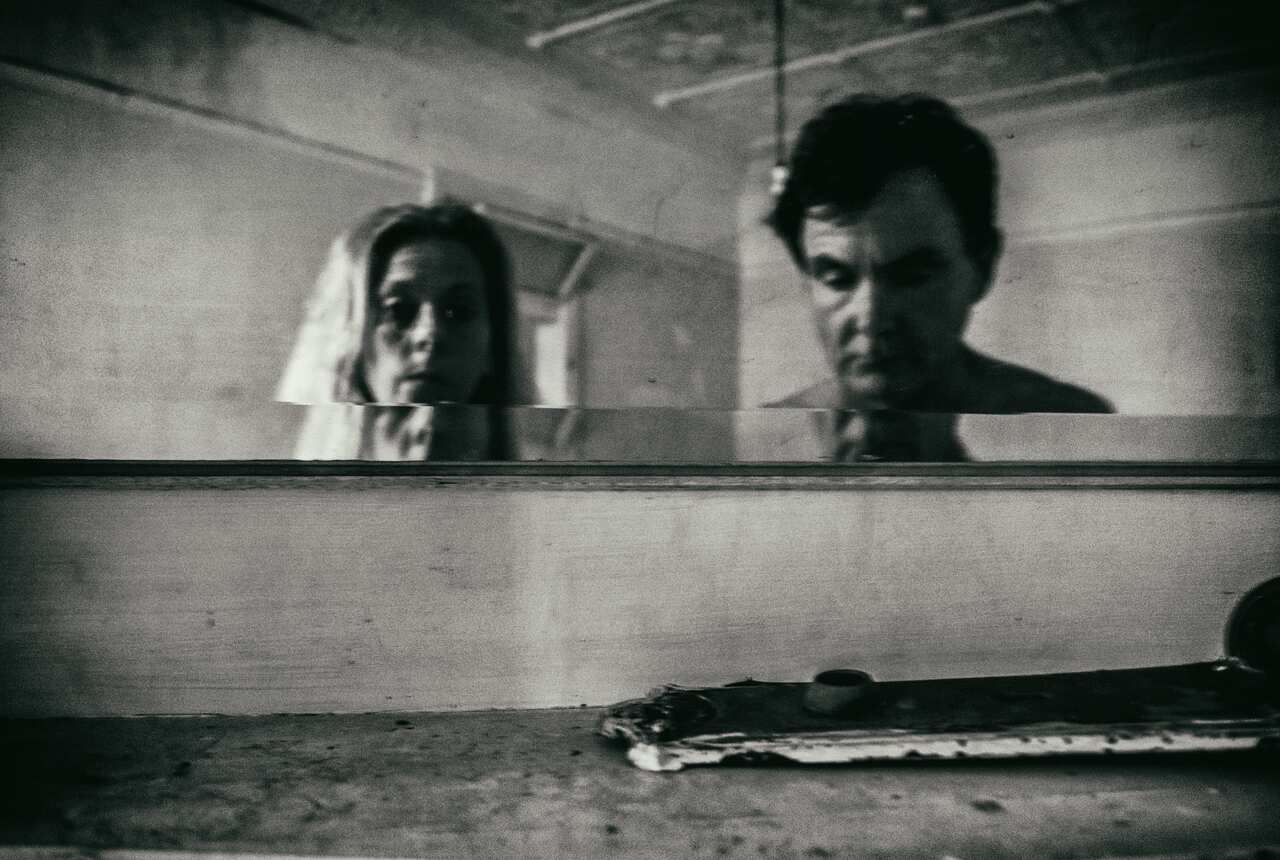
Norman, who came from an Irish family, made it his life's work to stand up for transgender and gay people, and Indigenous women.
We were married for 10 years and had six children together — five of whom were from previous relationships.
In our decade together, we travelled many times from the north-west NSW town of Brewarrina to the Tiwi Islands off the coast of Darwin to provide health care.
In the big picture, my role as a being mob from the Bundjalung Nation and in clan relationships is to get out and be of service, doing the work to the best of my ability.
This has been something that took most of my adult life to work out.
But when I met Norman, I knew that somehow he'd help me fulfil my purpose.
Becoming a widow
But a day or so after Yabun and Invasion Day in 2024, he fell off a ladder and onto concrete while painting a catamaran we were fixing up for mostly First Nations women and children who really need a fun day out.
He was artificially ventilated for about 10 days, but I knew it was the end.
The hospital rang the exact second it happened on Valentine's Day.
After taking the call while on shift at my disability care job, I stopped what I was doing and washed my hands slowly — the way he taught me.
At his funeral, his sons and I carried his coffin to Queen's Another One Bites the Dust through the hot sand.
I was 49 years old and had a six-year-old child and felt too young to be wearing a modest black outfit, so I wore a white crotchet tennis dress.
I remembered back to our wedding: looking at him in a white shirt and thinking we had so much time ahead of us.
But now, I was carrying his coffin — his body inside wearing his Aboriginal and Torres Strait Islander medical service shirt.
Strength through community
Navigating the days after Norman's death was difficult but I felt so incredibly supported by my community.
Mardi Gras was three days after the funeral. I had already been booked in to shoot First Light, the First Nations ceremonies that open the entire festival.
It was a really important job for me as a photographer, and I didn't want to be destroyed by grief. So, I put on my silver dress and pushed myself to go.
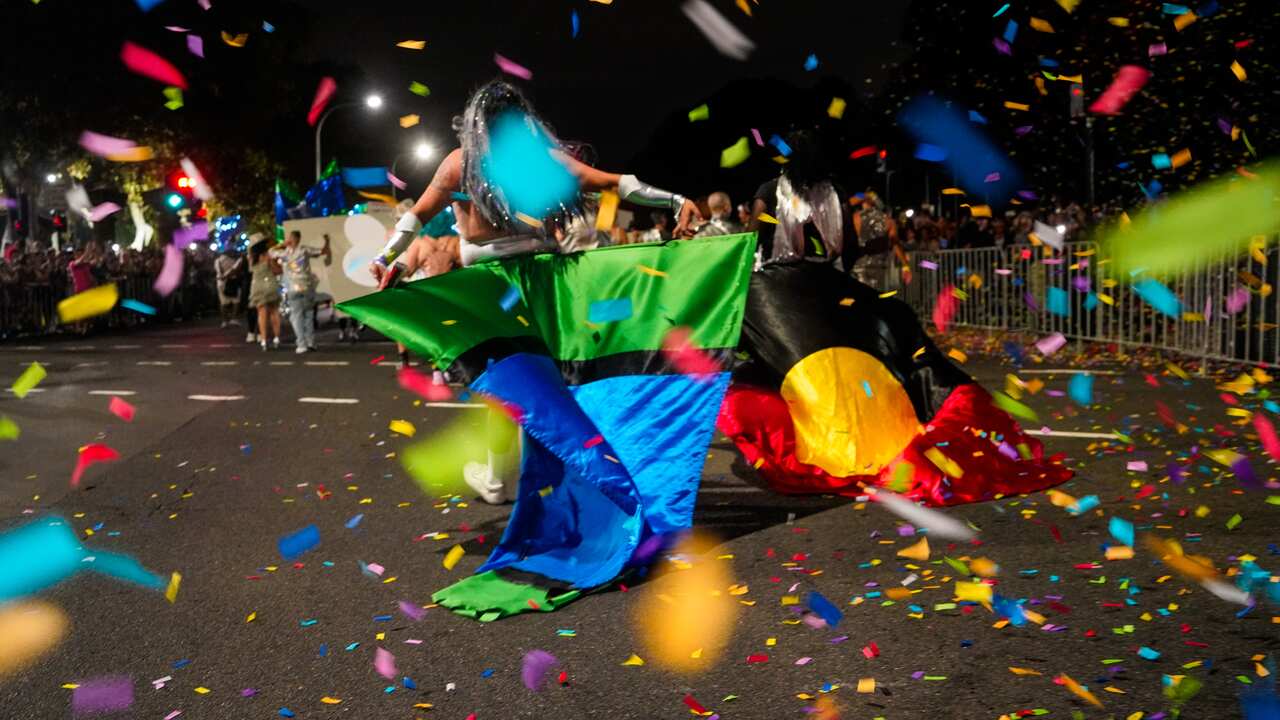
I marched with the First Nations Aboriginal Communities Float; we were first out on the big street with the big crowds.
I felt like everyone in the world was watching me — including senior Black women in the community. I felt acknowledged and that there was solidarity; many of them were also widows.
There was also a moment where an Aboriginal woman politician I admire touched my arm in support. I felt so grateful and seen in that moment.
Community at Mardi Gras was something special in a really hard time. If hadn't been for that support, I would have been at home — or what was left of it — turning the metaphorical tulips.
Wise and warm-hearted widows
People are so shocked when they find out you're a widow at 50 but really, it's not so rare.
I really feel like widows don't get enough support as grieving people, who more often than one might think, also have young children to take care of.
However, I know there are whole families in more remote communities losing much younger loved ones — and are left with so much less than I was.
I have my qualms with the word 'widow'. It sounds so terminal when it's not. It's just a new stage of life.
It makes me think of some horrid spider, something supposed to inspire fear, but widows and widowers are often very wise and warm-hearted people.
I'm not 85 and I'm certainly not a spider; I'm a young woman, a young person.
There's probably a First Nations word that's better, and I think we need a new word.
Grief, purpose and cultural continuity
My husband dying is my greatest heartache, but grief isn't a new feeling for me.
There were some untimely deaths growing up of family members that really shaped me as a child.
So, grief is an old friend, and a natural part of life.
Being married to Norman and doing the work we did in remote communities helped me feel more connected to my roots, and to feel that I was fulfilling my purpose.
And in this new stage of life, I feel I have started to step into an Aunty role for some men and women slightly younger than me.
We have very strong older Uncles and Aunts in community who really look after me as a person.
Our extended kinship systems literally saved me from the oblivion of being dislocated as a relic or someone too young to be a widow.
It's so humbling to be loved in this way, but that's the enduring wisdom carried through 65,000 years of the longest continuing civilised society on Earth.
It's a beautiful cultural pattern and I look forward to continuing it.
Watch your favourite Insight episodes around the clock on SBS On Demand's dedicated Insight channel. For the latest from SBS News, download our app and subscribe to our newsletter.
For the latest from SBS News, download our app and subscribe to our newsletter.

Insight is Australia's leading forum for debate and powerful first-person stories offering a unique perspective on the way we live. Read more about Insight

Have a story or comment? Contact Us







