
.After weeks of political pressure, the Prime Minister this month announced a Royal Commission into the rise in antisemitism and factors behind the second-deadliest mass shooting in Australian history. It is the latest of a series of Royal Commissions into wide-ranging issues, but what is a Royal Commission and what does it do?
Listen to Australian and world news and follow trending topics with SBS News Podcasts.
TRANSCRIPT
“Knowing that just like people who gathered that night were committing to light prevailing over darkness, it is clear to me that a Royal Commission is essential to achieving this.”
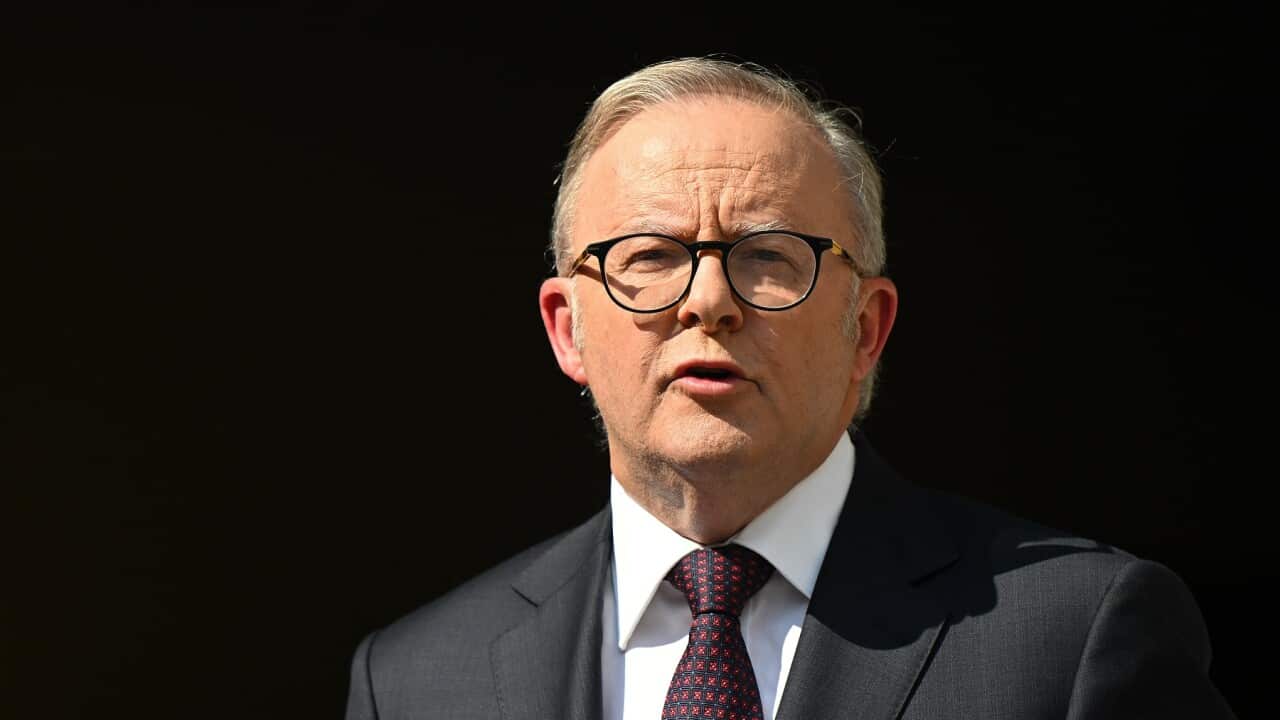
That was Australia's Prime Minister in January.
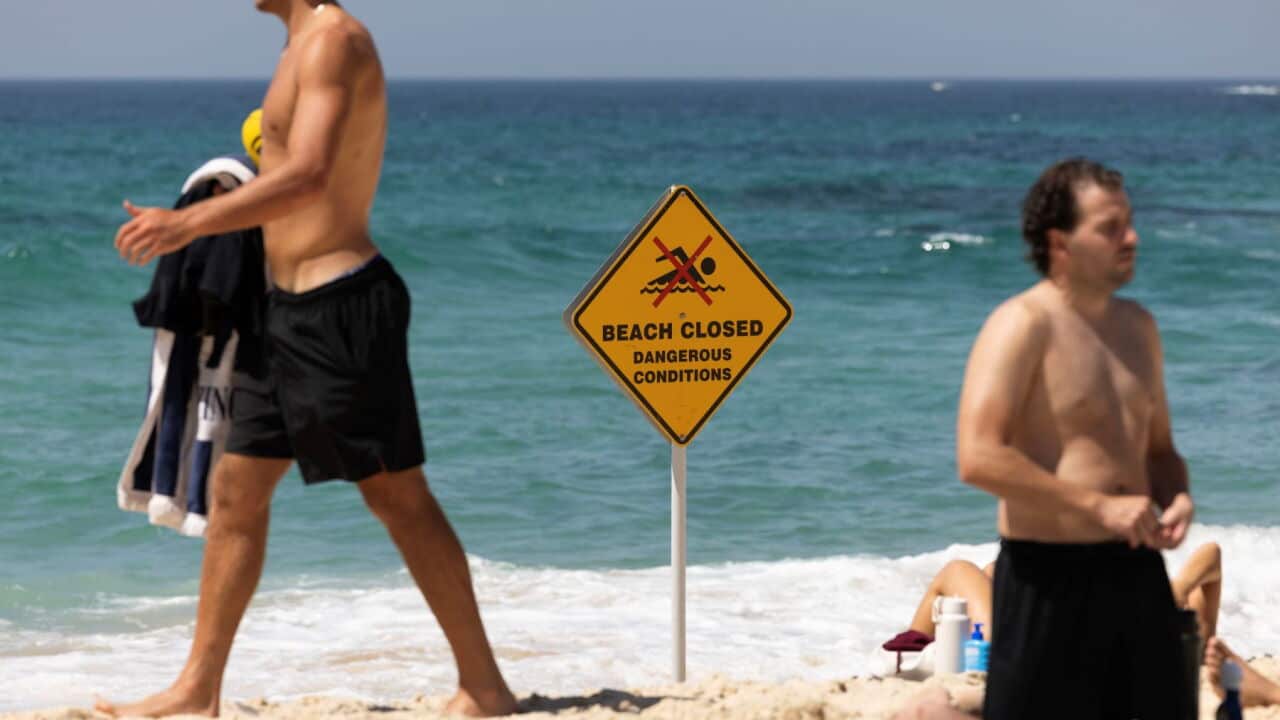
He's called for a Royal Commission into issues related to antisemitism and the circumstances behind the Bondi terrorist attack that targeted Hannukah celebrations, killing 15 people in December.
So, what is a Royal Commission?
It is an independent, public inquiry established by a state or commonwealth government.
Former judge Ronald Sackville says there are two kinds, which often overlap.
“One kind of Royal Commission is an investigation into something that has gone terribly wrong - like Robodebt. Or if there has been a disaster of some kind, the job of the Royal Commission is to investigate, make findings and perhaps make recommendations that somebody be referred for criminal prosecution. The second category are policy-oriented royal commissions, like the disability royal commission.”
The New South Wales government first announced its own probe in the wake of the Bondi shooting attack on the 14th of December, with another inquiry from the Australian Federal Police also in the pipeline.
Those will now be folded into a Commonwealth-led Royal Commission on antisemitism and social cohesion.
Other forms of inquiry have been widely considered to not have the scope and powers required to be effective in this case.
Mr Sackville says the key difference is that a Royal Commission - unlike other inquiries - can force people and institutions to participate.
“They include the power to compel a witness to give evidence. And to do so, for example, without the protection for example of the privilege against self-incrimination. It also has power to require individuals and agencies to provide written information about matters specified by the royal commission.”
They are independent reviews, but they are established and designed by the government which appoints them.
Associate Professor in politics from Australia National University, Dr Jill Shepherd, says they can be a useful political tool.
“Responding quickly in a way that shows voters and citizens that you are serious about this, but also not having to come up with a solution straight away. So they kind of kick the can down the road in having to deliberate and come up with policy decisions. Or, in the worst case, and this comes up more at a state level, because of state jurisdictions but sometimes criminal prosecution.”
The Australian government defines a Royal Commission as "the highest form of inquiry on matters of public importance, which are only established in rare and exceptional circumstances."
And if you think they seem to be becoming less rare and less exceptional - former political advisor and academic, Scott Prasser, says you're right.
“Since 2013, we've had 13 Royal Commissions, okay, so we've had an increase in federal Royal Commissions happening. And I think that is a reflection that a Royal Commission is the institution you turn to, when you run out of institutions to review things independently. I call it the institution of last resort.”
Each Royal Commission is different - not just because of the subject matter, but who is running it and the limits of what it can investigate.
Those limits are set by the terms of reference,which determine what is on or off the table.
The terms of Reference are designed to consider issues including privacy, possible harm to people or the public, national security in some cases - and cost to the taxpayer - which run into the millions.
While the process is run independently of government, Dr Shepherd says it ultimately driven by political will.
“So, if we bring this back to individuals. That is, Anthony Albanese saying I am not going to deal with this in parliament yet. I am going to go to a Royal Commission. But I am going to specifically tell the Royal Commission what I want them to talk about, the sorts of ways I want them to talk about those issues and I'm going to pick the person that chairs it.”
Public and private hearings usually run on and off for about a year, after which the Commissioner and staff must write a final report.
The report usually lists recommendations to be adopted as policy and can make referrals to prosecutors if there is evidence of criminal activity.
But Mr Prasser says there is an underlying tension in the process - because the government that calls a commission is usually responsible for acting on its findings.
“There is always this problem. A royal commission's recommendations have to be implemented by the government of the day. A royal commission has got no power to implement its recommendations. Governments have all sorts of techniques to manage royal commissions. They can say we're doing it, or that they don't agree with this recommendation or it is going to cost too much or so on."
However, Mr Prasser says the public nature of hearings and the publically available reporting, means accountability is built into the process.
“It's a brave government that ignores a royal commission, ok. Because politically it will become untenable. So governments have got to be very wary about opposing things. There is evidence something like 60 per cent of recommendations from royal commissions are implemented. And that is because some of the recommendations require state governments.”
An interim report into the 2026 Royal Commission into antisemitism and social cohesion is due in April [[2026]].