
This Easter, Australia’s last surviving Jesuit-run winery is celebrating 175 years of continuous production. Founded by religious refugees from Europe, Sevenhill Cellars now exports wine to the world.
Listen to Australian and world news and follow trending topics with SBS News Podcasts.
TRANSCRIPT
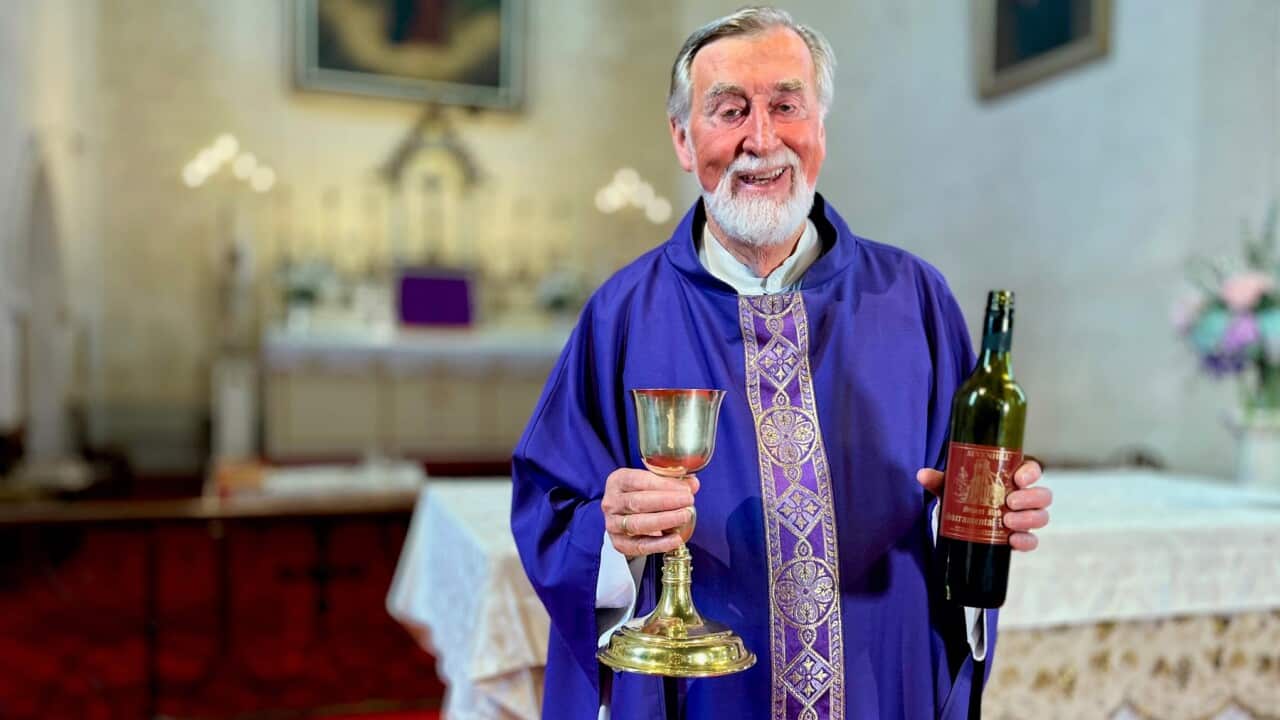
At a Jesuit church in South Australia’s Clare Valley, Father Brendan Kelly is pouring sacramental wine.
The grapes are grown on site, planted by the founding fathers 175 years ago, explains Father Kelly who is superior at Sevenhill’s Jesuit Mission.
‘I feel immensely proud and I feel greatly committed to what has gone before us here - the industry of those Jesuits and also lay people who supported them.”
Sevenhill – named in honour of the seven hills of Rome – has a rich history, started by religious refugees from Europe who were keen to share their faith in a new land.
They came here to escape the persecution they felt for their faith. They were seeking a greater freedom, a place where they could express their faith and their worship.
To meet a need for sacramental wine, the first vines were planted in 1851, creating the Clare Valley’s first working winery.
Sevenhill historian, Bishop Greg O’Kelly says the mission grew in other ways, too.
“The Jesuits spent their lives out here serving the people. From that Sevenhill, they built about 36 little churches. The burgeoning and the growth of the Catholic population was quite strong from Sevenhill.”
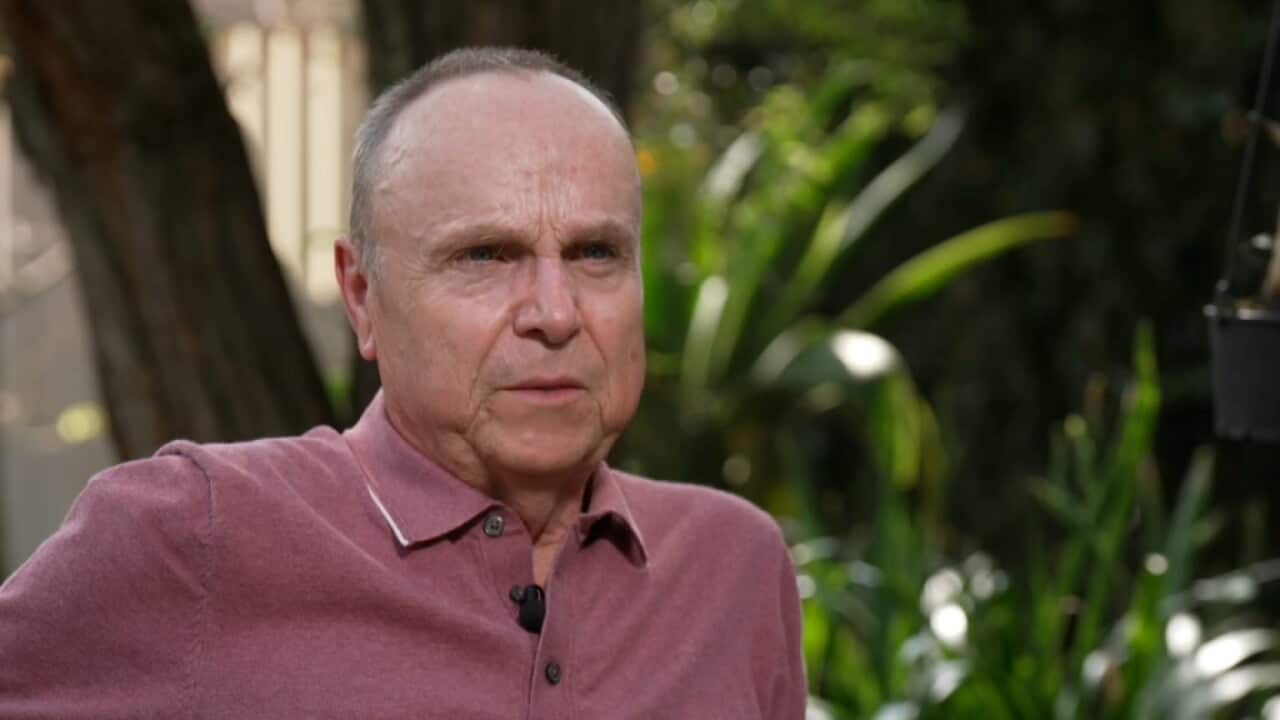
These days, one third of the 300 hectare site is under vine. After a hot dry summer, General Manager Christian Fraser says the red grapes are ready for harvest.
“Vines that are about 160 years old, Shiraz vines, will be picked in the next day or two. They'll be coming off and go into our premium red blend, straight away. In terms of the wines we make, Riesling is probably the top tier. We make really good Shiraz and Cabernet Sauvignon right through the Clare Valley as well, and they're probably what we're best known for.”
Sevenhill produces 400-thousand bottes annually, most of that sold as altar wine worldwide, especially across south-east Asia. Bishop O’Kelly says Sevenhill also supplies diverse local customers.
“It is a major producer of altar wine for the Catholic church particularly, but also it's used by the other churches too, like Lutherans and Anglicans.”
As well, premium table wines are sold at the historic cellar door, with more than 40-thousand visitors turning up to taste the fruit of the vines each year.
“This place it adds something just to a winery visit. It is a wonderful place – up on the hill, cemetery, ruins down the bottom, just a perfect place to visit. “
While sales are strong, Mr Fraser says staff at the not-for-profit are proud to serve a higher purpose.
“For us, it's been a real feel-good story to be able to say, not only do we make great wine, but if we make any extra money, it goes straight back to the community. So, it's really wonderful to be a part of that.”
However, like many wine producers worldwide, Mr Fraser says Sevenhill faces growing commercial challenges.
“The wine industry is facing a bit of a tough time because there's a bit of oversupply and consumer patterns are changing a little bit and consumption is going down. So, at the moment, there's a fair bit of consolidation in the wine industry. There's still certainly a place for those big, thick, jammy, rich wines, but certainly from what we're seeing in our cellar door and our consumer databases, they're looking for the more light, easier drinking styles.”
These days, the site’s heritage-listed buildings are also used for guest accommodation. Bishop O’Kelly says they offer a quiet space for meditation and silent retreats.
“It's a very moving place for most people who go there. I mean, the stones tell their own story. There's ancient old buildings, you've got sacred spots, you've got like the Crypt where there's about 38 buried, people who came out and gave their whole lives to be here.”
As Australia’s last Jesuit-run winery, Sevenhill is one of the industry’s historic treasures. It’s survived two world wars, a great depression and a COVID downturn.
Father Brendan Kelly says it offers hope, in dark times.
“I feel immensely proud and I'd like to see it as a place where people find the spirit that is of peace and of friendship and of welcome. It's our foundation place, it is the beginning. And I think it's a good reference point for us when we consider how we're moving into the future.”