
Climate scientists are warning methane - a highly potent greenhouse gas - is being "dangerously overlooked" when it comes to addressing global warming. Since it was first announced in 2021, more than 150 countries, including Australia, have signed up to the Global Methane Pledge. But just two per cent of climate finance goes towards slashing methane emissions.
Listen to Australian and world news, and follow trending topics with SBS News Podcasts.
From trash to a scientific treasure.
Researchers at University of Sydney say they have developed a way to turn methane emissions from landfill into sustainable sources of energy.
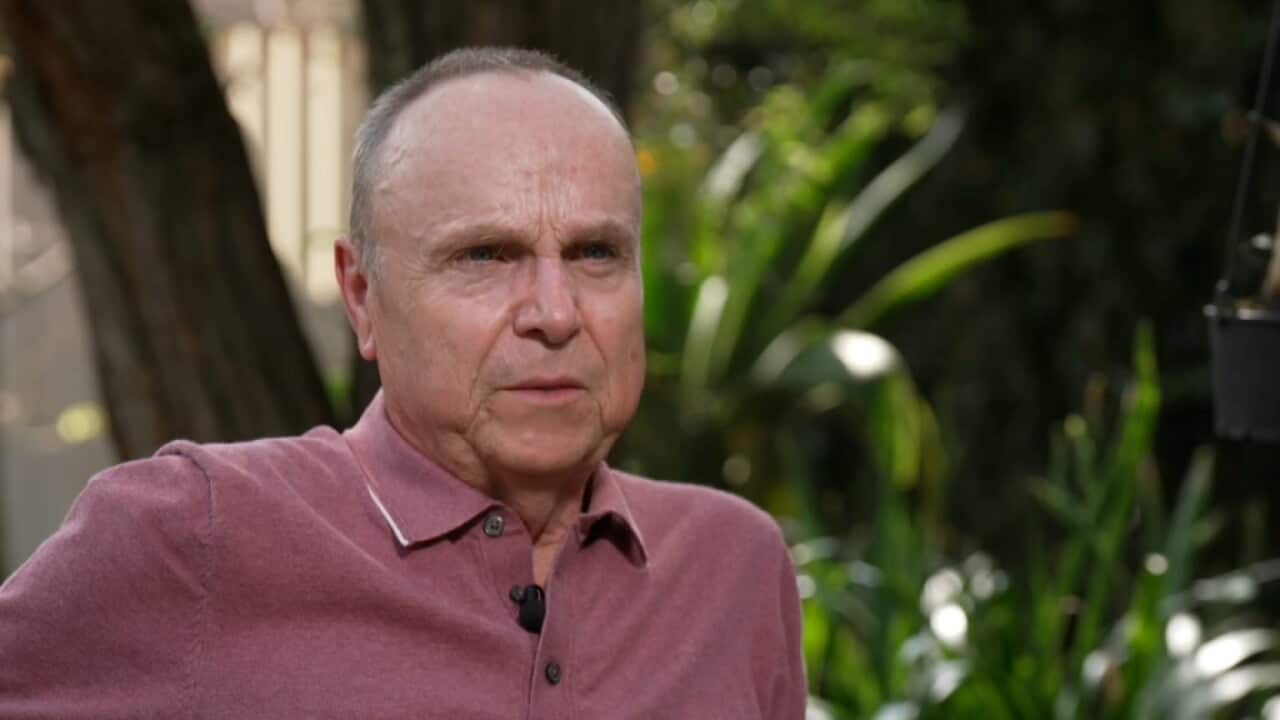
Lead author Professor P-J Cullen is from the university's School of Chemical and Biomolecular Engineering and Net Zero Institute.
He says the chemical process uses plasma to create synthetic fuel that has the potential to electrify heavy polluting industries like aviation and shipping.
"We're really into the electrification of the chemical industry, methane being one of the target gases that we're interested in. It's exciting in terms of potential technology where you can take a product which is a greenhouse gas and convert it into something that's needed by an industry."
Capturing and curbing methane emissions is critical to slowing the impacts of climate change, a group of international climates scientists are warning.
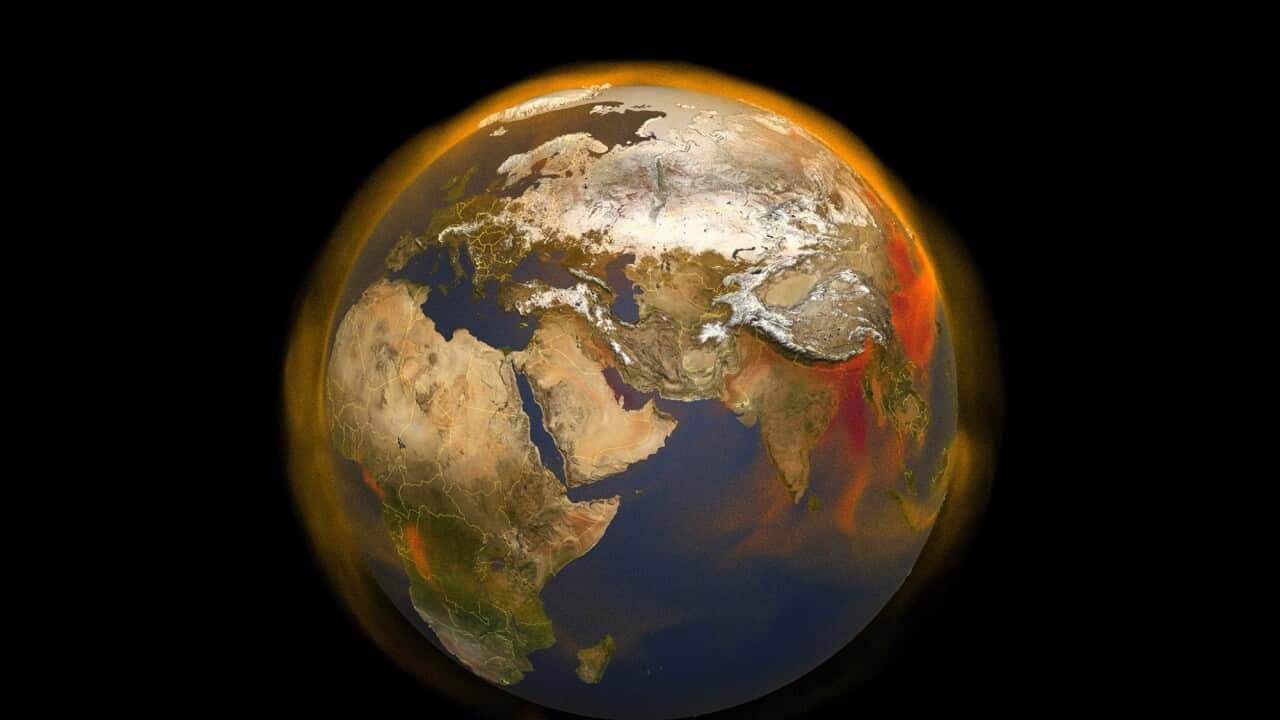
In a new report, they say the amount of the greenhouse gas in the atmosphere is rising at a record rate.
Drew Shindell-a Professor of Earth Science at the United State's Duke University - is a co-author.
"Since about 2006 we've seen methane concentrations grow more and more rapidly, almost every year, with the recent growth rates being the most rapid in the whole observation record. "
Scientists say the rise is largely due to human activities.
The waste, fossil fuel and agriculture industries among the main sources of human methane emissions.
Methane is responsible for about one-third of global warming - the second largest contributor after carbon dioxide, which is more prevalent and lasts longer in the atmosphere.
But methane is more effective at trapping heat, warming the atmosphere more than 80 times as carbon dioxide does over a 20-year period
And so Professor Shindell says reining in methane pollution now could have a big impact
"Methane is actually the strongest leverage we have to slow warming between now and 2050. We don't have to reduce as much methane to get a big on the trajectory of climate change as we do with co2. "
The paper coincides with a new report from the Climate Council, which calls on Australia to take stronger action in tackling methane pollution.
Climate Council Director, Professor Lesley Hughes says Australia produces an outsized share of global methane pollution.
"We're the 12th largest producer of methane but because we only have a very small amount of the world's population, that means on a per capita basis we're producing about 4-5 times as much methane per person as is average for the rest of the world so we have an enormous responsibility. "
Compelling fossil fuel companies to directly monitor, report and slash methane emissions is among the report's suggestions, as well as incentives for farmers to adopt new technologies to cut methane emissions.
And Professor Hughes says better waste management, such as composting, is also important.
"More than 90 per cent of all food waste in Australia ends up in landfill and that's when it produces methane. So if we can collect that food waste and deal with it by decomposing it in compost or in worm farms etc before it gets to landfill, obviously that will reduce the methane problem. "
The investment and scale-up of emerging solutions - such as capturing methane - as the University of Sydney scientists are doing, can also play a part.
In a statement, a spokesperson for Minister for Climate Change and Energy Chris Bowen said:
“The Government is taking strong action to drive methane reductions across the economy, including from livestock and industry, to meet our legislated emissions reduction targets."
“This includes our $20 million Methane Emissions Reduction in Livestock program, $8 million to support the commercialisation of seaweed, the new Net Zero Emissions Agriculture Cooperative Research Centre and the reformed Australian Carbon Credit Unit Scheme, which is now considering proposals for new methods."