A hotline supporting refugees who have fled war, violence and persecution has received a funding boost after the Bondi terror attack. Those running the hotline service in New South Wales says the funding will allow it to extend its reach nationally, supporting refugees as they navigate the ongoing effects of complex trauma and triggers of what happened at Bondi.
Listen to Australian and world news and follow trending topics with SBS News Podcasts.
TRANSCRIPT:
Ever since the Bondi terror attack, the Witness to War hotline has been busy.
"So we have seen an increase in calls from Hebrew speakers, from actually around Australia - not just New South Wales-based. We have also assisted people who have survived wars. And it reminded them of their tragic trauma that they've been through. And they've survived the wars overseas. So the feel unsafety (lack of safety), they feel the vulnerability in the community. Whereas they were safe - and they were feeling settled. The need is grave in Australia at the moment."
The service has provided free counselling to war survivors in-language, including the option for a translator, since 2022.
Fida Al Haddad has been answering calls as a hotline operator for more than two years.
It has been a long journey to get to this point - leaving Lebanon and then acquiring a Bachelors Masters in Social Science in Australia before undertaking the ongoing mental health training to support others.
She says the work is tough but rewarding.
"I feel immensely privileged to be able to provide these services for our community. Nothing other than privilege, honestly. What I really want is to empower our community. That is where my heart is - and that is where I give my best. So I want to build our communities, I want to strengthen our communities. And that is where my passion is."
Fida says her own background helps her establish a shared understanding - and a sense of safety.
"Having that shared that experience as a migrant or asylum seeker, we came to Australia seeking safety. We came to Australia fleeing wars. Some of us are banned from going back to our country. So we know the pain. We understand where it comes from. We don't label it. We just want to listen with empathy, without judgement."
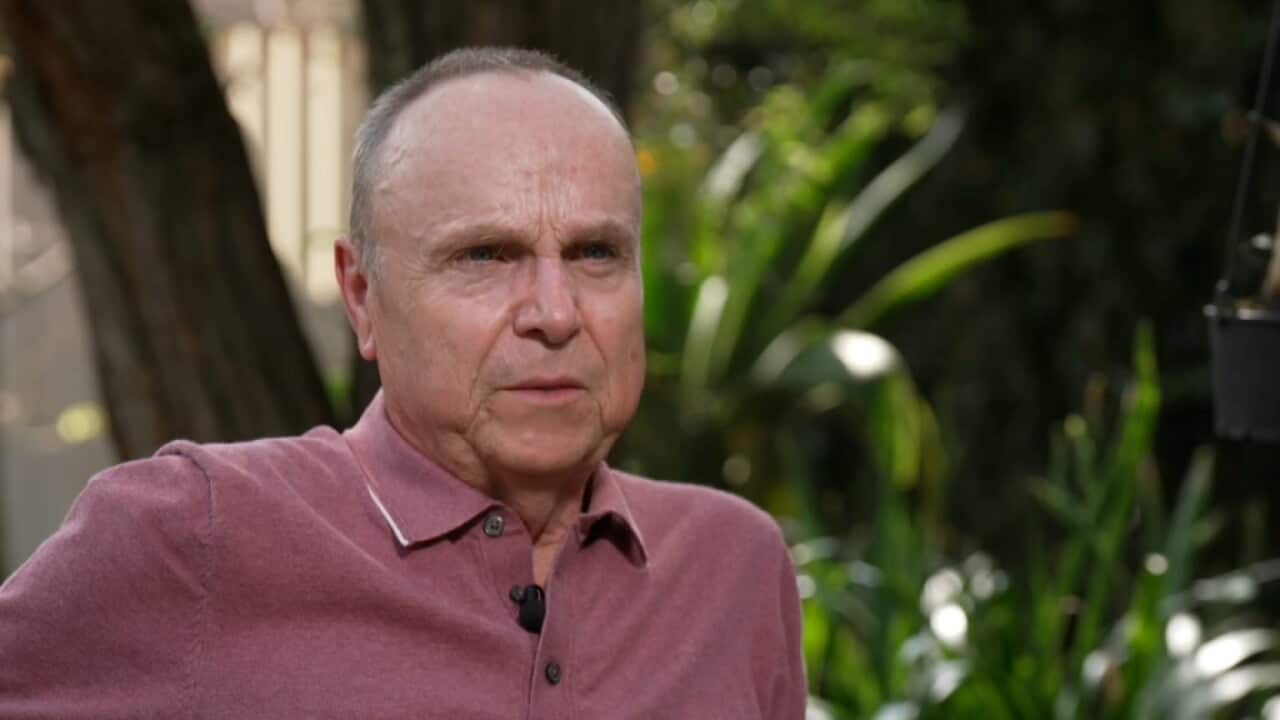
Clinical psychologist Jorge Aroche is the CEO of the non-profit STARTTS that operates the hotline.
He says it started as a temporary project six-month project, with funding from the New South Wales government to specifically support the Afghan community in the state.
Mr Aroche says over the years, the hotline has evolved to meet the growing community need - providing support to individuals fleeing conflict from Ukraine, Iran, Sri Lanka, India and South Sudan.
"It's fantastic that governments realise that having a hotline that people can access in different languages and attuned to the particular impact that these events that happened in the season at home can have on people that survived such horror before. Hopefully now we'll be in a position to cater for clients and people in this situation across the nation. But also have some understanding so that we don't try to re-invent the wheel each time."
The service has experienced a spike in calls after the Bondi mass shooting.
Fida says something is now clearly different.
"I've heard it from some of our Jewish callers - and I've heard it from our Arabic speakers callers as well - it's a shared sentiment - again that sense that they're not safe. They used to go out in shared spaces, in shared public spaces, and they didn't use to worry about these things. These things didn't happen in Australia. So it's just attacked that sense of public safety."
The federal government funding has announced more than $40 million to support mental health services following the Bondi massacre, considered the country's worst mass shooting in 30 years since Port Arthur in 1996.
A portion of that funding - $3.6 million - will go to the Witness to War Hotline.
Jamila Padhee says the money will allow the service to offer equitable access to specialised care across Australia, including regional towns.
"You know it's an absolute tragic event and all Australians are grieving with Jwish communities in Australia. But also that level of violence is a triggering event for many communities. Obviously for communities from refugees background who have escaped war, conflict, persecution, it does become a triggering event. This phone service has been going for a while but it's only been based in New South Wales. So this resourcing will enable it to have a national response."
Ms Padhee is the national co-ordinator of Australia's network of eight specialist refugee torture and trauma recovery agencies, FASSTT, representing the different states and territories.
She says the goal right now is to help re-establish the resources that make people feel safe - including strengthening the connections with community.
"People need to not only feel physically safe, they need to feel psychologically safe. So another element of safety is really that sense of belonging... Trauma impacts on daily living so it's all the work in terms of helping people to really live their lives in Australia. And that can be a variety of things: about re-establishing connection to the community or helping people find a job. All of those day-to-day things that help people with their function."
Mr Aroche says there will be an ongoing need for the hotline's services - including its national reach - as trauma and grief lingers.
He says rebuilding frayed community connections will take time.
"Let's bear in mind that acts of terror are things that are thought through and done with a purpose. The purpose is to destroy the fabric of society. To create terror. You mention grieving and I think grieving is something that will take time. You know, it is a very significant attack on a community and on us as a nation as a whole. It attacks not only the Jewish community, but it also attacks the places that we see as safe. A lifestyle, the way that we perceive Australia."
Mr Aroche says the pattern of trauma for war survivors is that ongoing support is needed - and the symptoms can manifest at a later time after the initial trigger.
He says supporting children, in particular, will be important.
"But I think we face now a much more challenging prospect, which is that of ensuring that this horrific incident does not further undermine cohesion, doesn't lead to further polarisation in our society. And that will require acknowledging that this is a need. One area that I think is fundamental in this is that we put more resources in working with young people. Because of the stage of development that they're going through. How volatile they are as a stage of development. I think many times, this sort of situation can affect young people a lot more. And I think this would be a timely investment in our future."