
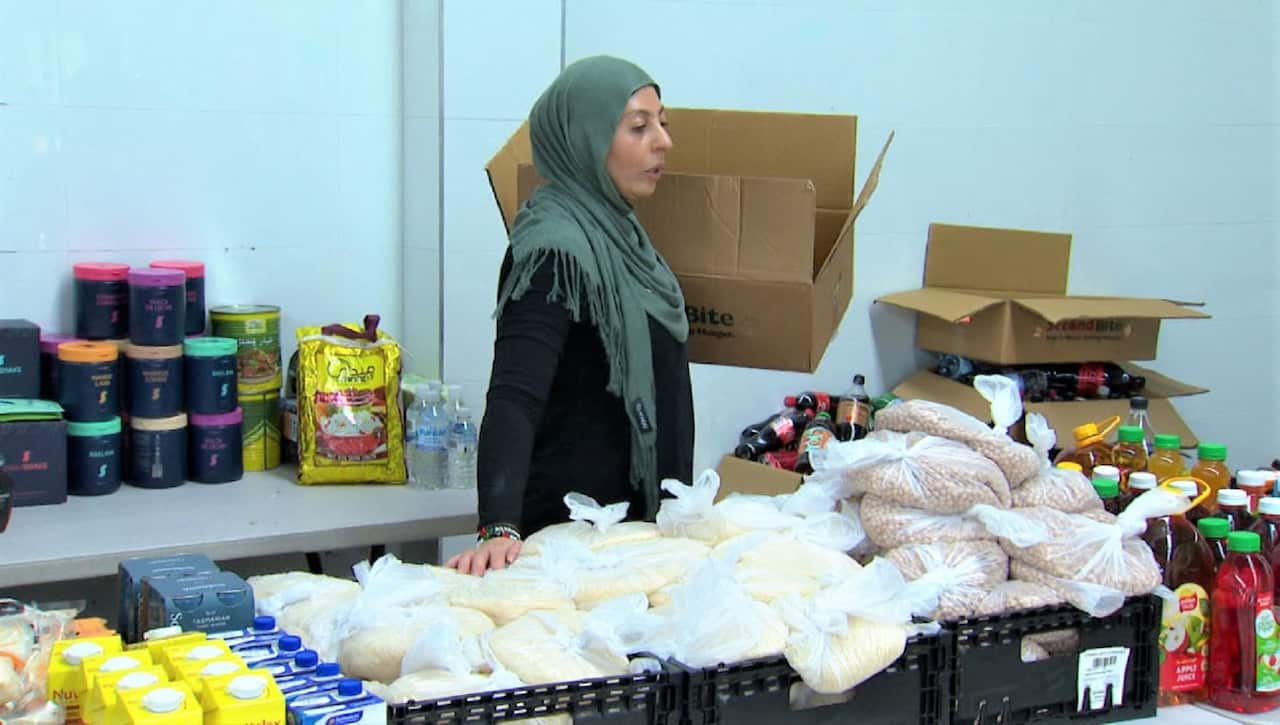
In a warehouse in Sydney's west, volunteers move quickly, packing food products into cardboard boxes.
For the families waiting outside, these hampers are more than groceries — they are a lifeline.
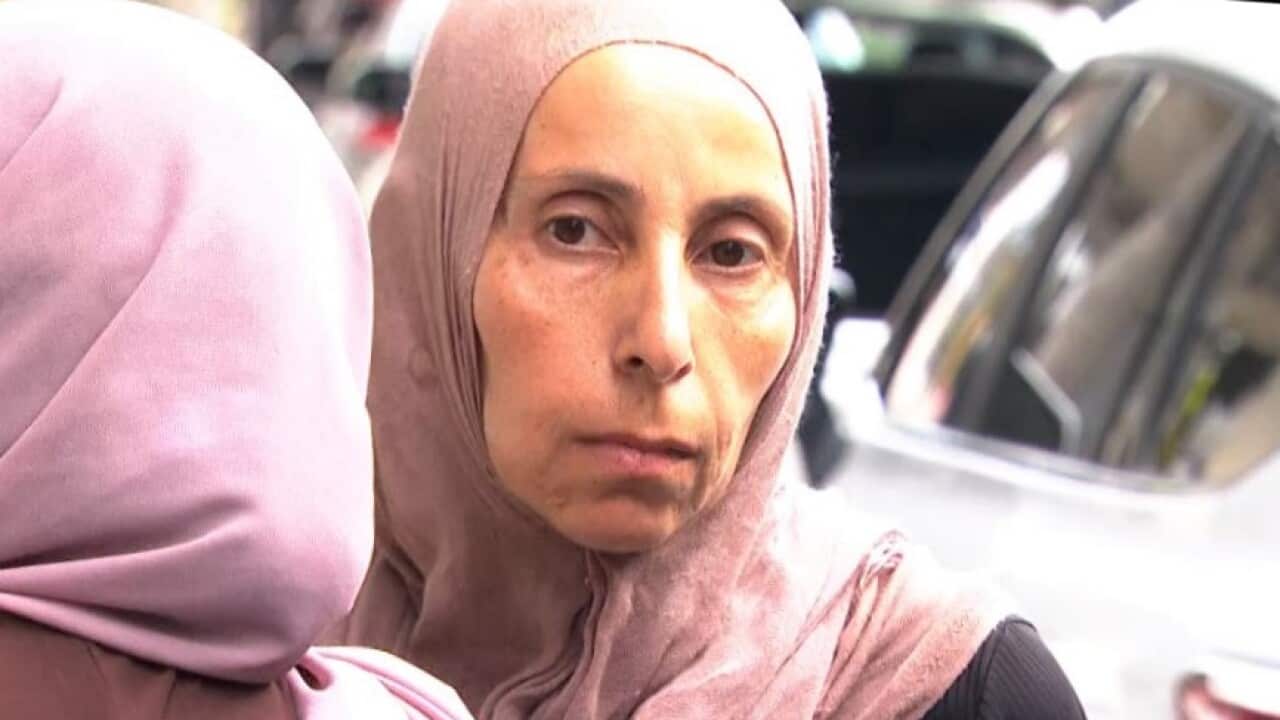
"This food has saved my life," said Dani, among the grateful recipients.
Some have travelled for hours on public transport to collect the free food staples.
Among those waiting is Joumana Kartabeel from Lebanon, who is struggling to raise two young children after her husband died.
"Life is very difficult and it is very hard to make ends meet," she told SBS Arabic.
"The food in this hamper will help feed us and allow me to cover other living costs."
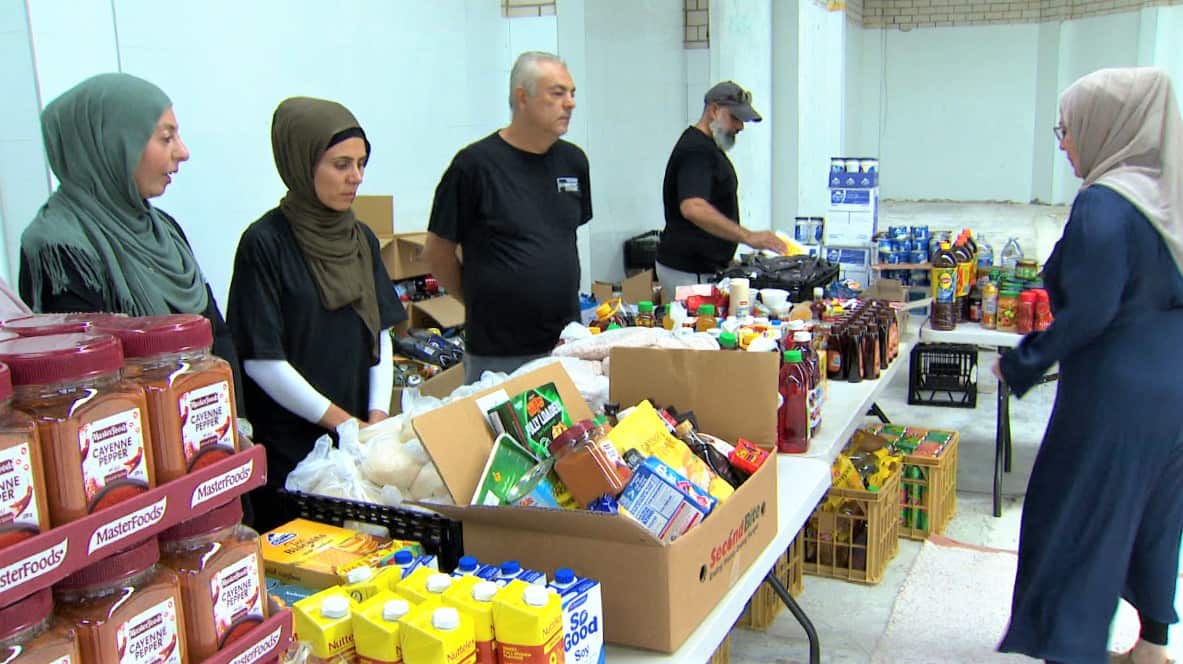
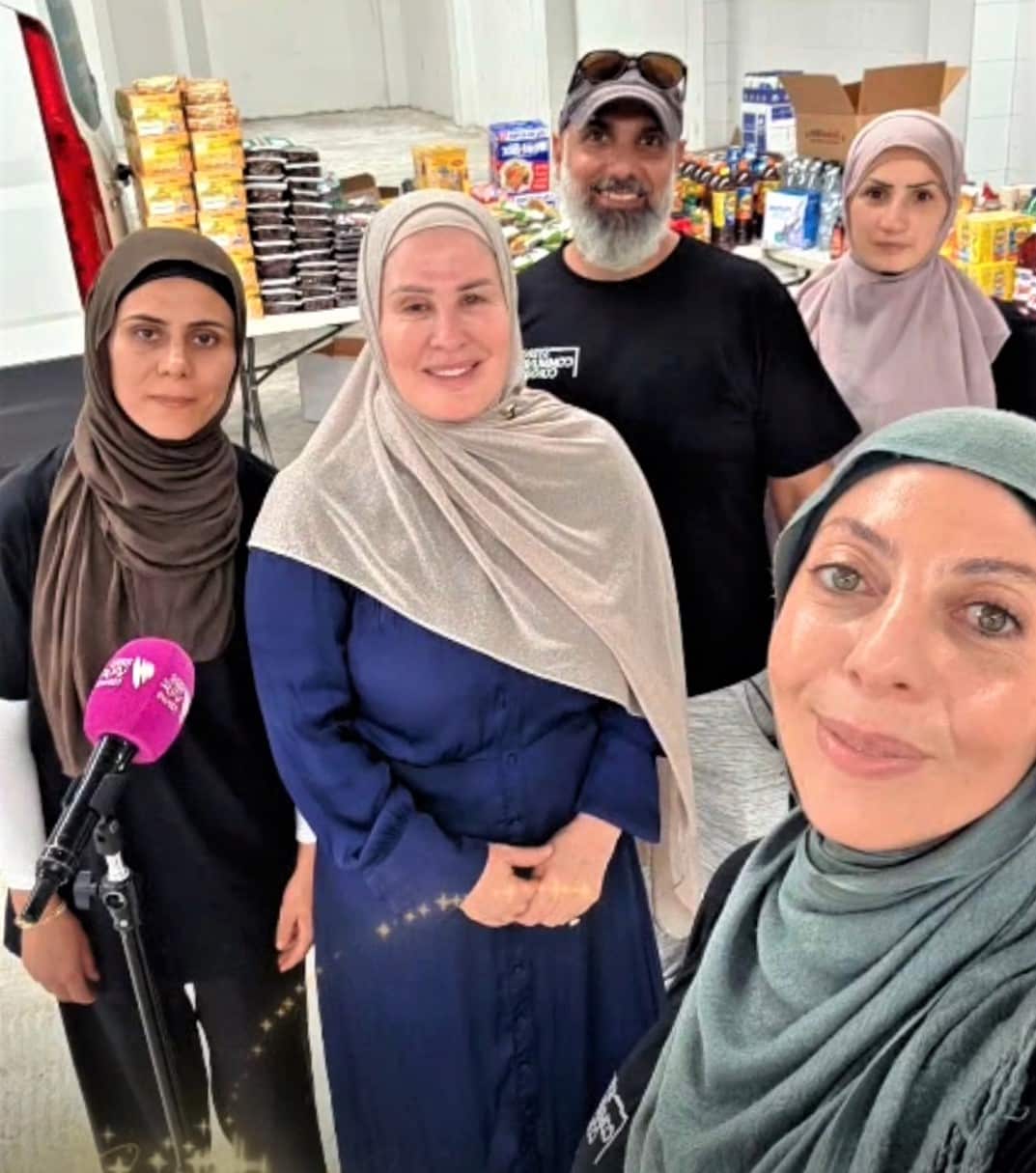
Kartabeel is among thousands supported by Sydney Community Connect, a charity that helps vulnerable communities, including refugees and people at risk of homelessness.
Joumana Menzalji, the charity's president, said during the fasting month of Ramadan, the focus is on feeding families in need.
"So, we are distributing free food for everybody," she said.
For many families, support like this comes at a time of rising living costs.
Conflict and the cost of living
Treasurer Jim Chalmers has warned price hikes in Australia are a likely outcome of economic uncertainty linked to war in the Middle East.
Experts say a spike in global fuel prices, including petrol, diesel and gas, could drive inflation higher and worsen the cost of living pressures affecting many families.
Lochlan Halloway, a strategist at data and analytics company Morningstar, said: "If we see a sustained rise in oil prices, people in Australia will likely pay more for petrol as well as other indirect costs, like transport."
He further warned if the war drags on and the critical Strait of Hormuz — a vital waterway through which about 20 per cent of the world's crude oil and natural gas typically passes — remains closed, it could have far-reaching effects on oil prices and global growth.
While Australia's economy is growing at an annual rate of 2.6 per cent, according to December quarter data from the Australian Bureau of Statistics, the benefits are not reaching all households.
Foodbank, the country's largest food relief organisation, reports one in three Australian households experienced food insecurity in the past year.
At this Sydney-based charity, the struggle to feed a family has a very human face.
"Sometimes it brings tears to my eyes when I see a man come in asking politely: 'I need to help my family, but I am embarrassed because I don't have a dollar in my pocket. Is there any way you can help me?'" Menzalji said.
Frontline services like this are already stretched, trying to keep up with rising demand.
Menzalji said the charity has been overwhelmed by requests over the past year.
"It was shocking to us," she said.
"The community tries to help and people are very generous despite the difficult circumstances, but they are giving much less than they did previously."
The federal government is developing a National Food Security Strategy to help ensure a sustainable, resilient, and secure food system.
The strategy is overseen by thought-leaders at the National Food Council, including Andrew Henderson, a senior fellow at the Australian Strategic Policy Institute.
He said the conflict in the Middle East was evidence that Australia needed a food strategy that guaranteed the security of basic things such as liquid fuels.
"We are going to see an increase in fuel prices, absolutely. But if war drags on, we are going to see a decrease in supply of goods such as fertiliser, and that will potentially have flow-on impacts," he said.
"Imagine what would happen when people really have problems accessing food on the supermarket shelves?"
"We do not want it to get to that, so we need to take a very calm and methodical approach and plan to mitigate that risk."
In an article for The Strategist titled Australia's Food Security Needs National-Security Frameworks, Henderson highlighted the country’s vulnerability: Australia exports 70 per cent of its food production while facing significant domestic food insecurity.
"The Australian government is clear on the threats that we face. Australia can no longer rely on the traditional 10-year strategic warning time for conflict," he wrote.
"Lifting Australia's ability to feed itself and its neighbours is as important as strengthening defence and expanding national resilience."
Charities streched as need grows
Frontline charities like Sydney Community Connect are struggling to fill the gap for families struggling with rising interest rates and food prices, but demand far exceeds supply.
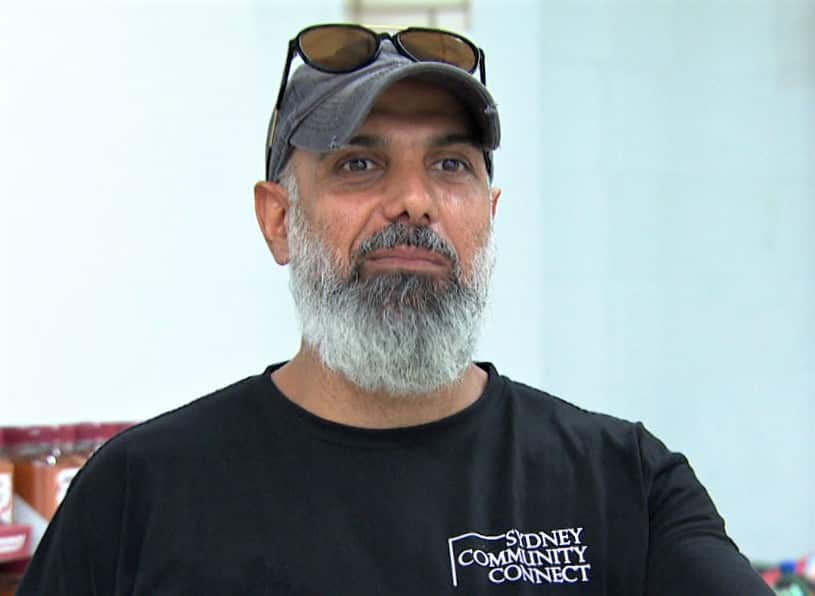
Omar Jabouri, a Sydney Community Connect volunteer and former recipient of food boxes, takes pride in packing staples at its warehouse in Sydney's Greenacre.
"It is a beautiful feeling to put a smile on the face of someone in need," he said.
A full hamper, valued at $150, can free up cash for other essentials such as children’s education or clothing, Menzalji said.
"The need is increasing, the number of people demanding support is increasing.
"We can't support as many people as we want to, but we try our best.
"We don't want to disappoint anyone," she said
This story was produced in collaboration with SBS Arabic.
For the latest from SBS News, download our app and subscribe to our newsletter.

Sharing business secrets of inspiring entrepreneurs & tips on starting up in Australia's diverse small business sector. Read more about Small Business Secrets

Have a story or comment? Contact Us