
Robert Mackenzie is a sustainable cattle farmer, raising 3,500 premium commercial cows for sale locally and worldwide.
"China is a key part of our operation," he said, looking over a herd of Black Angus heifers grazing in a lush field.
"Every month, China takes roughly 10 per cent of our production," he said.
However, Mackenzie is among Australian cattle farmers reassessing their export strategy, following China's announcement of new trade tariffs from January.
As director of his family business, Macka's Australian Black Angus Beef, he has worked hard for many years to build markets — and trust — in China.
News that makes sense
Your trusted source for staying up-to-date with the world around you. Get free daily news updates and analysis, straight to your inbox.
"For us, and the whole meat industry, it came as a shock. It is very disappointing," he said.
"Personally, I've been to China 16 times in 10 years, so that shows our commitment to China."
Chinese television has even featured a live cross to his Salt Ash property, in the NSW coastal area of Port Stephens.
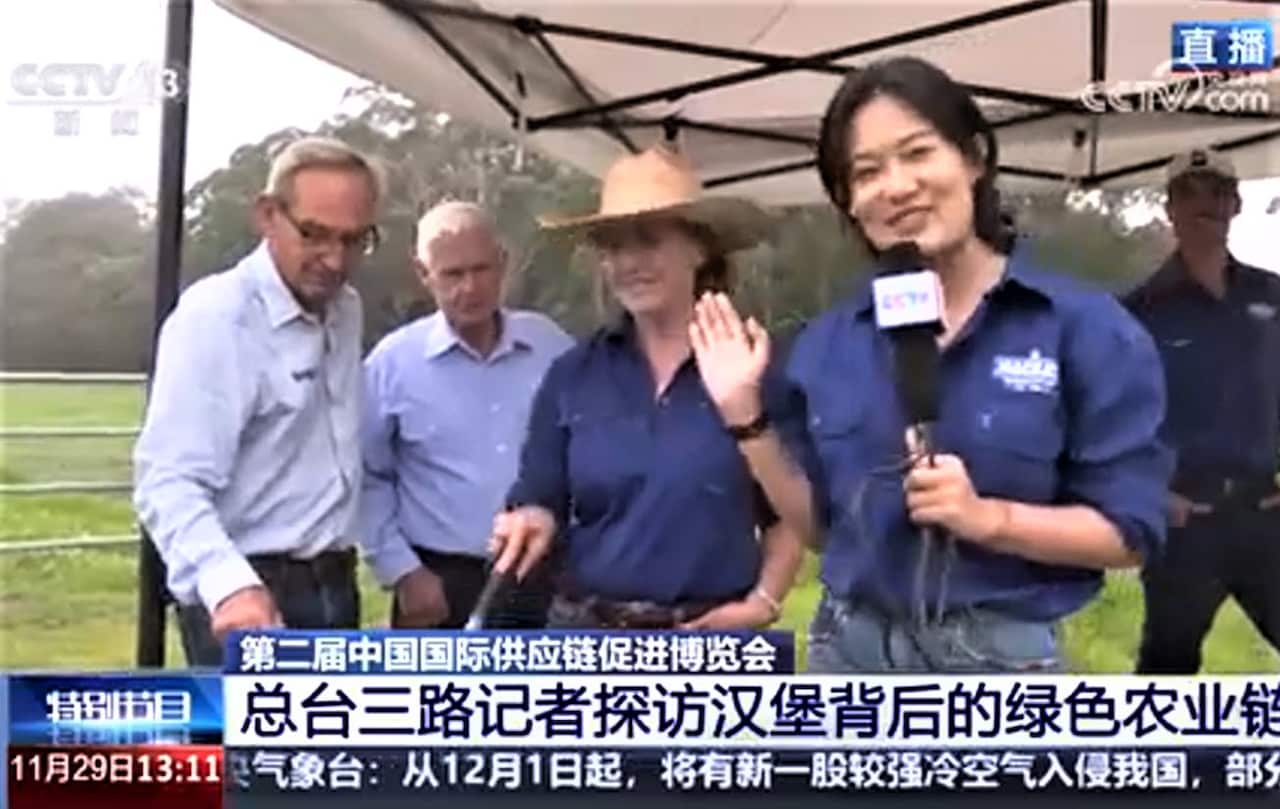
"To be featured on Chinese TV, with 80 million people watching my family, my father, cook Australian red meat in the paddock right here was humbling," he said.
"And it goes to show how much China values our quality beef."
However, from January, China's new rules will add a 55 per cent tariff to Australian beef imports exceeding specific quotas.
The Australian Meat Industry Council (AMIC) predicts an industry-wide financial hit of up to $1 billion.

"One billion dollars is a lot of beef to redirect at relatively short notice," said AMIC CEO Tim Ryan.
"And particularly as beef supply chains are based on long-term decisions. These animals are produced for specific markets and are grown over multiple years."
AMIC is the peak industry body representing the post-farm gate meat industry, including processors, smallgoods manufacturers, wholesalers and distributors through to independent retail butchers and exporters.
Australia exported almost 300,000 tonnes of beef to China last year. Ryan said the new tariffs may cut this by a third, creating a surplus that is hard to redirect or reabsorb.

"The last time I looked, there's not another China out there on the world market," he said.
"So, it is really hard to replace a destination with the same scale and wealth of consumers."
Ryan said AMIC was "extremely disappointed" by the announcement from China's commerce ministry on trade-limiting safeguard measures on all Chinese beef imports from January 2026.
"Australia is a major supplier of beef into the China market and over the last couple of decades, Chinese consumers have learned to love Australian beef," he said.
"So, it hurts Australian producers that have made management decisions to target the China market specifically and those producers will have to reconsider their business model going forward," he said.

China's new tariffs aim to protect its local industry, limiting beef imports from several countries, including Australia.
Major beef exporters Brazil and Argentina are reported to be working on their own self-managed China quota management plans.
"Under China's new trade measures, Australia will be limited to about 205,000 tonnes of beef into the China market before 55 per cent tariffs are triggered," Ryan said.
"Beyond that, trade may be prohibitive for many exporters."
Charcoal Chen is a China-based sales manager for an Australian cattle farm, with more than 20 years' experience.
He expects exporters of premium beef like Black Angus and Wagyu to be hit hardest.
"The lower-end, grass-fed products are not heavily affected," he said.
"The biggest impact will be on mid to long-term grain-fed products, such as F1 Wagyu, where volumes are relatively large."
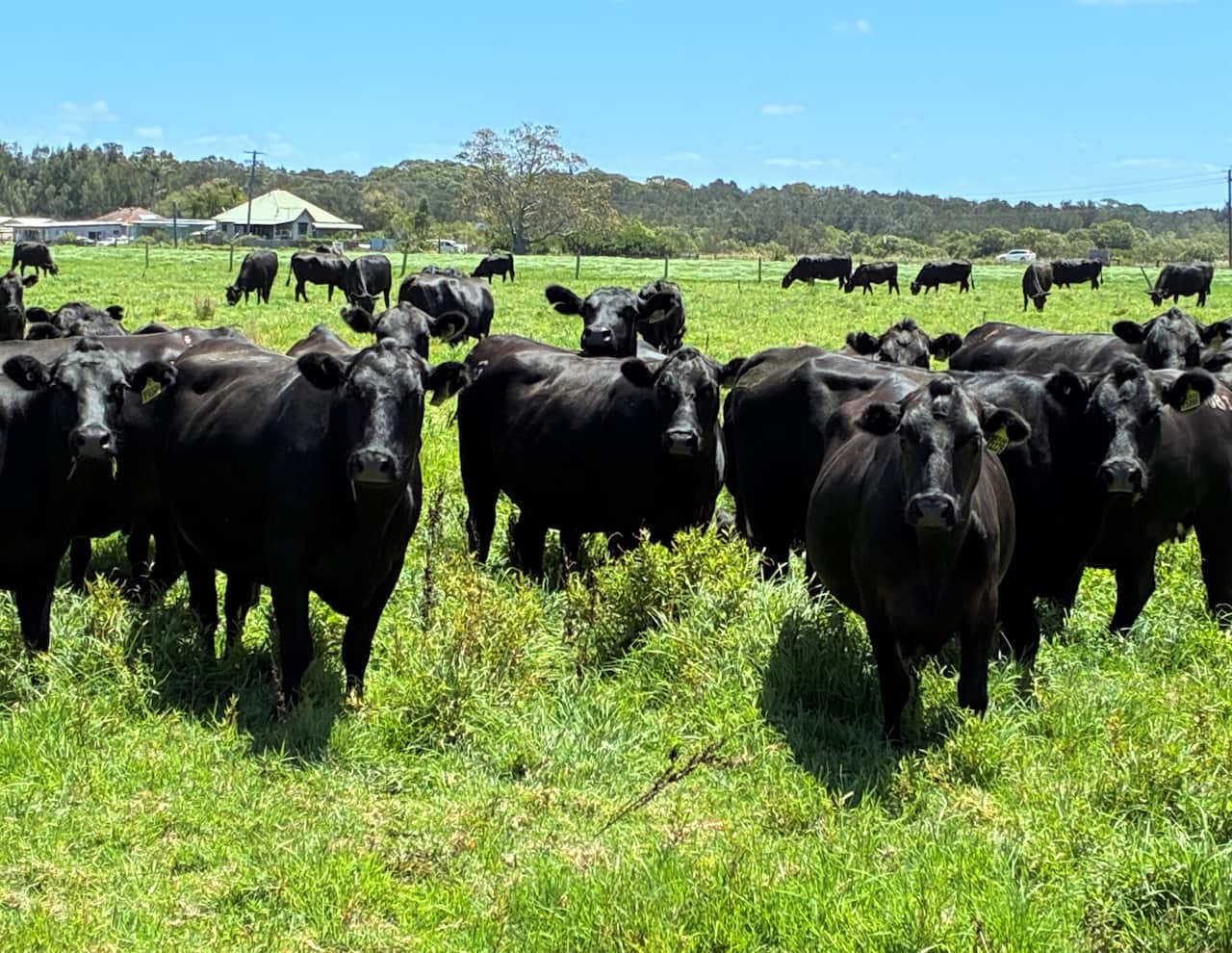
This shift is forcing producers like Mackenzie — who has cattle already fattening in feedlots — to explore new options.
"Our cattle are grass-fed grain-finished. But those animals go into the feedlot for up to 200 days.
"And this has definitely put a speed bump in front of our operation. We now need to scramble and work out exactly what are we going to do?"
Mackenzie said one option is to negotiate a managed tonnage quota out of Australia, so that each producer selling in to China is allocated a set amount.
"Or perhaps we split the tariff in different ways, so we absorb some and the distributor and consumer absorb the rest."
Chen said exporters of chilled beef, which has a shorter shelf life, will be among the first to adapt.
"Some distributors will encourage chilled-beef customers to switch to frozen products and increase frozen purchases in the first half to fill the supply gap later in the year," Chen said.
"I expect the higher tariff will be enforced in the third quarter, around July or August 2026," he said.
Chen said other beef-producing countries and big Australian producers are moving swiftly to secure market share.
"It is survival of the fittest. If you hesitate and wait, you will be eliminated," he said.
"Producers will have to adjust, whether by changing sales strategies, redirecting products to other markets, or absorbing them domestically."
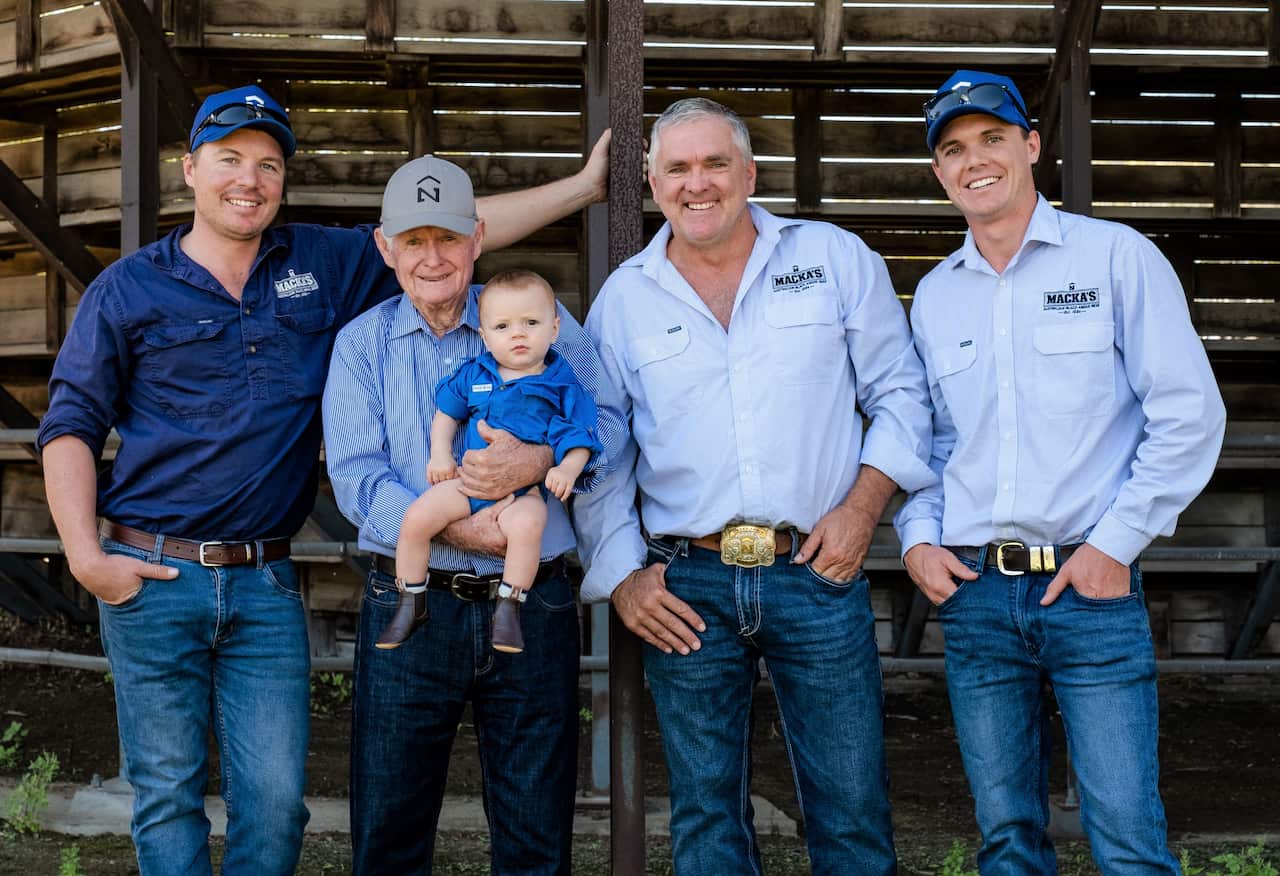
It's a challenge for family-run beef businesses, like Macka's.
"We have worked extremely hard as a family since 2015 to develop that China market, supplying a high-quality product from paddock to plate," Mackenzie said.
"And we have spent a lot of money in China.
"So, it is not as simple as just going out and finding another market."
This story was produced in collaboration with SBS Chinese.
For the latest from SBS News, download our app and subscribe to our newsletter.

Sharing business secrets of inspiring entrepreneurs & tips on starting up in Australia's diverse small business sector. Read more about Small Business Secrets

Have a story or comment? Contact Us







