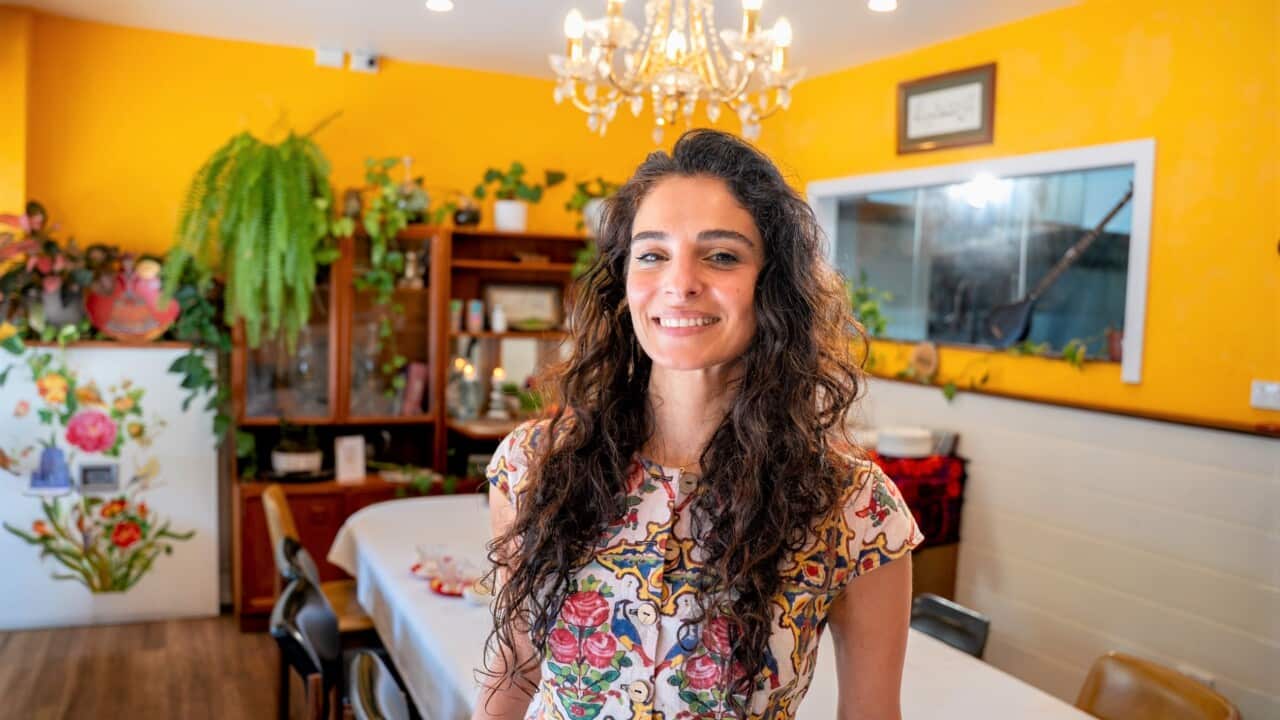
Fragrant rice bubbles in the kitchen, its saffron steam curling into the dining room of a small Persian restaurant in Sydney's north — a quiet, sensory reminder of a celebration that, for many, carries both joy and grief this year.
In the kitchen, staff are busy preparing for Nowruz, the New Year celebrations in Iran.
"Traditionally, we celebrate with a popular fish dish," Tida Persian restaurant co-owner Parya Zaghand tells SBS News.
"Fresh herbs are mixed in with saffron rice, and in Iran, we use beautiful fish from the Caspian Sea. Here, we get barramundi."
This weekend, customers will gather to share meals and give gifts in a tradition stretching back thousands of years, celebrating the spring equinox.
News that makes sense
Your trusted source for staying up-to-date with the world around you. Get free daily news updates and analysis, straight to your inbox.
"For us Iranians, Nowruz basically means new life, new year, new everything," says Laleh Mirian, a customer at the restaurant.
However, for many in Australia's roughly 85,000-strong Iranian diaspora, this year's festivities are also tinged with sorrow.
"We have very mixed feelings, very scary feelings, because war has caused such devastation," Mirian says.
As missiles and bombs fall across the Middle East, many fear for loved ones, especially those living in Iran. Zaghand's family lives just outside Iran's capital, Tehran.
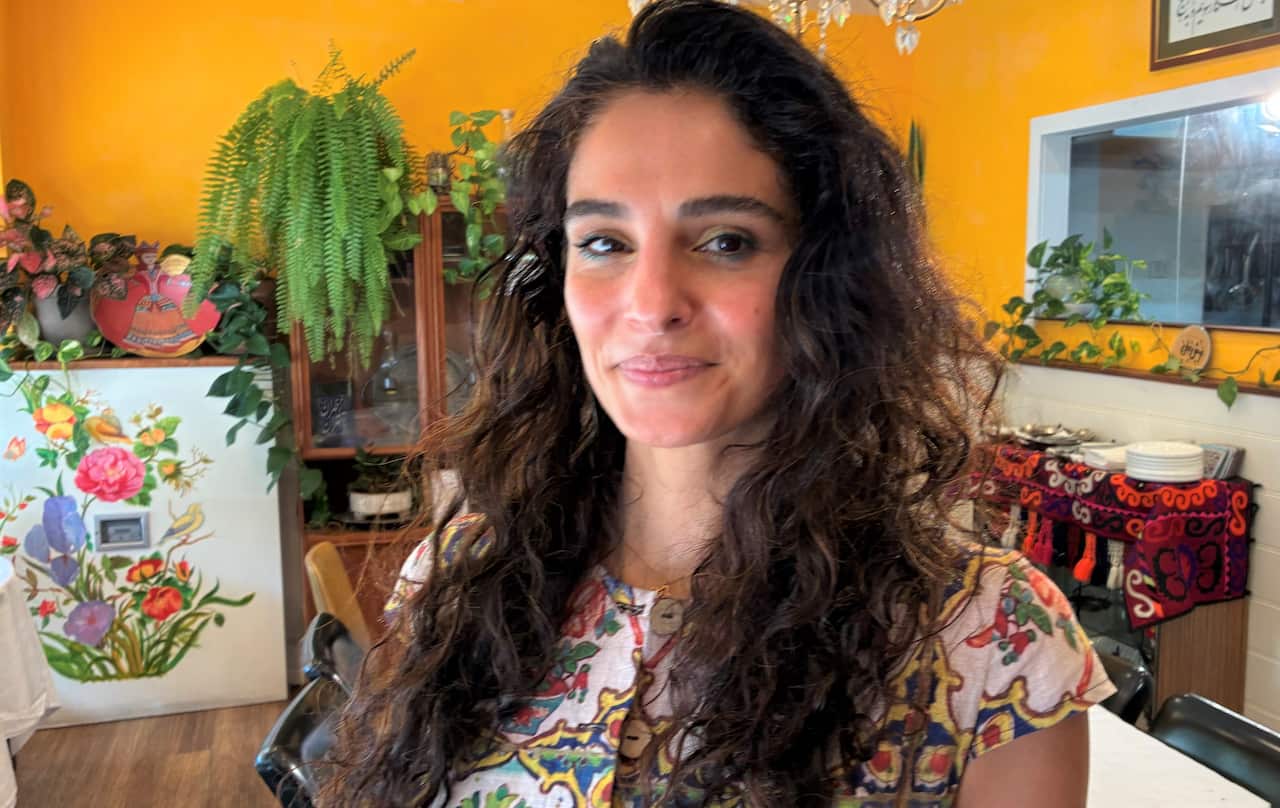
"I haven't spoken to mum and dad for days," she says, her eyes filling with tears.
"We wake up every morning to read news of bombs falling right around the corner from where my parents live.
"There is so much uncertainty at the moment."
The regional conflict closely follows the mass killing of protesters across Iran earlier this year. Thousands more civilians remain in detention in Iran's prisons.
At least 7,000 people were killed during the protests, according to the United States-based Human Rights Activists News Agency (HRANA), which is investigating another 11,700 suspected deaths.
Iranian authorities have disputed these figures and say the number of casualties is just over 3,000, including security forces personnel.
Community is going through 'traumatic' times
Queensland-based academic Rana Dadpour, spokesperson for advocacy group AusIran, says Nowruz holds a deeply symbolic role within the Iranian Australian community, representing a time for mutual support, solidarity and coming together.
"Our community is going through a very traumatic experience after everything that has happened in Iran, including the January massacres, where thousands of people were killed," she tells SBS News.
In recent weeks, an internet blackout in Iran — following 28 February US-Israeli strikes — has disconnected millions worldwide from their families and Iranians from the outside world.
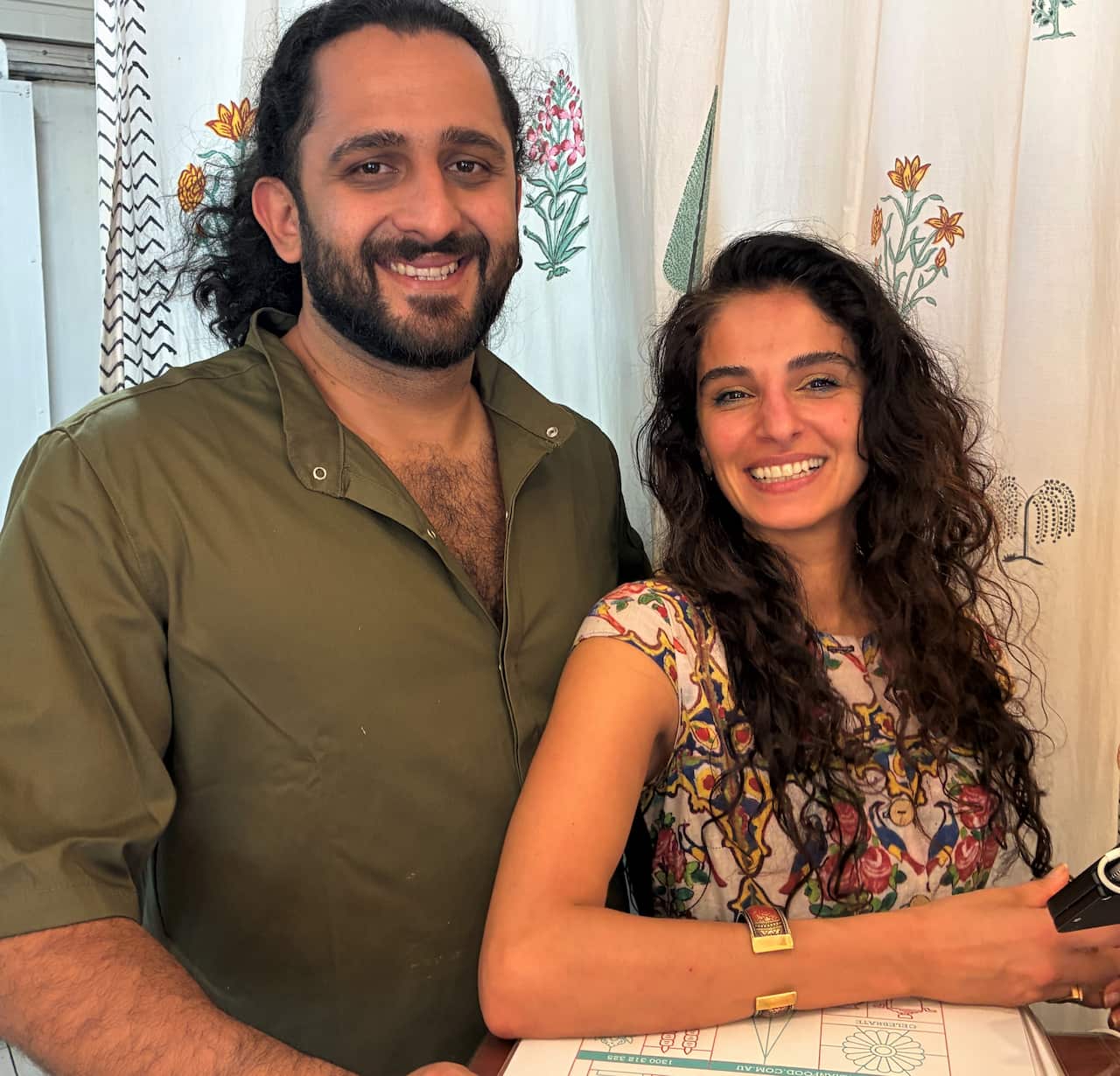
Zaghand migrated from Iran in 2008 and, three years ago, opened the restaurant with her partner, Milad Amiri. She says retaining a connection to culture brings comfort amid uncertainty.
"Emotions come and go like the wind and friendships are falling apart in the community, because people are going through grief, anger and rage," she says.
"So, it is more important than ever that we sit together, we eat, we laugh, we cheer and we celebrate."
What is Nowruz?
Nowruz — No-Ruz or Farsi for "new day" — is an ancient festival celebrating the first day of spring in the Northern Hemisphere. It is observed on the day of the spring equinox, when the day and night are of equal length, which usually falls between March 19 and 21.
The festival is rooted in Zoroastrianism, a religion practised in ancient Persia that predates Christianity and Islam.
Nowruz includes family gatherings and parties with lots of special food and poetry to welcome the new dawn. The celebrations last 13 days and offer an opportunity to reflect on the past and set intentions for the future.
"Nowruz is about staying together and being with the family and keeping the flame of that tradition alive," Zaghand says.
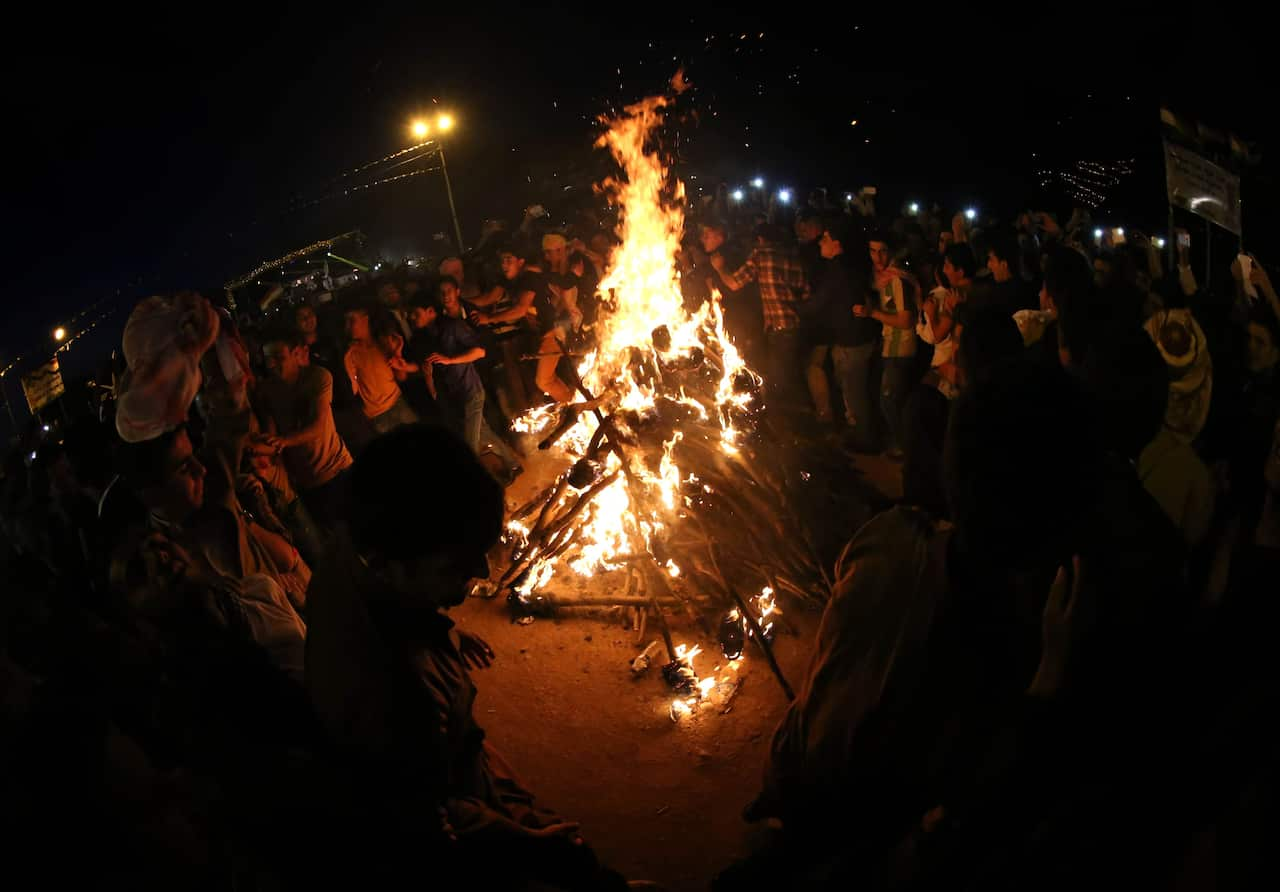
In the lead-up to Nowruz, many people take part in the vibrant tradition of Chaharshanbe Suri, jumping over fires in a symbolic act of renewal. The ritual is believed to burn away the hardships and negativity of the past year, making way for a fresh start.
Fire itself holds deep spiritual meaning, especially in Zoroastrianism, where it represents warmth, energy, and the creative power of the divine.
Despite its cultural significance, in Iran the practice has faced increasing restrictions. Iranian authorities have long discouraged the celebrations, and this year, public gatherings for fire festivals have been banned altogether.
In Australia, the current conflict has also reshaped how Nowruz is observed. Some community events have been cancelled or postponed, while others have shifted focus toward solidarity and mutual support.
Even so, many families continue to honour the occasion at home, maintaining cherished traditions such as setting up a Haft-Seen table adorned with symbolic items that reflect hope, renewal, and prosperity.
"We put seven things [on the table] that start with the [Persian] letter 'S' in Farsi," Zaghand explains.
"Sumac [Persian spice], for example, which brings zest of life, which is the renewal of life.
"We also have a tub of wheatgrass sprouts, the green shoots called Sabzeh symbolise the rejuvenation of nature."
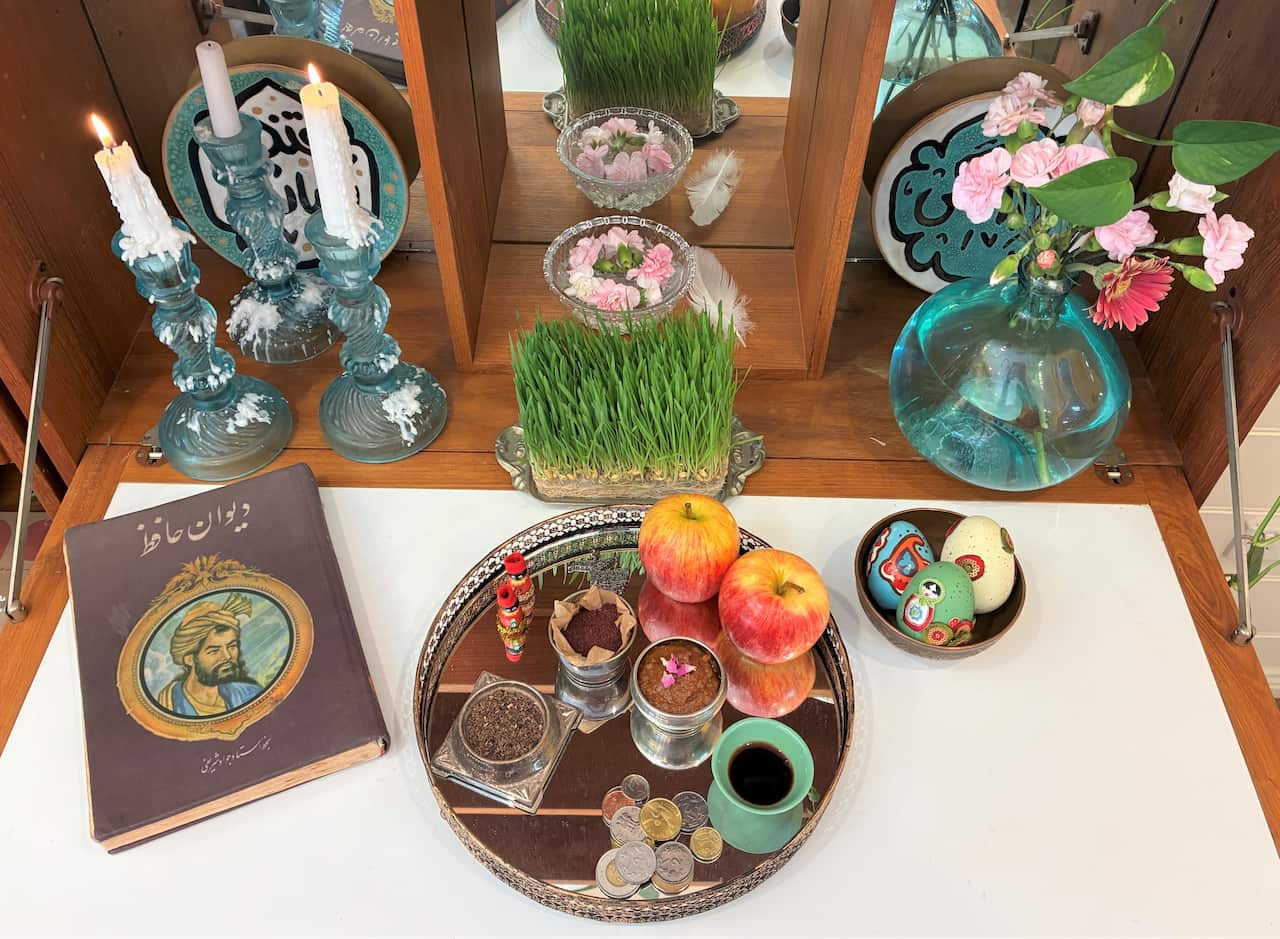
For many, celebrating Nowruz is not about ignoring pain and loss but protecting what generations have fought to defend.
"These traditions have, for thousands of years, remained part of our identity," Zaghand says.
Of kindness and community
Across the world, more than 300 million people from diverse ethnic, linguistic, and religious backgrounds are taking part in Nowruz celebrations.
Dadpour says eating together and reading poetry with loved ones late into the night helps ease anxiety during the ongoing war in the Middle East.
"Cultural and historical celebrations really help people to overcome fear and loss," she says.
"Nowruz also helps people to get closer, to show kindness to each other and to realise that they are not alone and the community."
Hope for renewal
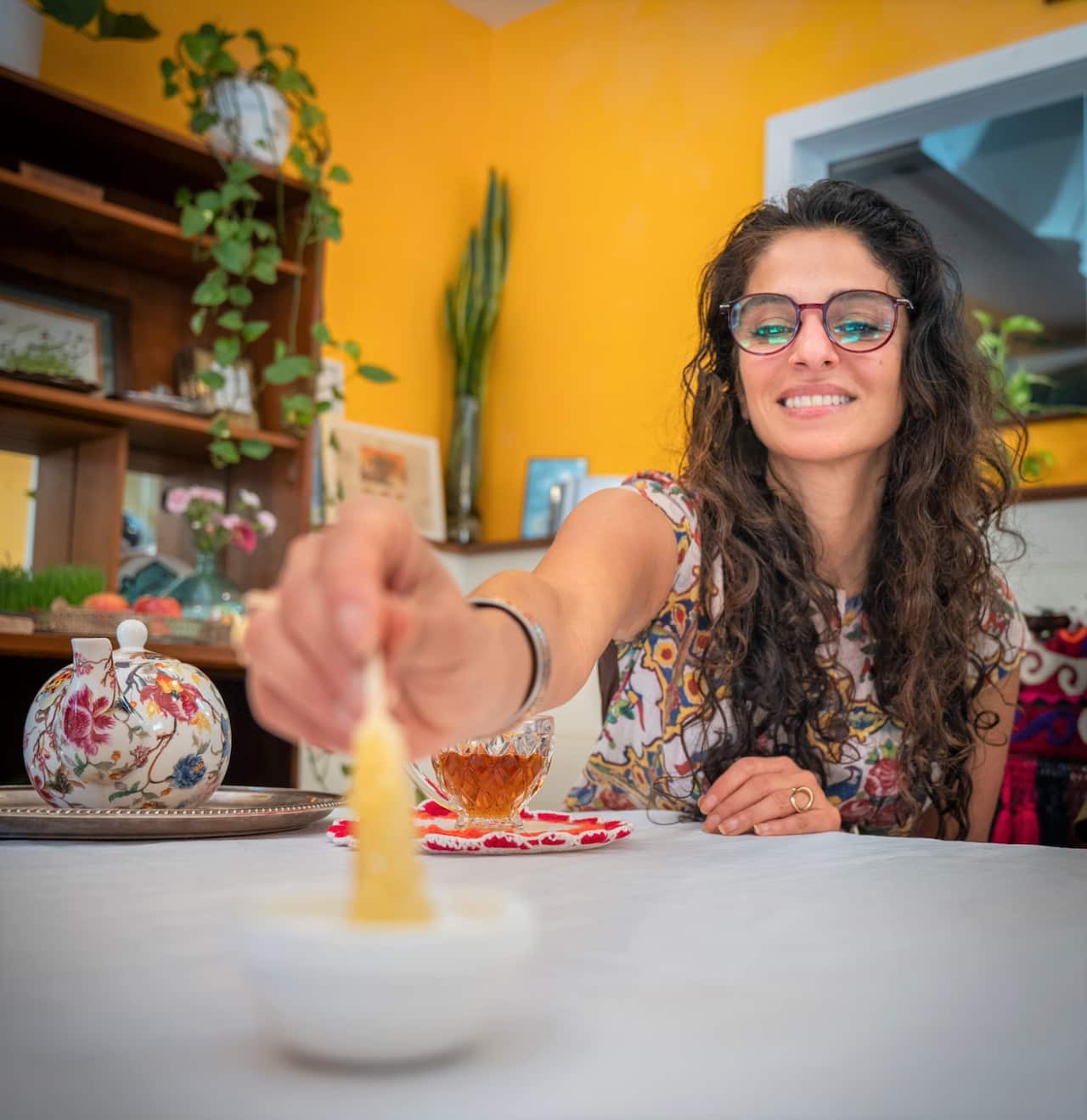
Zaghland is among those hoping that spring in the Northern Hemisphere leads to positive change in a troubled region.
"There has been so much loss, so much blood that has been shed. But spring doesn't wait: winter ends, and Nowruz always comes, for us to celebrate life again.
"So, this year we are honouring people who have lost their lives for the betterment of the future of our motherland, Iran."
For the latest from SBS News, download our app and subscribe to our newsletter.

Sharing business secrets of inspiring entrepreneurs & tips on starting up in Australia's diverse small business sector. Read more about Small Business Secrets

Have a story or comment? Contact Us







