
This story contains references to suicide.
Lauren Leslie Carr says she met the love of her life, James, "the old-fashioned way".
Their paths crossed in their early 20s at their local Brisbane pub.
"We just talked all night and played pool and he asked for my number, then it just all happened from there. We fell in love."
They'd been married just 18 months when Lauren, aged just 26, lost James to suicide.
News that makes sense
Your trusted source for staying up-to-date with the world around you. Get free daily news updates and analysis, straight to your inbox.
"I knew he had mental health issues and he was getting lots of help, but I never believed that he would do that," Lauren told The Feed.
"I was just shot out into space. My whole world was gone."
Lauren said she and James had just started their adult life together. But in the horrendous aftermath of his death, she felt she was treated like a child.
"Everyone had lots of opinions about what I needed to do and how I was coping. It felt like people didn't trust me, understand me or have patience for what I was going through."
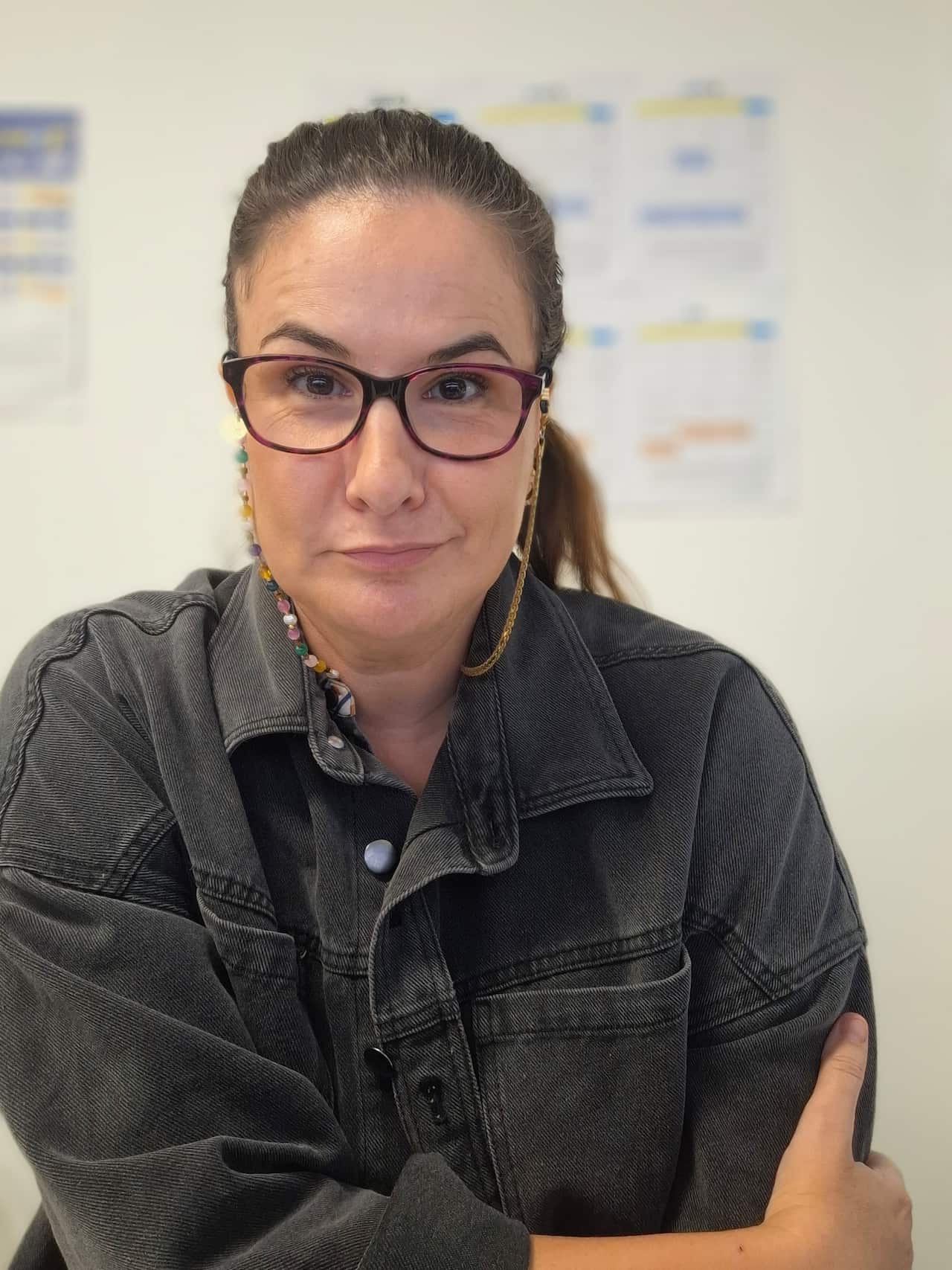
Because she was young, Lauren said she felt people dismissed her loss as a break-up, or told her she had plenty of time to meet someone new.
"In some people's eyes, the relationship didn't have the legitimacy of longevity compared to other relationships so the loss somehow wasn't as great," she said.
But Lauren feels this lack of time spent with James only compounded her grief.
"You see all your friends your age meeting their person, getting engaged and getting married," she said.
"I didn't get to have children with my person, have those anniversaries, travel, have grandchildren and create that history and legacy.
"That future was gone."
'Shock, devastation and hopelessness'
Michelle Moriarty, from Bunbury in Western Australia, met Nathan as a teenager. The sweethearts grew up, got married and had a baby.
"We were living the dream," Michelle told The Feed.
But one night when Michelle was 38, Nathan died unexpectedly.
"My whole life, every single aspect of my life, changed that night. And grief plunged me into a great period of shock and devastation and hopelessness."
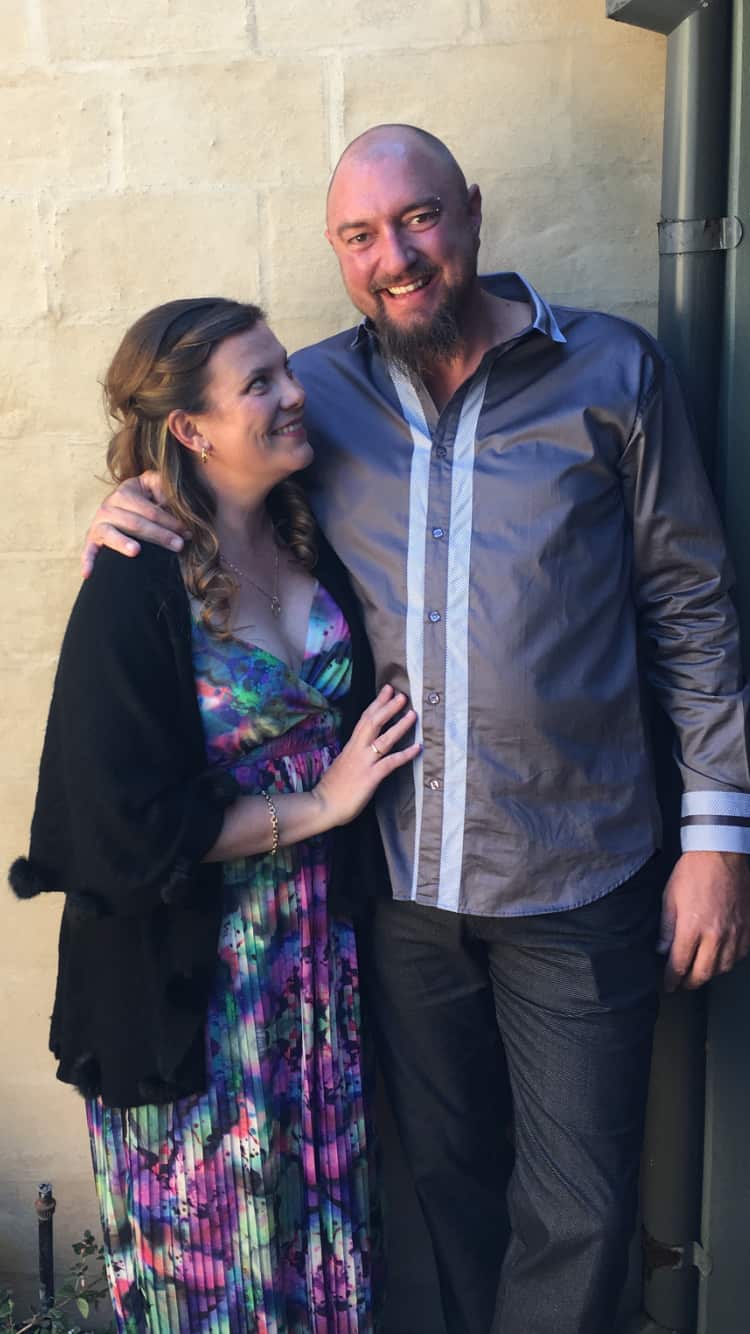
In the immediate aftermath, Michelle worried about how she would keep her house and feed her family. Then as time went on, she felt incredibly isolated — many of her friends were busy with small children, and she stopped getting invited to events with other couples.
"At a young age, people have little experience around how to manage death or speak about it. They don't want to think death is going to happen to them, so they avoid it. And that choice to avoid can be so damaging. On social media, I'd see everyone having a great time at these barbecues that I didn't get invited to."
Michelle also felt completely unprepared for death herself. Nathan didn't have a will in place, which she said can cause "absolute chaos".
Plus, she was suddenly forced to find a new identity.
"I wasn't Michelle and Nathan anymore; I was just Michelle. I had to work out what my own plans would be, and grow that confidence around myself."
Heartbreak and disorientation
Research has found that those who lose a partner before the age of 50 are more likely to experience prolonged grief disorder (when intense and disabling grief lasts more than a year) as well as diminished functioning and depression.
Director and CEO of Grief Australia, Christopher Hall, is a psychologist specialising in grief and bereavement. He said those who lose their partner at a young age often feel out of sync with their peers.
"It's not just about heartbreak; it's about disorientation. Peers are moving on with their milestones, getting engaged, having kids, buying homes, but the bereaved younger widow or widower is just trying to get through the next hour," he told The Feed.
"This creates a loneliness that goes beyond the absence of their partner, but really into the fabric of their daily life. In one event, they've lost not just their past, but also their imagined future."
Practical problems for younger widows and widowers
Tim (surname withheld) from Perth started dating Stef after high school. Stef later moved to Australia from Singapore and the couple created a home and family together.
But when Tim was in his mid-30s and their daughters were eight and five, Stef died suddenly.
"In a second, my life was smashed into little pieces," Tim said.
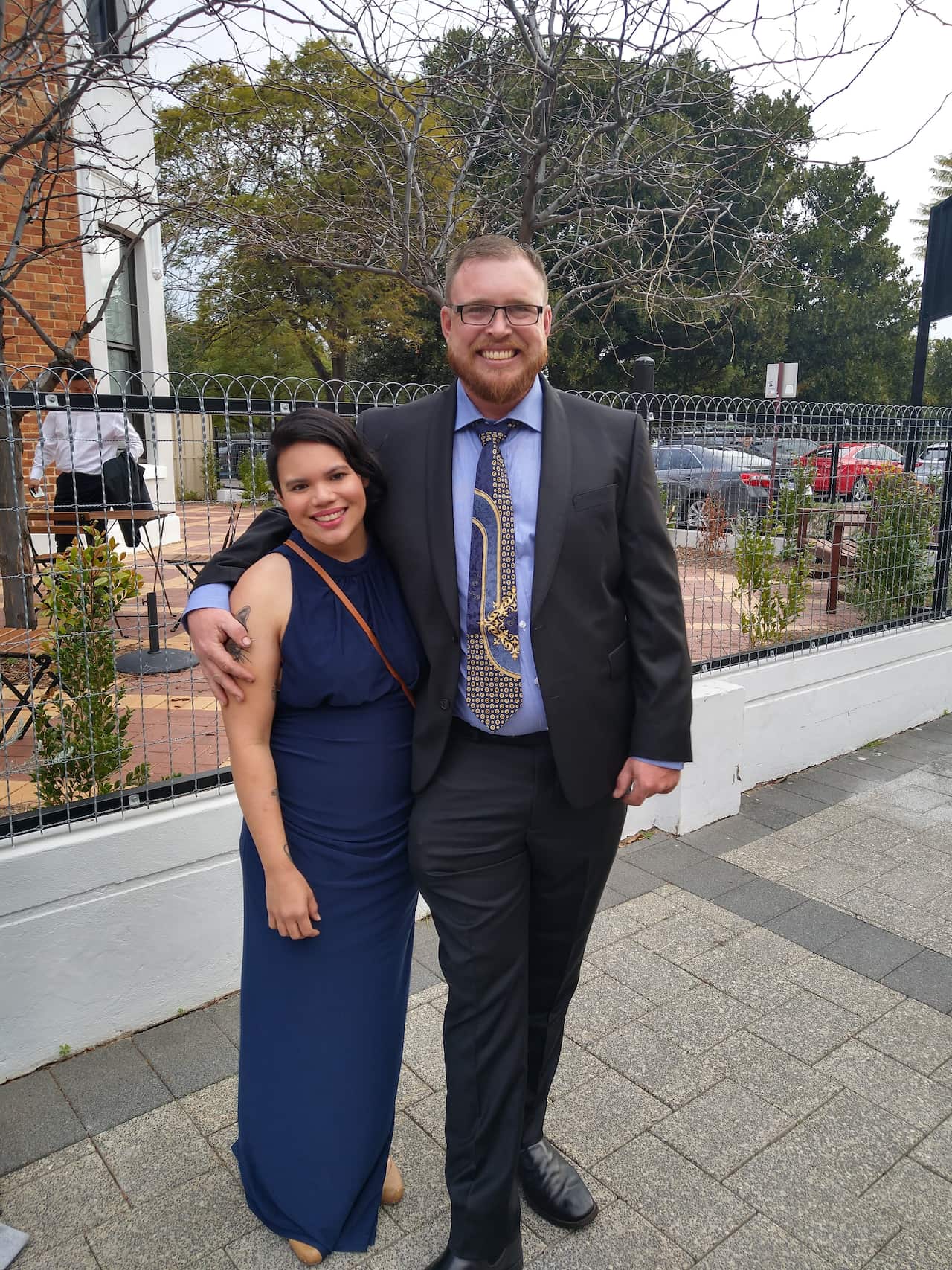
The following months and years were incredibly difficult. Tim felt very alone.
"Being a young widower, especially as a guy, there's just none of us out there, it seems. Getting support from people who felt the same experiences was really hard."
And being young, he felt he didn't have the time to process his loss.
"I went to widow groups of people in their 60s or 70s who said while they were incredibly sad, the house was paid off, they were spending time with the grandkids, and they were spending time focusing on their grief.
"When you're young, you've got kids, you're paying off a house and trying to climb the career ladder, you don't have the luxury of being able to do that; I think that's the hardest thing."
Hall said there can be greater practical problems for younger widows and widowers in terms of financial instability, rental or mortgage stress, disrupted career, single parenting, and diminishing windows around having children — all which can compound psychological distress.
"Their life becomes more profoundly disrupted. Grief at this age is not just emotional, it's also practical, financial, social and existential."
He adds that deaths of people in early adulthood are often sudden, violent and medically traumatic, which makes the grieving process even more complex.
"This can make young people very vulnerable, especially if they have less experience with death and fewer established support structures."
Finding the right support
Hall said young people often seek validation online via those with similar experiences, but these places don't always offer genuine and valuable support.
'GriefTok’, for example, the informal grief-focused corner of TikTok, is awash with people sharing raw, personal videos about losing loved ones, learning to live with loss, and navigating life after bereavement.
The #grieftok hashtag has over 40 million views, while the #youngwidow hashtag has over 50,000 posts.
Everyone's journey is unique, Hall said. He said it's important for young widows and widowers to find a safe space where their grief is seen and recognised.
"Being surrounded by people who love us and get us is really critically important."
Self-compassion is also crucial.
"You need to be compassionate to yourself in the same way that you might be to another person."
Grief is a profound emotion that people don't get over, he said; they simply find a way to carry it.
"I often say to people, if you want to understand the depth of grief, understand the power of love. They're the opposite sides of the same coin.
"Grief is a way people can express that powerful emotion and have it witnessed by others. Grief doesn't need to be cured; it just needs to be witnessed, supported and given space."
Building a new life
Michelle, now 45, said finding the support of other young widows has been a game-changer, which led her to set up the support group Grief Connect.
The organisation has now connected over a thousand young widows and widowers across Australia, who regularly organise their own meet-ups.
"When I explain to them that their grief won't stay the same forever, that it will move and change, you can literally see the relief in them," Michelle said.
She said dating after losing a partner can be challenging, mainly because the new person can feel they can't compete with the person you've lost.
But Michelle says her new husband Ross understands the ongoing importance of her late former partner Nathan in her life. The pair married in November.
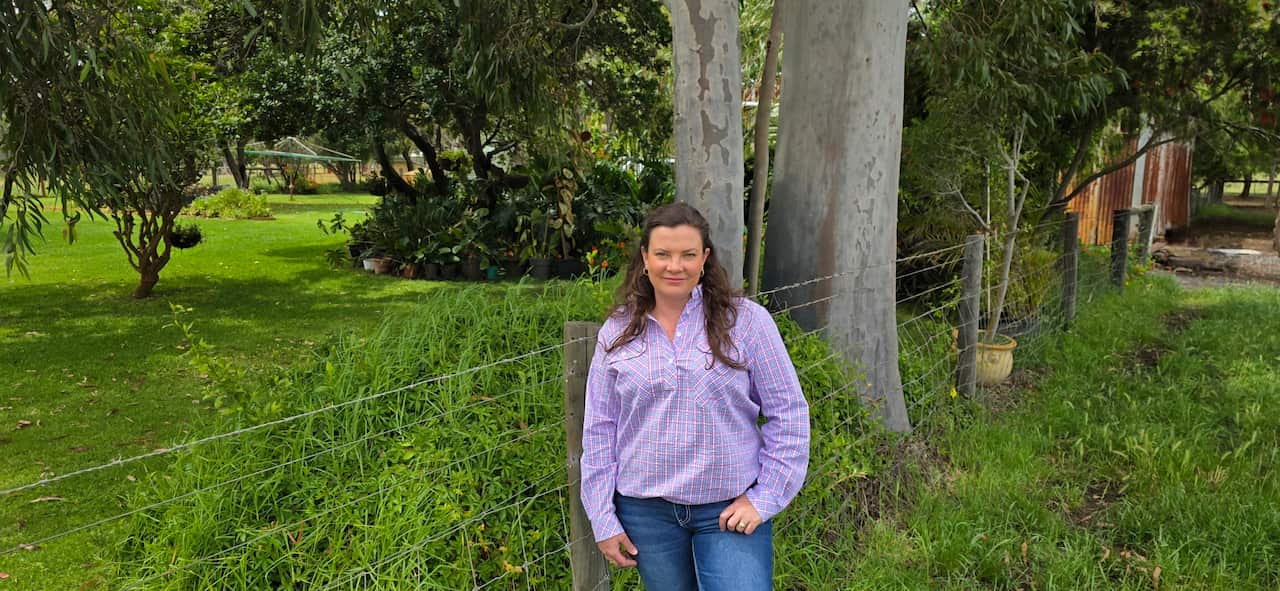
"I will always love Nathan; he's always going to have a special place in my heart. But at this present moment, I'm in love with Ross and we have a really amazing life together on our farm."
Lauren, now 41, says she's been able to accept her loss of James, live with her grief and build a good life, thanks to the support of the First Light Widowed Support charity she co-founded.
But she says she's never been able to find someone else like James.
"My relationships since haven't worked out. James was my person; he loved every part of me. And I've never been loved like that since."
Lauren says James' death has forever impacted the person she is.
"I was always very optimistic and fearless. Now I'm more cautious and anxious. I have experienced life pulling the rug out from under me, and I do live with the fear of it happening again."
She says James remains present in her life. His photos are dotted around her home and her son Max, who she had with the help of a donor, asks questions about him.
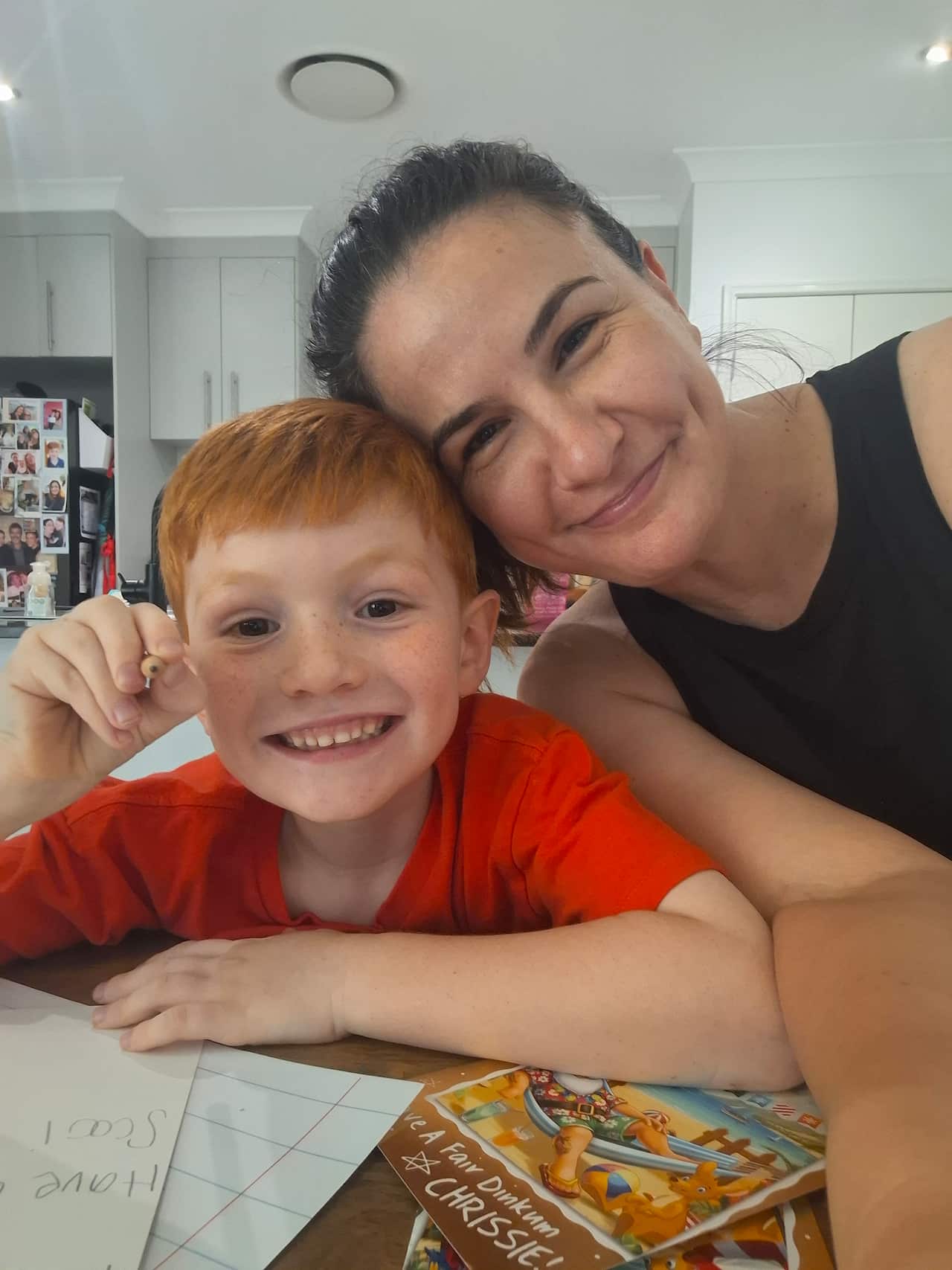
"He understands that I was married and then my heart got broken when James died. Then I had him, which helped fix my heart," she said.
"James will always be a part of Max's story. If I hadn’t lost James, I wouldn’t have Max — and that’s a confusing, complicated thing to hold.
"But I've learned to understand that's what life is."
Readers seeking crisis support can ring Lifeline on 13 11 14 or text 0477 13 11 14, the Suicide Call Back Service on 1300 659 467 and Kids Helpline on 1800 55 1800 (for young people aged up to 25). More information and support with mental health is available at beyondblue.org.au and on 1300 22 4636.
Embrace Multicultural Mental Health supports people from culturally and linguistically diverse backgrounds.

Through award winning storytelling, The Feed continues to break new ground with its compelling mix of current affairs, comedy, profiles and investigations. See Different. Know Better. Laugh Harder. Read more about The Feed

Have a story or comment? Contact Us







