A coronial inquest into the 2023 death of a Western Arrernte woman has found multiple failures in the care administered to her, with NT Health admitting the 34-year-old's death was "entirely preventable".
Kumanjayi Brogus Ungwanaka died from a lack of oxygen, only a few hours after voluntarily admitting herself to the Alice Springs Hospital Mental Health Unit for assistance during a psychotic episode.
Kumanjayi was a mother to three children, from Ntaria Hermannsburg, an Aboriginal community approximately 130 kilometres west of Mparntwe Alice Springs.
She had been diagnosed with schizophrenia in 2014 and had been receiving care in community since then, admitted as a mental health inpatient in 2019 and 2023.
In the days before her passing, Kumanjayi had begun to feel unwell, calling her local Ntaria clinic on November 18 to report that she had "started to feel psychotic".
Kumanjayi and her family attempted recovery in community through the clinic but Ms Brogus Ungwanaka eventually requested to be admitted to Ward 1, the mental health unit at Alice Springs Hospital.
A retrieval team collected Kumanjayi on the November 21. She received medication to calm her for travel. Both the Ntaria clinic staff and the retrieval team identifying and reporting respiratory concerns including a drop in oxygen levels.
'Too many drugs and too little care': coroner
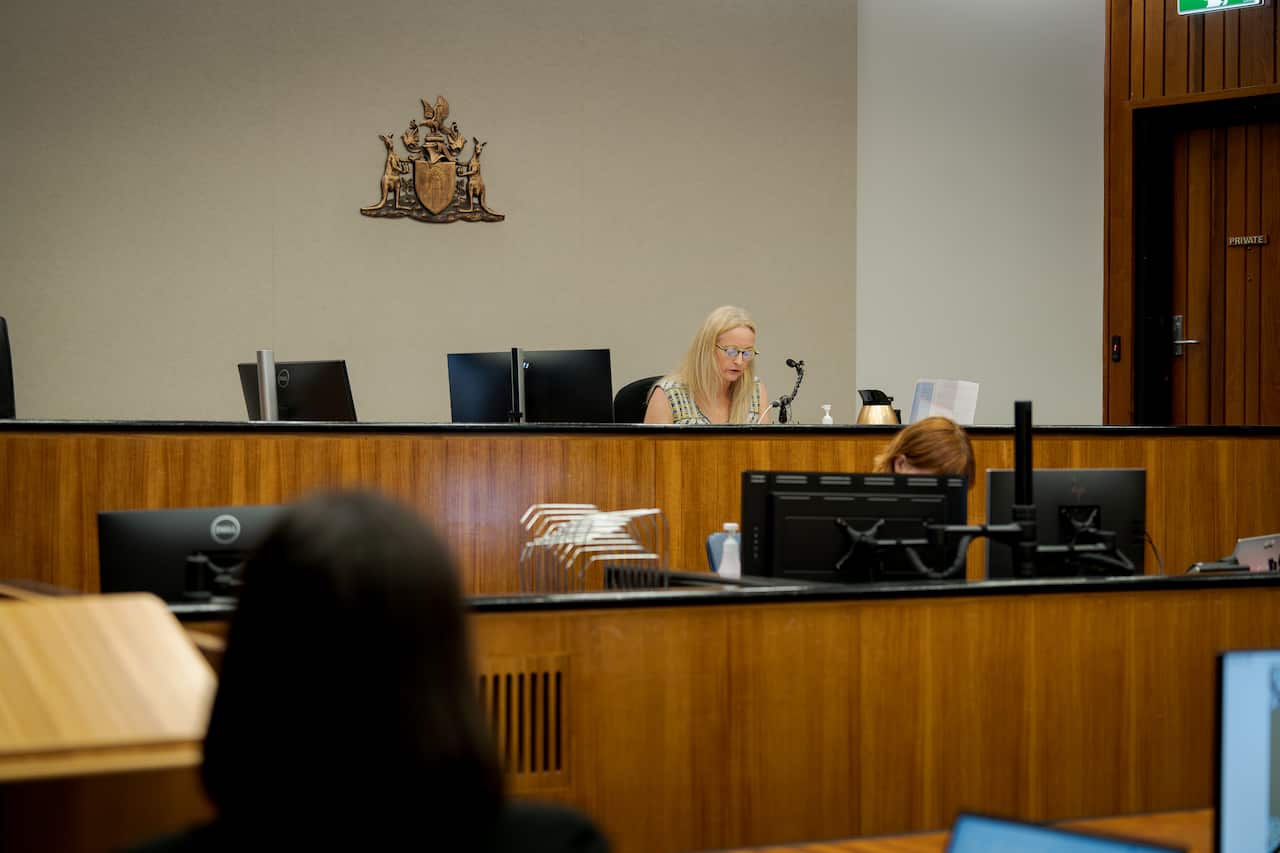
Coroner Judge Elizabeth Armitage told the court that there were failings across multiple areas of Kumanjayi's care at Alice Springs Hospital, including a lack of communication and documentation between staff, over-sedation and a failure to monitor her oxygen levels.
Following retrieval, Kumanjayi arrived at Alice Springs Hospital close to 6.30pm, where sedation was again administrated while the hospital admitted her.
An Emergency Department nurse noted that her oxygen levels were dropping, the third time respiratory issues were identified and managed.
Judge Armitage noted "numerous problems" with Kumanjayi's admission and handover to the mental health unit, including no reconciliation of the medicines she had been administered or a review of her oxygen or breathing concerns.
Following the continued administration of sedatives and anti-psychotics, Ms Brogus Ungwanaka was found unresponsive and died just after midnight on November 22.
The inquest found that Kumanjayi passed away from a lack of oxygen, caused by the accumulation of sedatives and antipsychotics, and a failure by health staff to provide physical monitoring.
An NT Health medicine review found that, by November 21, Ms Brogus Ungwanaka had received 198 per cent of the recommended maximum dose of the medications she received.
In total, Judge Armitage made seven recommendations, including amending all relevant training and policies on rapid tranquilisation.
"There can be no doubt that any form of rapid tranquilisation is a last resort," she said.
In her overview of the case, Judge Armitage also noted the impact of the trauma on Kumanjayi's family and their relationship to NT Health.
"Some members of her family had rightly, and in good faith, encouraged her to go to hospital in the belief and expectation that she would be looked after, would get better, and would come home to them," she said.
"With a proper level of care her death would have been prevented."
13YARN – 13 92 76
Lifeline – 13 11 14
Beyond Blue – 1300 22 4636