In 2023, Professor Anne Poelina PhD watched on as a massive 50-kilometre-wide inland sea inundated her home community at Balginjirr in the Kimberly region of Western Australia.
The devastating flood, triggered by ex-Tropical Cyclone Ellie, was the worst in Western Australia's recorded history.
The Great Northern Highway was washed away in kilometre-long stretches; the Fitzroy River Bridge was destroyed, isolating remote communities and leaving many areas only accessible by helicopter.
"Our homes, sacred sites, gardens, food plants and the graves of our ancestors were submerged," the Nyikina Warrwa and Warlungurru woman said.
"I immediately understood this was not simply a “natural” disaster, but the foreseeable consequence of a warming climate."
More than three years on, Professor Poelina has joined nine other Australians to file an historic legal complaint against the Australian government over the climate crisis.
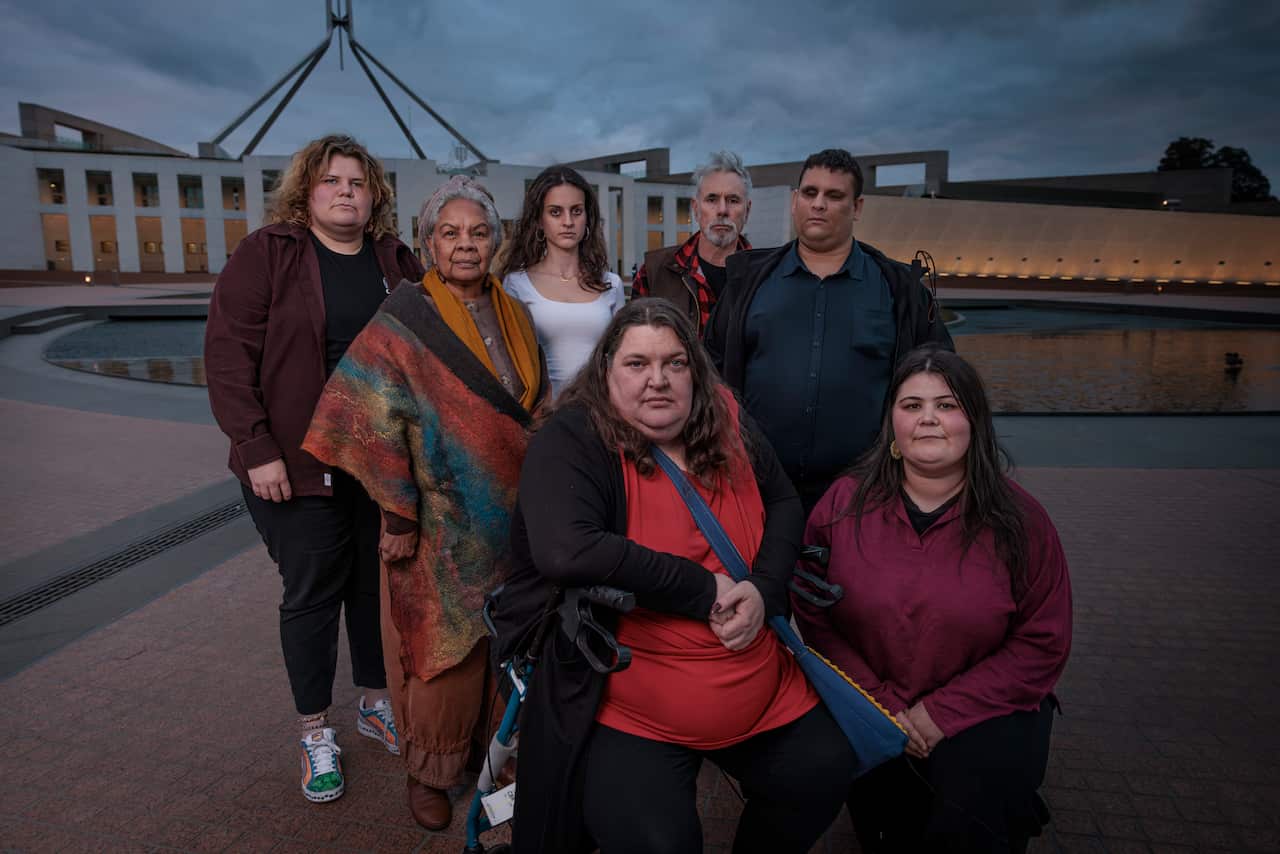
Each of the ten claimants have been impacted by the climate crisis in their own way.
Together they claim their collective harm has been caused by the Australian government's continuing support for fossil fuel export and development.
“Despite decades of scientific warnings, governments continue approving coal and gas projects and I believe this is a failure to protect both people and Country from foreseeable harm," Professor Poelina said.
Case filed with the UN
The case, titled 'Hard Truths', is the first legal claim filed in an international court or body against a country for climate harm since the International Court of Justice last year found that countries have a legal duty to prevent significant harm to the climate.
In May, Australia joined 140 other countries in passing a major United Nations resolution supporting this landmark legal ruling.
The case has been filed with the UN Human Rights Committee, which adjudicates claims against nations for breaches of international human rights.
The claimants argue that by supporting coal and gas companies, the federal government is driving climate harms that violate Australians' rights to life, family, home and First Nations culture.
Australia is one of the world’s largest exporters of coal and gas; around 80 per cent of coal and gas produced in Australia is shipped overseas to be burned.
Hannah White is a Senior Lawyer for Environmental Justice Australia, who are jointly representing the claimants with the Human Rights Law Centre and Earthjustice.
“Our clients want the Albanese government to face the hard truth that successive governments have avoided," Ms White said.
“They are asking the United Nations Human Rights Committee to declare that it’s unlawful for Australia to continue approving and subsidising coal and gas for export without a plan to protect people from dangerous climate change."
The claimants
The group filing the case is made up of Traditional Owners, firefighters, teachers, students, and disability advocates from across the country.
Each say they have been seriously harmed by extreme events such as catastrophic bushfires, unprecedented heatwaves, floods, creeping sea level rise, and algal blooms exacerbated by Australia's coal and gas industry.
Narungga, Ngarrindjeri and Kaurna woman Pam Francis lives on South Australia’s coast, where toxic algal blooms are affecting Sea Country her family has cared for and gathered on for millennia.
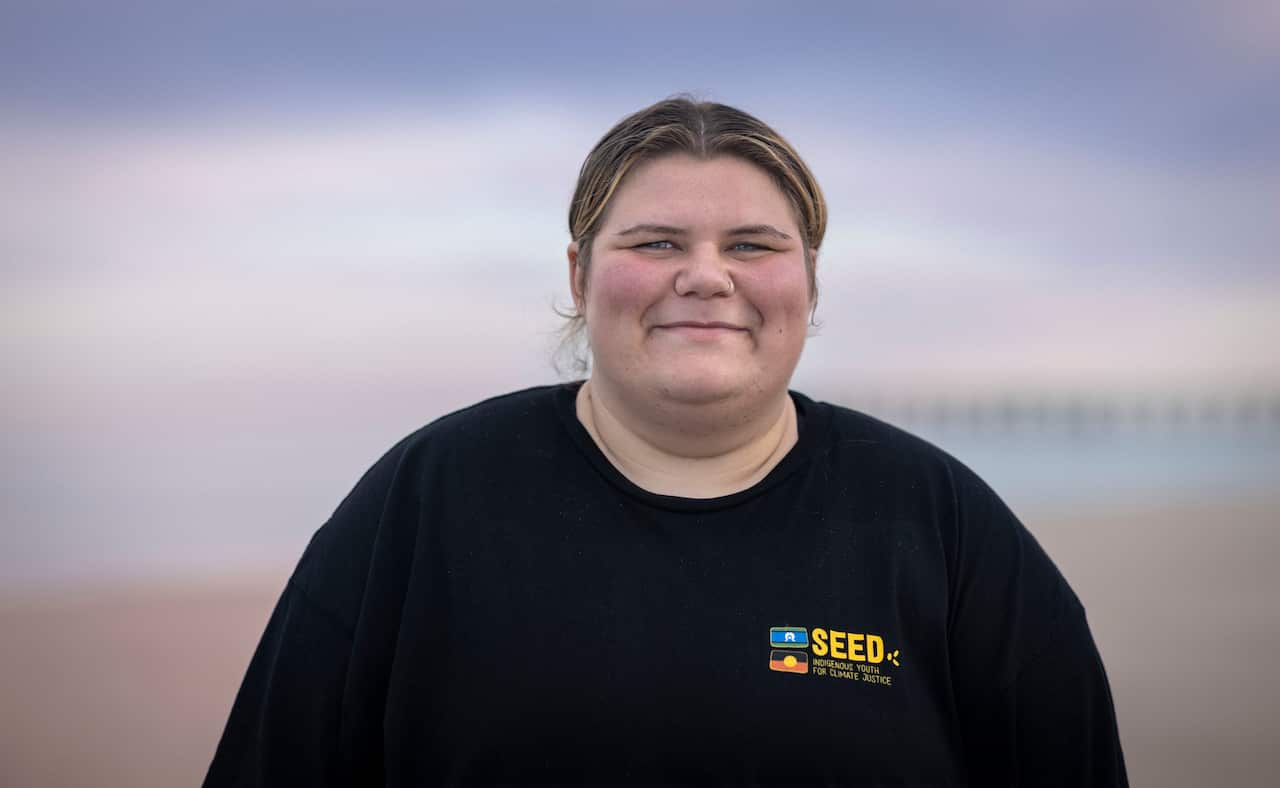
The 25-year-old is a teacher working with young Aboriginal children, while fighting to protect cultural knowledge, language and connection to Country.
"I’ve watched our Sea Country become sick," Ms Francis said.
"This is about much more than environmental damage. Climate change is disrupting the way our culture is lived, practised and passed on."
Brendon Donohue is a legally blind disability and climate advocate from Brisbane.
During the 2022 Brisbane floods, Brendon was trapped alone in his apartment for 10 days after floodwaters shut down his building’s lifts, intercom and front entrance.
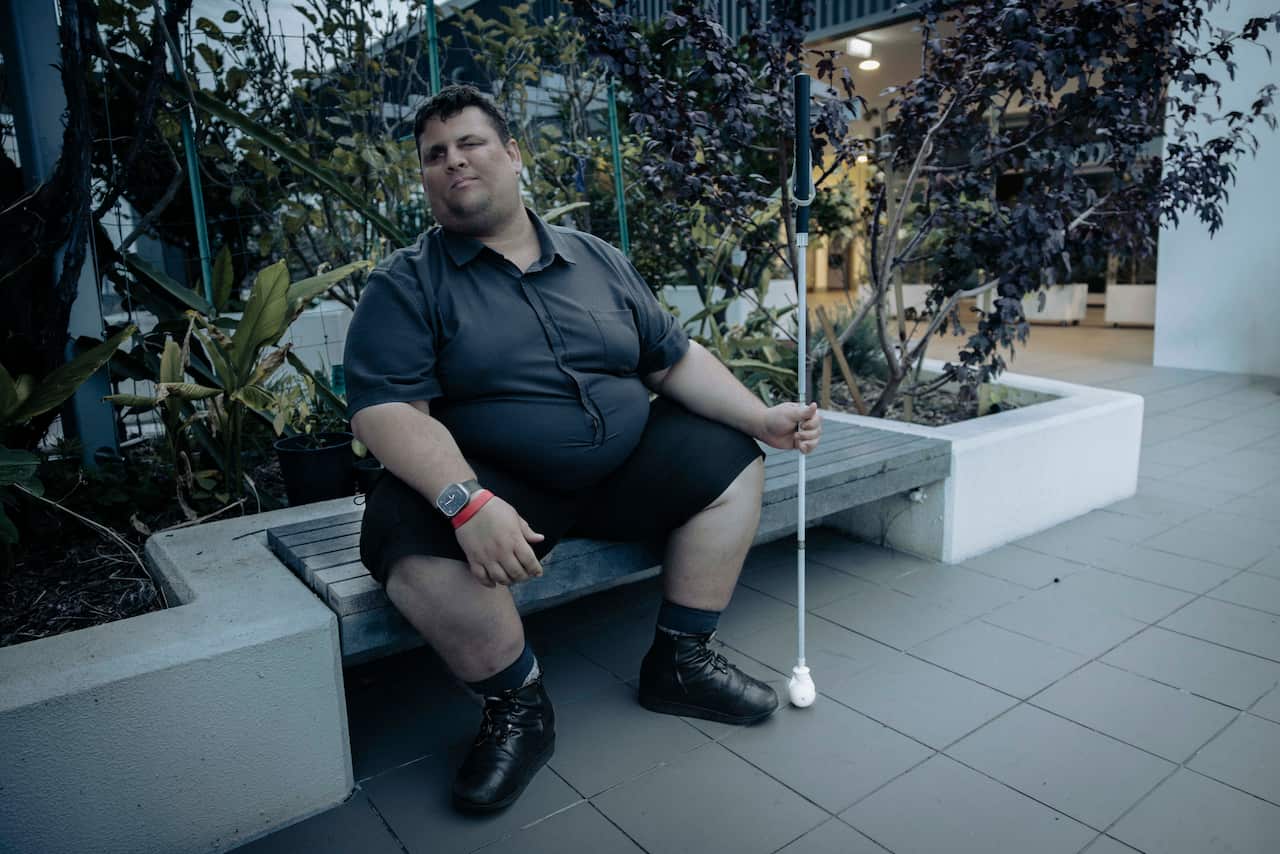
He received evacuation alerts in the middle of the night but had no idea how to safely get out of the building if he needed to.
That experience made him realise how unprepared our systems are to protect people with disabilities during climate disasters.
“Not knowing whether I could get out of the building was terrifying," Mr Donohue said.
The claimants are calling on the Australian government to stop approving coal and gas corporations' projects, stop subsidising coal and gas companies, and develop a credible plan to phase out fossil fuel exports.
The Australian government has been contacted for comment.