WARNING: Distressing content.
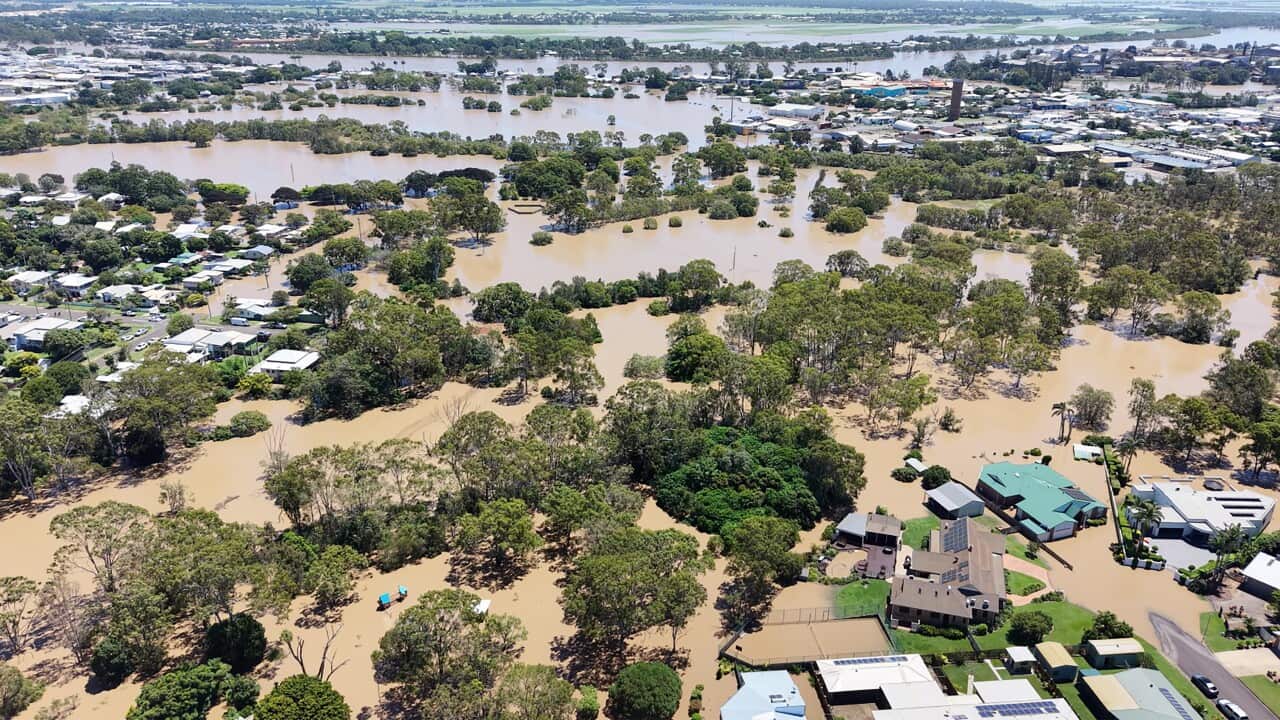
Floodwaters in Bundaberg are slowly receding after the Burnett River peaked at around 7.4 metres early Wednesday morning, triggering major flooding across the region.
Authorities say the river has now fallen to around 6.6 metres, but it remains at major flood level, with water still moving through the wider Burnett catchment and many roads, bridges and properties continuing to be affected.
At the height of the flooding, around 200 people sought refuge at evacuation shelters, while about 2,000 properties lost power across the region. Several schools remain closed and a number of bridges are still shut while safety checks continue.
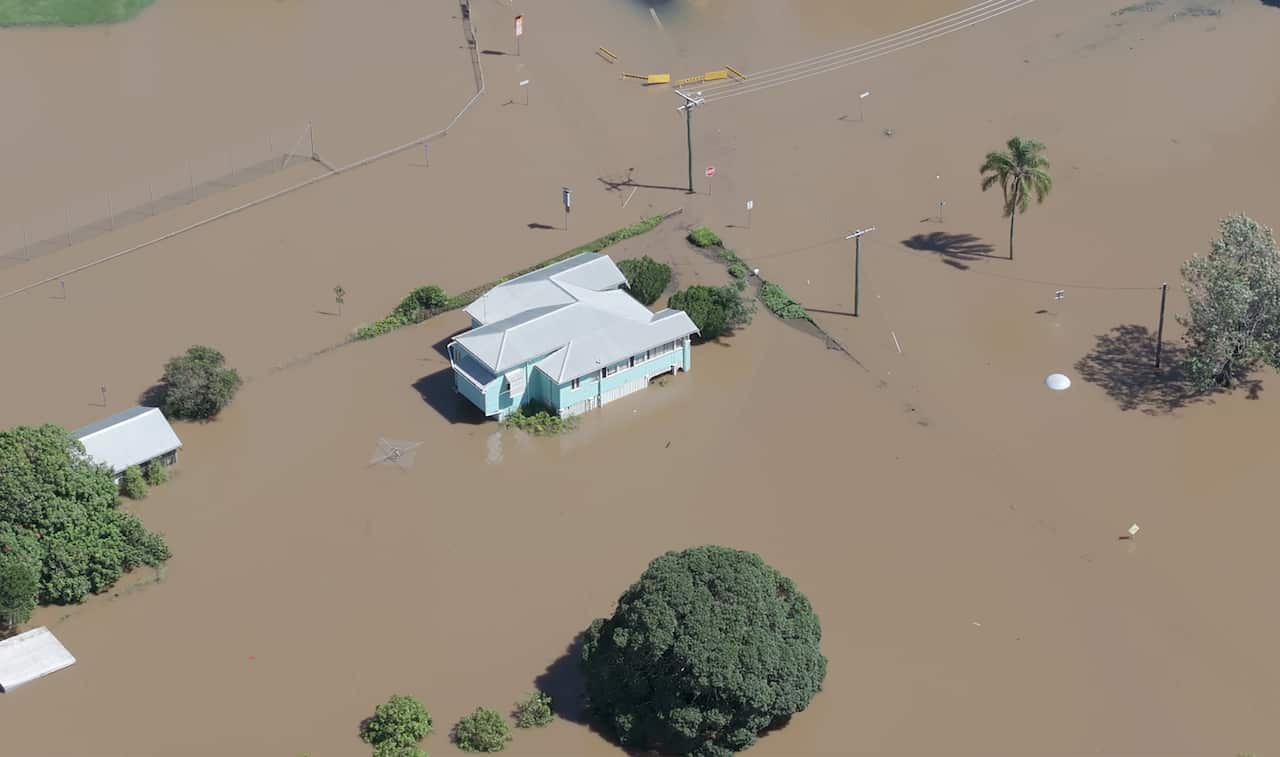
Emergency crews have spent days carrying out rescues, evacuations and damage assessments, with hundreds of homes and businesses inundated as the river rose rapidly earlier this week.
While water levels are now gradually falling in Bundaberg, authorities say upstream gauges in the Burnett catchment remain high, meaning floodwaters are still moving through the river system and contributing to the slow recession of the river in town.
Community organisations and volunteers have been working on the ground to support residents impacted by the disaster.
Stirling Eggmollese, Director of the Indigenous Wellbeing Centre, says local people have been stepping in to help those most vulnerable.
“We’ve been able to see people within the community doing food drop offs, taking medications out and doing welfare checks,” he said.
“Just before I was downtown and the water was rising pretty quickly and powerful in the Burnett River. I went along to see if there were any brothers or sisters or nephews or nieces sleeping on the streets.
"I found a few of them and checked to see if they needed assistance.”
Mr Eggmollese said the response from the community highlights the strong sense of care among Aboriginal and Torres Strait Islander people.
“That’s one beauty of us as people. We do care about each and every one of us.”
As conditions on the ground are slowly stabilising, support work is continuing.
“Everything’s going alright at the moment. I’ve got to go back tomorrow to the evacuation centre and check in with some of the crew I spoke to today and see how they’re going and if they need any assistance.”
However, Mr Eggmollese has raised concerns about the location of evacuation centres, saying some are too far from the communities they are meant to support.
“The major concern I’ve got is with the evacuation centre. It’s about three or four kilometres outside of town,” he said.
“There are areas within town where people could stay closer together. We’d rather stay here altogether so we know where we are.”
He said disaster responses must recognise the needs of Aboriginal communities.
“The government doesn’t understand. It’s not one glove that fits all," he said.
"We’ve got to realise how we look after our people and the processes we go through.”
Alongside practical recovery efforts, Mr Eggmollese believes checking in on each other’s wellbeing is just as important, particularly as communities deal with the emotional strain of the disaster.
“Just with the mental health side of things and how people are going, keep in contact with each other and make sure you know where everyone’s at.”
As floodwaters slowly recede, authorities are urging residents to remain cautious around waterways and flooded areas.
Mr Eggmollese also warned the community to stay away from dangerous floodwaters.
“Just don’t go near flooded water. It’s very dangerous. Keep away from storm water drains, they can suck you in,” he said.
“There are canals around here and you’ve got viruses and insects that transmit diseases. Just be careful.”
Authorities say recovery and damage assessments across the region could take days or even weeks, as communities begin the long process of cleaning up and rebuilding.
Queensland State Emergency Service (SES) 132 500
NT Emergency Service (NTES) on 132 500
13YARN 13 92 76
Aboriginal Counselling Services 0410 539 905
Lifeline 13 11 14