A symbol of protection and power, more than 130 shields made by Indigenous people are on display at the University of Queensland as part of a major new exhibition.
For more than 75 years UQ's Anthropolgy Museum has been collecting Aboriginal and Torres Strait Islander shields, which are now on display in Shields: Design and Functionality.
Many of the shields are more than a century old, marked from use and tarnished by age.
For museum director and Aboriginal man from the Nerang and Logan River regions, Michael Aird, the exhibition reveals both craftsmanship and lived history.
“Many of the shields are 100 years old, or even more than that, and you can see the use, how they’ve been made by craftsmen,” he said.
“The shields were part of a system of symbolic battles, well organised between individuals and within groups. Spears, boomerangs and clubs were used to hit the shields.
"You can see the marks of how they’ve been used, and beautiful traditional designs from whichever part of Australia they came from.”
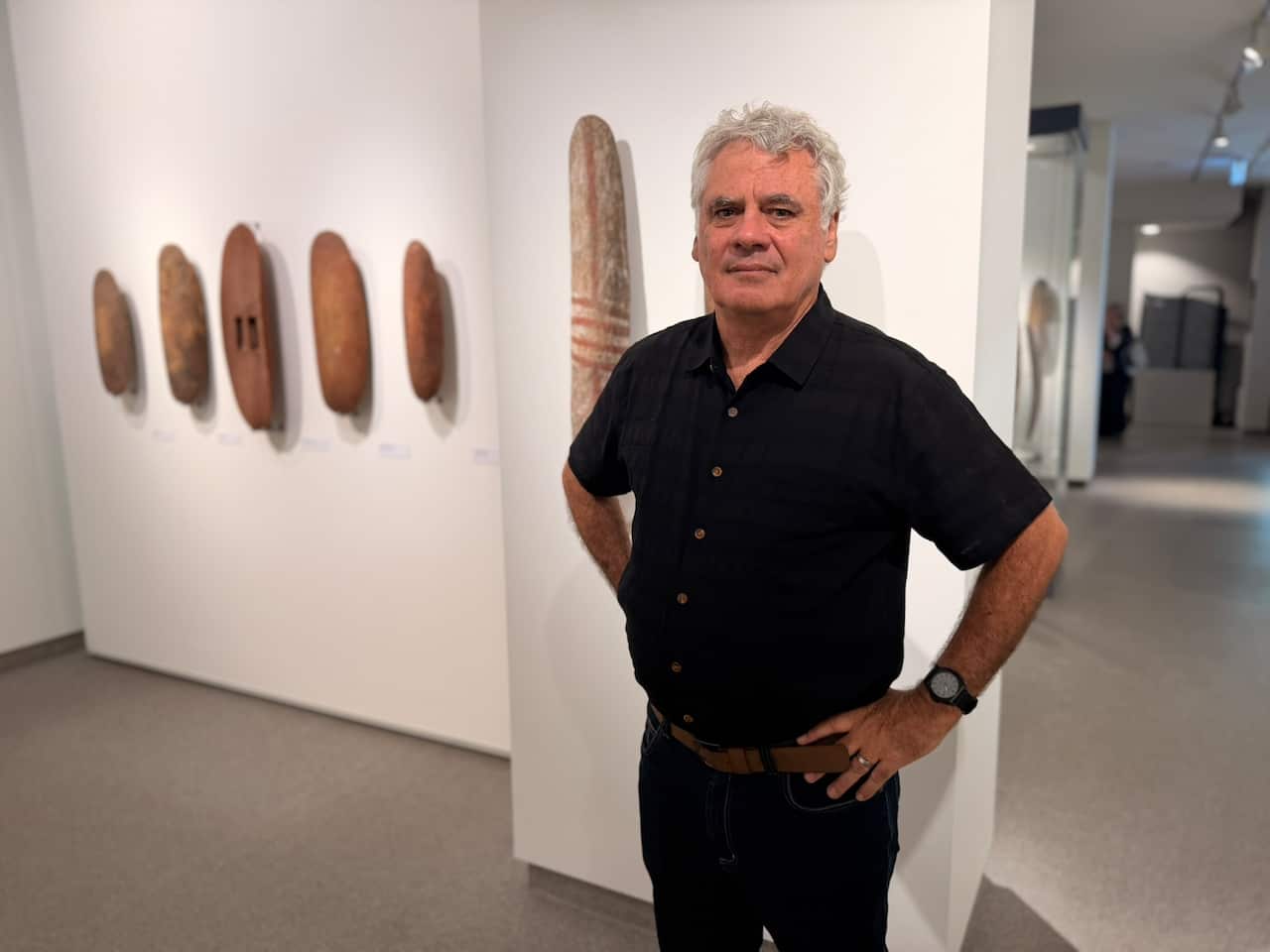
Some shields remain in remarkable condition. Others carry the visible effects of time. Together, they tell stories of protection, conflict and survival.
“There are over 130 shields in this exhibition, and they all come from the collection in the anthropology museum,” Aird said.
He said they're prized by collectors and museums, but mostly by Aboriginal and Torres Strait Islander peoples.
“We’ve had a great response of people with a strong interest in shields. They’re different functions, different designs, and particularly Aboriginal people have been so impressed to see shields from their traditional area.”
For Aird, the exhibition is also about responsibility, ensuring institutions create space for truth telling and centre First Nations voices in how collections are interpreted and displayed.
Curator Mandana Mapar said the exhibition was shaped not just by archival research, but by conversations with community.
“We worked with community visitors, artists, makers and researchers to spend time having conversations, basically in the space,” she said.
“A lot of the research that needed to be undertaken before an exhibition like this happened at the same time as we had community visits.
"Artists visited, many visited, spending time with the shield, sharing how they would approach making a shield today, and reflecting back on how traditionally they may have been made.”
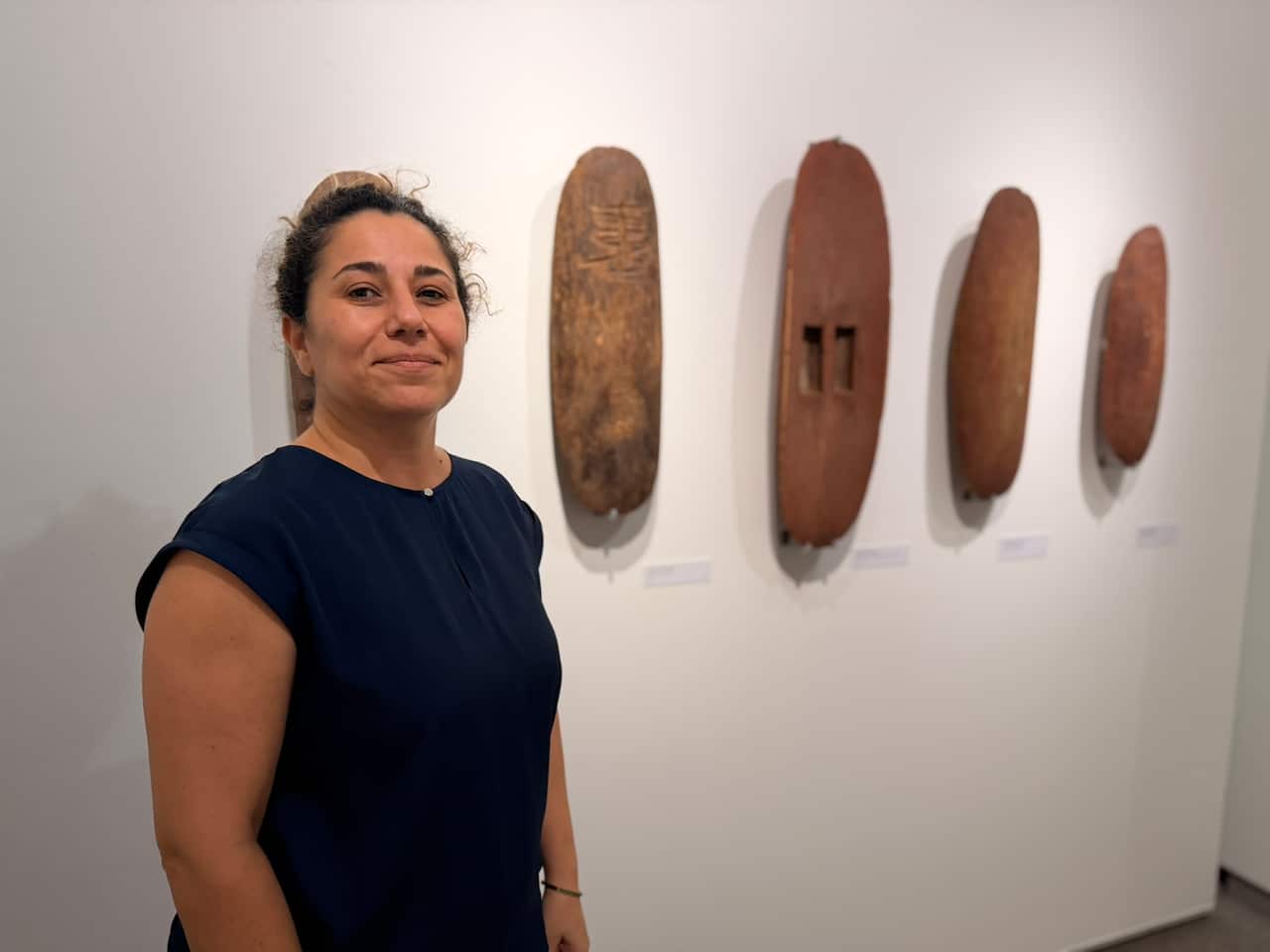
Mapar said it was essential to connect historic objects with contemporary practice.
“When an exhibition of artefacts and artworks from past traditional objects comes to the fore, we need to centre that in the conversations happening now about communities and artists and makers, and their reflections on how the work is made now.”
Behind the display are portraits representing thousands of shield makers across the country, a reminder that these objects are part of living cultural traditions.
“That representation of creativity, the enormous power of being able to share those stories and inter-generational knowledge, but also creative expression, is just as important as the collection itself,” she said.
Contemporary shields created specifically for the exhibition also feature prominently, including recent works that speak directly to Country and cultural revitalisation.
The contemporary works represent this Country and the conversation that’s really active at the moment about who’s making shields, why they’re being made, and how important that is for cultural revitalisation.
While shields were once used to protect bodies in battle, today they protect something broader, standing as statements of sovereignty, cultural endurance and creative strength.
For students and staff on campus, the exhibition is already sparking conversations about heritage, institutional responsibility and the importance of Indigenous knowledge systems.
The shields at UQ are not just relics of the past, but as a reminder of sovereignty, strength and survival.