The nation's peak advocate for Stolen Generations survivors has launched a new two-year action plan aimed at finally implementing the recommendations of the landmark Bringing them home report.
It’s been 29 years since the report was tabled, but analysis by the Healing Foundation suggests just five of its 83 recommendations have been clearly implemented.
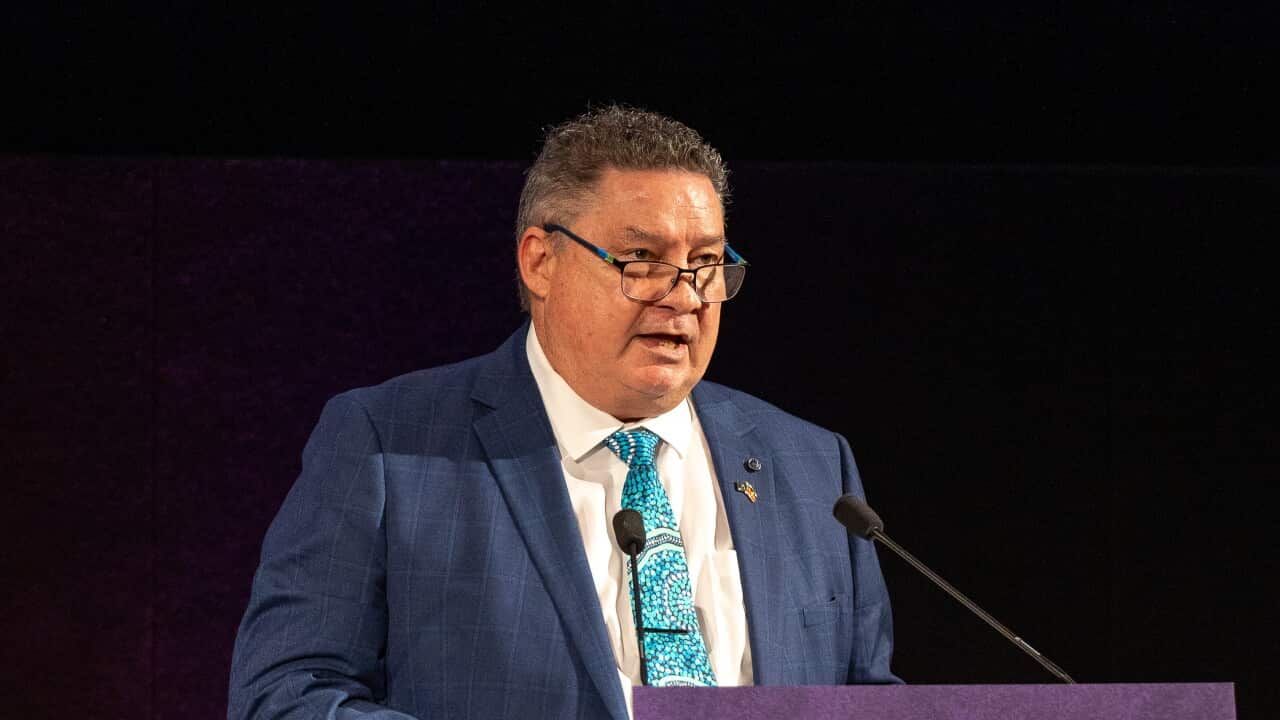
“There have been decades of reports, research and inquiries, but too little action," said Kungarakan man Steve Larkin, the chair of the foundation.
"With only one year until the 30-year anniversary of Bringing them home, there is no excuse left for inactivity."
The national action plan sets out a timeline for steps governments and organisations can take to deliver meaningful change to Stolen Generations survivors – many within one year.
The Healing Foundation Chief Executive Shannan Dodson said a systemic approach is required.
“Every year of inaction is a failure for Stolen Generations survivors – too many are gone, without action, without ever seeing justice,” the Yawuru woman said.
“The devastating impacts of racist policies that tore apart our families and removed babies and children away from their culture are still deeply felt today.
"We can turn that around by driving real reform that supports healing.”
The action plan identifies five priority areas, with recommendations ranging from education to funding for Stolen Generations organisations, healthcare and redress.
Calls for Queensland to offer redress
The Foundation is calling for an independent review to identify barriers preventing survivors from accessing Stolen Generations redress schemes.
Every jurisdiction has now had a scheme except for Queensland.
Census data shows the state is home to more than a quarter of Australia’s First Nations population, and the Healing Foundation has reiterated calls for the government to commit to a redress scheme.
Its national action plan also calls on police forces involved in the Stolen Generations to deliver apologies if they haven’t yet.
This includes Queensland, Tasmania, South Australia, the ACT and the Australian Federal Police.
Aged care a key focus
The Healing Foundation also highlighted a lack of access to culturally safe, fully subsidised and equitable aged care, health and community services – especially as survivors get older.
In 2019, analysis from the Australian Institute of Health and Welfare found around 27,000 survivors were over 50 years old, representing one fifth of First Nations people in the age group.
Professor Larkin said research shows survivors are over-represented among Australians with poorer health, lower incomes, and greater need for support as a result of being removed from families, Country, community and connection to culture.
“[Government] inaction causes further harm and widens the gap for survivors as they age – they deserve dignity and to be treated with respect, not layers of red tape, bureaucratic inertia and indecisiveness from leaders,” he said.
The action plan suggests mechanisms to address these inequities: reforms that would make it easier for survivors to verify their identity, pathways to provide priority access to services, and an end to co-payments for survivors seeking to access aged care supports in their home.
"The government must act to deliver properly funded, survivor led, culturally safe and trauma informed aged care, with priority access and flexible models that allow them to age with dignity, connection and healing," said Andrea Kelly, Interim First Nations Aged Care Commissioner.
Other key recommendations include establishing an independent statutory First Nations Aged Care Commission, boosting support for survivors of institutional child sexual abuse, and taking steps to recognise Stolen Generation survivors in national mental health frameworks.
The Healing Foundation has also called for Stolen Generation redress or compensation payments to be exempted from asset testing for services under the Aged Care Act.
The creation of a new body that would be responsible for overseeing reforms aimed at improving access to records for Stolen Generations survivors and their descendants has also been recommended.
The body would help implement actions across governments and private institutions like churches, including fee waivers, expedited time frames, administrative release of information and priority processing.
The action plan also calls for a centralised national database to be created and catalogued with standardised metadata to simplify research, as well as funding for research and recording of localised survivor stories.
‘Persistent failure of government accountability’
The action plan has been designed to align with the Closing the Gap framework and emphasised the need for survivors to be explicitly visible in its governance and reporting.
The Aboriginal and Torres Strait Islander Social Justice Commissioner, Katie Kiss, said decades of inaction from successive governments had stalled meaningful progress and entrenched “a gap within the gap” for Stolen Generation survivors.
“Survivors and descendants continue to experience poorer outcomes and inadequate recognition within Closing the Gap implementation and accountability frameworks,” the Kaanju and Birri/Widi woman said.
“This sustained inaction reflects a persistent failure of government accountability and a deeper governance failure to honour commitments made to Aboriginal and Torres Strait Islander peoples.”