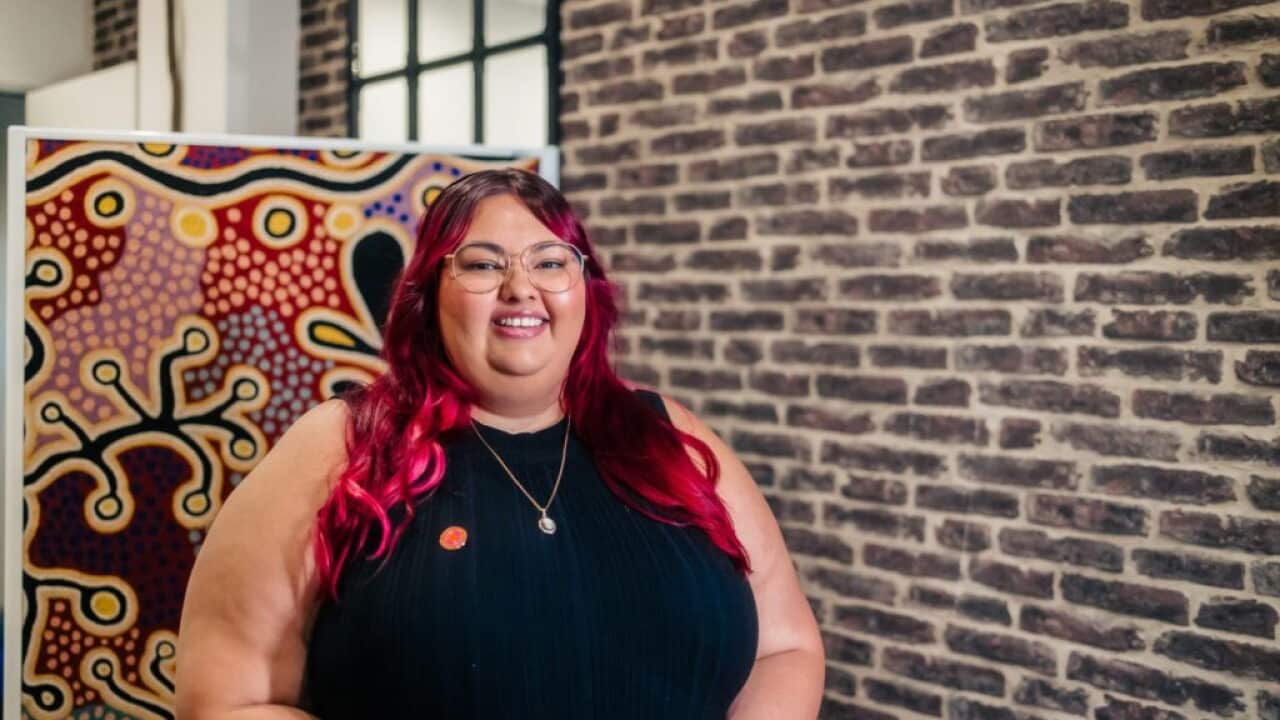
For Woppaburra woman Tahlia Rose Vanissum, the National Disability Insurance Scheme (NDIS) is "built on a level of privilege".
"[The system] assumes that you have basic access to things like diagnosis, service supports, and other linkages," she said.
Even access to the National Disability Insurance Agency (NDIA), where people can learn how to access the NDIS, is not equal.
As a researcher at the University of Sydney and a board member of People with Disability Australia, Vanissum says attempts by Indigenous communities to learn about the scheme through the NDIA can be frustrating.
"We've heard from participants that they've been able to call up and indicate that they were Aboriginal Torres Strait Islander, and could be put through to a specialised team, but unfortunately that team historically has not been well staffed," she said.
"Often, they get put back in the queue often further down than when they started."
'We want the NDIS to work for all Australians'
It's feedback like this, that Minister Jenny McAllister says has informed the creation of a new phone service: 'First Nations Connect'.
"We heard feedback from more than 200 First Nations participants, and staff and family that when they called the National Contact Centre, they didn't always feel as though they were culturally understood or that their needs were being properly responded to," Ms McAllister said.
The minister also said that non-Indigenous staff members "identified gaps in their own knowledge" and in their service provision.
The service will be manned by 35 trained staff, who have undertaken a course created in consultation with First Nations people.
"The training involves consideration of history of cultural protocol, but also practical knowledge about the kinds of First Nations-led services that might be available in the caller's local area."
The phone line will be assessed over the first six months, responding to concerns about the line's staffing or community engagement, to improve callers' experiences.
"We want the service to be the best it possibly can, and that must mean making sure that it's culturally appropriate and responsive to the needs of First Nations people," Minister McAllister said.
Concerns over proposed cutbacks
Advocates like Vanissum have welcomed the phone line.
For Larrakia and Warramungu man, and NDIA Board Member Dr Richard Fejo, it's one way to increase First Nations participation.
"We've been hearing that it's been a priority for First Nations to people that have a First Nations call centre."
"We're responding, and hopefully this will mean an increase of First Nation participants across the NDIS services."
But with the federal government's proposed reforms from the May budget, which seek to shrink the existing pool of NDIS participants by 160,000 people by 2030, Ms Vanissum has concerns.
"A lot of Aboriginal and Torres Strait Islander people that need the supports of the scheme aren't getting onto it in the first place," she said.