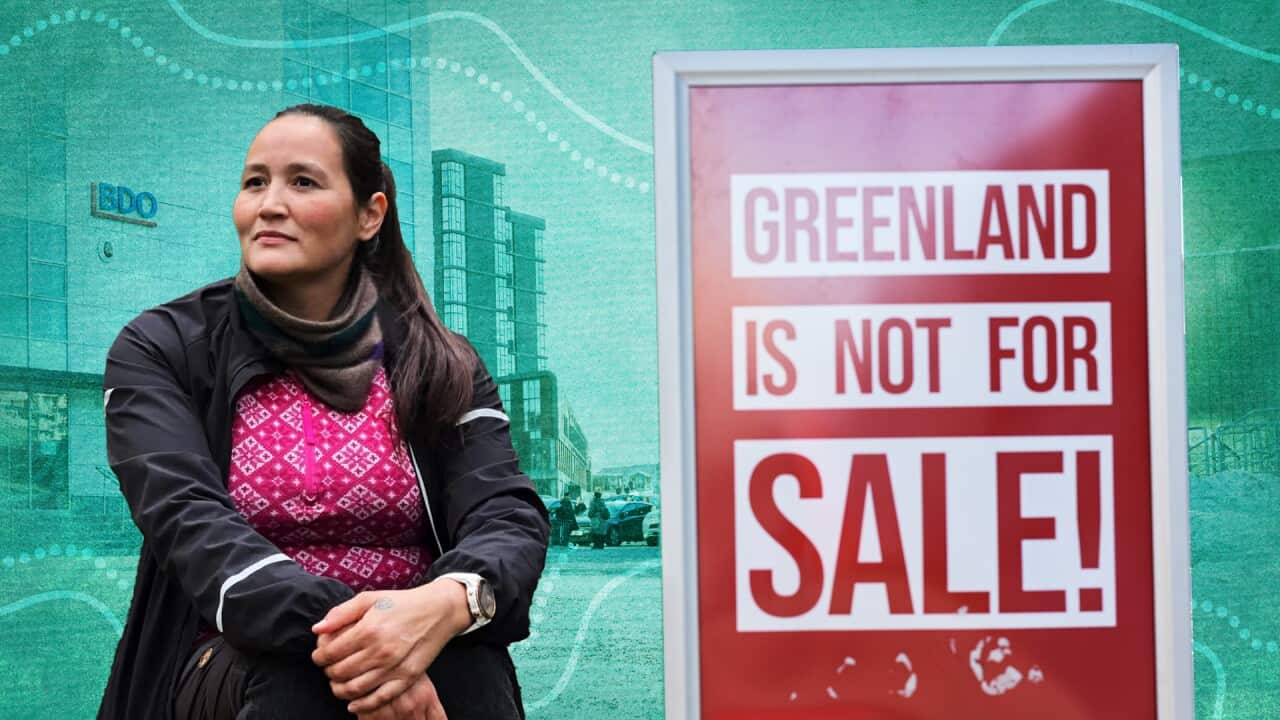
Sleepless nights have become routine for Lisa Jensen, a Greenlandic Inuk and cultural educator originally from Kuummiit in the island's South-east.
Like much of Europe's security infrastructure, she has been on high alert and worried about the future of her homeland since the US President Donald Trump has ratcheted up his threats to invade the territory.
“I had nightmares about Trump,” she told NITV.
“I was there in the dream protecting my daughter Elena and also my old students from boarding school. I was thinking I had to protect the children.
“Then I realised if the soldiers are here, they can just kick in the door and kill us.”
Trump’s interest in taking Greenland has strained the relations between Europe and the United States.
Although Trump has since walked back some of his threats to seize the self-governing territory of Denmark, Danish prime minister Mette Frederiksen has called the situation “very serious”.
Trump first began looking into purchasing Greenland from Denmark in 2019 during his first term as president, but Frederiksen made clear the territory was not up for offer.
We will just be nothing to them
“Greenland is not for sale. Greenland is not Danish. Greenland belongs to Greenland,” she said.
Jensen said her cultural educator is important for building relationships between Indigenous and non-Indigenous peoples.
Jensen says Greenlanders did not take Trump seriously, but after seeing the US military action in Venezuela that led to the capture of the former president Nicolás Maduro, she said the president's ambitions had become a “real threat”.
“To be twice colonised, it's like beginning all over again, and America really doesn't have a good track record for how they treated Indigenous people, Inuit in Alaska and Black people.”
“So I think we will just be nothing to them.”
Culture, independence and a way of life at stake
As Jensen notes, Greenland (referred to by many Inuit as “Kalaallit Nunaat”) has a distinct history of colonisation.
The Inuit have been fighting to reclaim their right to self-determination for decades, and Trump’s pressure to take the island is causing them further distress.
Nearly 90 per cent of the island's 57,000 inhabitants are Indigenous. Many belong to one of the three Inuit groups: Kalaallit (West Greenland), Tunumiit (East Greenland), and Inughuit (North Greenland).
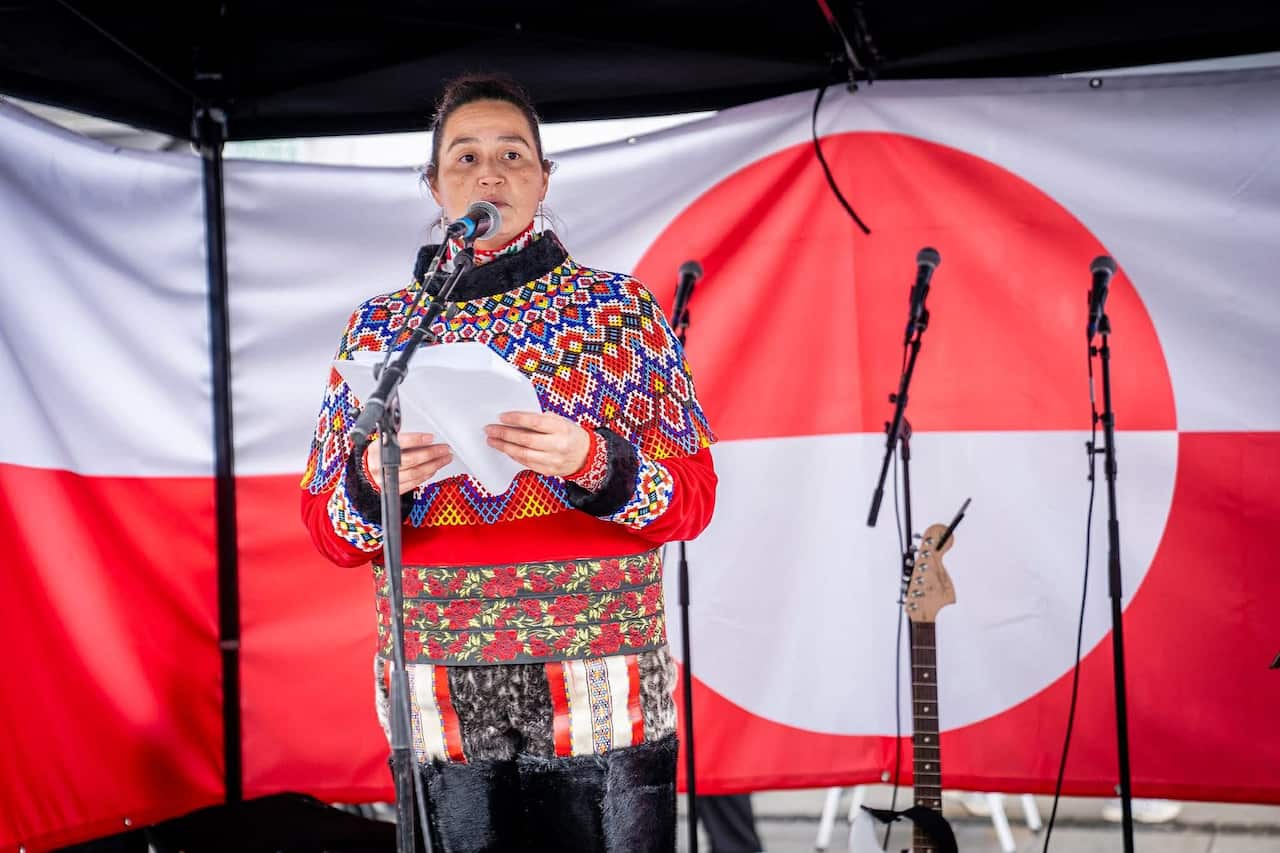
The ancestors of the Greenlandic Inuit arrived approximately 1,000 years ago. They survived the harsh conditions of the Arctic island through a deep understanding of the environment and their innovative technologies.
Genny LeMoine, an arctic archeology expert and curator of the Arctic Museum at Bowdoin College, said Greenland would have “a lot to lose” if it became America’s 51st state.
“People wouldn't have national health care, they wouldn't have national education,” she said.
“Indigenous communities in Alaska are continually fighting against the pressures the government and American society are putting on them.
“For those things, Greenland is much better off being with Denmark.”
No threat taken lightly
European allies have reacted to Trump's statements by sending military troops to the Arctic island. French President Emmanuel Macron slammed Trump’s plans as “new colonialism”.
"It's a shift towards a world without rules,” he said.
“Where international law is trampled underfoot and where the only law that seems to matter is that of the strongest, and imperial ambitions are resurfacing."
The United Nations have also spoken out against Trump, stating that taking the territory would violate the UN Charter’s human rights laws and the right to self-determination.
Greenland is still not for sale
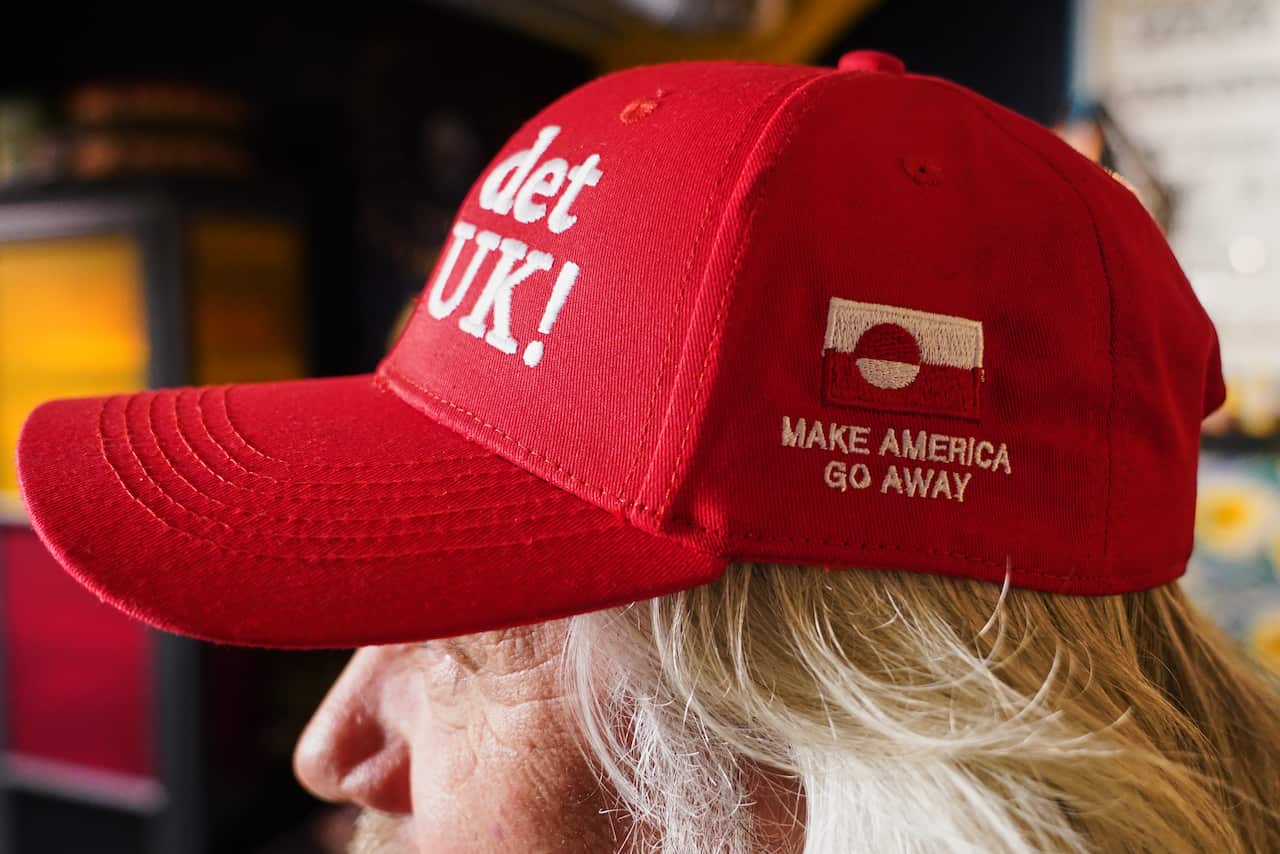
Last month, thousands rallied in cities across Greenland, Denmark and Canada to protest a potential US takeover.
Attendees held the Greenland flag and wore red hats resembling those worn by Trump supporters, with phrase “Make America Go Away” printed on them.
Ivalo Lyberth, an advocate for Uagut, a Greenlandic culture and rights organisation based in Denmark, said Greenlanders walk around with “unease”.
“I think about Greenland all the time. About our compatriots back home,” she said.
“About how it must feel to see your country being referred to as something that can be taken over, negotiated or moved around – as if it were not a home.”
She said Greenlanders must continue their fight for independence, and that allies must stand with them.
For Jensen, the message is clear.
“We are not for sale and we never will be,” she said.
“We don’t want to be American. We are Inuit. We are ourselves.”